
Why Workplace Movement Patterns Matter: The Hidden Impact on Foot Health and Why Workers Need Quality Insoles
February 12, 2026
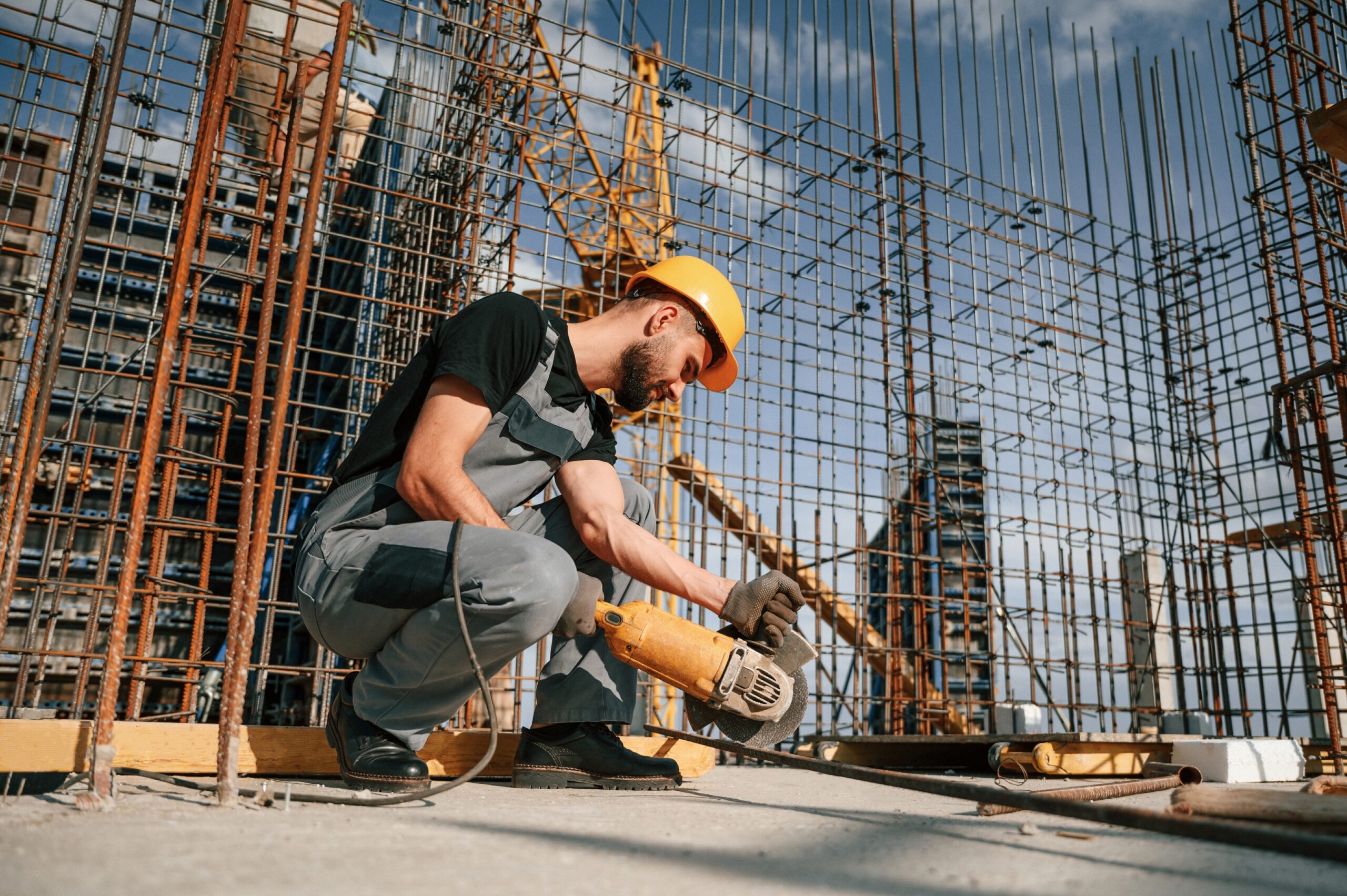
The average worker takes between 5,000 and 7,000 steps during a typical workday. For those in physically demanding jobs like construction, warehousing, or manufacturing, this number can easily double. But it’s not just about how many steps you take—it’s about how you move throughout your workday that significantly impacts your foot health and overall body alignment.
Repetitive movement patterns at work are something most of us rarely consider. We clock in, perform our duties, and clock out, often unaware that these daily motions are silently shaping our musculoskeletal health. For men especially, who make up the majority of the workforce in physically demanding industries, understanding the relationship between workplace movements and foot stress is crucial.
This article explores why your daily work movements matter more than you might think, how they affect your feet, and why proper support—particularly with quality work boot insoles for men—can make all the difference in your comfort, productivity, and long-term health.
The Science Behind Workplace Movement Patterns
Movement patterns refer to the repetitive physical actions we perform throughout our workday. These patterns are influenced by several factors, including job requirements, workspace design, equipment used, and even personal habits. For many men in labor-intensive roles, these movements often include:
- Repetitive lifting and carrying of heavy objects
- Prolonged standing on hard surfaces
- Frequent squatting or bending
- Climbing ladders or stairs
- Operating heavy machinery with foot controls
- Walking on uneven terrain or construction sites
Research in occupational biomechanics shows that these movement patterns create predictable stress points in the feet. When performed day after day, year after year, they can lead to a phenomenon called “patterned stress”—where specific areas of your feet bear a disproportionate amount of pressure based on your most common movements.
Dr. Michael Roberts, a leading occupational health specialist, explains: “Your body adapts to the movements you perform most frequently. This adaptation can be positive if the movements are balanced and supported, or negative if they create imbalance or excessive strain. The feet, as your foundation, absorb the majority of this impact.”
How Work Movements Impact Foot Stress and Alignment
Different occupations create different foot stress patterns. Consider these common scenarios:
For construction workers who frequently climb ladders or navigate uneven surfaces, the lateral (outer) edges of the feet experience increased pressure. This can lead to instability in the ankle and stress on the plantar fascia—the thick band of tissue that runs across the bottom of your foot.
Manufacturing workers who stand in relatively fixed positions experience concentrated pressure points, particularly in the heel and ball of the foot. Without proper support, this static positioning can lead to plantar fasciitis, a painful inflammation of the plantar fascia that affects up to 10% of the workforce.
Warehouse personnel who walk concrete floors all day face repetitive impact stress. Each step delivers a shock wave through the foot and up the skeletal system. Over time, this can lead to heel spurs, shin splints, and even knee problems if proper cushioning isn’t provided.
These movement-specific stress patterns explain why generic solutions often fail to address work-related foot pain. A one-size-fits-all approach simply cannot account for the unique demands different occupations place on the feet.
The Particular Challenges Men Face with Foot Support
Men face several unique challenges when it comes to foot health in the workplace:
- Higher body weight: On average, men have greater body mass, which translates to increased pressure on the feet with each step.
- Concentration in physical occupations: Men still dominate industries like construction, manufacturing, and logistics where physical demands are highest.
- Footwear limitations: Work boots and safety shoes, while necessary for protection, often lack adequate cushioning and arch support.
- Reluctance to address discomfort: Studies show men are less likely than women to seek early intervention for foot pain, allowing issues to progress further before treatment.
- Anatomical differences: Men typically have wider feet with different arch structures that require specific support configurations.
These factors highlight why specialized boot insoles for men are not just a comfort luxury but a genuine health necessity for many workers. Standard insoles that come with work boots rarely account for the specific movement patterns and stressors men encounter in different occupational settings.
Common Foot Problems Resulting from Poor Movement Support
When workplace movements aren’t properly supported, several painful conditions can develop:
Plantar Fasciitis: This inflammation of the plantar fascia causes stabbing heel pain, especially with the first steps of the morning. It’s particularly common in workers who stand for long periods or regularly walk on hard surfaces.
Metatarsalgia: Characterized by pain and inflammation in the ball of the foot, this condition frequently affects those who spend time on their toes (like when climbing ladders) or regularly lift heavy objects.
Pronation Issues: Excessive inward rolling of the foot during movement (overpronation) or outward rolling (supination) can develop from or be exacerbated by repetitive workplace movements, leading to ankle instability and knee problems.
Morton’s Neuroma: This painful condition involves thickening of tissue around nerves leading to the toes, often caused by repetitive pressure on the forefoot—a common issue for those who operate foot pedals or frequently pivot on the balls of their feet.
Achilles Tendinitis: Inflammation of the Achilles tendon frequently occurs in workers who repeatedly climb stairs or ladders, or whose movements involve frequent pushing off from the ball of the foot.
These conditions don’t just cause pain—they significantly impact quality of life and work performance. A study published in the Journal of Occupational Health found that workers with untreated foot pain were 31% less productive and missed an average of 3.6 more workdays annually than their colleagues without foot issues.
The Critical Role of Proper Work Boot Insoles for Men
Quality insoles designed specifically for men’s work boots serve several crucial functions in addressing movement-related foot stress:
Shock Absorption: Premium work boot insoles contain materials that absorb impact forces before they travel up the skeletal system. This is especially important for those working on concrete or other hard surfaces.
Arch Support: Proper arch support maintains foot alignment during various movements, preventing excessive pronation or supination that can lead to cascading joint problems up the kinetic chain.
Weight Distribution: Well-designed insoles for men help distribute body weight evenly across the foot, eliminating pressure points that develop during repetitive movements.
Stability Enhancement: For workers navigating uneven terrain or performing balance-dependent tasks, quality insoles improve proprioception (awareness of body position) and foot stability.
Fatigue Reduction: By optimizing foot mechanics, good insoles reduce the energy expenditure required for movement, delaying the onset of foot and leg fatigue during long shifts.
The CRUVHEAL Work Boot Insoles for Men exemplify these qualities, featuring deep heel cups for stability, targeted arch support, and premium shock-absorbing materials specifically designed for the unique stress patterns experienced in demanding work environments.
How to Identify Your Workplace Movement Pattern
Understanding your specific movement pattern is the first step toward selecting the right support. Here’s how to analyze yours:
Movement Tracking: Spend a day consciously noting your most frequent movements. How often do you lift, bend, climb, or pivot? Do you primarily stand in one position or move throughout your workspace?
Foot Inspection: Check your current work boots or shoes for wear patterns. Uneven wear provides valuable clues about your movement patterns and pressure points.
Pain Assessment: Note exactly when and where foot discomfort occurs during your workday. Is it worse after specific tasks or at certain times?
Professional Analysis: For persistent issues, consider a podiatric assessment that includes gait analysis. Many workplace health programs now offer these services.
This information is invaluable when selecting insoles that will properly support your specific movement requirements rather than generic solutions that might not address your unique needs.
Implementing Better Movement Support in Your Workday
Beyond choosing the right insoles for men’s work boots, consider these strategies to better support your movement patterns:
- Rotation of tasks: When possible, alternate between different types of movements throughout your day to prevent overuse of specific foot structures.
- Strategic breaks: Take brief breaks to perform simple foot stretches, especially if your work involves prolonged standing.
- Proper footwear selection: Choose work boots with adequate toe box width and ankle support designed for your specific industry.
- Progressive adaptation: When introducing new insoles, wear them for incrementally longer periods to allow your feet to adjust to the improved support.
- Regular replacement: Even the best boot insoles for men will compress and wear over time. Plan to replace them every 6-12 months depending on use intensity.
By implementing these strategies alongside quality insoles like the CRUVHEAL Work Orthotics Insoles, which are specifically engineered to address the challenges of demanding work environments, you can significantly reduce the negative impacts of your workplace movement patterns.
The Long-Term Benefits of Addressing Movement Patterns
Investing in proper support for your workplace movement patterns yields benefits far beyond immediate comfort:
- Reduced risk of chronic musculoskeletal conditions
- Improved energy levels throughout and after work shifts
- Decreased likelihood of movement compensation injuries
- Extended career longevity in physically demanding roles
- Lower healthcare costs related to preventable foot, ankle, and knee issues
- Improved performance and productivity on the job
Research from the American Podiatric Medical Association suggests that addressing foot support needs can reduce workplace-related foot injuries by up to 41% and improve overall job satisfaction scores by nearly 27% among workers in physically demanding occupations.
These statistics highlight why something as seemingly simple as selecting the right shoe inserts for men can have such a profound impact on both immediate comfort and long-term health outcomes.
Conclusion: A Step Toward Better Workplace Health
The repetitive movements we perform at work shape our bodies in ways we rarely consider. For men in physically demanding occupations, these movement patterns create specific stress points that, when left unaddressed, can lead to pain, decreased productivity, and even career-limiting injuries.
Understanding and supporting your unique workplace movement pattern isn’t just about comfort—it’s about sustainability of your physical capability and career longevity. Quality work boot insoles for men, like those offered by CRUVHEAL, represent one of the most accessible and effective interventions available.
As we’ve seen, not all insoles are created equal. Those designed specifically for men’s work environments take into account the unique biomechanical challenges of different occupations and movement patterns. They provide targeted support exactly where it’s needed most based on typical workplace activities.
By investing in proper foot support that addresses your specific movement patterns, you’re not just alleviating current discomfort—you’re making a strategic investment in your long-term health and career sustainability.
Take a moment to assess your workplace movements and consider how specialized support might improve your daily comfort and long-term foot health. Your feet literally carry the weight of your livelihood—they deserve the best possible care and support you can provide.