
Why Side-to-Side Movements Strain Your Feet More Than You Realize: How Work Insoles Can Help
February 19, 2026
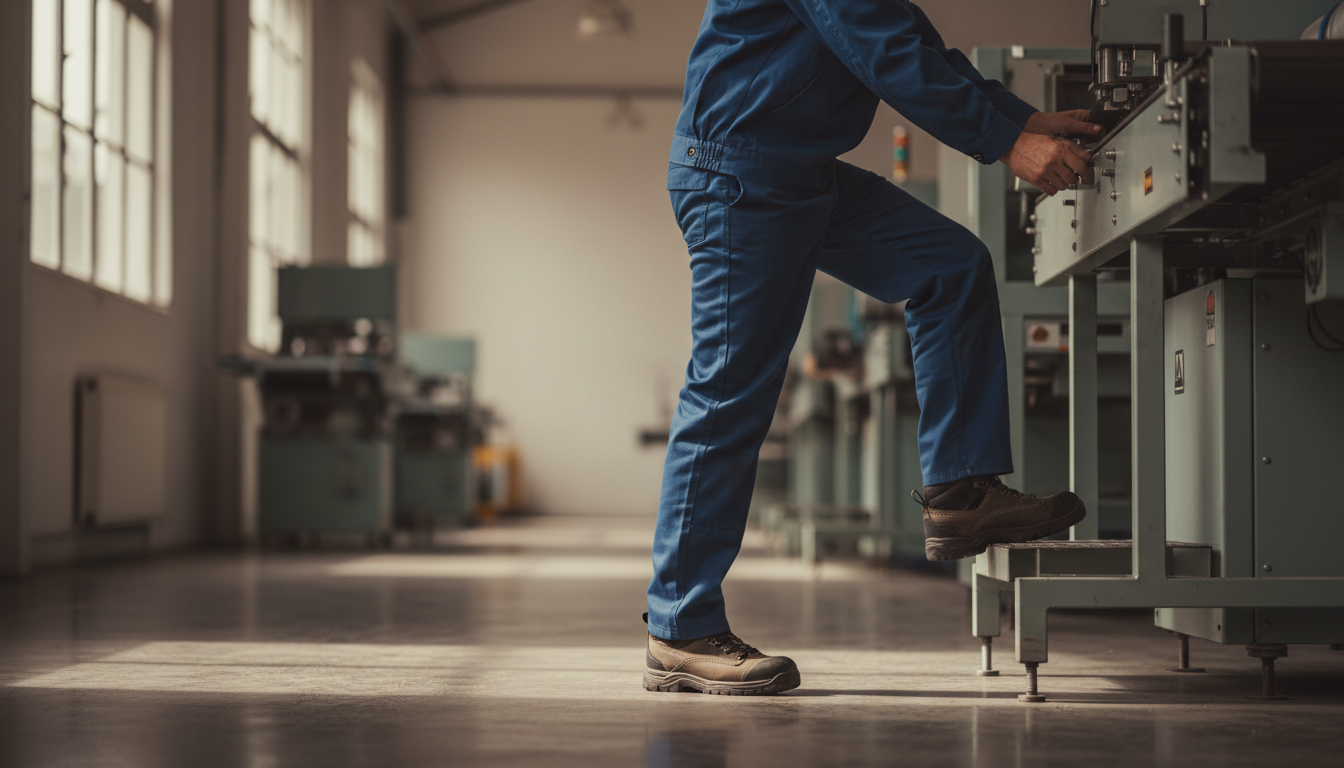
When we think about foot pain and strain, we often consider the impact of standing for long hours or walking significant distances. However, there’s another culprit that often flies under the radar: lateral movements. For men working in physically demanding jobs that require frequent side-to-side motions, the strain on feet and ankles can be particularly damaging over time. This article explores why lateral movements put exceptional stress on your feet and how specialized solutions like quality work boot insoles for men can make a significant difference in comfort and long-term foot health.
The Hidden Impact of Lateral Movements on Foot Health
Unlike forward walking, which your feet are naturally designed for, lateral movements create unique biomechanical challenges. When you move side to side, your feet experience shear forces that they’re not primarily evolved to handle. These motions put substantial stress on the outer edges of your feet, ankles, and the complex network of tendons and ligaments that stabilize these areas.
For workers in industries like construction, manufacturing, warehousing, and even retail, lateral movements are often unavoidable parts of the job. Whether you’re reaching for tools, shifting heavy items, or navigating tight spaces, these side-to-side motions happen countless times throughout the workday. The cumulative effect can lead to significant discomfort and potential injuries over time.
Research from the Journal of Biomechanics indicates that lateral movements can create up to 3-5 times more stress on the outer foot structure than forward motion. This explains why many workers experience pain along the sides of their feet and ankles even when their footwear feels comfortable during regular walking.
Common Workplace Activities That Increase Lateral Strain
Understanding which specific activities contribute to lateral foot strain can help you better address the problem. Here are some of the most common workplace scenarios that involve damaging side-to-side movements:
- Repeatedly shifting between workstations or equipment
- Reaching for items on shelves or across work surfaces
- Operating foot pedals that require side motions
- Navigating around obstacles in tight work environments
- Changing direction quickly when carrying loads
- Standing on uneven surfaces that force compensatory foot movements
- Working on ladders or scaffolding where foot positioning is constantly adjusting
What makes these activities particularly problematic is their repetitive nature. A single lateral motion might not cause damage, but when performed hundreds of times during a shift, these movements create cumulative stress that regular footwear often fails to address adequately.
The Anatomy Behind Lateral Foot Strain
To understand why lateral movements are so taxing, it helps to know a bit about foot anatomy. Your foot contains 26 bones, 33 joints, and more than 100 muscles, tendons, and ligaments working in harmony. During side-to-side movements, several key structures face exceptional stress:
The peroneal tendons, which run along the outside of the ankle, become particularly strained during lateral motions. These tendons are responsible for stabilizing the foot during side-to-side movement and can become inflamed or even tear when overworked. Similarly, the ligaments on the outside of the ankle face significant stress when the foot rolls outward (supination) during lateral movements.
The cuboid bone on the outer midfoot bears much of the weight during side-stepping, potentially leading to cuboid syndrome—a condition common among workers who perform frequent lateral movements. Even the plantar fascia, the thick band of tissue supporting your arch, experiences uneven tension during lateral movements, contributing to painful conditions like plantar fasciitis.
Warning Signs Your Work Is Causing Lateral Foot Strain
Recognizing the symptoms of lateral foot strain early can help prevent more serious injuries. If your job involves frequent side-to-side movements, be alert for these warning signs:
- Pain along the outer edge of the foot that worsens throughout the workday
- Discomfort that appears specifically when moving sideways or changing directions
- Tenderness along the outside ankle area, especially behind the ankle bone
- A feeling of instability when walking on uneven surfaces
- Swelling along the outer foot that increases during work hours
- Increasing difficulty performing lateral movements that were previously pain-free
- Pain that radiates up the outside of the leg during or after work
Many workers mistakenly attribute these symptoms to general fatigue or aging, failing to connect them specifically to the lateral movements in their daily tasks. This misunderstanding often leads to delayed treatment and worsening conditions that could have been prevented with proper foot support.
Why Standard Work Boots May Not Be Enough
Work boots are designed with several important protective features: steel toes, puncture-resistant soles, and durable materials. However, most standard-issue work boots have a critical shortcoming: they lack adequate support for lateral movements. The stock insoles that come with most work boots are typically thin, flat pieces of foam that offer minimal cushioning and almost no biomechanical support.
Even premium work boots often focus on durability and protection from external hazards rather than providing the specialized internal support needed for complex foot movements. The flat insoles create a situation where your foot can slide and roll within the boot during lateral movements, leading to increased strain on tendons, ligaments, and muscles.
Additionally, standard boots rarely address individual foot variations such as high arches, flat feet, or overpronation—factors that can dramatically increase the strain of lateral movements. Without proper internal structure, even the most expensive work boots can leave your feet vulnerable to the unique stresses of side-to-side motion.
How Specialized Work Boot Insoles Make the Difference
Quality shoe inserts for men, specifically designed as work boot insoles, can dramatically reduce the strain from lateral movements. Unlike standard insoles, these specialized orthotic inserts are engineered to provide multidirectional support that addresses the unique challenges of workplace lateral motions.
The key advantages of quality work boot insoles include:
Deep heel cups that stabilize the foot during side-to-side movement, preventing excessive rolling that strains ankle ligaments. Contoured arch support that distributes pressure evenly across the foot, reducing the load on the outer foot structures during lateral shifts. Metatarsal pads that provide targeted support to the ball of the foot, an area that experiences significant pressure during pivoting movements.
Advanced insoles also incorporate materials with different densities to provide both cushioning and support where needed most. This combination helps absorb shock while also providing the structural rigidity necessary to control excessive foot motion during demanding workplace activities.
For workers experiencing the effects of lateral movement strain, CRUVHEAL Work Orthotics Insoles offer professional-grade support specifically engineered to address these challenges with their multi-zone design that targets stress points created by side-to-side movements.
Selecting the Right Boot Insoles for Your Work Environment
Not all insoles are created equal, especially when it comes to supporting lateral movements. When selecting work boot insoles for men, consider these important factors:
- Rigidity Level: Jobs with extensive lateral movement require firmer support to control foot motion. Look for insoles with semi-rigid or rigid arch support.
- Heel Stabilization: Deep heel cups provide greater stability during direction changes. The deeper the heel cup, the more control you’ll have during lateral movements.
- Material Durability: Industrial environments demand insoles that can withstand harsh conditions. Premium materials like high-density foam and reinforced nylon can maintain their supportive properties longer.
- Shock Absorption: Lateral movements create impact forces that travel up through your feet, ankles, and legs. Look for insoles with dedicated shock-absorbing features in the heel and forefoot.
- Boot Compatibility: Some insoles are too thick for certain work boots. Ensure the insoles you choose work with your specific footwear without creating a tight fit that restricts circulation.
Workers with specific foot conditions should seek insoles designed to address both their condition and the demands of lateral movements. For example, those with flat feet need insoles that prevent overpronation during side-stepping, while those with high arches require extra cushioning to compensate for their foot’s reduced natural shock absorption.
Implementing a Complete Foot Protection Strategy
While quality boot insoles for men are a crucial component of protecting your feet from lateral strain, they work best as part of a comprehensive approach to foot health. Consider these additional strategies to complement your insole investment:
- Proper Boot Fit: Even the best insoles can’t compensate for poorly fitting boots. Ensure your work boots have enough toe room while still providing a secure fit around the heel and midfoot.
- Strengthening Exercises: Building strength in the muscles that support lateral movements can reduce strain. Simple exercises like resistance band side-steps can strengthen the stabilizing muscles around your ankles and feet.
- Work Technique Modifications: Sometimes, slight adjustments to how you perform tasks can reduce lateral strain. Face your work directly when possible rather than twisting or reaching sideways.
- Regular Insole Replacement: Even high-quality insoles lose their supportive properties over time. Plan to replace your work boot insoles every 6-12 months, depending on work intensity.
- Rotation of Footwear: When possible, alternate between different pairs of work boots with their own set of quality insoles to allow the supportive materials to fully recover between wears.
For workers in particularly demanding environments, consider consulting with a podiatrist who specializes in occupational foot health. They can provide personalized recommendations for insoles and foot care strategies specific to your work conditions and foot structure.
Conclusion: Investing in Long-Term Foot Health
The impact of lateral movements on foot health represents an often-overlooked aspect of workplace wellness. While these side-to-side motions might seem insignificant in the moment, their cumulative effect can lead to significant discomfort and potential injury over a career. By understanding the unique stresses these movements place on your feet, you can take proactive steps to protect yourself.
Quality work boot insoles for men represent one of the most effective investments you can make in your occupational foot health. They provide the specialized support needed to counteract the strain of lateral movements that standard boot insoles simply cannot address. For workers experiencing foot fatigue or pain related to side-to-side movements, CRUVHEAL Work Orthotics Insoles offer professional-grade support with their advanced design that specifically targets the unique stresses created by workplace lateral movements.
Remember that foot health directly impacts your overall work performance, comfort, and career longevity. The relatively small investment in quality shoe inserts men can trust for their work boots pays dividends in reduced pain, decreased injury risk, and improved energy levels throughout your workday and beyond. Your feet support you through countless lateral movements every day—it’s time to give them the support they deserve in return.