
Why Mechanics and Technicians Need Better Foot Support: The Essential Guide to Work Boot Insoles
August 15, 2026
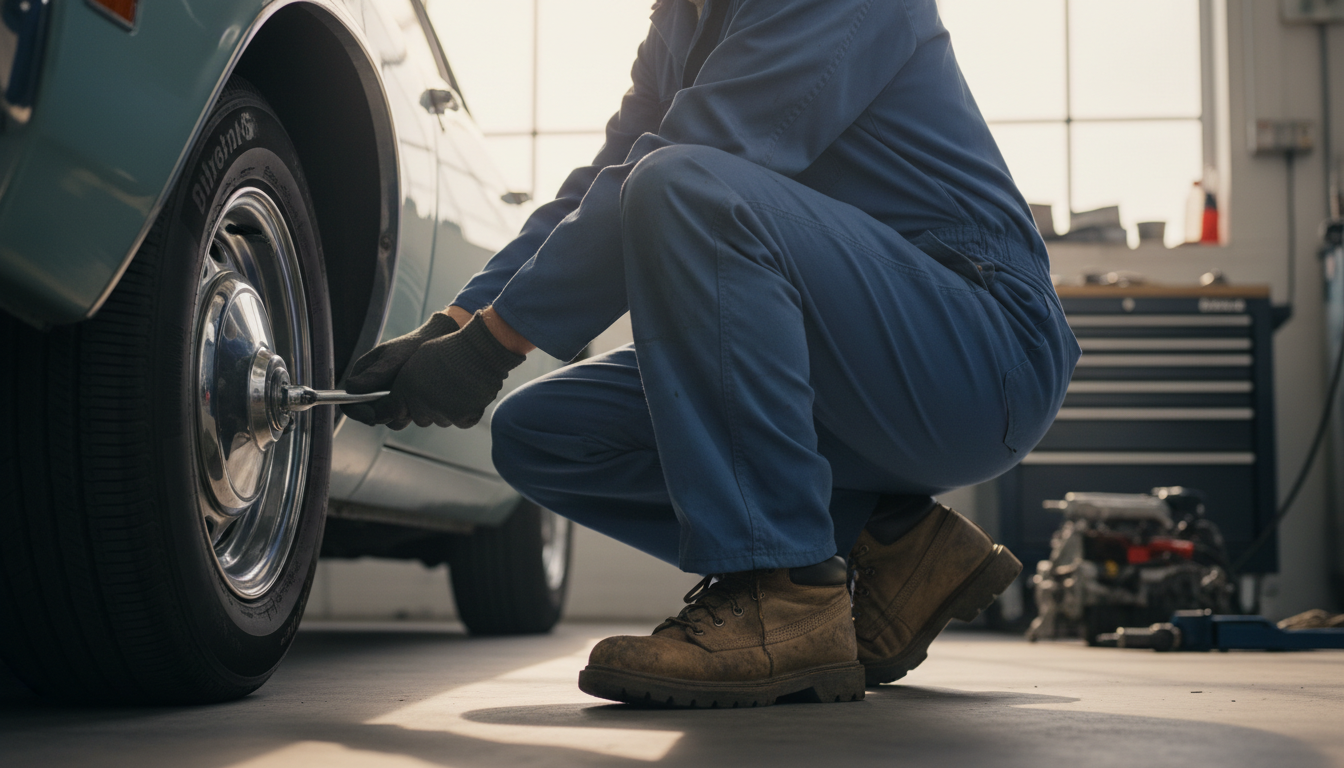
When most people think about workplace injuries and physical strain, mechanics and technicians rarely come to mind as high-risk professionals. However, these skilled workers face a unique combination of physical demands that place extraordinary stress on their feet, ankles, and lower body. From kneeling under vehicles for extended periods to standing on concrete floors throughout the day, the physical toll on automotive professionals is often underestimated and overlooked.
The reality is that mechanics and technicians spend their entire workday in motion—squatting to inspect undercarriages, standing to work on engines, kneeling to change tires, and walking across expansive shop floors. This constant movement, combined with the unforgiving surfaces of automotive workshops, creates a perfect storm for foot fatigue, chronic pain, and long-term musculoskeletal issues. Understanding why proper foot support is critical for these professionals isn’t just about comfort—it’s about health, safety, and career longevity.
The Unique Physical Demands of Automotive Work
Unlike office workers or even construction professionals who may maintain relatively consistent postures throughout their day, mechanics and technicians continuously shift between multiple challenging positions. This occupational versatility comes with significant physical costs, particularly to the feet and lower extremities.
The constant transition between standing, kneeling, squatting, and crouching creates dynamic pressure points that shift throughout the day. When a mechanic stands to diagnose an engine issue, their entire body weight concentrates on their feet. When they kneel to work on brakes, the pressure redistributes but the feet still maintain stabilizing tension. When squatting to inspect suspension components, the feet must provide a stable base while the body works in an awkward position.
These professionals also face the challenge of working primarily on concrete floors—one of the hardest and least forgiving surfaces available. Concrete provides zero cushioning or shock absorption, meaning every step, every shift in weight, and every movement sends impact forces directly through the feet, ankles, knees, and up the kinetic chain. Over months and years, this relentless pounding takes a serious toll on foot health and overall body mechanics.
Common Foot Problems Faced by Mechanics and Technicians
The demanding nature of automotive work leads to several predictable foot and lower body issues that affect mechanics and technicians across the industry. Recognizing these problems is the first step toward addressing them with appropriate supportive work insoles and proper footwear choices.
- Plantar Fasciitis: This inflammatory condition of the plantar fascia—the thick band of tissue running along the bottom of the foot—is extremely common among mechanics who spend hours on concrete floors without adequate arch support.
- Heel Pain: Constant impact on hard surfaces leads to heel bruising, fat pad deterioration, and chronic heel pain that worsens throughout the workday.
- Arch Collapse: Without proper medium arch support insoles, the natural arch of the foot gradually flattens under constant pressure, leading to overpronation and a cascade of alignment issues.
- Metatarsalgia: Pain and inflammation in the ball of the foot occurs when inadequate cushioning allows repetitive impact to damage the metatarsal region.
- Lower Back Pain: Poor foot support creates alignment problems that travel up the kinetic chain, frequently manifesting as chronic lower back pain.
- Ankle Instability: Frequent position changes without proper foot stabilization can lead to weakened ankles and increased injury risk.
- General Fatigue: Insufficient support forces the feet to work harder to maintain stability, leading to accelerated muscle fatigue and end-of-day exhaustion.
These conditions don’t develop overnight. They accumulate gradually, often dismissed as “just part of the job” until they become severe enough to impact work performance or require medical intervention. The good news is that many of these issues can be prevented or significantly reduced with proper foot support.
How Quality Orthotic Insoles for Work Address These Challenges
Understanding the problem is only valuable if there’s an effective solution. Quality orthotic insoles for work are specifically engineered to address the unique demands that mechanics and technicians face throughout their workday. These aren’t generic foam inserts—they’re biomechanically designed support systems that address multiple aspects of foot health simultaneously.
First and foremost, proper work boot insoles provide crucial arch support that maintains the foot’s natural biomechanics even under continuous stress. The arch acts as a spring mechanism, distributing body weight efficiently and absorbing shock with each step. When this arch collapses due to inadequate support, the entire lower body alignment suffers. Quality insoles with appropriate arch support prevent this collapse, maintaining proper foot structure throughout the workday.
Second, specialized insoles for concrete floors incorporate advanced cushioning materials that absorb shock and reduce impact forces. Materials like EVA foam, gel cushioning, and polyurethane provide the shock absorption that concrete floors cannot, protecting joints and soft tissues from repetitive stress. This cushioning is particularly important in the heel and forefoot regions where impact forces concentrate.
Third, quality insoles provide stability features that help maintain proper foot positioning during the constant transitions between standing, kneeling, and squatting. Deep heel cups, for example, cradle the heel and prevent excessive side-to-side motion that can lead to ankle injuries and alignment problems. This stability component is often overlooked but proves essential for workers who constantly change positions.
Selecting the Right Insoles for Standing All Day in Automotive Environments
Not all insoles are created equal, and mechanics need to consider specific features when selecting insoles for standing all day in demanding automotive environments. The ideal insole for a mechanic or technician should balance multiple performance characteristics to address their unique occupational needs.
- Appropriate Arch Height: Most mechanics benefit from medium arch support insoles that provide substantial support without feeling overly aggressive. Medium arch support accommodates most foot types while preventing arch collapse under extended pressure.
- Heel Cushioning and Support: Look for insoles with heel support that includes both a deep heel cup for stability and generous cushioning to absorb impact. The heel typically bears the greatest load and requires the most protection.
- Durable Construction: Automotive environments are tough on equipment. Choose insoles made from durable materials that can withstand daily wear, exposure to chemicals, and the rigors of constant movement.
- Moisture Management: Mechanics work hard and their feet perspire. Insoles with moisture-wicking top covers help manage sweat, reduce odor, and maintain comfort throughout long shifts.
- Full-Length Support: Unlike 3/4 length insoles, full-length options provide comprehensive support from heel to toe, addressing all pressure points and maintaining consistent cushioning.
- Slim Profile for Boot Fit: Comfortable work boot insoles should fit properly inside work boots without creating tightness or uncomfortable pressure points. Look for designs that provide maximum support while maintaining a reasonable thickness.
When evaluating options, mechanics should consider that the best insoles for their needs may differ slightly from insoles for warehouse workers or insoles for nurses, even though these professions share some common demands. The frequent kneeling and squatting unique to automotive work requires insoles that maintain their supportive properties across multiple body positions, not just standing.
The Broader Benefits of Proper Foot Support for Automotive Professionals
Investing in quality insoles for foot fatigue delivers benefits that extend far beyond simply reducing foot pain. When mechanics and technicians prioritize foot health, the positive effects ripple throughout their professional and personal lives in meaningful ways.
First, proper foot support directly translates to improved work performance. When feet hurt, concentration suffers. When lower body alignment is compromised, movement becomes inefficient and awkward. Quality insoles eliminate these distractions, allowing technicians to focus entirely on the complex diagnostic and repair work that demands their full attention. The result is higher quality work, faster completion times, and fewer errors caused by discomfort-related distraction.
Second, appropriate foot support significantly reduces injury risk. Many workplace injuries among mechanics occur not from dramatic accidents but from cumulative stress and compromised body mechanics. When feet are properly supported, the entire kinetic chain functions more efficiently. This improved alignment reduces strain on ankles, knees, hips, and the lower back—common injury sites for automotive professionals.
Third, proper support extends career longevity. The physical demands of automotive work cause many technicians to transition out of hands-on roles prematurely due to chronic pain and accumulated injuries. By protecting foot health and maintaining proper body mechanics from early in their careers, mechanics can continue doing the work they love for decades rather than being forced into early retirement or career changes due to preventable physical deterioration.
Finally, the benefits extend beyond the workplace. Mechanics who finish their shifts with less foot fatigue and body pain have more energy for family activities, hobbies, and exercise. They sleep better, recover more effectively, and maintain higher overall quality of life. The investment in proper foot support pays dividends in every aspect of daily living.
Implementing Better Foot Support in Your Daily Work Routine
Understanding the importance of foot support is valuable only when that knowledge translates into action. For mechanics and technicians ready to prioritize their foot health, several practical steps can make an immediate difference in comfort and long-term wellness.
Start by evaluating your current footwear. Even the best insoles for work shoes cannot overcome fundamentally inadequate boots. Ensure your work boots provide adequate room in the toe box, proper ankle support, and a sole construction that works synergistically with quality insoles. Steel-toe boots, while necessary for safety, should still accommodate proper insoles without creating pressure points.
When you’re ready to upgrade your foot support, consider investing in professional-grade arch support for work shoes designed specifically for demanding occupational environments. If you’re looking for a solution that addresses the specific needs of mechanics and technicians, explore these specialized work orthotic insoles that provide comprehensive support for professionals who spend their days on concrete floors in constant motion.
Allow an adjustment period when transitioning to supportive insoles. Your feet have likely adapted to poor support over time, and introducing proper alignment may feel unusual initially. Most people adjust within a few days to two weeks, after which the comfort and support benefits become clearly apparent. Start by wearing new insoles for partial shifts if needed, gradually increasing duration as your feet adapt.
Complement quality insoles with other foot health practices. Perform simple stretches before and after shifts, focusing on the calves, Achilles tendon, and plantar fascia. Consider rotating between two pairs of work boots to allow each pair to fully dry and decompress between wears. Stay mindful of foot positioning throughout the day, avoiding prolonged time in awkward positions when possible.
Conclusion: Prioritizing Foot Health for Long-Term Career Success
The demanding physical nature of automotive work places mechanics and technicians at significant risk for foot problems, lower body pain, and cumulative injuries that can shorten careers and diminish quality of life. The constant transitions between kneeling, squatting, standing, and walking—all performed on unforgiving concrete floors—create unique challenges that generic footwear simply cannot address adequately.
Investing in quality work boot insoles specifically engineered for these demands isn’t a luxury—it’s a professional necessity. The right everyday orthotic insoles provide the arch support, cushioning, stability, and durability needed to protect foot health throughout years of demanding work. These specialized insoles address the root causes of common foot problems rather than merely masking symptoms, delivering benefits that extend throughout the entire body and into every aspect of life.
For mechanics and technicians who take pride in their craft and plan on long, successful careers, proper foot support represents one of the most important investments they can make. The relatively modest cost of quality insoles pales in comparison to the medical expenses, lost work time, reduced performance, and diminished quality of life that result from neglecting foot health. By prioritizing proper support today, automotive professionals protect not just their feet, but their careers, their bodies, and their futures.
Don’t wait until foot pain becomes debilitating or chronic conditions develop. Take proactive steps now to implement better foot support in your daily work routine. Your feet carry you through thousands of steps, hundreds of position changes, and countless hours of demanding work every single week—they deserve the support necessary to keep you working comfortably and effectively for years to come.