
Why Maintenance Crews Spend More Time on Their Feet Than They Realize: The Hidden Cost of Continuous Movement
September 12, 2026
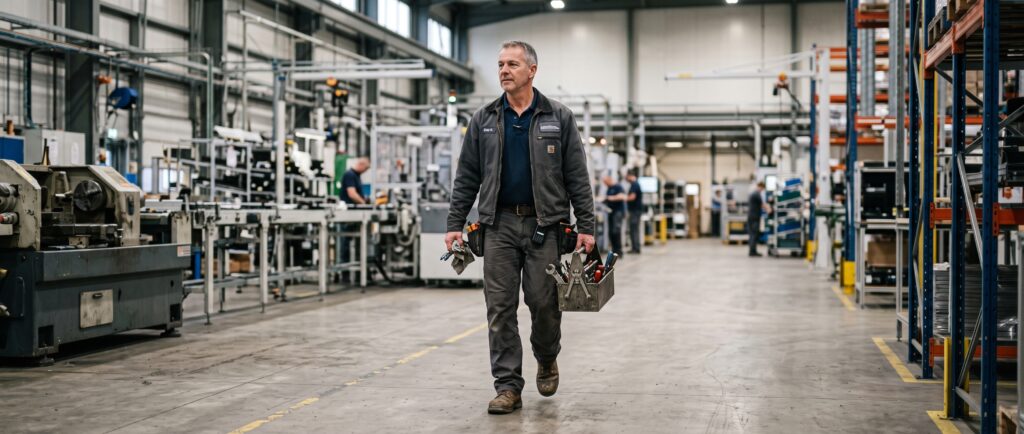
Maintenance workers are the unsung heroes of every facility, keeping operations running smoothly behind the scenes. However, most maintenance crews drastically underestimate the actual time they spend on their feet each day. While a shift might be logged as eight hours, the reality is that maintenance professionals are in near-constant motion, moving between tasks, troubleshooting problems, and responding to urgent calls. This continuous movement creates a cumulative effect that leads to significant foot fatigue, often without workers realizing just how much strain they’re placing on their bodies.
Understanding the true extent of time spent standing and walking during maintenance work is crucial for preventing long-term health issues and improving daily comfort. The solution often lies in proper foot support, making work boot insoles and orthotic insoles for work essential equipment rather than optional accessories. Let’s explore why maintenance crews are on their feet more than they think and what can be done to combat the resulting fatigue.
The Deceptive Nature of Maintenance Work and Standing Time
Unlike workers who remain stationary at a desk or assembly line, maintenance crews experience a unique pattern of movement that makes it difficult to track actual standing time. A typical maintenance shift involves responding to work orders scattered across a facility, which means constant transitions between locations. Each task might only require 15 to 30 minutes of standing work, but when you add up dozens of these intervals throughout the day, the cumulative time is staggering.
Research shows that maintenance workers often spend 75-90% of their shift on their feet, far exceeding what most workers self-report. This discrepancy occurs because the brain tends to remember significant tasks rather than the transitional movement between them. Walking to the tool room, traveling between floors, moving equipment, and standing while diagnosing issues all contribute to time on feet that workers mentally discount as “just getting around.”
The intermittent nature of this standing and walking pattern can actually be more taxing than continuous standing. Each time maintenance workers shift between tasks, they’re engaging different muscle groups and applying varied pressure points to their feet. This constant adaptation prevents the body from settling into any recovery pattern, leading to accelerated insoles for foot fatigue throughout the workday.
Common Maintenance Tasks That Increase Time on Feet
To truly understand the standing time accumulation, it’s helpful to break down the specific activities that keep maintenance crews mobile throughout their shifts. These tasks are often underestimated in terms of the physical demand they place on feet and lower body support systems.
- Equipment inspections and preventive maintenance rounds: Regular walkthroughs of machinery and systems require workers to be on their feet for extended periods while checking gauges, listening for unusual sounds, and documenting conditions.
- Emergency response calls: Urgent repairs demand immediate attention, often requiring workers to stand in awkward positions or on uneven surfaces while troubleshooting under time pressure.
- Inventory management and parts retrieval: Multiple trips to storage areas, tool cribs, and supply rooms add significant walking distance and standing time to each day.
- Ladder and elevated work: Working at heights requires maintaining balance on feet for prolonged periods, creating intense pressure on specific foot areas.
- Collaborative troubleshooting: Standing while consulting with colleagues, reviewing schematics, or planning repair strategies adds hours of unnoticed standing time.
The Cumulative Effect of Concrete Floors on Maintenance Workers
One of the most significant factors contributing to foot fatigue among maintenance crews is the unforgiving surface they work on. Most industrial facilities, warehouses, hospitals, and commercial buildings feature concrete flooring. While durable and practical for operations, concrete offers zero shock absorption, meaning every step sends impact forces directly back through the feet, ankles, knees, and spine.
Workers who spend their days on concrete experience a phenomenon known as “concrete fatigue,” which develops faster than fatigue from other surfaces. The rigid surface doesn’t flex or give with foot movement, forcing the body’s natural shock absorption systems to work overtime. This is where insoles for concrete floors become not just helpful but essential for long-term health and daily comfort.
The situation is particularly challenging for maintenance crews because they can’t simply stand on anti-fatigue mats like workers at fixed stations. They need portable support that travels with them throughout the facility. Quality insoles for standing all day with appropriate cushioning can transform concrete from a punishing surface into a manageable work environment by providing the shock absorption that the floor cannot.
How Foot Fatigue Impacts Job Performance and Safety
The consequences of underestimated standing time extend beyond simple discomfort. Cumulative foot fatigue has measurable effects on both work quality and safety that maintenance supervisors should take seriously. When feet hurt, workers naturally alter their posture and gait to compensate, which can lead to a cascade of musculoskeletal problems.
Consider these performance impacts that result from inadequate foot support:
- Decreased attention to detail: When workers are distracted by foot pain, they’re more likely to miss important diagnostic signs or make errors during repairs.
- Slower response times: Fatigue makes workers less eager to respond quickly to calls, potentially allowing small problems to become larger issues.
- Increased injury risk: Tired feet lead to compromised balance and coordination, raising the likelihood of slips, trips, and falls.
- Reduced productivity: Workers experiencing significant discomfort naturally slow their pace and take more breaks, extending repair times.
- Higher absenteeism: Chronic foot problems force workers to take sick days, disrupting maintenance schedules and increasing costs.
Investing in proper foot support through comfortable work boot insoles isn’t just about worker comfort—it’s a strategic decision that impacts operational efficiency and safety metrics. Facilities that prioritize foot health among maintenance crews consistently report better performance outcomes and lower injury rates.
Choosing the Right Support: Arch Types and Insole Selection
Not all foot support is created equal, and maintenance workers need to understand their specific arch type to select the most effective insoles. The arch acts as the foot’s natural shock absorber and weight distribution system, but it needs proper reinforcement to function optimally during long shifts on hard surfaces.
Many maintenance workers have medium arches, which benefit from medium arch support insoles that provide balanced support without over-correcting foot mechanics. These insoles offer the ideal combination of cushioning and structural support for workers who experience general foot fatigue rather than specific conditions like plantar fasciitis or flat feet.
When selecting supportive work insoles, maintenance crews should look for several key features. Deep heel cups provide stability and proper foot alignment, which is crucial for workers who frequently climb ladders or navigate uneven surfaces. Insoles with heel support help distribute impact forces more evenly and reduce stress on the Achilles tendon and plantar fascia. Additionally, quality arch support for work shoes should include metatarsal pads that cushion the ball of the foot, where much of the body’s weight concentrates during standing work.
Practical Solutions for Maintenance Crews
Addressing foot fatigue requires a multi-faceted approach that combines proper equipment, awareness, and smart work practices. Maintenance workers who take proactive steps to protect their feet report significantly less discomfort and maintain higher energy levels throughout their shifts.
The foundation of foot health starts with proper footwear. Safety-rated work boots should fit correctly with adequate room for orthotic insoles for work without creating pressure points. Many workers make the mistake of purchasing boots that fit perfectly without insoles, then find them too tight when they add proper support. Always size boots with the intended insoles installed.
Beyond footwear, consider these practical strategies:
- Rotate between two pairs of work boots: Alternating pairs allows each boot to fully dry and decompress between shifts, extending their life and maintaining better support.
- Replace insoles regularly: Even quality everyday orthotic insoles compress over time and lose effectiveness. Plan to replace them every 6-12 months depending on use intensity.
- Perform foot stretches: Taking brief moments between tasks to stretch calves, ankles, and foot muscles helps maintain flexibility and reduce cramping.
- Monitor wear patterns: Check your boots and insoles regularly for uneven wear, which indicates gait problems that may need professional assessment.
For maintenance crews seeking professional-grade foot support that addresses the unique demands of their work environment, explore these highly-rated orthotic insoles designed specifically for workers who spend their entire shift in motion. These insoles combine the cushioning needed for concrete floors with the structural support required for varied maintenance tasks, making them ideal for professionals who need reliable all-day comfort.
Cross-Industry Applications: Similar Challenges in Other Professions
While this article focuses on maintenance crews, the challenges of underestimated standing time affect numerous professions. Understanding these parallels helps illustrate the widespread need for proper foot support across various industries.
Insoles for warehouse workers address similar concerns, as these employees constantly move between picking locations, packing stations, and shipping areas. Like maintenance crews, warehouse workers rarely stand in one place, creating the same cumulative fatigue pattern. The constant starting and stopping places unique demands on foot support systems that quality insoles can effectively address.
Healthcare professionals face comparable challenges, making insoles for nurses equally critical. Nurses walk an average of 4-5 miles per shift while caring for patients, responding to calls, and managing documentation. The combination of walking and standing during patient care mirrors the movement patterns of maintenance work, creating similar foot fatigue issues that proper insoles can significantly reduce.
The commonality across these professions is clear: workers who transition frequently between tasks accumulate far more standing and walking time than they consciously realize. Whether you’re a maintenance technician, warehouse associate, or healthcare provider, insoles for walking all day provide the foundation for sustained comfort and long-term foot health.
Conclusion: Taking Foot Health Seriously in Maintenance Work
Maintenance crews spend far more time on their feet than they typically estimate, with the continuous movement between tasks creating cumulative foot fatigue that impacts both comfort and performance. The intermittent nature of maintenance work, combined with unforgiving concrete floors and constant transitions between activities, places extraordinary demands on feet that many workers overlook until problems develop.
Addressing this hidden challenge starts with awareness—recognizing that those brief moments of standing between major tasks add up to hours of stress on your feet. The solution lies in proactive foot care, beginning with quality insoles for work shoes that provide the cushioning, support, and stability maintenance professionals need to stay comfortable throughout demanding shifts.
By investing in proper foot support through work boot insoles specifically designed for all-day standing and walking, maintenance workers can dramatically reduce fatigue, improve focus, enhance safety, and protect their long-term musculoskeletal health. Your feet carry you through every task, repair, and emergency—giving them the support they deserve isn’t a luxury, it’s a professional necessity that pays dividends in comfort, performance, and career longevity.