
Why Landscaping and Outdoor Maintenance Workers Need Better Foot Protection: The Essential Guide to Puncture Resistant Insoles
September 3, 2026
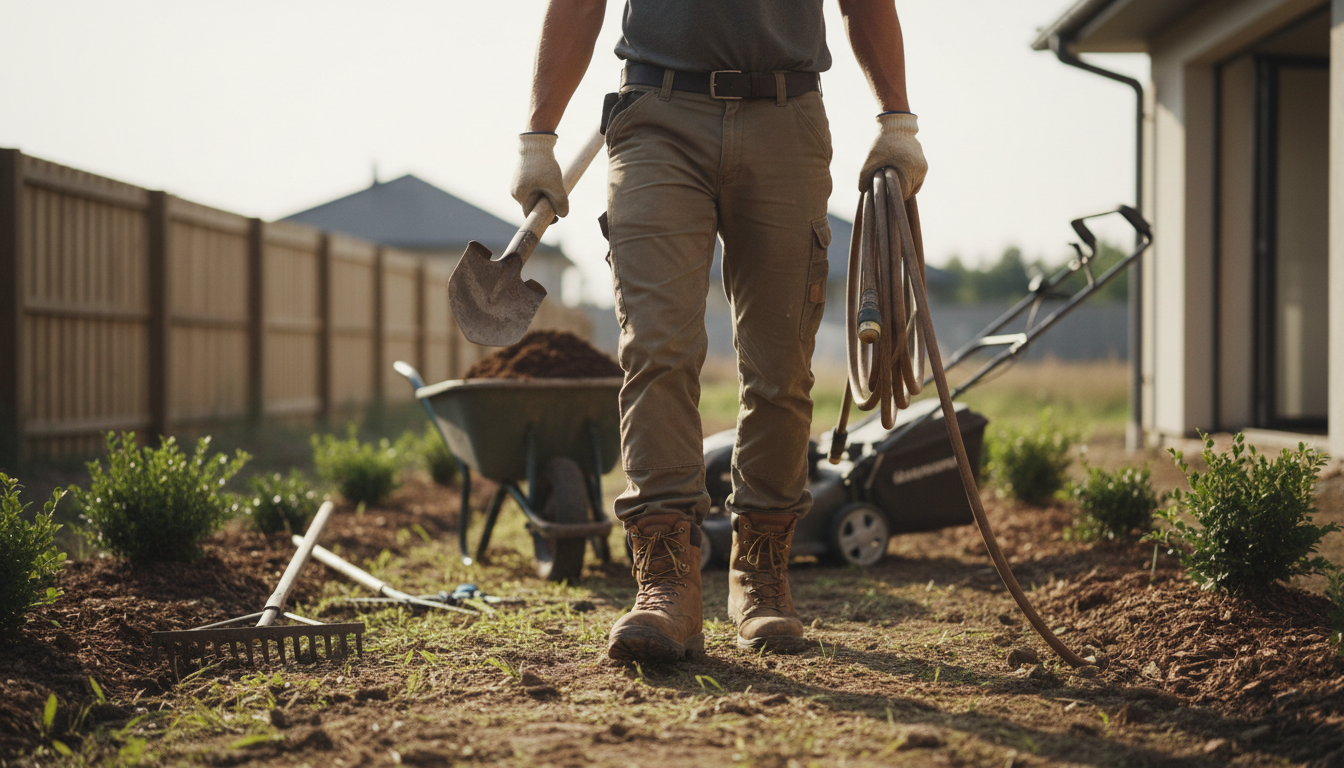
Landscaping and outdoor maintenance work represents one of the most physically demanding professions, requiring workers to spend long hours on their feet while navigating unpredictable terrain filled with hidden hazards. From rusty nails concealed in grass to sharp debris scattered across job sites, these professionals face unique foot safety challenges that standard work boots alone cannot always address. Understanding these risks and implementing proper protective measures, particularly through puncture resistant insoles and steel plate insoles, can mean the difference between a safe workday and a serious injury.
Every year, thousands of landscaping workers suffer preventable foot injuries that result in lost work time, medical expenses, and long-term complications. The outdoor maintenance industry presents a complex array of foot hazards that evolve with each season and job site. This comprehensive guide explores why enhanced foot protection is essential for landscaping professionals and how the right protective equipment can safeguard against career-threatening injuries.
The Unique Foot Hazards Facing Landscaping Professionals
Landscaping and grounds maintenance workers encounter foot hazards that differ significantly from those in traditional indoor work environments. The outdoor nature of their work exposes them to constantly changing conditions and concealed dangers lurking beneath grass, leaves, and soil. Unlike controlled warehouse or construction environments, landscapers must remain vigilant against threats they often cannot see until it’s too late.
Sharp objects represent the most prevalent danger. Broken glass bottles, discarded nails, metal fragments from old fencing, and thorns from pruned vegetation create a minefield of puncture hazards. During spring cleanup operations, workers frequently encounter rusty nails from winter storm damage or hidden construction debris buried under leaf litter. These sharp objects can easily penetrate standard work boot soles, causing painful injuries and potential infections.
Beyond puncture risks, landscaping professionals face additional foot stressors including repetitive impact from operating equipment, prolonged standing on uneven terrain, exposure to extreme temperatures, and contact with chemicals and fertilizers. The combination of these factors creates a challenging environment that demands comprehensive foot protection far beyond what conventional work boots provide.
Common Landscaping Injuries and Their Long-Term Impact
Puncture wounds represent the most serious immediate threat to landscaping workers. When a sharp object penetrates the sole of a boot and enters the foot, the consequences can be severe. These injuries frequently introduce bacteria deep into the tissue, leading to infections that may require antibiotics or even hospitalization. Rusty nails pose particular danger, as they can cause tetanus infections if workers are not properly vaccinated.
The long-term impact of foot injuries extends beyond the initial wound. Workers who suffer puncture injuries often develop chronic pain conditions, nerve damage, or mobility limitations that can end careers prematurely. The financial burden includes medical bills, lost wages during recovery, and potential permanent disability. For self-employed landscapers or small business owners, a serious foot injury can threaten their entire livelihood.
Repetitive stress injuries also plague landscaping professionals. The constant walking, kneeling, and standing on hard or uneven surfaces leads to plantar fasciitis, heel spurs, and joint deterioration. Without proper support from protective insoles and work boot insoles, these conditions progressively worsen, eventually making it impossible to continue working in the field.
Why Standard Work Boots Aren’t Always Enough
Many landscaping workers rely on traditional work boots or steel-toe boots, believing these provide adequate protection. While these boots offer important protection against crushing injuries and some impact resistance, their standard rubber or polyurethane soles often lack sufficient puncture protection. Standard work boot soles typically measure 4-6mm thick, which can be penetrated by sharp nails, glass shards, or metal fragments under the right conditions.
As work boots age, their protective capabilities diminish significantly. The sole material degrades from constant exposure to moisture, chemicals, UV radiation, and physical wear. Small cracks and thin spots develop, creating weak points where puncture hazards can breach the sole. Even premium work boots lose their protective integrity after months of intensive use in harsh landscaping environments.
This reality underscores the critical importance of supplementing standard work boots with additional protection. Steel shank insoles and puncture proof insoles provide an extra defensive layer that remains effective even as the outer boot sole deteriorates. This redundant protection system ensures consistent safety regardless of boot age or condition.
How Puncture Resistant and Steel Plate Insoles Provide Superior Protection
Modern puncture proof shoe inserts utilize advanced materials and engineering to create a virtually impenetrable barrier between the ground and the foot. The most effective designs incorporate flexible steel plates or high-tech composite materials that distribute point pressure across a wider surface area, preventing sharp objects from penetrating through to the foot.
Steel plate shoe inserts work by creating a rigid barrier that deflects sharp objects rather than allowing them to concentrate force at a single point. When a nail or glass shard contacts the steel plate, the force distributes across the entire plate surface, preventing penetration. This technology has been proven in military and industrial applications for decades and is now available in comfortable insole formats suitable for all-day wear.
The key advantages of quality safety boot insoles include:
- Comprehensive puncture protection covering the entire foot sole from heel to toe
- Flexibility that maintains natural foot movement and comfort during extended wear
- Compatibility with existing work boots, eliminating the need to purchase expensive specialized footwear
- Additional arch support and cushioning that reduces fatigue and prevents repetitive stress injuries
- Moisture-wicking properties that keep feet dry and reduce blister formation
- Chemical resistance that protects against fertilizers, pesticides, and other landscaping substances
Essential Features to Look for in Protective Work Insoles
When selecting protective boot insoles for landscaping work, several critical features separate superior products from inadequate alternatives. Understanding these characteristics ensures you invest in protection that truly safeguards against the specific hazards you encounter daily.
First, verify the puncture resistance rating. Quality industrial work insoles should meet or exceed ASTM F2413 standards for puncture resistance, capable of withstanding at least 1,200 newtons of force without penetration. This rating ensures protection against the most common sharp objects encountered in landscaping environments.
Consider these essential features when evaluating options:
- Full-length coverage: The protective plate must extend from heel to toe, eliminating vulnerable gaps where puncture hazards might penetrate.
- Flexibility and comfort: Despite robust protection, insoles should flex naturally with foot movement to prevent fatigue during long work days.
- Shock absorption: Quality cushioning reduces impact stress on joints and prevents chronic pain conditions common among landscaping professionals.
- Moisture management: Breathable materials with antimicrobial properties keep feet dry and prevent fungal infections in hot, humid conditions.
- Proper sizing and fit: Insoles should match your boot size exactly and can be trimmed for perfect customization if necessary.
- Durability for demanding conditions: Materials must withstand constant moisture exposure, temperature extremes, and chemical contact without degrading.
Maximizing Foot Safety: Integrated Protection Strategies
While heavy duty insoles provide essential puncture protection, a comprehensive foot safety strategy for landscaping work incorporates multiple protective elements. The most effective approach combines quality work boots, protective insoles, proper socks, and smart work practices.
Start with well-maintained work boots that fit properly and provide ankle support. Replace boots when the outer sole shows significant wear, cracking, or thinning. Even with protective insoles inside, the outer boot serves as the first line of defense and should remain in good condition.
Pair your boots and construction boot insoles with moisture-wicking socks designed for demanding work environments. Quality work socks prevent blisters, provide additional cushioning, and help regulate foot temperature throughout the day. Change socks during extended shifts to maintain dry conditions that prevent skin breakdown.
Implement smart work practices that minimize foot hazard exposure. Before beginning work in a new area, conduct a brief visual survey for obvious dangers like glass, metal debris, or exposed nails. When operating equipment or performing tasks that generate debris, remain conscious of what’s falling around your feet. These simple awareness habits complement your physical protection and further reduce injury risk.
The ROI of Investing in Quality Protective Insoles
Some landscaping professionals hesitate to invest in premium safety shoe inserts, viewing them as an unnecessary expense. However, when you calculate the true cost of foot injuries versus the modest investment in quality protection, the return on investment becomes undeniable.
Consider the financial impact of a single puncture wound: emergency room visit costs, prescription antibiotics, tetanus shots, follow-up appointments, and lost work time can easily exceed several hundred dollars. Severe infections requiring hospitalization or surgery can cost thousands. Compare this to the one-time investment in quality durable work insoles that provide protection for months or years.
Beyond the financial calculation, consider the intangible value of peace of mind and maintained health. Working confidently without constant worry about hidden foot hazards improves job satisfaction and productivity. Avoiding chronic pain conditions means you can continue pursuing your landscaping career long-term without disability or forced career changes.
For those seeking proven protection specifically designed for the demanding conditions landscaping professionals face daily, explore these puncture resistant steel plate insoles engineered for maximum safety and all-day comfort. These specialized insoles combine military-grade puncture protection with ergonomic design, providing the comprehensive foot safety landscaping workers truly need.
Conclusion: Protecting Your Foundation for a Long, Healthy Career
Your feet represent the foundation of your landscaping career. Every step across rough terrain, every hour spent standing while trimming hedges, and every day navigating hidden hazards takes a toll that accumulates over time. Investing in proper foot protection through quality puncture proof insoles and steel plate insoles isn’t a luxury—it’s an essential component of professional equipment that belongs in every landscaper’s arsenal.
The unique hazards of outdoor maintenance work demand more than standard work boots can provide. Sharp objects, uneven terrain, repetitive stress, and environmental extremes create a perfect storm of foot injury risks that can derail careers and cause lifelong complications. By supplementing your existing footwear with proven protective insoles, you create multiple layers of defense that dramatically reduce injury risk.
Whether you’re a seasoned landscaping professional with decades of experience or just starting your career in grounds maintenance, prioritizing foot protection pays dividends throughout your working life. The modest investment in quality work boot protection preserves your health, maintains your earning capacity, and ensures you can continue doing the outdoor work you love for years to come. Don’t wait until after an injury to take foot safety seriously—protect your foundation today and build a safer, more sustainable career tomorrow.