
Why Ground Conditions Matter More Than Most Workers Realize: The Hidden Impact on Foot Health and Safety
July 13, 2026
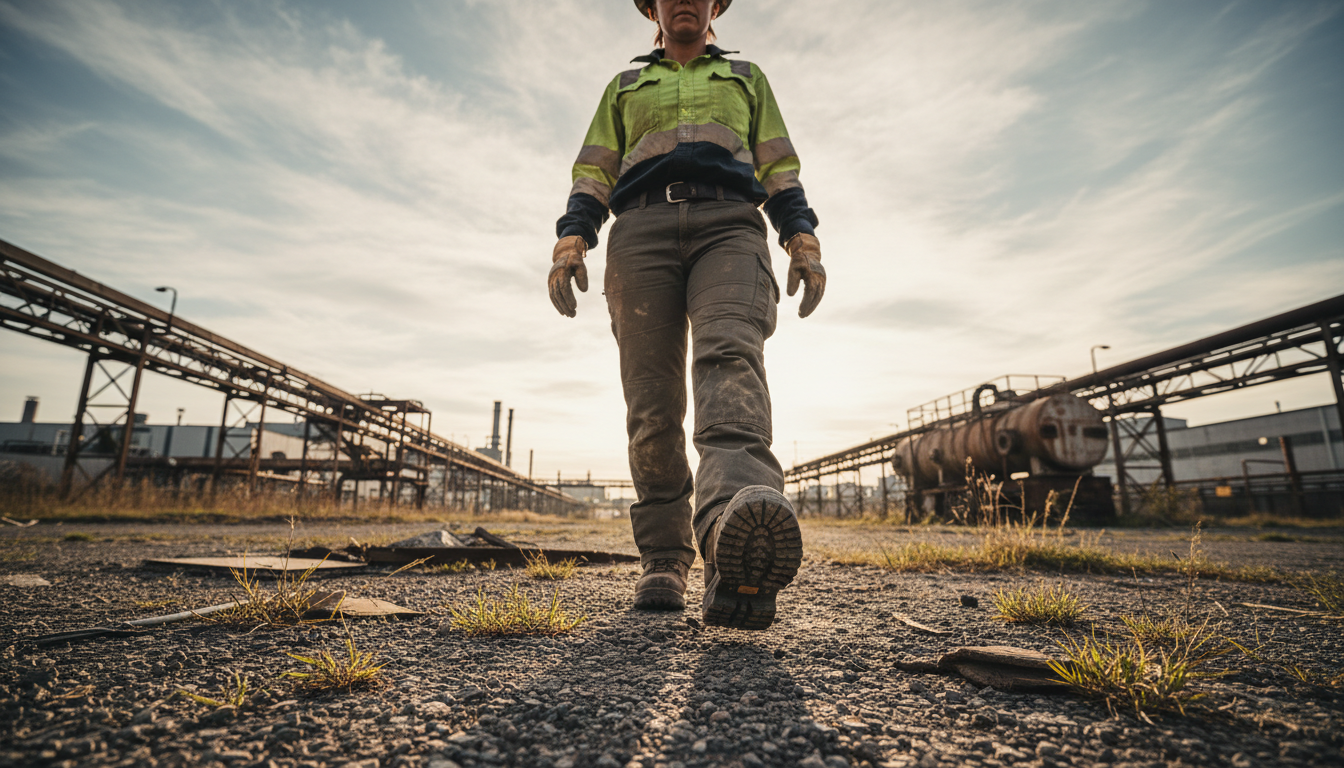
Every day, millions of workers across construction sites, warehouses, manufacturing facilities, and retail environments spend countless hours on their feet. While most focus on proper footwear and occasional rest breaks, there’s a critical factor that often goes overlooked: the ground beneath their feet. The terrain, surface conditions, and debris present in your work environment play a far more significant role in foot health and workplace safety than most people realize.
Understanding how different ground conditions affect your feet, joints, and overall musculoskeletal health is essential for preventing chronic pain conditions and acute injuries. From plantar fasciitis symptoms to shin splints, many common workplace injuries are directly linked to the surfaces workers stand and walk on throughout their shifts. This comprehensive guide explores the hidden dangers lurking underfoot and provides practical solutions to protect your foot health.
The Science Behind Ground Conditions and Foot Health
The human foot is a remarkable biomechanical structure containing 26 bones, 33 joints, and over 100 muscles, tendons, and ligaments. This complex system is designed to absorb shock, maintain balance, and propel us forward. However, when subjected to adverse ground conditions for extended periods, even the most resilient feet can develop serious problems.
When you’re standing all day or walking on uneven, hard, or debris-laden surfaces, your feet must constantly compensate for irregularities. This continuous adaptation creates abnormal stress patterns throughout your lower extremities. The repetitive strain can lead to a cascade of problems including heel pain, ankle pain, and conditions that radiate up through your legs and even into your back.
Research in occupational health has demonstrated that workers on concrete floors experience significantly higher rates of musculoskeletal complaints compared to those on more forgiving surfaces. The impact forces generated with each step on hard surfaces can be up to three times your body weight, and these forces are transmitted directly through your feet, ankles, and knees when proper cushioning and support are absent.
Common Ground Hazards That Threaten Foot Safety
Different work environments present unique ground-related challenges. Recognizing these hazards is the first step toward protecting yourself from injury. Here are the most common surface conditions that contribute to foot problems:
- Concrete and hard flooring: These unforgiving surfaces provide zero shock absorption, leading to repetitive stress injuries, heel spurs, and generalized foot pain
- Uneven terrain: Construction sites and outdoor work areas with irregular surfaces force constant foot adjustments that can cause sprains and chronic instability
- Metal grating and perforated surfaces: Common in industrial settings, these surfaces create pressure points that can lead to foot corns, blisters, and nerve compression
- Debris and sharp objects: Nails, metal shavings, glass, and other puncture hazards pose immediate injury risks while also causing workers to walk abnormally to avoid them
- Wet or slippery surfaces: These conditions force altered gait patterns that strain muscles and tendons, potentially triggering Achilles tendinitis
- Sloped or inclined surfaces: Working on ramps or hills places asymmetric stress on feet and ankles, contributing to overuse injuries
How Poor Ground Conditions Trigger Specific Foot Problems
The connection between ground conditions and specific foot ailments is more direct than many workers realize. Understanding these relationships can help you identify risk factors in your own workplace and take preventive action before minor discomfort becomes chronic pain.
Plantar fasciitis, one of the most common causes of heel pain, develops when the thick band of tissue connecting your heel to your toes becomes inflamed. Hard surfaces combined with inadequate cushioning accelerate this condition, particularly for workers who need the best insoles for walking and standing all day. The repetitive impact on unforgiving ground literally tears microscopic fibers in the plantar fascia with each step.
Shin splints frequently affect workers who traverse hard surfaces regularly, especially when transitioning between different ground types throughout their shift. The constant impact and muscle fatigue from compensating for surface irregularities inflames the muscles, tendons, and bone tissue around your shin. Workers in warehouses who move between concrete floors, metal ramps, and loading docks are particularly susceptible.
Bunions and foot corns develop from pressure and friction, which are exacerbated by uneven surfaces that force your feet into unnatural positions within your footwear. When you’re constantly adjusting your stance to accommodate unstable ground, your toes can become crowded and compressed, accelerating the formation of these painful conditions.
The Ripple Effect: How Ground Conditions Affect Your Entire Body
The impact of poor ground conditions doesn’t stop at your feet. The human body operates as an interconnected kinetic chain, meaning problems at the foundation inevitably affect structures higher up. When your feet are compromised by adverse surfaces, the effects cascade throughout your musculoskeletal system.
Chronic ankle pain often stems from the constant micro-adjustments your ankles make when navigating uneven or unpredictable surfaces. Over time, this leads to weakened ligaments, reduced proprioception (your body’s sense of position), and increased injury risk. Workers who develop ankle instability frequently compensate by altering their gait, which then places abnormal stress on their knees, hips, and lower back.
The alignment issues that begin with poor foot positioning on inadequate surfaces can contribute to knee problems, hip bursitis, and even chronic lower back pain. Many workers seeking treatment for back pain are surprised to learn that the root cause lies in how their feet interact with their work surface. This is why comprehensive solutions must address the ground-foot interface, not just symptoms appearing elsewhere in the body.
Protective Strategies: Orthotics and Specialized Insoles
Given the unavoidable nature of challenging ground conditions in many work environments, protection must come from within your footwear. This is where quality orthotics and specialized insoles become not just beneficial but essential for long-term foot health.
The best insoles for all day standing serve multiple critical functions. They provide cushioning to absorb the repetitive impact forces that hard surfaces transmit to your feet. They offer arch support to maintain proper foot alignment and reduce strain on the plantar fascia. Perhaps most importantly for workers facing debris hazards, specialized insoles can provide puncture resistance to protect against sharp objects penetrating through your work boots.
When selecting insoles for standing all day, consider these essential features:
- Multi-layer cushioning system: Look for insoles that combine firm support with shock-absorbing materials to handle the demands of hard surfaces
- Anatomical arch support: Proper arch support distributes pressure across your entire foot rather than concentrating it at your heel and ball of foot
- Puncture-resistant core: For environments with debris hazards, this feature is non-negotiable for safety
- Moisture-wicking top layer: Keeping feet dry reduces friction and prevents blisters
- Antimicrobial treatment: Prevents odor and fungal growth during long shifts
- Deep heel cup: Provides stability and helps manage conditions like heel spurs and heel pain
For workers in construction, manufacturing, warehousing, and other high-risk environments, investing in premium protective insoles is as important as any other personal protective equipment. If you’re searching for comprehensive foot protection that addresses both comfort and safety concerns, explore these puncture-resistant insoles designed specifically for demanding work environments. These specialized insoles combine safety features with the support characteristics needed for all-day comfort on challenging surfaces.
Practical Workplace Modifications and Habits
While you may not have control over the ground conditions in your workplace, you can implement strategies to minimize their negative impact on your foot health. These practical modifications work synergistically with quality insoles for walking all day to provide comprehensive protection.
First, whenever possible, use anti-fatigue mats in areas where you stand stationary for extended periods. These mats provide a cushioning layer between your feet and hard flooring, significantly reducing the cumulative stress on your lower extremities. If your employer hasn’t provided these in your work area, making a formal request with clear safety justification often yields results.
Second, vary your standing and walking patterns throughout your shift. Even small changes in how you distribute your weight or the routes you take can prevent repetitive stress on the same structures. If you notice you’re favoring one foot or avoiding certain areas due to ground conditions, address this consciously—compensatory patterns often cause more harm than the original problem.
Third, maintain vigilant awareness of your work surface. Clear debris promptly, report damaged flooring or hazardous conditions, and adapt your movements to surface changes. This mindful approach to ground conditions, combined with proper protective equipment, creates multiple layers of defense against foot injuries.
When to Seek Professional Help
Despite preventive measures, some workers will develop foot problems requiring professional intervention. Recognizing when self-care isn’t sufficient can prevent minor issues from becoming chronic conditions that affect your ability to work and enjoy life outside of work.
Seek evaluation from a podiatrist or orthopedic specialist if you experience persistent pain lasting more than two weeks, sudden sharp pain that doesn’t resolve with rest, visible deformities or swelling, numbness or tingling sensations, or difficulty bearing weight on your foot. Early professional intervention for conditions like plantar fasciitis symptoms, Achilles tendinitis, or suspected heel spurs typically results in faster recovery and better long-term outcomes.
A healthcare provider can assess whether custom orthotics might be necessary for your specific foot structure and condition severity. While over-the-counter insoles work excellently for prevention and mild to moderate issues, some cases require the precise correction that only custom-molded devices can provide.
Conclusion: Taking Ground Conditions Seriously
The surface beneath your feet deserves far more attention than it typically receives in workplace safety discussions. Ground conditions—whether hard concrete, uneven terrain, debris-laden surfaces, or slippery flooring—directly influence your risk of developing painful and potentially debilitating foot conditions. From bunions and blisters to shin splints and plantar fasciitis, many common workplace injuries trace back to the ground-foot interface.
Protecting your feet requires a multi-faceted approach: awareness of the specific hazards in your work environment, selection of appropriate protective footwear and insoles, implementation of good workplace habits, and willingness to seek professional help when needed. The investment you make today in proper foot protection—including quality insoles for standing all day—pays dividends in reduced pain, fewer injuries, enhanced productivity, and better quality of life both on and off the job.
Your feet carry you through thousands of steps each workday, absorbing tremendous forces and adapting to constantly changing ground conditions. They deserve the protection, support, and respect necessary to keep you moving comfortably and safely throughout your career. Don’t wait until pain becomes unbearable to take action. Evaluate your work surfaces today, assess your current foot protection, and make the changes necessary to ensure your feet remain healthy and pain-free for years to come.