
Why Foot Comfort Influences Your Entire Workday: The Hidden Connection Between Your Feet and Productivity
July 3, 2026
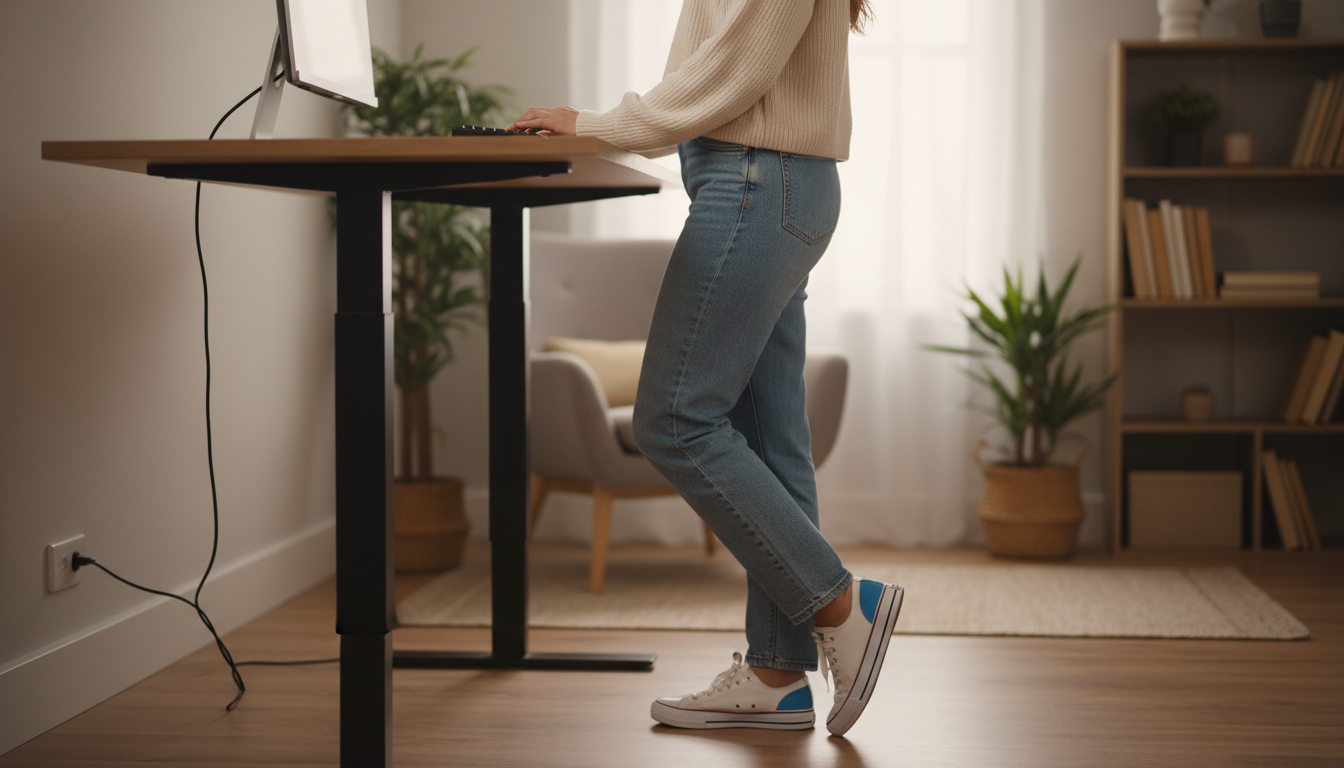
Most people underestimate the profound impact that foot comfort has on their daily performance and overall well-being. Whether you’re standing at a desk, walking between meetings, or simply navigating your workplace, your feet serve as the foundation for everything you do. When your feet hurt, the discomfort doesn’t stay localized—it radiates throughout your entire body, affecting your posture, energy levels, concentration, and ultimately, your productivity.
Understanding the critical relationship between foot health and workplace performance can transform not just your workday, but your quality of life. From managing conditions like plantar fasciitis and neuropathy to addressing common complaints such as pain in ball of foot when walking and ankle pain, the solutions often start from the ground up. In this comprehensive guide, we’ll explore exactly how foot comfort influences every aspect of your workday and what you can do to optimize your foundation for success.
The Biomechanical Chain: How Your Feet Affect Your Entire Body
Your feet are architectural marvels, containing 26 bones, 33 joints, and more than 100 muscles, tendons, and ligaments. This complex structure supports your entire body weight and absorbs the impact of every step you take. When your feet are uncomfortable or improperly supported, it creates a domino effect that travels up through your kinetic chain.
The forefoot, which includes the ball of your foot and toes, bears significant pressure during walking and standing. When this area lacks proper cushioning or support, it can lead to metatarsalgia—commonly experienced as pain in ball of foot when walking. This discomfort forces you to alter your gait unconsciously, which then affects your ankles, knees, hips, and lower back.
Issues with pronation and overpronation further illustrate this connection. Pronation is the natural inward roll of your foot when you walk or run, which helps absorb shock. However, overpronation—when your foot rolls inward excessively—can misalign your entire leg, leading to knee pain, hip discomfort, and even lower back problems. This is why finding the best shoes for back pain often means addressing foot mechanics first.
Common Foot Conditions That Sabotage Your Workday
Several foot conditions can significantly diminish your workplace performance. Recognizing these issues is the first step toward addressing them effectively.
- Plantar Fasciitis: This inflammation of the thick band of tissue running across the bottom of your foot causes stabbing heel pain, especially with your first steps in the morning or after prolonged sitting.
- Neuropathy: Nerve damage in the feet can cause numbness, tingling, burning sensations, and sharp pains that make standing and walking extremely uncomfortable.
- Metatarsalgia: Inflammation and pain in the ball of your foot that worsens with activity and standing on hard surfaces.
- Ankle Instability: Chronic ankle pain or weakness that affects balance and confidence in movement.
- Flat Feet or High Arches: Both conditions can lead to improper weight distribution and inadequate shock absorption.
Each of these conditions demands specific attention. Investing in the best plantar fasciitis shoes or the best shoes for neuropathy isn’t just about foot comfort—it’s about enabling your body to function optimally throughout the day. The right footwear provides targeted support, proper cushioning, and biomechanical alignment that allows you to focus on your work rather than your discomfort.
How Foot Discomfort Drains Your Energy and Focus
Pain is exhausting. When you’re constantly managing foot discomfort, your body is in a perpetual state of stress. This chronic stress response depletes your energy reserves and diverts mental resources away from productive tasks. Studies have shown that people dealing with chronic pain experience reduced cognitive function, difficulty concentrating, and decreased problem-solving abilities.
Think about the last time you wore uncomfortable shoes for an extended period. You likely found yourself distracted, fidgeting, shifting your weight, and counting down the minutes until you could sit down or remove those shoes. This mental distraction creates a significant productivity tax on your workday. Instead of focusing on that important presentation or creative project, your brain is preoccupied with managing discomfort signals.
Furthermore, foot pain often leads to compensatory postures. You might lean to one side, lock your knees, or shift your weight in unnatural ways. These adaptations create muscle tension throughout your body, leading to fatigue in your legs, back, shoulders, and neck. By the end of the day, you feel completely drained—not from your actual work, but from the physical toll of managing discomfort.
Posture, Alignment, and the Workplace Connection
Proper posture begins with proper foot support. When your feet are comfortable and correctly aligned, your body naturally assumes a more balanced, upright position. This alignment reduces strain on your spine, opens your chest for better breathing, and projects confidence—all factors that contribute to workplace success.
Consider these posture-related effects of poor foot comfort:
- Forward Head Posture: Foot discomfort can cause you to look down frequently or lean forward, pulling your head out of alignment and straining your neck muscles.
- Rounded Shoulders: Compensating for foot pain often leads to protective hunching, which compresses your chest and reduces oxygen intake.
- Pelvic Tilt: Improper foot mechanics can rotate your pelvis, creating lower back stress and reducing core stability.
- Knee Hyperextension: To relieve foot pressure, people often lock their knees backward, which strains the joint and reduces circulation.
- Reduced Mobility: Anticipating foot pain makes you move less, decreasing circulation and increasing stiffness throughout your body.
The solution lies in creating a stable, comfortable foundation. Quality footwear with proper arch support, cushioning in key pressure points like the forefoot and heel, and appropriate stability features can dramatically improve your posture. This is particularly important for those who spend long hours on their feet or alternate between sitting and standing throughout the day.
Choosing the Right Support for Your Specific Needs
Not all foot discomfort is created equal, and therefore, not all solutions are universal. Understanding your specific needs is crucial for selecting the right footwear and support systems. Whether you’re dealing with ankle pain, searching for the best shoes for back pain, or need specialized support for conditions like neuropathy, a targeted approach yields the best results.
For those engaged in physical activities outside of work, considerations like hiking sustainability and how tight should trail shoes be become relevant. Trail shoes should fit snugly but not constrictively, allowing your feet to swell slightly during activity without creating pressure points. This same principle applies to work shoes—adequate room in the toe box, secure heel counter, and breathable materials all contribute to day-long comfort.
The concept of recovery trekking—using gentle movement to promote healing and circulation—applies equally to the workplace. Taking short walking breaks, performing simple foot stretches, and wearing supportive footwear all contribute to recovery and prevention of foot problems. Many people also participate in events like a turkey trot (a fun run typically held on Thanksgiving) and discover that their everyday foot comfort directly impacts their ability to enjoy recreational activities.
For maximum benefit throughout your workday, consider incorporating orthotic insoles designed specifically for workplace demands. These inserts provide targeted arch support, enhanced cushioning in high-pressure areas, and biomechanical correction that addresses issues like pronation. If you’re seeking an effective solution to transform your work comfort, explore these work comfort orthotic insoles designed to provide all-day support and relief from common foot problems.
Practical Steps to Improve Foot Comfort at Work
Transforming your foot comfort and, by extension, your entire workday doesn’t require dramatic changes. Small, consistent adjustments can yield remarkable results. Here are actionable strategies you can implement immediately:
Invest in Quality Footwear: Prioritize shoes designed for comfort and support over fashion. Look for features like contoured footbeds, adequate arch support, cushioned midsoles, and appropriate heel height (generally under two inches for all-day wear). For specific conditions, seek out the best plantar fasciitis shoes or best shoes for neuropathy that address your particular needs.
Use Supportive Insoles: Even good shoes can be improved with quality orthotic insoles that provide customized support for your arch type and address specific pressure points. These inserts are particularly beneficial if you experience pain in ball of foot when walking or need extra cushioning for all-day standing.
Incorporate Movement: Static standing or sitting creates circulation problems and increases discomfort. Set reminders to move every 30-45 minutes—walk to a colleague’s desk instead of emailing, take the stairs, or simply march in place for a minute. This promotes blood flow and prevents stiffness.
Stretch Regularly: Simple foot and calf stretches throughout the day maintain flexibility and reduce tension. Try toe curls, ankle circles, calf stretches against a wall, and rolling your foot over a tennis ball or frozen water bottle.
Consider Your Work Surface: If you stand frequently, use an anti-fatigue mat that provides cushioning and encourages subtle movements that improve circulation. If you sit most of the day, use a footrest to maintain proper posture and reduce pressure on your lower back.
The Long-Term Benefits of Prioritizing Foot Health
When you make foot comfort a priority, the benefits extend far beyond immediate pain relief. Over time, you’ll likely notice improved energy levels, better mood, enhanced productivity, and reduced risk of developing chronic conditions. Your body functions as an integrated system—when the foundation is solid, everything built upon it performs better.
Workers who address foot comfort report fewer sick days, greater job satisfaction, and improved overall health markers. The investment in proper footwear, supportive insoles, and ergonomic workplace modifications pays dividends in both professional performance and personal well-being. You’ll find yourself more willing to engage in physical activities after work, whether that’s playing with your children, pursuing fitness goals, or enjoying outdoor activities like hiking.
Prevention is always more effective than treatment. By addressing foot comfort proactively, you reduce your risk of developing chronic conditions that require medical intervention. Issues like plantar fasciitis, chronic ankle pain, and biomechanical problems that lead to knee, hip, and back pain can often be prevented through consistent use of proper footwear and support systems.
Conclusion: Your Foundation for Workplace Success
Your feet are the foundation upon which your entire workday is built. When that foundation is unstable, painful, or improperly supported, every aspect of your performance suffers—from your physical energy and posture to your mental focus and productivity. Conversely, when your feet are comfortable and well-supported, you’re free to direct your full attention and energy toward meaningful work and meaningful life.
Addressing foot comfort isn’t a luxury—it’s a necessity for anyone who wants to perform at their best. Whether you’re managing specific conditions like plantar fasciitis or neuropathy, dealing with general discomfort from prolonged standing or walking, or simply seeking to optimize your workplace wellness, the solution begins with your feet. Invest in quality footwear, incorporate supportive insoles, stay active throughout the day, and listen to your body’s signals.
The connection between foot comfort and workplace success is undeniable. By taking proactive steps to support your feet, you’re not just eliminating pain—you’re unlocking your full potential for productivity, creativity, and professional achievement. Make foot health a priority today, and experience the transformative impact it has on every aspect of your workday and beyond.