
Why Balance Training Starts from the Ground Up: How Foot Stability Enhances Athletic Performance and Prevents Injury
June 18, 2026
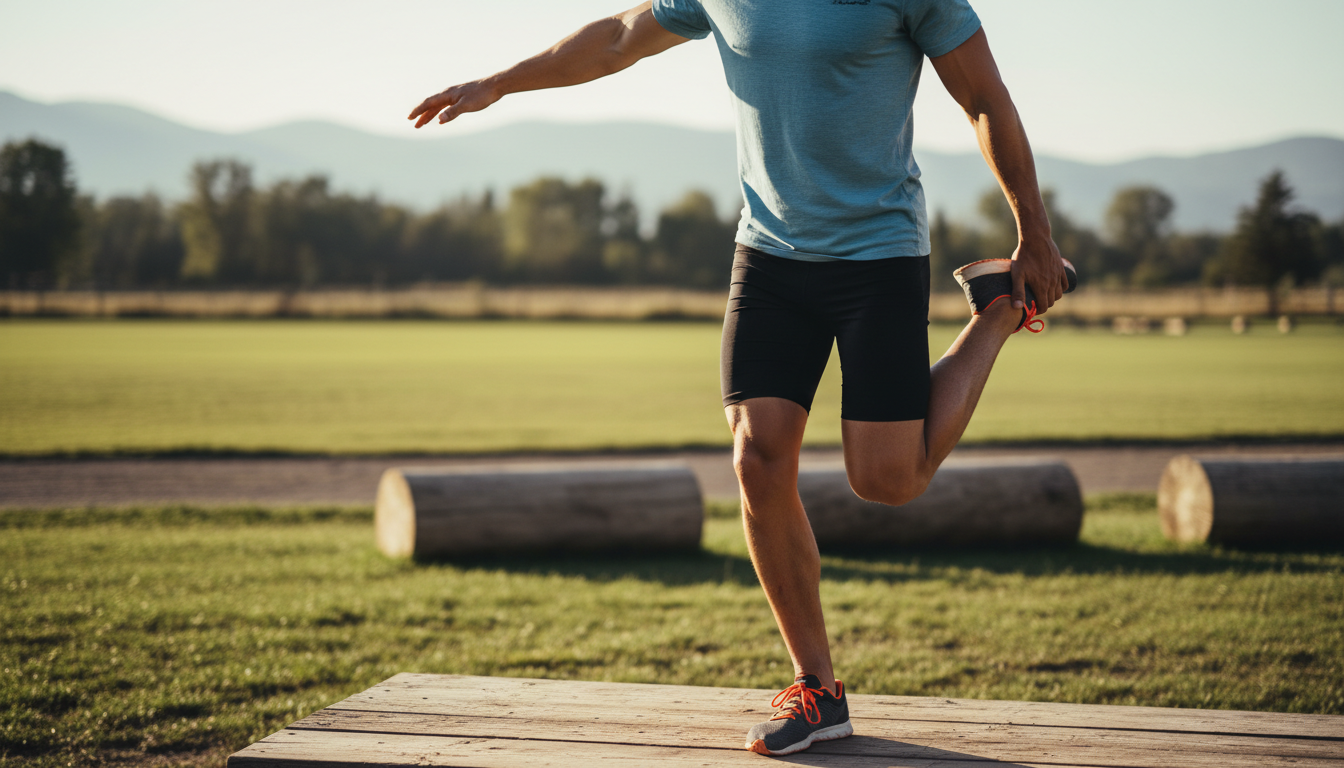
Balance is the foundation of every athletic movement, from sprinting down a soccer field to executing a perfect rally in pickleball. Yet many athletes overlook the critical starting point of balance training: the feet. Your feet are your body’s first point of contact with the ground, and their stability directly influences your overall balance, coordination, and injury prevention. Understanding how foot health contributes to athletic control can transform your performance and protect you from common sports injuries.
Whether you’re dealing with plantar fasciitis, neuropathy, or general foot discomfort, the right foundation starts with proper foot support. This article explores the science behind ground-up balance training and how investing in the right footwear and support systems can dramatically improve your athletic performance while reducing pain and injury risk.
The Science Behind Foot Stability and Balance Control
Your feet contain approximately 26 bones, 33 joints, and over 100 muscles, tendons, and ligaments working together to provide stability and proprioception. Proprioception is your body’s ability to sense its position in space, and it starts with sensory receptors in your feet. When these receptors send accurate signals to your brain, your body can make micro-adjustments to maintain balance during movement.
When foot stability is compromised due to pain, improper footwear, or biomechanical issues, the entire kinetic chain suffers. This can lead to compensatory movements that increase stress on ankles, knees, hips, and even the lower back. For athletes, this cascade effect often results in soccer injuries and other soccer sports injuries that could have been prevented with proper foot support.
Research shows that athletes with better foot stability demonstrate superior balance control, faster reaction times, and reduced injury rates. The connection is clear: strengthening and supporting your feet is not optional—it’s essential for peak athletic performance.
Common Foot Conditions That Compromise Athletic Balance
Several foot conditions can significantly impair your balance and athletic control. Understanding these issues is the first step toward addressing them effectively.
Plantar Fasciitis: The Balance Disruptor
Plantar fasciitis is one of the most common foot conditions affecting athletes and active individuals. This inflammatory condition affects the plantar fascia, a thick band of tissue running along the bottom of your foot. The resulting heel and arch pain can alter your gait pattern, forcing you to shift weight unnaturally and compromising your balance. Finding the best shoe for plantar fasciitis or investing in quality plantar fasciitis shoes for men becomes crucial for maintaining proper foot mechanics.
Neuropathy and Sensory Loss
Peripheral neuropathy reduces sensation in the feet, making it difficult to detect ground texture, temperature, or pressure changes. This sensory loss directly impacts proprioception and balance control. Specialized shoes for neuropathy with enhanced cushioning and structured support can help compensate for reduced sensory feedback.
Arch Problems and Overpronation
Flat feet, high arches, or overpronation create instability at the foundation of your kinetic chain. Without proper arch support, your feet cannot effectively distribute force during movement, leading to balance issues and increased injury risk. The best arch support shoes for plantar fasciitis address these biomechanical concerns while providing the stability needed for athletic activities.
How Footwear Choice Impacts Balance and Performance
Not all athletic footwear is created equal when it comes to supporting balance training. The right shoes serve multiple critical functions that directly enhance stability and control.
Key features to look for in supportive shoes for foot pain include:
- Adequate arch support that matches your foot type
- Cushioning that absorbs impact without sacrificing ground feel
- A stable heel counter that prevents excessive rear foot motion
- Flexible forefoot that allows natural toe movement
- Appropriate width to prevent compression and toe pain
- Quality materials that provide both support and breathability
For athletes engaged in lateral movements, such as tennis or pickleball (where a rally ends when one team faults in pickleball), stability features become even more critical. The rapid direction changes demand footwear that keeps your feet securely positioned while allowing responsive movement.
The Role of Insoles in Ground-Up Balance Training
Even the best athletic shoes can benefit from enhanced insole technology. Quality insoles provide targeted support, improve shock absorption, and optimize foot positioning within the shoe. For athletes dealing with foot pain or seeking to prevent injury, upgrading to specialized insoles can be transformative.
Sport-specific insoles designed with shock-absorbing technology help maintain proper foot alignment during high-impact activities. They reduce the cumulative stress on your feet, ankles, and knees while enhancing proprioceptive feedback. If you’re serious about improving your balance from the ground up, consider exploring premium shock-absorbing insoles designed for athletic performance and comfort that provide the foundation your feet need for optimal stability.
Building a Comprehensive Ground-Up Balance Training Program
Once you’ve addressed footwear and support, implementing specific balance exercises will further enhance your stability and athletic control. A progressive training approach yields the best results.
- Start with static balance exercises: Practice standing on one foot for 30-60 seconds, progressing to eyes-closed variations as your stability improves.
- Progress to dynamic movements: Incorporate single-leg squats, lunges, and step-ups that challenge your balance while building strength.
- Add unstable surfaces: Use balance boards, foam pads, or BOSU balls to increase proprioceptive demands.
- Integrate sport-specific drills: Practice balance during movements that mimic your athletic activities, such as pivoting, cutting, or reaching.
- Include barefoot training: Controlled barefoot exercises on safe surfaces strengthen intrinsic foot muscles and enhance sensory feedback.
- Maintain consistency: Dedicate 10-15 minutes daily to balance training for optimal adaptation and improvement.
Preventing Common Sports Injuries Through Foot Stability
Many sports injuries stem from poor foot mechanics and inadequate balance control. Soccer players, for instance, frequently experience ankle sprains, ACL tears, and knee injuries—many of which could be prevented with better foot stability and proprioceptive training.
When your feet provide a stable foundation, your body can execute movements more efficiently and safely. The proper alignment reduces abnormal stress on joints and connective tissues throughout the lower body. Wearing appropriate shoes for plantar fasciitis men or sneakers for plantar fasciitis that provide necessary support helps maintain this alignment during training and competition.
Additionally, addressing foot pain proactively prevents the compensatory movement patterns that often lead to secondary injuries. Athletes who ignore foot discomfort frequently develop problems in other areas as their bodies attempt to avoid pain through altered mechanics. Investing in comfortable shoes for toe pain and other foot-specific solutions protects your entire kinetic chain.
Integrating Foot Care Into Your Athletic Routine
Balance training from the ground up requires ongoing attention to foot health and care. Incorporate these practices into your regular routine:
Perform daily foot mobility exercises, including toe spreads, ankle circles, and arch doming, to maintain flexibility and strength in your feet’s intrinsic muscles. These simple movements take only minutes but significantly impact foot function and balance control.
Schedule regular assessments of your footwear condition. Athletic shoes lose their supportive properties over time, typically requiring replacement every 300-500 miles of use. Don’t wait until shoes are visibly worn—internal cushioning and support structures degrade before external signs appear.
Listen to your feet. Pain is a signal that something needs attention. Whether you need different shoes for plantar fasciitis or should consult a healthcare professional about persistent discomfort, addressing issues early prevents them from escalating into serious injuries that sideline your athletic pursuits.
Conclusion: Building Athletic Excellence from the Foundation
Balance training truly starts from the ground up. Your feet serve as the critical foundation for all athletic movement, and their stability directly influences your performance, injury risk, and long-term athletic longevity. By understanding the connection between foot health and balance control, you can make informed decisions about footwear, support systems, and training approaches.
Whether you’re managing plantar fasciitis, neuropathy, or simply seeking to enhance your athletic performance, prioritizing foot stability pays dividends across all aspects of movement. Invest in quality supportive shoes for foot pain, consider specialized insoles for enhanced shock absorption and alignment, and dedicate time to targeted balance exercises that strengthen your foundation.
Remember that every step, jump, and pivot starts with your feet. Give them the attention, support, and care they deserve, and you’ll build the stable foundation necessary for athletic excellence. The ground-up approach to balance training isn’t just a training philosophy—it’s a comprehensive strategy for optimizing performance, preventing injuries like common soccer sports injuries, and enjoying your athletic pursuits for years to come.