
Why Airport and Airline Employees Often Develop Foot Fatigue: The Hidden Cost of Aviation Jobs
August 29, 2026
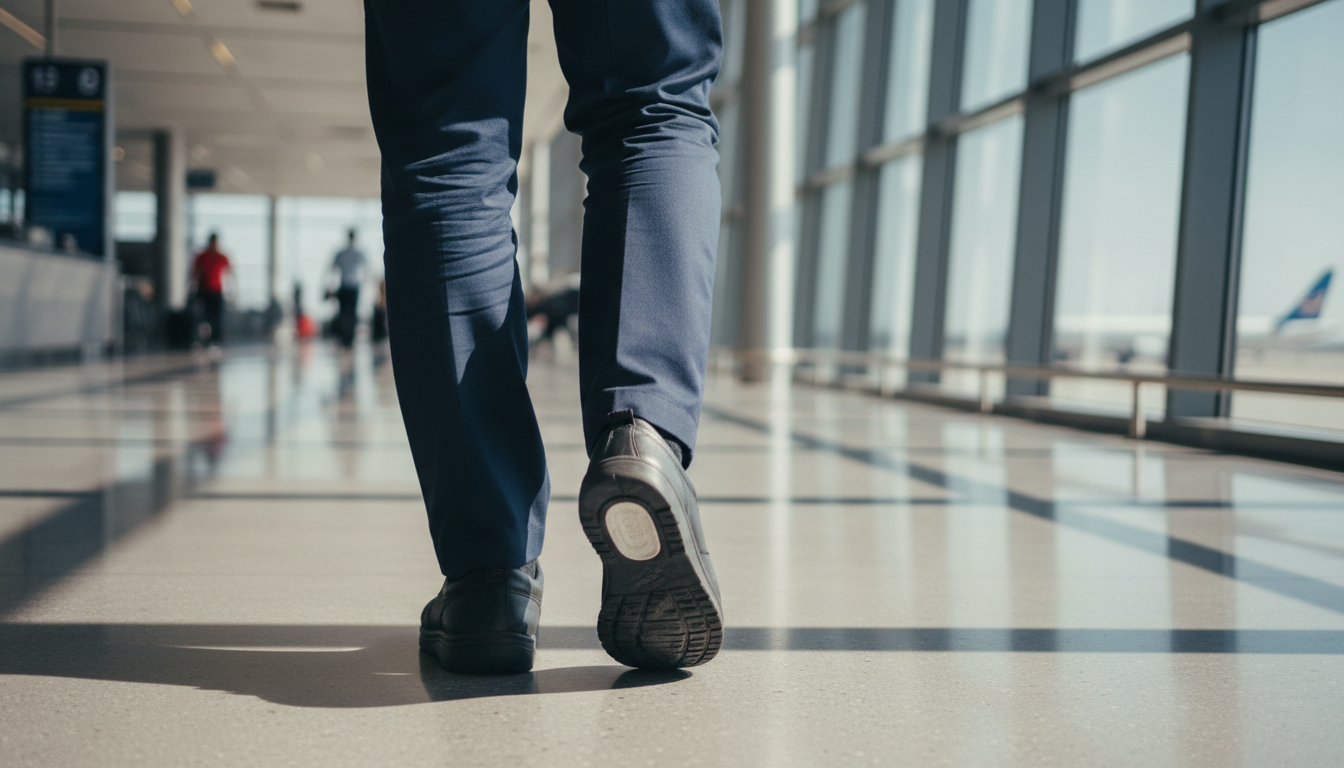
Behind every smooth flight and seamless airport experience stands an army of dedicated aviation workers whose feet bear the brunt of their demanding roles. From gate agents and baggage handlers to flight attendants and ground crew members, airport and airline employees face unique physical challenges that take a serious toll on their lower extremities. Understanding why these professionals commonly develop foot fatigue is essential not only for those working in the industry but also for anyone whose job demands extensive standing, walking, and constant movement on unforgiving surfaces.
The aviation industry operates around the clock, and the employees who keep it running rarely have the luxury of sitting down during their shifts. This article explores the specific factors that contribute to foot fatigue among airport and airline workers and provides practical solutions to help mitigate these occupational hazards. Whether you’re a seasoned aviation professional or considering a career in this fast-paced field, recognizing these challenges is the first step toward protecting your foot health for the long term.
The Demanding Nature of Aviation Work Environments
Airport and airline employees operate in one of the most physically demanding work environments imaginable. Unlike office workers who can take breaks at their desks or retail employees who might have occasional slow periods, aviation professionals are constantly on the move throughout their entire shift. Gate agents rush between terminals to manage flight departures, baggage handlers load and unload countless pieces of luggage, and flight attendants navigate narrow aisles while providing passenger service at 30,000 feet.
The sheer scope of modern airports compounds these challenges. Major international hubs can span millions of square feet, requiring employees to walk several miles during a single shift. Ground crew members often cover the equivalent of a half-marathon daily while performing their duties across sprawling tarmacs and terminal buildings. This constant movement on concrete floors and other hard surfaces creates repetitive impact stress that accumulates throughout the workday, leading to significant foot fatigue and discomfort.
The time pressure inherent in aviation operations adds another layer of physical demand. Tight turnaround schedules mean employees must move quickly and efficiently, often breaking into a jog or run to meet deadlines. This rapid pace prevents the natural rest periods that might otherwise allow feet to recover during the workday, creating a perfect storm for developing chronic foot problems.
How Concrete and Hard Surfaces Impact Foot Health
One of the most significant contributors to foot fatigue among airport and airline workers is the unforgiving nature of the surfaces they traverse daily. Airport terminals, hangars, and tarmacs are primarily constructed from concrete and similar hard materials chosen for durability and safety rather than worker comfort. Unlike softer surfaces that provide natural cushioning and shock absorption, these rigid floors transmit the full force of each step directly into the feet, ankles, and legs.
When employees spend eight to twelve hours walking and standing on these surfaces, the cumulative impact becomes substantial. The plantar fascia—the thick band of tissue running along the bottom of the foot—endures constant tension without adequate cushioning. This repetitive stress can lead to inflammation, pain, and conditions like plantar fasciitis that plague many aviation workers. The lack of shock absorption also forces the feet to work harder to maintain stability and balance, accelerating muscle fatigue throughout the lower extremities.
The problem intensifies for workers who must frequently transition between different surface types, such as moving from carpeted terminal areas to polished tile floors to outdoor concrete. These variations require constant adjustment in gait and foot positioning, preventing the feet from settling into any comfortable rhythm and increasing overall fatigue levels.
The Role of Prolonged Standing in Aviation Jobs
Many airport positions require employees to remain standing in relatively stationary positions for extended periods. Ticket counter agents, security personnel, and customer service representatives often spend hours at their posts with minimal opportunity for movement. This prolonged standing presents its own set of challenges distinct from the issues faced by workers who are constantly walking.
When standing in place, blood circulation in the lower extremities becomes restricted, leading to swelling, discomfort, and that heavy, achy feeling familiar to anyone who works on their feet. The static muscle contractions required to maintain an upright posture become exhausting over time, particularly for the intrinsic muscles of the feet and the larger muscles of the calves and legs. Without the pumping action that walking provides to help return blood to the heart, fluid accumulates in the feet and ankles, contributing to end-of-shift swelling that many aviation workers experience.
Research consistently shows that jobs requiring prolonged standing are associated with higher rates of musculoskeletal disorders, including foot pain, lower back problems, and varicose veins. For airport employees, the combination of standing and walking throughout their shifts creates a particularly challenging scenario that demands proper footwear and support to prevent long-term health consequences.
Constant Turning, Twisting, and Direction Changes
Beyond walking and standing, aviation workers must frequently execute rapid directional changes, turns, and pivoting movements as they navigate crowded terminals, maneuver around equipment, and respond to urgent operational needs. Baggage handlers twist their bodies while lifting luggage, flight attendants pivot in confined galley spaces, and gate agents turn repeatedly to access computers, printers, and boarding equipment.
These rotational movements place significant stress on the feet, particularly the arches and the muscles that stabilize the ankles. Each twist and turn requires the foot to maintain balance while the body changes direction, engaging smaller stabilizing muscles that can quickly become fatigued. Over the course of a shift involving hundreds or thousands of these movements, the cumulative strain contributes substantially to overall foot fatigue and increases the risk of acute injuries like ankle sprains.
The unpredictable nature of airport work means employees cannot anticipate these movements or prepare their feet for the stress. Sudden needs to change direction to avoid passengers, respond to emergencies, or access different work areas keep aviation workers constantly off-balance, preventing their feet from ever fully relaxing into a comfortable, sustainable movement pattern.
Common Foot Problems Affecting Aviation Professionals
The demanding conditions of airport and airline work lead to a predictable set of foot health issues that affect workers across all aviation sectors. Understanding these common problems helps employees recognize warning signs and take preventive action before minor discomfort escalates into chronic conditions requiring medical intervention.
- Plantar fasciitis: Inflammation of the thick tissue band along the bottom of the foot, causing sharp heel pain especially during the first steps of the day
- Metatarsalgia: Pain and inflammation in the ball of the foot resulting from repetitive impact on hard surfaces
- Heel spurs: Calcium deposits that develop on the heel bone due to prolonged stress on foot muscles and ligaments
- Achilles tendinitis: Inflammation of the tendon connecting the calf muscle to the heel, often resulting from overuse and inadequate support
- Arch collapse: Flattening of the foot’s natural arch structure due to insufficient support during prolonged standing and walking
- Morton’s neuroma: Thickening of tissue around nerves between the toes, causing burning pain and numbness
- Peripheral edema: Swelling in the feet and ankles caused by prolonged standing and poor circulation
Many aviation workers dismiss early symptoms as simply part of the job, but this resignation can lead to progressive conditions that eventually make it difficult or impossible to continue working. The good news is that most of these problems are preventable or manageable with proper footwear choices and the right support systems.
Solutions: Protecting Your Feet in Aviation Careers
While the physical demands of airport and airline work cannot be eliminated, aviation employees can take proactive steps to significantly reduce foot fatigue and prevent long-term damage. Implementing these strategies can make the difference between ending each shift in pain or maintaining comfort and energy throughout your career.
- Invest in quality footwear: Choose shoes specifically designed for extended standing and walking with adequate cushioning, stability features, and proper fit. Avoid fashion-forward styles that sacrifice support for appearance.
- Use professional-grade insoles: Standard shoe insoles rarely provide sufficient support for the demands of aviation work. Premium work boot insoles and orthotic insoles for work can dramatically reduce impact stress and provide the arch support necessary for all-day comfort.
- Replace worn footwear promptly: Even the best work shoes lose their supportive properties over time. Replace shoes every six months or when you notice decreased cushioning or visible wear patterns.
- Practice foot exercises: Simple stretches and strengthening exercises performed before, during, and after shifts can improve foot flexibility and resilience. Focus on calf stretches, toe curls, and ankle rotations.
- Utilize break times effectively: When breaks allow, elevate your feet to reduce swelling and promote circulation. Even a few minutes of elevation can provide significant relief.
- Maintain healthy body weight: Every extra pound places additional stress on your feet. Maintaining a healthy weight reduces the cumulative impact of standing and walking throughout your career.
- Consider compression socks: Medical-grade compression hosiery can improve circulation and reduce swelling during long shifts, particularly for workers who stand in relatively stationary positions.
The Critical Importance of Proper Insole Support
Among all the preventive measures available to aviation workers, upgrading to professional-quality insoles represents perhaps the most cost-effective and immediately impactful solution for combating foot fatigue. Standard insoles that come with most work shoes provide minimal support and cushioning, quickly compressing under the constant demands of airport work. In contrast, specialized insoles for standing all day are engineered to maintain their supportive properties throughout extended shifts and over months of daily use.
High-quality insoles for foot fatigue incorporate multiple layers of advanced materials that work together to address the specific challenges faced by aviation employees. Shock-absorbing gel or foam layers reduce the impact forces transmitted through feet during walking on hard surfaces, while structured arch support components prevent the foot collapse that leads to pain and fatigue. Deep heel cups stabilize the foot and distribute pressure evenly, reducing strain on the plantar fascia and preventing heel pain.
The benefit of proper insoles extends beyond immediate comfort. By improving foot alignment and reducing abnormal stress patterns, quality supportive work insoles help prevent the development of chronic conditions that could otherwise end careers prematurely. Many aviation workers report that upgrading their insoles allowed them to work full shifts without the debilitating foot pain they had previously accepted as inevitable.
For airport and airline employees seeking relief from foot fatigue, investing in premium insoles designed specifically for demanding occupational environments is essential. Products engineered with medium arch support insoles technology provide the balanced support that accommodates most foot types while delivering all-day comfort on unforgiving surfaces. Whether you need insoles for work shoes, specialized comfortable work boot insoles, or everyday orthotic insoles that transition seamlessly between work and personal time, choosing products designed for professionals who spend their entire day on their feet makes a measurable difference in both immediate comfort and long-term foot health.
If you’re ready to experience the difference that professional-grade foot support can make in your aviation career, explore these highly-rated orthotic insoles designed specifically for workers who face the same challenges you do every day. Engineered with the same technology trusted by warehouse workers, nurses, and other professionals who understand the demands of concrete floors and constant movement, these insoles provide the arch support for work shoes and comprehensive cushioning that aviation workers need to maintain comfort and health throughout their careers.
Conclusion: Taking Foot Health Seriously in Aviation Careers
Foot fatigue among airport and airline employees isn’t simply an inconvenience—it’s a serious occupational health issue that affects quality of life both on and off the job. The unique combination of prolonged standing, constant walking on hard surfaces, frequent directional changes, and time-pressured environments creates conditions that inevitably lead to foot problems without proper preventive measures. Understanding these challenges is the first step toward protecting yourself from the chronic conditions that affect far too many aviation workers.
The physical demands of aviation careers won’t change, but your response to them can. By investing in proper footwear, utilizing professional-grade insoles for walking all day, and implementing the protective strategies outlined in this article, you can significantly reduce foot fatigue and prevent the progressive damage that forces many workers to leave jobs they love. The feet that carry you through thousands of miles of airport terminals each year deserve the same attention and care you give to other essential aspects of your professional life.
Whether you’re a veteran aviation professional dealing with existing foot pain or someone new to the industry who wants to prevent problems before they start, taking foot health seriously today will pay dividends throughout your entire career. Your feet are the foundation of your ability to perform your job effectively—protect them with the support they need, and they’ll continue supporting you for years to come. The solutions exist; the question is whether you’ll prioritize your foot health before minor discomfort becomes a career-limiting condition.