
Why Agility and Speed Start with Your Feet: The Critical Role of Shock Absorbing Insoles in Athletic Performance
February 27, 2026
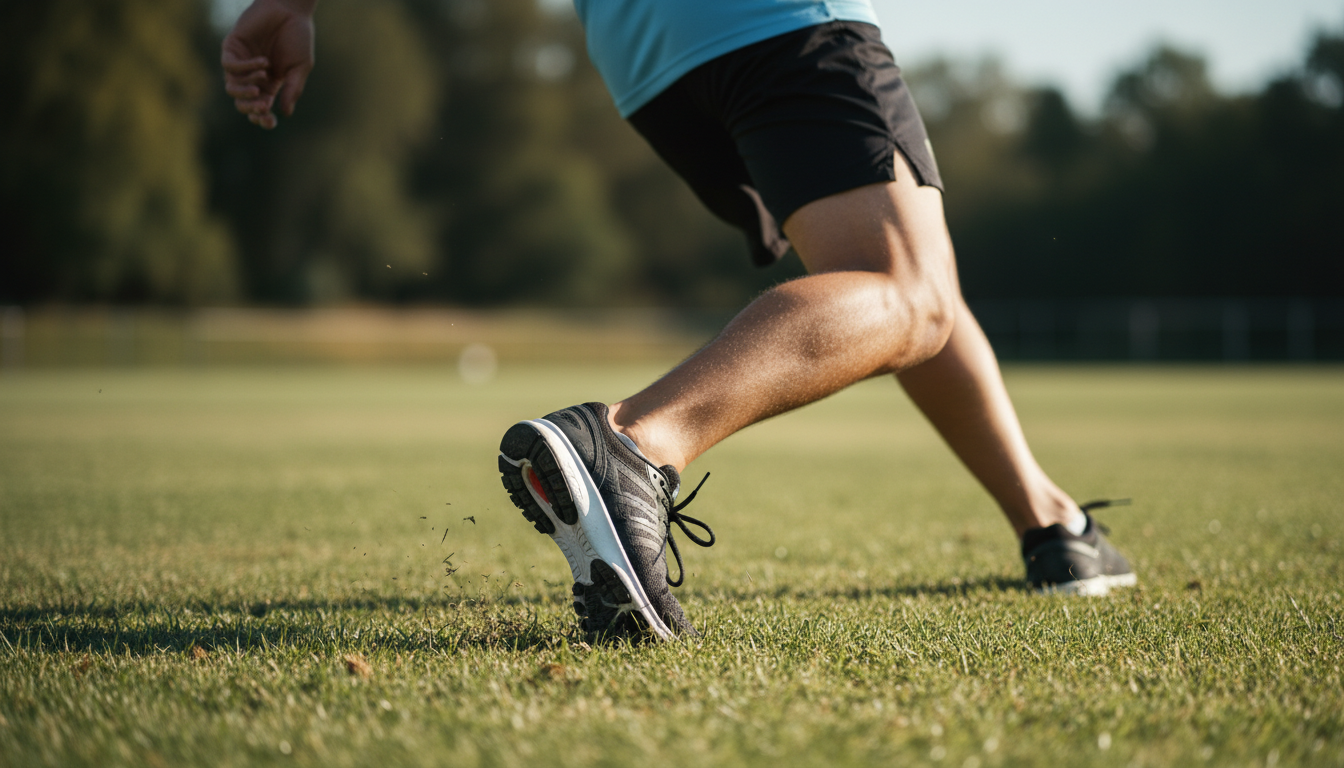
In the competitive world of sports, athletes are constantly seeking that extra edge to enhance their performance. While training regimens, nutrition plans, and mental preparation are widely discussed aspects of athletic development, one crucial element often remains overlooked: foot stability. The foundation of every explosive movement, directional change, and burst of speed begins where your body meets the ground. Today, we’re diving deep into why agility and speed truly start from the ground up, and how the right support can transform your athletic performance.
The Biomechanics of Athletic Movement: It All Begins with Your Feet
The human foot is an engineering marvel, comprising 26 bones, 33 joints, and over 100 muscles, tendons, and ligaments. During athletic movements, these components work in harmony to provide stability, absorb impact, and generate propulsive force. Every time you cut, sprint, or jump, a complex chain of biomechanical events occurs – and it all starts at the foot.
When you change direction rapidly, your foot must first provide a stable base to push off from. This stability comes from proper alignment of the foot’s arch structures and the engagement of intrinsic foot muscles. Without this foundation, power leaks occur throughout the kinetic chain, resulting in decreased performance and increased injury risk.
Research from the Journal of Sports Sciences indicates that foot stability can impact ground reaction forces by up to 25% during directional changes. This translates directly to speed and agility metrics that matter on the field, court, or track. Athletes with greater foot stability demonstrate:
- Faster acceleration in the first 10 meters of sprints
- More efficient energy transfer during cutting maneuvers
- Reduced ground contact time during high-speed running
- Greater deceleration control when changing directions
- Improved balance during single-leg athletic movements
The Impact Problem: Why Your Standard Athletic Footwear Isn’t Enough
Modern athletic footwear has made tremendous advances in recent decades, yet many designs prioritize cushioning over stability or fail to address the unique biomechanical needs of individual athletes. Standard insoles that come with athletic shoes are often designed for the average foot, offering generic support that may not optimize your specific movement patterns.
During high-intensity activities, the forces exerted on your feet can reach up to 2-3 times your body weight. For a 180-pound athlete, that means each foot might absorb over 500 pounds of force with every stride. These impacts accumulate throughout practice and competition, potentially leading to:
- Micro-traumas in foot structures that reduce responsiveness
- Premature fatigue in foot and lower leg muscles
- Compensatory movement patterns that decrease efficiency
- Increased stress on joints throughout the kinetic chain
- Delayed recovery between training sessions
This is where specialized shock absorbing insoles make a critical difference. Unlike standard insoles, performance-oriented options like CRUVHEAL Sport Shock Absorbing Insoles are engineered specifically to enhance stability while managing the extreme forces experienced during athletic movements.
The Science Behind Sports Insoles: Enhancing Performance from the Ground Up
Athletic performance insoles work through several key mechanisms that directly impact agility and speed. First, they provide anatomically-correct arch support that maintains optimal foot positioning. This support ensures that the foot’s natural shock-absorbing structures function as intended, while also creating a solid platform for force generation.
Second, quality sports insoles incorporate advanced materials that absorb impact forces without sacrificing responsiveness. This dual capability is crucial – too much cushioning can actually reduce proprioception (your awareness of foot position) and delay reaction time, while too little protection accelerates fatigue and increases injury risk.
Third, properly designed running insoles for men help distribute pressure evenly across the foot during dynamic movements. This pressure distribution is particularly important during cutting maneuvers, where forces concentrate on specific areas of the foot. By spreading these forces, specialized insoles reduce hotspots that can cause discomfort and distraction during competition.
A study published in the International Journal of Sports Physical Therapy found that athletes using performance insoles demonstrated a 17% improvement in change-of-direction test times compared to those using standard insoles. This improvement was attributed to enhanced proprioceptive feedback and improved force application through the foot.
Sport-Specific Considerations: Why Football Players Need Specialized Cleat Insoles
Different sports place unique demands on the feet, and nowhere is this more evident than in football. The combination of explosive acceleration, sudden stops, lateral cuts, and physical contact makes football particularly challenging for foot structures. Football cleats, while designed for traction, often lack adequate internal support.
Football cleat insoles for men address several sport-specific concerns:
- They provide forefoot cushioning to absorb impact during cutting maneuvers
- They stabilize the midfoot during explosive push-offs
- They support the heel during deceleration and backward movement
- They help maintain cleat position to maximize traction
- They reduce internal foot slippage that can cause blisters and hot spots
NFL performance data has shown that players who incorporate specialized cleat insoles into their equipment regimen demonstrate improved acceleration metrics and reduced fatigue markers in the fourth quarter. The difference is particularly notable in skill position players who rely on repeated change-of-direction movements throughout games.
The Injury Prevention Factor: How Proper Foot Support Extends Athletic Careers
Beyond immediate performance benefits, the long-term advantages of using shock absorbing insoles cannot be overstated. Athletes who provide proper support for their feet experience fewer overuse injuries throughout their careers. This preventive effect stems from several factors:
When foot mechanics are optimized, stress is distributed more evenly throughout the kinetic chain. This reduces the likelihood of compensatory issues developing in the ankles, knees, hips, and lower back. Many athletes are surprised to discover that chronic knee pain or hip discomfort can actually originate from suboptimal foot positioning during dynamic movements.
Additionally, quality sports insoles help manage fatigue by reducing the workload on intrinsic foot muscles and lower leg stabilizers. As fatigue accumulates, movement patterns deteriorate, increasing injury risk. By supporting these structures, specialized insoles help maintain proper biomechanics even during extended periods of activity.
Statistical analysis from collegiate athletic programs has shown that teams implementing comprehensive foot support protocols experience up to 28% fewer lower extremity non-contact injuries over the course of a season. For professional athletes, this injury prevention aspect alone provides sufficient return on investment for quality foot support.
Choosing the Right Insoles: What Athletes Should Look For
When selecting insoles to enhance your agility and speed, several key factors should guide your decision:
- Sport-specific design – Look for insoles engineered for your primary activity, whether that’s running, football, basketball, or general training
- Impact absorption technology – Quality insoles should incorporate materials that manage forces without bottoming out during intense movements
- Stability features – Deep heel cups, arch support, and forefoot stability elements are essential for maintaining proper foot position
- Moisture management – Performance can suffer when feet become slippery due to sweat accumulation
- Durability – Insoles should maintain their supportive properties throughout a full season of use
The CRUVHEAL Sport Shock Absorbing Insoles excel in these categories, offering a combination of high-performance features that address the specific needs of athletes. Their multi-layer design provides targeted support to different regions of the foot, while their shock-absorbing materials help manage the extreme forces encountered during rapid directional changes.
Implementation Strategy: Integrating New Insoles Into Your Training Regimen
Adding new insoles to your athletic footwear isn’t simply a matter of swapping them in on game day. For optimal results, follow this progressive integration approach:
Begin by wearing your new sports insoles during low-intensity activities to allow your feet to adapt to the different support profile. This accommodation period typically takes 7-10 days, during which you may notice subtle changes in muscle recruitment patterns throughout your lower extremities.
Gradually increase the intensity and duration of activities performed with the new insoles. Pay attention to how your movement patterns change – many athletes report feeling more connected to the ground and more confident during cutting maneuvers as they adapt to improved foot support.
Consider keeping a performance journal during this transition period. Note any changes in comfort, perceived stability, and performance metrics. This documentation can help you refine your approach and determine if adjustments are needed.
Most importantly, be patient with the adaptation process. The neuromuscular system requires time to optimize movement patterns based on new proprioceptive input. The full performance benefits of specialized insoles typically manifest after 2-3 weeks of consistent use.
Real-World Results: Athletes Who Transformed Their Performance Through Foot Support
The impact of proper foot support on athletic performance is evident in countless success stories across sports. College football programs implementing team-wide foot assessment and support protocols have seen measurable improvements in combine-style testing metrics. Individual athletes report enhanced confidence during cutting movements and reduced foot fatigue during extended competitions.
One Division I running back reported a 0.15-second improvement in his pro shuttle time after eight weeks of training with specialized football cleat insoles. This improvement, which might seem minor to casual observers, represents a significant competitive advantage at elite levels of competition.
Distance runners using performance running insoles for men have documented improved recovery between training sessions, allowing for higher training volumes without increased injury risk. The cumulative effect of this enhanced recovery capacity translates to performance gains that might not be possible through training modifications alone.
Perhaps most telling are the testimonials from veteran athletes who discover the impact of proper foot support later in their careers. Many express regret at not addressing this fundamental aspect of performance enhancement earlier, recognizing how it might have extended their competitive longevity.
Conclusion: The Competitive Edge Begins Where You Meet the Ground
Athletic performance is built on countless factors, from genetic predisposition to training methodology to mental fortitude. Among these variables, foot support represents one of the most accessible and immediately impactful modifications available to athletes at all levels.
By providing your feet with the proper foundation through high-quality shock absorbing insoles, you create a platform for improved force transfer, enhanced stability, and reduced injury risk. These benefits compound over time, potentially transforming not just your performance metrics but also your athletic longevity.
Whether you’re a football player seeking explosive first-step acceleration, a basketball player working on defensive agility, or a runner pursuing personal records, the message remains consistent: your connection to the ground determines how effectively you can move across it. Invest in that connection with the same seriousness you bring to other aspects of your training regimen.
Ready to experience the difference that proper foot support can make in your athletic performance? Upgrade your footwear with CRUVHEAL Sport Shock Absorbing Insoles and discover what your feet have been missing. Your next personal record might be just an insole away.