
The Silent Stress of Hard Floors: Why Your Work Boots Need Quality Insoles
February 28, 2026
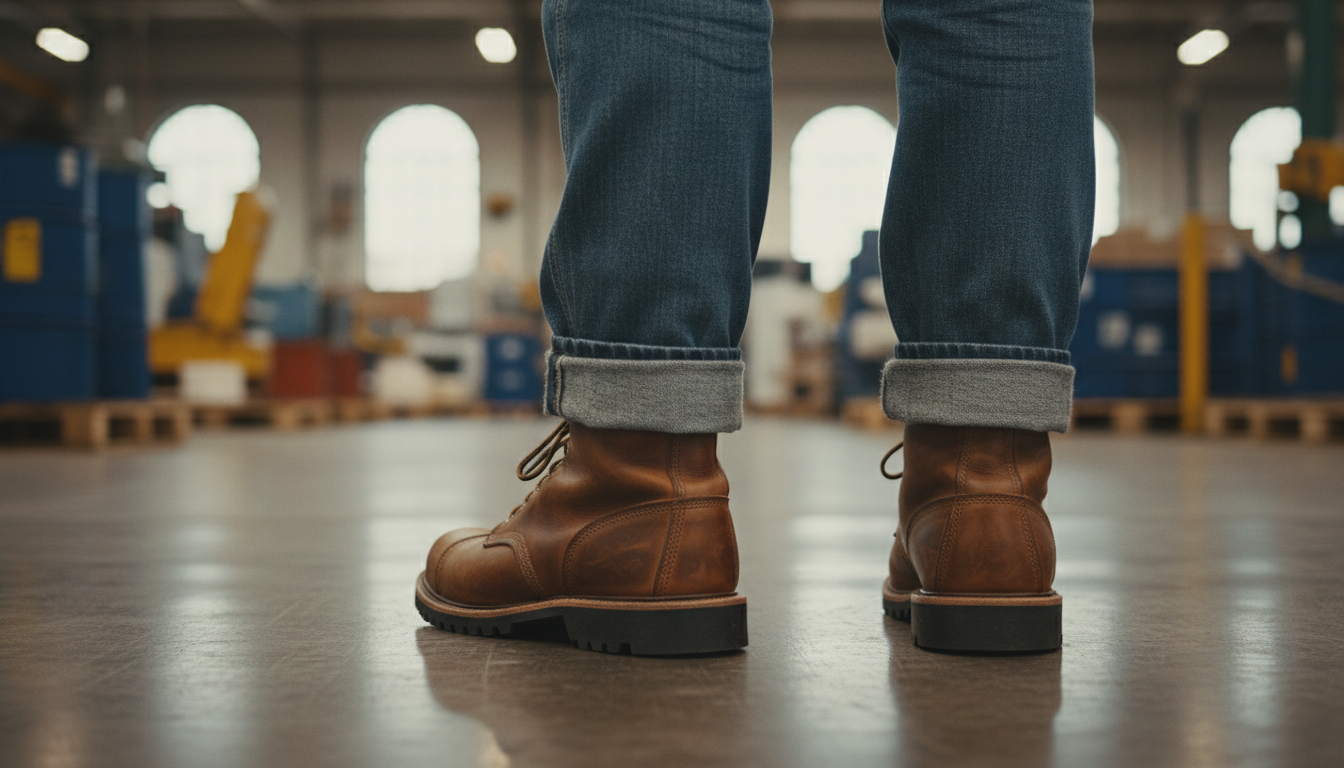
Every day, millions of workers stand on unforgiving concrete, tile, and other hard surfaces for hours on end. What many don’t realize is that these surfaces are silently taking a toll on their bodies—one step at a time. The impact of standing on hard floors without proper support doesn’t announce itself with immediate, sharp pain. Instead, it whispers through subtle discomfort that gradually builds into chronic issues that can affect your quality of life and work performance.
For men in physically demanding jobs—construction workers, factory employees, warehouse staff, retail associates, and others who spend long hours on their feet—the right foot support isn’t just about comfort. It’s about preventing potentially debilitating conditions that can develop over time. This is where quality work boot insoles for men become not just an accessory, but a necessity.
In this article, we’ll explore the hidden dangers of hard floors, how they affect your body beyond just your feet, and why investing in the right shoe inserts for men can be one of the most important decisions you make for your long-term health and comfort.
The Science Behind Hard Floor Impact
Standing or walking on hard surfaces creates a chain reaction throughout your body that begins the moment your foot makes contact. Unlike natural surfaces like soil or grass that absorb some of the impact, concrete and other hard flooring materials reflect almost all of the force back into your body.
When you stand on hard floors, each step sends a shock wave that travels from your heel through your ankles, knees, hips, and spine. Your body’s natural shock absorption system—primarily your foot’s arch and the padding on your heel—can only handle so much of this repeated stress before it begins to wear down.
Research has shown that standing on hard surfaces for extended periods increases the pressure on your feet by up to 40% compared to standing on softer surfaces. This added pressure forces your muscles to work harder just to maintain balance and stability, leading to faster fatigue and strain.
Over time, this constant stress can lead to a breakdown of the fat pads in your feet that provide natural cushioning. Once these fat pads deteriorate, they don’t regenerate—leaving your feet increasingly vulnerable to the impact of hard surfaces.
The Domino Effect: How Foot Pain Impacts Your Entire Body
The consequences of inadequate foot support extend far beyond just sore feet at the end of a long day. Your feet are the foundation of your body’s alignment, and problems that begin there tend to cascade upward, affecting multiple systems:
- Posture Changes – To compensate for foot discomfort, you may shift your weight or stand differently, throwing your body’s natural alignment off balance.
- Joint Stress – Altered posture places abnormal stress on your ankles, knees, and hips, potentially accelerating wear and tear on these joints.
- Back Problems – As your posture changes, your spine may develop unnatural curves to compensate, contributing to lower back pain.
- Reduced Circulation – Standing on hard surfaces without proper support can impede blood flow in your lower extremities.
- Muscle Fatigue – Your leg muscles work overtime to provide stability when foot support is lacking, leading to chronic fatigue.
Many workers attribute their back pain, knee issues, or general fatigue to the physical demands of their job without realizing that inadequate foot support may be the root cause. This misattribution often leads to addressing symptoms rather than solving the underlying problem.
Common Foot Problems Caused by Hard Floors
Standing on hard surfaces day after day without proper support can lead to several specific foot conditions that develop gradually but can become debilitating:
- Plantar Fasciitis – Inflammation of the thick band of tissue that runs across the bottom of your foot, connecting your heel bone to your toes. This often causes stabbing heel pain that’s worst with the first steps of the day.
- Metatarsalgia – Pain and inflammation in the ball of your foot, which can feel like you’re walking with a pebble in your shoe.
- Flat Feet – Over time, the stress of hard surfaces can cause arches to collapse, leading to overpronation and alignment issues throughout the body.
- Heel Spurs – Calcium deposits that form on the underside of the heel bone, often resulting from strain on foot muscles and ligaments.
- Achilles Tendinitis – Inflammation of the Achilles tendon, which can be exacerbated by poor foot support and alignment.
- Morton’s Neuroma – Thickening of tissue around nerves leading to the toes, causing pain, burning, and numbness in the ball of the foot.
What makes these conditions particularly troublesome is their progressive nature. By the time most workers seek help, the condition has often advanced beyond simple remedies, requiring more extensive treatment and recovery time.
Why Standard Work Boots Aren’t Enough
Many men assume that purchasing quality work boots is sufficient protection against the rigors of standing on hard surfaces all day. While good boots are certainly important, the factory insoles that come with most work footwear are rarely designed with optimal support in mind.
Standard insoles are typically made of thin, compressed foam that flattens quickly under daily use. They’re designed for basic comfort rather than therapeutic support or long-term durability. Even premium work boots often come with insoles that prioritize initial comfort over sustained support.
The inadequacy of stock insoles becomes apparent when examining their construction. Most lack proper arch support, have minimal heel cushioning, and provide little in the way of shock absorption—three critical elements for protecting your feet from hard floor impact.
Additionally, standard insoles don’t account for individual foot characteristics such as arch height, pronation patterns, or pressure points. This one-size-fits-all approach means most workers are missing out on the customized support their feet actually need.
The Anatomy of Quality Work Boot Insoles
Not all insoles are created equal, and when it comes to countering the effects of hard floors, specific features make a significant difference in both immediate comfort and long-term health outcomes. Quality work boot insoles for men should include:
- Multi-Layer Construction – Superior insoles use different materials in various layers to provide both cushioning and support.
- Arch Support – Properly contoured arch support distributes pressure evenly across your foot and helps maintain proper alignment.
- Deep Heel Cup – This feature cradles your heel bone, stabilizing it and protecting the natural fat pad that cushions impact.
- Shock-Absorbing Materials – High-density foams, gel pads, or air cushioning systems that absorb the impact forces that hard floors reflect back into your body.
- Anti-Microbial Treatments – Quality insoles include treatments to prevent odor and fungal growth, particularly important in work environments.
- Moisture-Wicking Topcovers – These keep feet drier throughout the day, reducing friction and the risk of blisters.
The best insoles for men’s work boots also take into account the specific demands of industrial environments. They’re designed to withstand compression without bottoming out, even under the weight of carrying heavy materials or equipment.
For optimal protection against hard floor impact, CRUVHEAL Work Comfort Orthotic Insoles offer a professional-grade solution specifically engineered for men who spend long hours on their feet. These insoles combine advanced shock absorption with anatomically correct support to protect your entire body from the silent stress of hard floors.
The True Cost of Ignoring Proper Foot Support
When evaluating whether to invest in quality shoe inserts for men, many workers focus solely on the upfront cost. However, this short-term thinking fails to account for the much larger hidden costs of inadequate foot support:
- Lost Work Time – Foot, knee, and back problems are among the leading causes of work absences, costing both wages and career advancement opportunities.
- Medical Expenses – Treatment for conditions like plantar fasciitis or chronic back pain can include doctor visits, physical therapy, prescription medications, and even surgery.
- Reduced Productivity – Pain and discomfort diminish concentration and performance, even when you’re able to stay on the job.
- Lifestyle Limitations – Many workers find that foot and back pain from their job limits their ability to enjoy activities with family and friends during off hours.
- Long-Term Disability – In severe cases, the cumulative damage from years of inadequate support can lead to permanent mobility issues.
When viewed through this lens, quality work boot insoles for men become not an expense but an investment with significant returns in both financial terms and quality of life. The cost of a high-quality pair of insoles is typically recovered many times over in prevented medical expenses alone.
How to Choose the Right Insoles for Your Work Environment
Selecting the appropriate insoles requires consideration of both your specific foot needs and your work conditions. Here’s a practical approach to finding the right match:
Step 1: Identify Your Foot Type
Do you have high arches, flat feet, or something in between? Do you overpronate (roll your foot inward) or supinate (roll outward)? Understanding your foot mechanics helps narrow your options to insoles that address your specific needs.
Step 2: Consider Your Work Environment
Different jobs place different demands on your feet. Construction workers might need maximum impact absorption, while warehouse workers might prioritize all-day comfort for walking on concrete. Factory workers might need insoles that can withstand chemical exposure or extreme temperatures.
Step 3: Evaluate Your Existing Footwear
The interior volume of your work boots affects which insoles will fit properly. Some boots have removable factory insoles that create more space, while others have limited depth that requires thinner aftermarket options.
Step 4: Consider Special Features
Look for insoles with features that match your specific needs, such as metatarsal support pads for forefoot pain, extra heel cushioning for heel strike issues, or enhanced stability features for ankle support.
Remember that the best insoles men can use for work are those that specifically address the combination of their individual foot structure and their work environment demands. Generic or one-size-fits-all solutions rarely provide optimal protection from hard floor impact.
Implementation Tips: Getting the Most from Your Work Boot Insoles
Once you’ve invested in quality insoles for men’s work boots, these practical tips will help you maximize their effectiveness and longevity:
- Break Them In Gradually – If you’re not accustomed to proper arch support, wear your new insoles for just a few hours the first day, then gradually increase usage to allow your feet to adjust.
- Replace When Needed – Even the highest quality insoles eventually compress and lose effectiveness. Most quality work boot insoles should be replaced every 6-12 months depending on usage intensity.
- Consider Rotating Pairs – If possible, have two pairs of insoles and alternate them daily to allow each set to fully decompress and dry out between uses.
- Clean Regularly – Follow manufacturer guidelines for cleaning your insoles to prevent bacterial growth and maintain material integrity.
- Address Wet Conditions – If your work environment involves water exposure, look for quick-drying insoles or consider waterproof options.
Implementing these practices ensures you receive the full benefit of your insoles’ protective features while extending their useful life—maximizing your return on investment.
Conclusion: Investing in Your Foundation
The silent stress of hard floors doesn’t announce itself dramatically, but its effects accumulate relentlessly over time. For men in physically demanding jobs, the decision to invest in proper foot support isn’t just about immediate comfort—it’s about protecting their long-term health, mobility, and career longevity.
Quality work boot insoles for men serve as the critical interface between hard, unforgiving floors and your body’s complex biomechanical system. They absorb impact that would otherwise travel through your entire skeletal structure, distribute pressure to prevent concentrated stress points, and help maintain proper alignment from the ground up.
As with many health investments, the benefits of proper foot support are most apparent in what doesn’t happen—the absence of pain, the prevention of chronic conditions, and the avoidance of limitations that would otherwise develop over time.
Don’t wait until symptoms become severe to address the foundation of your physical wellbeing. By understanding the silent stress of hard floors and taking proactive steps with the right shoe inserts for men, you’re making an investment that will pay dividends throughout your working life and beyond.
Ready to protect yourself from the hidden dangers of hard floors? CRUVHEAL Work Comfort Orthotic Insoles provide the professional-grade support and cushioning that hardworking men need to stay comfortable, productive, and healthy—no matter how unforgiving the surfaces beneath their feet.