
Winter Foot Care & Shoe Selection: How to Protect Your Feet in the Cold Season
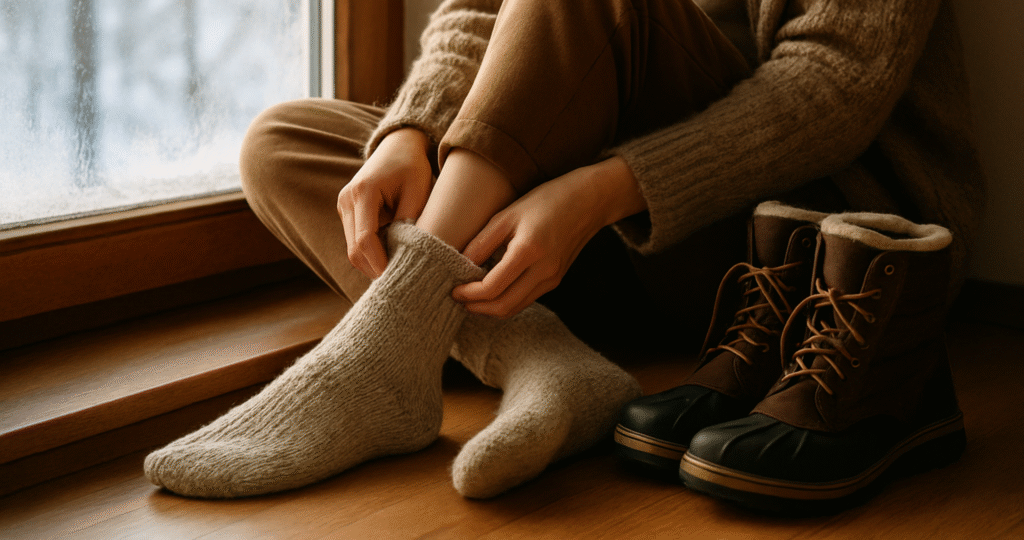
Winter is one of the toughest seasons for your feet. Cold temperatures, dry air, wet surfaces, and stiff winter shoes create conditions that easily lead to irritation, cracked heels, numbness, and even joint discomfort. Just like your skin needs extra care during winter, your feet require thoughtful protection to stay healthy, warm, and comfortable.
This guide outlines the essential steps for winter foot care and helps you choose footwear that keeps your feet supported and insulated throughout the season.
How Winter Affects Your Feet
Cold, dry air reduces moisture in the skin, causing roughness and cracking—especially around the heels. Thick winter socks and insulated shoes often trap sweat, which can irritate sensitive skin and increase the risk of fungal infections.
Cold weather also reduces circulation, making feet feel stiff or numb. For people who walk frequently outdoors, slippery surfaces add extra strain on the foot and ankle joints.
Understanding these seasonal challenges is the first step to effective winter foot care.
Top Winter Foot Care Tips
1. Moisturize Daily
Just like facial skin, your feet lose moisture quickly in winter.
Use a rich, non-greasy foot cream containing:
urea
shea butter
ceramides
Apply it after a warm—not hot—shower when the skin is still slightly damp.
2. Keep Feet Warm but Not Sweaty
Choose breathable thermal socks that wick moisture away instead of trapping it inside the shoe. Damp socks combined with cold air intensify dryness and irritation.
3. Trim Nails Correctly
Ingrown nails become more common in winter due to tight boots. Keep nails trimmed straight across to reduce pressure.
4. Exfoliate Gently
Dry winter skin builds up quickly. Exfoliate heels 1–2 times a week to maintain softness and prevent cracking.
How to Choose Winter Shoes That Support Foot Health
Winter boots must do more than keep feet warm. They should support proper alignment, reduce fatigue, and provide grip on slippery surfaces.
Key features to look for:
1. Firm Heel Counter
To stabilize the rearfoot and prevent excessive rolling inward.
2. Adequate Toe Box Space
Winter socks take more room—avoid squeezing your toes, which reduces circulation.
3. Insulated yet Breathable Lining
Keeps heat in while avoiding moisture buildup.
4. Good Traction Outsole
Essential for icy sidewalks and wet surfaces.
5. Removable Insole Space
Most winter boots come with weak insoles that flatten quickly. Ensuring enough room for supportive replacement insoles is crucial for comfort.
The Best Winter Upgrade: Work Comfort Insoles
Winter footwear is usually stiff and heavy. This can make your feet work harder with every step, increasing fatigue and discomfort.
CRUVHEAL Work Comfort Insoles are an excellent winter solution because they provide:
soft cushioning for long walks on cold sidewalks
natural arch support for healthier foot alignment
a stable heel cup that prevents rolling or slipping inside the shoe
breathable top cover that reduces moisture buildup
adaptability for both winter boots and everyday footwear
They make winter shoes significantly more comfortable—especially during long commutes, holiday travel, or outdoor errands.
Conclusion
Winter foot care goes beyond warm socks and heavy boots. With the right moisturizing routine, gentle exfoliation, and smart footwear choices, you can maintain healthy, comfortable feet all season long. Enhancing your winter shoes with supportive insoles like CRUVHEAL Work Comfort Insoles adds an important layer of alignment, cushioning, and stability—ensuring your feet stay warm, supported, and pain-free through even the harshest winter months.