
The Most Overlooked Foot Hazards in Warehouses: Essential Protection with Steel Plate Insoles
July 27, 2026
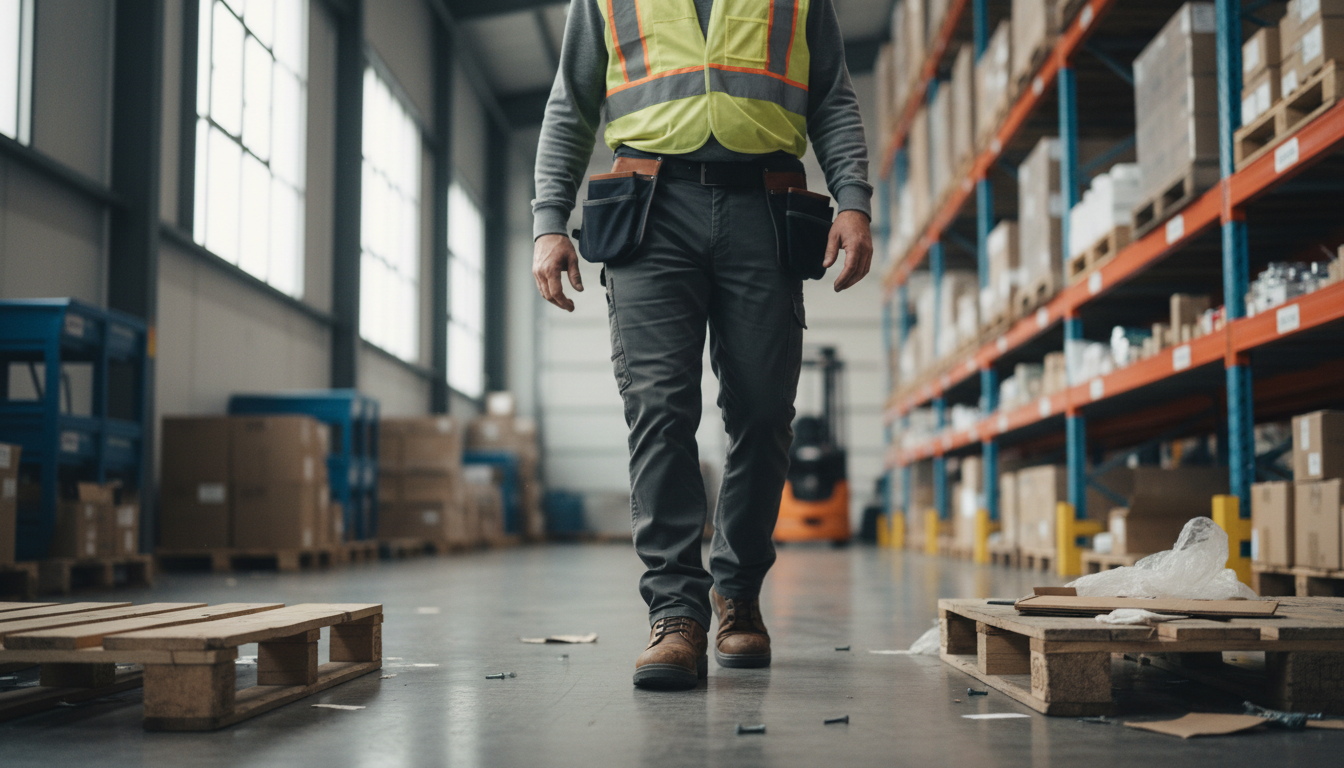
Warehouse environments are meticulously planned for efficiency and safety, yet foot injuries remain one of the most common workplace incidents. While most facilities enforce strict safety protocols and require protective footwear, many workers still suffer puncture wounds, crush injuries, and chronic foot pain. The problem isn’t always about what workers can see—it’s about the hidden hazards lurking underfoot that even the most organized warehouses can’t entirely eliminate.
Understanding these overlooked dangers and implementing proper protection, including puncture resistant insoles and other protective boot insoles, can mean the difference between a productive workday and a costly injury. This comprehensive guide explores the foot hazards that slip through the cracks and how warehouse workers can safeguard themselves effectively.
Hidden Sharp Objects: The Silent Threat to Warehouse Workers
One of the most dangerous yet overlooked hazards in warehouses comes from debris that accumulates in seemingly clean facilities. Broken pallets release nails, staples, and wood splinters that scatter across warehouse floors. These small hazards are nearly invisible, especially in low-light areas or when obscured by cardboard and packaging materials.
Standard safety boots provide outer protection, but the sole material can degrade over time or may not be rated for puncture resistance. A single exposed nail protruding at just the right angle can penetrate compromised boot soles, causing serious injury. Steel plate insoles provide an additional layer of defense that remains consistent regardless of the boot’s exterior condition.
Workers in receiving and shipping areas face heightened risk as these zones see constant pallet movement and packaging breakdown. Metal banding, broken glass from damaged goods, and sharp plastic shards from stretch wrap dispensers create a minefield of puncture hazards. Investing in puncture proof insoles offers continuous protection that doesn’t depend on perfect housekeeping.
Uneven Surfaces and Floor Transitions That Compromise Stability
Warehouses feature numerous floor transitions—from concrete to metal dock plates, from smooth surfaces to anti-slip coatings, and from level ground to slight inclines. These transitions create tripping hazards and force feet into awkward positions that can cause sprains, strains, and loss of balance.
The constant jarring from uneven surfaces takes a toll on feet, ankles, and knees over time. Workers may not realize the cumulative damage until chronic pain develops. Heavy duty insoles designed for industrial environments provide shock absorption and arch support that helps mitigate the impact of uneven terrain throughout long shifts.
Dock plates and ramps present additional challenges. Temperature fluctuations cause metal surfaces to expand and contract, creating gaps and raised edges. Rain, snow, or condensation can make these transitions slippery, increasing fall risk. Proper work boot insoles with enhanced grip patterns and stability features help workers maintain better footing across these challenging surfaces.
Chemical Spills and Corrosive Materials on Warehouse Floors
Many warehouse workers don’t consider chemical exposure a foot hazard, but it’s more common than most realize. Facilities storing cleaning products, automotive fluids, batteries, or industrial chemicals face routine spills that may not be immediately visible or reported.
Corrosive substances can degrade boot materials over time, weakening the protective barrier between feet and ground hazards. Once compromised, boots offer minimal protection against punctures and impacts. This gradual deterioration often goes unnoticed until a worker steps on something sharp and realizes their boots have been compromised.
Steel shank insoles and steel plate shoe inserts resist chemical degradation far better than standard boot sole materials. They maintain their protective integrity even when exposed to oils, solvents, and other harsh substances common in warehouse environments. For workers in facilities handling hazardous materials, these protective layers serve as essential insurance against unpredictable conditions.
Repetitive Stress and the Cumulative Impact on Foot Health
Unlike acute injuries from stepping on nails or dropping objects, repetitive stress injuries develop gradually and are frequently dismissed until they become debilitating. Warehouse workers routinely walk 10-15 miles per shift on hard concrete floors, often while carrying or moving heavy items.
This constant pressure creates several overlooked hazards:
- Plantar fasciitis from inadequate arch support during prolonged standing and walking
- Metatarsalgia caused by repetitive impact on the ball of the foot
- Heel spurs that develop from chronic inflammation and stress
- Nerve compression leading to numbness and pain in feet and legs
- Joint degradation in ankles, knees, and hips from poor shock absorption
Insoles for warehouse workers specifically engineered for long hours on concrete provide crucial cushioning and support. These aren’t luxury items—they’re preventive equipment that protects against injuries that can end careers and cause permanent disability.
Falling Objects and Inadequate Toe Protection
While most warehouses mandate steel-toe boots, toe protection alone doesn’t address the full range of foot injury risks. Objects falling from height can strike the midfoot or heel, areas where standard safety boots offer minimal reinforcement. Boxes shifting on pallets, tools dropped from ladders, and equipment components dislodged during maintenance all pose threats beyond the toe area.
The midfoot contains numerous small bones that are vulnerable to crushing injuries. Damage to this area can result in permanent mobility issues and chronic pain. Protective insoles with full-foot coverage extend protection across the entire plantar surface, not just the toes.
For workers in high-bay storage facilities or those operating forklifts and other heavy equipment, comprehensive foot protection is non-negotiable. Industrial work insoles constructed with rigid materials provide the all-over shielding necessary in these high-risk environments.
Temperature Extremes and Their Hidden Effects on Foot Safety
Warehouses with refrigerated sections or those without climate control expose workers to temperature extremes that create unexpected foot hazards. Cold environments reduce sensitivity in feet, making it difficult to detect when something sharp has penetrated a boot or when minor injuries occur.
Conversely, hot warehouses cause excessive sweating that softens foot skin, making it more vulnerable to blisters, infections, and puncture injuries. Moisture also degrades boot materials faster, compromising their protective capabilities. Workers in temperature-controlled food storage or outdoor loading docks face these challenges daily.
Safety boot insoles with moisture-wicking properties and temperature regulation help maintain foot health in extreme conditions. By keeping feet dry and at stable temperatures, these insoles preserve skin integrity and maintain the protective function of safety footwear.
Essential Steps to Protect Your Feet in Warehouse Environments
Protecting your feet from overlooked warehouse hazards requires a multi-layered approach. Here are the critical steps every warehouse worker should implement:
- Invest in quality puncture-resistant protection: Don’t rely solely on boot manufacturers’ claims. Add dedicated puncture proof shoe inserts to ensure consistent protection regardless of boot condition.
- Inspect your footwear daily: Check boots for cracks, worn areas, and degraded soles. Replace them before they fail completely.
- Choose insoles designed for your specific work: Insoles for construction workers, insoles for demolition work, and insoles for jobsite boots differ in their protective features. Match your insoles to your hazard exposure.
- Prioritize comfort alongside protection: Pain and discomfort lead to distraction, which increases accident risk. Durable work insoles should provide both safety and comfort.
- Replace protective insoles regularly: Even the best construction boot insoles wear out. Replace them according to manufacturer recommendations or when you notice reduced cushioning.
- Report hazards immediately: Don’t assume someone else will clean up spills or remove sharp debris. Taking two minutes to report or address a hazard can prevent serious injuries.
- Use proper lifting techniques: Many foot and leg injuries occur when workers lose balance while carrying loads. Proper technique protects your entire body, including your feet.
Upgrade Your Protection with Professional-Grade Insoles
The reality of warehouse work is that hazards will always exist, no matter how diligent the safety program. The question isn’t whether you’ll encounter dangerous conditions—it’s whether you’ll be adequately protected when you do. Work boot protection shouldn’t be left to chance or assumed based on footwear alone.
Adding an extra layer of defense with professional-grade protective insoles is one of the most cost-effective safety investments warehouse workers can make. For those serious about comprehensive foot protection, consider upgrading to safety shoe inserts that have been specifically engineered for industrial environments. To explore a highly-rated option that provides military-grade puncture resistance and all-day comfort, check out these puncture resistant insoles designed specifically for warehouse and construction professionals.
These specialized inserts feature steel plate construction that stops nails, screws, and sharp objects while maintaining flexibility for natural foot movement. Unlike generic insoles, they’re built to withstand the demanding conditions warehouse workers face every day.
Conclusion: Proactive Protection Against Hidden Warehouse Hazards
The most dangerous workplace hazards are often the ones we overlook because they seem minor or unlikely. In warehouse environments, foot injuries from hidden debris, repetitive stress, chemical exposure, and inadequate protection continue to sideline workers and create unnecessary suffering. These incidents are preventable with awareness and proper protective equipment.
Implementing comprehensive foot protection—including puncture proof insoles, regular footwear inspections, and awareness of environmental hazards—dramatically reduces injury risk. The relatively small investment in quality protective insoles and steel plate shoe inserts pays dividends in preventing injuries that can result in lost wages, medical expenses, and long-term disability.
Your feet are your foundation in warehouse work. Every step you take across concrete floors, over dock plates, and through debris-filled aisles depends on the integrity of that foundation. Don’t wait until an injury occurs to take foot protection seriously. By addressing these overlooked hazards today with proper industrial work insoles and safety practices, you invest in your ability to work safely and comfortably for years to come.
Remember, effective workplace safety isn’t just about following rules—it’s about recognizing hidden risks and taking proactive steps to protect yourself. Your employer provides safety equipment and protocols, but you’re ultimately responsible for your own well-being. Make foot protection a priority, and you’ll avoid becoming another preventable injury statistic.