
The Importance of Foot Stability During Outdoor Fitness Training: How Running Insoles and Athletic Shoe Insoles Enhance Your Performance
August 16, 2026
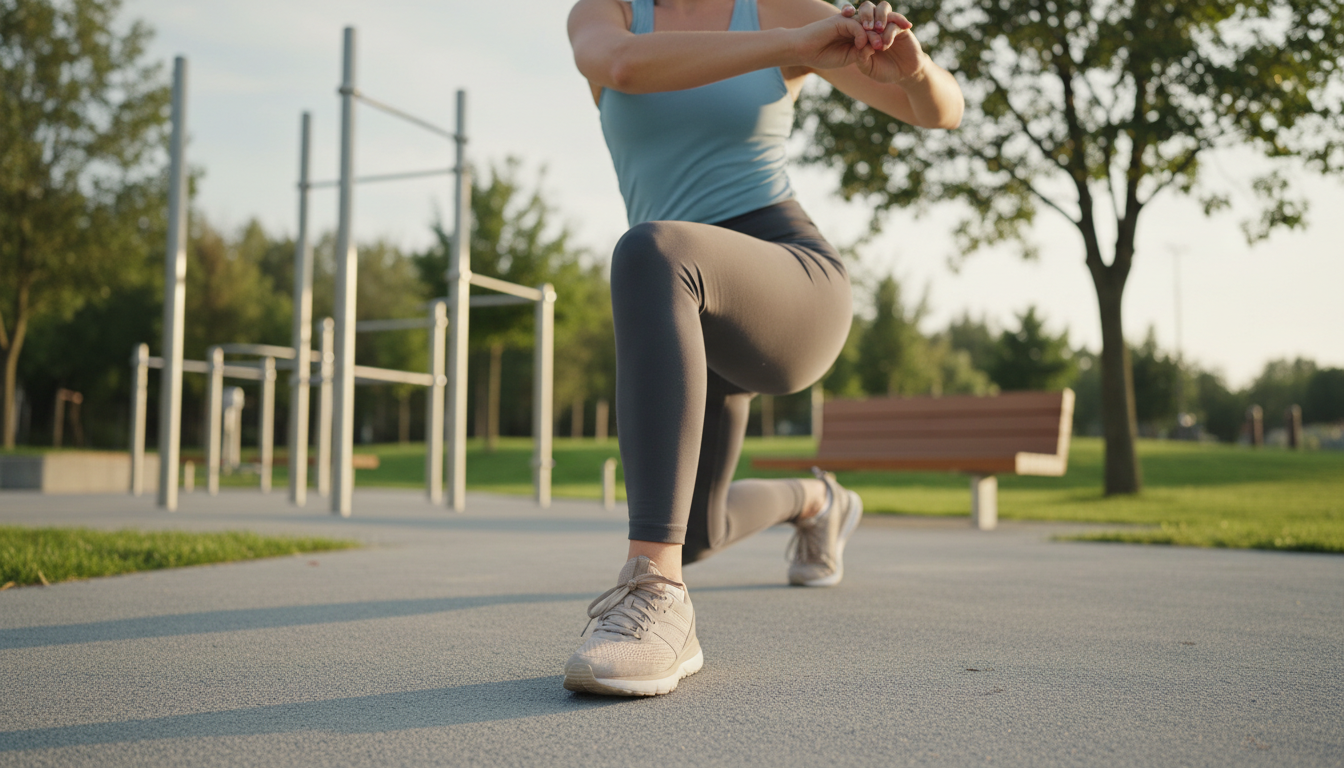
Outdoor fitness training offers an exhilarating alternative to gym workouts, allowing you to connect with nature while improving your physical health. However, the unpredictable terrain of outdoor environments presents unique challenges that indoor training simply doesn’t. From rocky trails and grassy hills to sandy beaches and forest paths, every surface tests your body’s ability to maintain balance and stability. At the foundation of this challenge lies one critical factor: your feet.
Understanding the importance of foot stability during outdoor fitness training can dramatically improve your workout quality, reduce injury risk, and enhance your overall athletic performance. Whether you’re a dedicated runner, a hiking enthusiast, or someone who enjoys varied outdoor activities, investing in proper foot support through running insoles and athletic shoe insoles can make all the difference in your training outcomes.
Why Uneven Terrain Challenges Your Balance and Stability
Unlike the predictable, flat surfaces of treadmills and gym floors, outdoor terrain constantly changes beneath your feet. Each step on a trail, sidewalk, or natural surface requires your body to make rapid micro-adjustments to maintain equilibrium. These adjustments originate from your feet, which serve as the primary contact point between your body and the ground.
When you train outdoors, your feet encounter numerous challenges that demand enhanced stability. Roots, rocks, inclines, declines, and shifting surfaces like gravel or sand all require your foot’s intricate network of muscles, tendons, and ligaments to work overtime. Without proper support, this constant adaptation can lead to fatigue, compensatory movement patterns, and increased risk of ankle rolls, plantar fasciitis, and other common injuries.
The biomechanics of outdoor movement are complex. Your feet must absorb impact forces while simultaneously providing proprioceptive feedback to your brain about the surface beneath you. This feedback loop allows for split-second adjustments in ankle angle, arch compression, and toe grip. When your feet lack adequate stability, this entire system becomes compromised, affecting not just your feet but your ankles, knees, hips, and even your lower back.
How Stable Footing Improves Workout Quality
The quality of your outdoor workout depends heavily on how well your feet can stabilize your body throughout various movements. Stable footing creates a solid foundation that allows you to generate more power, maintain proper form, and exercise with confidence across challenging terrain. When your feet feel secure and supported, you can focus on your training intensity rather than worrying about your next step.
Proper foot stability enhances workout quality in several measurable ways. First, it improves force transmission from the ground up through your kinetic chain, meaning the power you generate actually propels you forward efficiently rather than being lost through unnecessary movements. Second, it reduces energy waste caused by excessive pronation or supination, allowing you to maintain your pace longer with less fatigue. Third, it enables better balance during single-leg movements, lateral exercises, and dynamic transitions that are common in outdoor training.
Athletes who prioritize foot stability consistently report better workout performance. They can tackle steeper inclines, maintain faster paces on technical trails, and complete longer training sessions without the foot fatigue that often cuts outdoor workouts short. This improvement stems from the enhanced support structure that quality sport insoles and workout shoe insoles provide.
The Role of Shock Absorption in Outdoor Training
Every footstrike during outdoor training generates impact forces that travel through your body. On hard surfaces like concrete or packed dirt trails, these forces can be substantial—often two to three times your body weight with each step. Over the course of a typical outdoor workout, your feet absorb thousands of these impacts, creating cumulative stress on your joints and soft tissues.
This is where shock absorbing insoles become essential for outdoor fitness enthusiasts. Quality insoles designed for athletic activities don’t just cushion your feet; they actively manage impact forces to reduce stress throughout your entire body. By absorbing and dissipating shock at the foot level, these insoles prevent excessive force transmission to your ankles, knees, and hips.
The benefits of proper shock absorption extend beyond immediate comfort. Reduced impact stress means less inflammation, faster recovery between workouts, and decreased risk of overuse injuries like stress fractures, shin splints, and joint pain. For outdoor trainers who regularly tackle challenging terrain, investing in cushioned sport insoles represents a proactive approach to long-term joint health and athletic longevity.
Key Features to Look for in Athletic Shoe Insoles
Not all insoles are created equal, especially when it comes to the demands of outdoor fitness training. Understanding what separates average insoles from high-performance options helps you make an informed decision that matches your training needs.
When selecting insoles for training, consider these essential features:
- Arch support: Proper arch support prevents excessive foot rolling and maintains optimal alignment during movement
- Heel cushioning: Enhanced cushioning in the heel cup reduces impact stress during footstrike
- Forefoot padding: Additional cushioning under the ball of the foot improves comfort during push-off phases
- Moisture-wicking materials: Breathable fabrics keep feet dry and prevent blister formation during long outdoor sessions
- Durable construction: High-quality materials withstand the rigors of outdoor terrain without breaking down quickly
- Proper fit: Insoles should match your shoe size and foot shape without creating pressure points or bunching
For runners specifically, running shoe inserts should provide responsive cushioning that returns energy with each stride while still offering stability. The best insoles for running balance protection with ground feel, allowing you to sense terrain changes while still benefiting from shock absorption and support.
Choosing the Right Insoles for Different Outdoor Activities
Different outdoor fitness activities place varying demands on your feet, and your insole choice should reflect these differences. Understanding how your primary training activities affect your feet helps you select the most appropriate support solution.
Here’s how to match insoles to specific outdoor training activities:
- Trail Running: Requires comfortable running insoles with excellent shock absorption and responsive cushioning for varied terrain and rapid direction changes
- Hiking: Demands supportive insoles with firm arch support and heel stability to handle long distances and uneven surfaces while carrying additional weight
- Walking and Power Walking: Benefits from insoles for walking that offer balanced cushioning and flexibility for natural foot motion during extended low-impact sessions
- Outdoor Boot Camps: Needs versatile insoles for gym shoes that support multidirectional movements, jumps, and quick transitions between exercises
- Cross-Training: Requires adaptable everyday sport insoles that perform well across multiple activities and movement patterns
Athletes who participate in multiple outdoor activities should consider having different shoes with activity-specific insoles, or invest in versatile insoles for active lifestyle that provide comprehensive support across various training modalities.
Maximizing Performance with Premium Sport Insoles
The difference between standard insoles and premium athletic insoles becomes evident during demanding outdoor training sessions. Quality sport insoles incorporate advanced materials and ergonomic designs that address the specific needs of active individuals who train on unpredictable outdoor terrain.
Premium insoles feature multi-layer construction that serves distinct purposes. The top layer typically uses moisture-managing fabric that keeps feet comfortable during sweaty workouts. The middle layer provides the primary cushioning and shock absorption, often utilizing specialized foams or gel materials that compress and rebound efficiently. The bottom layer offers structural support, maintaining the insole’s shape and providing the stability features that prevent excessive foot motion.
For those serious about outdoor fitness training, investing in high-quality support for athletic shoes pays dividends in performance, comfort, and injury prevention. If you’re ready to experience the difference that professional-grade insoles make in your outdoor workouts, explore these sport shock absorbing insoles with superior cushioning and stability features designed specifically for active individuals who demand more from their footwear.
Maintaining Foot Health for Long-Term Training Success
Foot stability isn’t just about immediate workout quality—it’s a crucial component of long-term training success and athletic longevity. By prioritizing proper foot support from the beginning of your outdoor fitness journey, you establish healthy movement patterns that serve you for years to come.
Regular attention to foot health should include more than just quality insoles. Strengthen your foot and ankle muscles through targeted exercises like toe curls, heel raises, and balance work. Stretch your calves, plantar fascia, and Achilles tendons regularly to maintain flexibility. Monitor your feet for signs of overuse, including persistent soreness, hot spots, or changes in arch height.
Replace your athletic insoles every 6-12 months depending on training volume, as even the best insoles lose their cushioning and support properties over time. Signs that your insoles need replacement include visible compression of cushioning materials, loss of arch support structure, and decreased shock absorption during your workouts.
Conclusion: Building Your Outdoor Fitness Training on a Solid Foundation
The importance of foot stability during outdoor fitness training cannot be overstated. As the foundation of your entire kinetic chain, your feet play a critical role in balance, power generation, injury prevention, and workout quality. The challenges of uneven terrain demand more from your feet than indoor training surfaces, making proper support through quality athletic shoe insoles essential for optimal performance.
Whether you’re pounding trails, conquering hills, or exploring new outdoor training environments, investing in premium shock absorbing insoles transforms your experience. The right insoles provide the stability, cushioning, and support your feet need to handle varied terrain confidently while protecting your joints from excessive impact stress.
By understanding how stable footing improves workout quality and choosing insoles designed for your specific outdoor activities, you create the optimal foundation for training success. Your feet carry you through every workout, every adventure, and every fitness milestone—give them the support they deserve with professional-grade insoles for active lifestyle pursuits. The investment in proper foot stability today pays dividends in performance, comfort, and long-term joint health for all your outdoor fitness training tomorrow.