
The Impact of Long Shifts on Your Feet and Joints: Why Work Boot Insoles Matter
February 26, 2026
Understanding the Silent Toll of Extended Time on Your Feet
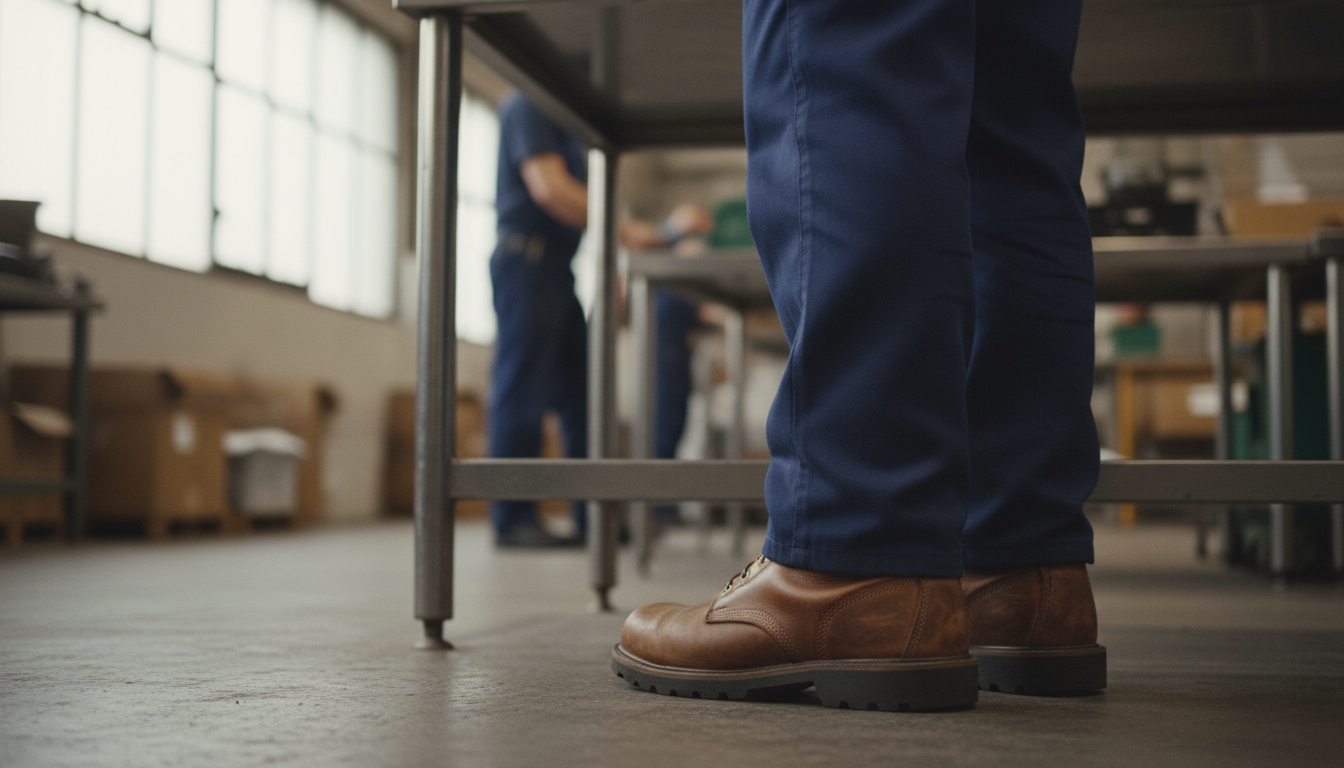
For millions of workers across industries like construction, healthcare, retail, and manufacturing, standing for 8, 10, or even 12 hours is just another day on the job. What many don’t realize is the cumulative impact these long shifts have on the body’s foundation – your feet and joints. The average person takes between 4,000 to 6,000 steps during an 8-hour shift, and that number increases substantially for more active professions.
The human foot is a remarkably complex structure containing 26 bones, 33 joints, and over 100 muscles, tendons, and ligaments. These components work harmoniously to support our weight, absorb shock, and facilitate movement. However, when subjected to prolonged pressure and repetitive stress without adequate support, this intricate system begins to falter, leading to discomfort that can extend well beyond your feet.
Research published in the Journal of Occupational Health indicates that workers who stand for more than 50% of their shift are at significantly higher risk for developing musculoskeletal disorders affecting not just the feet, but the entire kinetic chain – ankles, knees, hips, and lower back. This domino effect of pain and discomfort often begins with inadequate foot support, particularly in men wearing work boots that prioritize durability over comfort.
The Hidden Price of Ignoring Foot Support During Long Shifts
When your feet lack proper support during those extended hours on the job, your body pays a price that extends far beyond temporary discomfort. Without quality shoe inserts men can rely on, several concerning conditions may develop over time:
- Plantar Fasciitis – Inflammation of the thick band of tissue that connects the heel bone to the toes, causing stabbing heel pain that’s often worst with the first steps of the morning.
- Metatarsalgia – Pain and inflammation in the ball of the foot that worsens when standing, walking, or flexing your feet.
- Achilles Tendinitis – Painful inflammation of the Achilles tendon, particularly common in those who spend long hours on their feet without proper heel support.
- Knee Osteoarthritis – Premature wearing of knee cartilage due to improper foot alignment and shock absorption.
- Lower Back Pain – Poor foot support creates a chain reaction of misalignment that often culminates in chronic lower back issues.
A 2024 survey of industrial workers revealed that 78% of those experiencing chronic foot pain reported decreased productivity, while 62% admitted to taking more sick days due to related discomfort. The economic impact extends beyond personal suffering – employers face decreased output, increased absenteeism, and higher healthcare costs when workers’ foundational support systems fail.
Why Standard Work Boots Often Fall Short
Despite improvements in work boot technology, many standard-issue safety boots continue to prioritize protection and durability over ergonomic support. The flat, rigid insoles that come with most work boots fail to accommodate the foot’s natural arch and provide inadequate cushioning for high-impact areas like the heel and ball of the foot.
This design oversight becomes particularly problematic for men in physically demanding jobs. The average male foot exerts more pressure per square inch than female counterparts due to typically greater body weight and muscle mass. When this increased pressure is combined with construction materials designed primarily for safety compliance rather than biomechanical efficiency, the result is often discomfort that compounds throughout the workday.
Additionally, work boots with insufficient arch support fail to maintain proper foot alignment, leading to overpronation (excessive inward rolling of the foot) or supination (insufficient inward rolling). These alignment issues don’t stay isolated to the feet – they travel upward, affecting ankle stability, knee tracking, hip position, and ultimately, spinal alignment.
The Science Behind Effective Boot Insoles
Quality work boot insoles for men aren’t just about added cushioning – they’re engineered based on podiatric science to address specific biomechanical needs. Effective insoles typically incorporate several key design elements:
- Anatomical Arch Support – Contoured to match the natural arch of the foot, preventing flattening during long periods of standing.
- Deep Heel Cups – These stabilize the heel bone (calcaneus) and help align the entire lower body while containing and evenly distributing the body’s natural shock-absorbing fat pad.
- Metatarsal Pads – Strategic cushioning under the ball of the foot helps distribute pressure and prevent hot spots that lead to metatarsalgia.
- Moisture-Wicking Materials – Prevents the buildup of sweat that can lead to blisters and fungal infections during long shifts.
- Impact-Absorbing Technology – Materials like high-density foam, gel, or air cushions that absorb and disperse shock before it travels up the skeletal system.
The most effective insoles men can use in work environments combine these elements with durability to withstand the demands of industrial settings. The difference between basic foam inserts and biomechanically engineered work boot insoles is comparable to the difference between a basic street tire and a specialized all-terrain tire – both technically do the job, but one is specifically designed for the challenging conditions it will face.
Identifying the Warning Signs That You Need Better Foot Support
Your body often sends clear signals when your current footwear isn’t providing adequate support during those long shifts. Being attentive to these warning signs can help you address problems before they develop into chronic conditions:
- Feet that feel “hot” or burning, particularly in specific spots, after several hours of standing
- Persistent heel pain, especially first thing in the morning or after sitting
- Unusual fatigue in your calf muscles, even when the rest of your body feels fine
- Swelling in your feet and ankles that doesn’t resolve overnight
- Development of corns, calluses, or blisters in the same locations repeatedly
- Pain that travels from your feet up to your knees, hips, or lower back
- Uneven wear patterns on your work boots
If you’re experiencing even a few of these symptoms, it’s a strong indication that your current footwear setup isn’t providing the support needed during your shifts. While high-quality work boot insoles for men can address many of these issues, persistent or severe symptoms warrant consultation with a podiatrist or orthopedic specialist.
Selecting the Right Insoles for Your Work Environment
Not all insoles are created equal, and selecting the right option depends heavily on your specific work environment, foot structure, and the demands of your job. When evaluating insoles men should consider several critical factors:
For high-impact jobs like construction or warehouse work, insoles with superior shock absorption capabilities are essential. Look for products with multiple density zones that provide firmer support under the arch while offering softer cushioning at high-impact areas like the heel and ball of the foot.
Workers in temperature-extreme environments should prioritize insoles with thermal regulation properties. In hot environments, moisture-wicking materials prevent sweat accumulation, while those working in cold conditions benefit from insoles with thermal barriers that prevent heat loss through the ground.
For those with specific foot conditions like flat feet or high arches, semi-custom or fully custom orthotics might provide the specialized support needed to prevent pain during long shifts. These options may come at a higher price point, but the investment often pays dividends in terms of comfort, productivity, and long-term joint health.
The CRUVHEAL Work Boot Insoles for Men offer an excellent balance of these features with medical-grade support designed specifically for those spending long hours on their feet. These insoles combine deep heel cups with anatomically correct arch support and high-density foam to provide lasting relief throughout even the longest work shifts.
Implementation: Beyond Just Buying Insoles
Purchasing quality insoles is just the first step in a comprehensive foot care approach for those working long shifts. To maximize the benefits of your investment in work boot insoles, consider these implementation strategies:
- Proper Break-in Period – Allow 1-2 weeks for your feet to adapt to new insoles, starting with a few hours per day and gradually increasing.
- Rotation System – If possible, alternate between two pairs of work boots with separate insoles to allow complete drying and material recovery between wears.
- Regular Replacement – Even the highest quality insoles have a lifespan. Most experts recommend replacing work boot insoles every 6-12 months, depending on usage intensity.
- Complementary Foot Care – Enhance insole effectiveness with post-shift foot exercises, proper hygiene, and occasional foot soaks to reduce inflammation.
- Progressive Monitoring – Track your comfort levels, pain points, and energy levels over time after implementing new insoles to gauge effectiveness.
Remember that even the best insoles men can buy require proper implementation to deliver maximum benefit. Think of them as part of a holistic approach to foot and joint health rather than a standalone solution.
The Long-Term Economics of Quality Foot Support
When evaluating the cost of premium work boot insoles for men, it’s essential to consider the financial impact from a broader perspective. High-quality insoles typically range from $30-$60, which can seem expensive compared to basic foam inserts available for under $10. However, this price difference becomes negligible when factoring in the potential costs of inadequate foot support:
- Lost wages from missed work days due to foot, knee, or back pain
- Medical costs for treating conditions like plantar fasciitis, which can run into hundreds or thousands of dollars
- Decreased earning potential due to limitations in job choices when chronic foot issues develop
- Premature replacement of work boots due to uneven wear patterns caused by poor foot biomechanics
- Over-the-counter pain medications and other self-treatments for foot discomfort
Industry studies suggest that workers with proper foot support report 31% fewer sick days related to musculoskeletal issues and demonstrate 24% higher productivity during physically demanding tasks. For employers, this translates to significant ROI when quality insoles are provided as part of standard safety equipment.
From an individual perspective, investing in quality boot insoles is preventative healthcare in its most practical form – addressing problems at their source before they cascade into more complex health issues that affect both quality of life and financial stability.
Conclusion: Taking Proactive Steps for Long-Term Foot and Joint Health
The impact of long shifts on your feet and joints is significant but not inevitable. With proper understanding of foot mechanics and appropriate supportive measures like quality insoles men can dramatically reduce their risk of developing chronic pain and musculoskeletal issues.
As workplace demands continue to place stress on our bodies, proactive intervention becomes increasingly important. Quality work boot insoles represent a relatively small investment that yields substantial returns in comfort, productivity, and long-term health outcomes.
Whether you’re experiencing the early warning signs of foot fatigue or wisely looking to prevent future issues, addressing the foundation of your physical wellbeing – your feet – is a decision that supports not just today’s comfort, but your mobility and capability for years to come.
Consider exploring the CRUVHEAL Work Boot Insoles, specifically designed to provide comprehensive support during those challenging long shifts when your feet and joints need it most. Your future self – with fewer aches, greater mobility, and sustained energy throughout the workday – will thank you for this investment in your foundational health.