
The Best Footwear Habits for Electricians, Plumbers, and Installers: Reduce Foot Fatigue on the Job
August 22, 2026
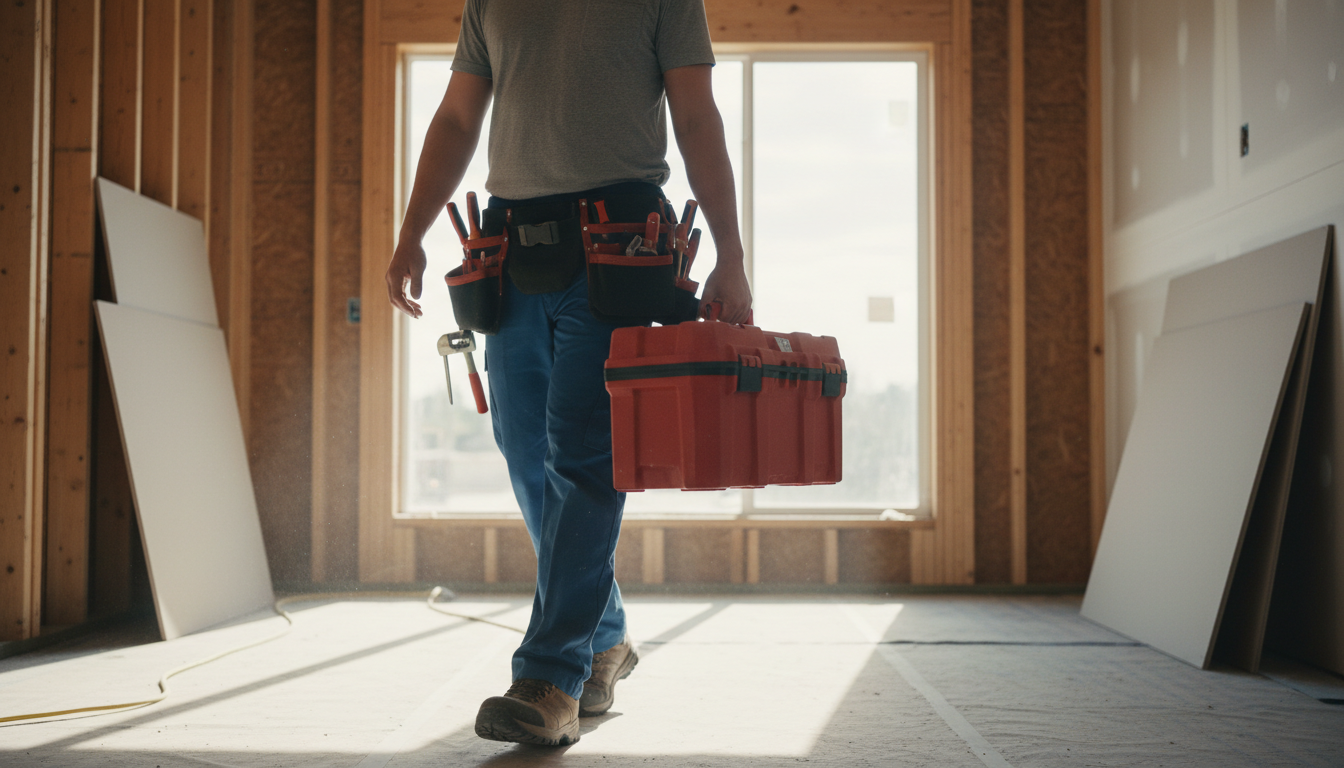
For electricians, plumbers, and installers, the workday rarely involves sitting down. These skilled tradespeople spend hours on their feet, moving between job sites, climbing ladders, kneeling on hard surfaces, and standing on concrete floors. The physical demands of these professions take a serious toll on the feet, legs, and lower back. Without proper footwear habits, chronic foot fatigue, plantar fasciitis, and joint pain can become unwelcome occupational hazards.
The good news is that developing smart footwear habits can dramatically reduce discomfort and improve your overall work performance. From choosing the right work boot insoles to maintaining proper foot care routines, small changes can make a significant difference in how you feel at the end of a long shift. This comprehensive guide covers the essential footwear habits every tradesperson should adopt to protect their feet and maintain peak productivity.
Understanding Why Tradespeople Experience Foot Fatigue
Before diving into solutions, it’s important to understand why electricians, plumbers, and installers are particularly susceptible to foot problems. Unlike office workers or even retail employees, tradespeople face unique challenges that compound throughout the workday.
First, these professionals frequently work on concrete floors, which offer zero shock absorption. Every step sends impact forces directly through the feet, ankles, and knees. Second, tradespeople carry heavy tools and equipment, increasing the load on their feet. Third, they constantly transition between different surfaces and positions—standing, walking, climbing, and kneeling—which prevents muscles from settling into any consistent pattern.
The combination of hard surfaces, heavy loads, and varied movements creates the perfect storm for foot fatigue. Without proper support, the natural fat pads in your feet compress, arches collapse, and muscles become overworked. This is why investing in quality orthotic insoles for work isn’t a luxury—it’s a necessity for long-term career health.
Habit #1: Invest in High-Quality Work Boot Insoles
The single most impactful footwear habit you can adopt is replacing the factory insoles in your work boots with premium supportive work insoles. Most work boots come with thin, flat insoles that provide minimal cushioning and no arch support. These generic inserts simply weren’t designed for the demands of standing and walking all day on unforgiving surfaces.
Quality insoles for standing all day feature several critical components that factory insoles lack. They provide structured arch support that prevents your feet from pronating excessively, distribute pressure evenly across the entire foot, and include deep heel cups that stabilize your ankle with every step. Additionally, premium insoles incorporate advanced cushioning materials that absorb shock without bottoming out after a few weeks of use.
When selecting insoles, consider your arch type. Medium arch support insoles work well for most people, providing balanced support without feeling overly aggressive. If you experience heel pain, look for insoles with heel support that feature extra cushioning in the heel area. For tradespeople who work primarily on concrete, specialized insoles for concrete floors offer maximum shock absorption where you need it most.
If you’re ready to experience the difference that professional-grade insoles can make, check out these highly-rated orthotic insoles designed specifically for demanding work environments. Thousands of tradespeople, warehouse workers, and other professionals who spend their days on their feet have discovered lasting relief from foot fatigue.
Habit #2: Replace Your Insoles Regularly
Even the best comfortable work boot insoles don’t last forever. The materials compress over time, cushioning breaks down, and support structures weaken. Most experts recommend replacing work insoles every six to twelve months, depending on usage intensity.
Here are signs it’s time for new insoles:
- Visible compression or flattening in the heel or arch areas
- Increased foot fatigue at the end of your workday
- The insole feels thinner than when you first purchased it
- You notice new aches in your feet, knees, or lower back
- The top fabric is worn through or peeling away
Think of insole replacement as preventive maintenance for your body. The cost of new insoles for work shoes every year is minimal compared to medical bills for treating chronic foot conditions or missing work due to pain. Keep a backup pair on hand so you can swap them out the moment your current pair shows signs of wear.
Habit #3: Choose the Right Work Boots for Your Trade
While insoles are crucial, they can only do so much if your boots themselves are inadequate. Different trades have different footwear requirements, and choosing boots designed for your specific work environment makes a substantial difference.
Electricians often need non-conductive boots with electrical hazard protection. Plumbers benefit from waterproof boots with chemical resistance. Installers who climb ladders frequently should prioritize boots with excellent ankle support and slip-resistant soles. Regardless of your trade, ensure your boots have these essential features:
- Adequate toe box space: Your toes should never feel cramped, as this restricts circulation and causes fatigue
- Firm heel counter: The back of the boot should be stiff enough to prevent excessive heel movement
- Flexibility in the forefoot: Boots should bend naturally where your toes bend, not in the arch area
- Removable insoles: This allows you to upgrade to premium orthotic insoles
- Appropriate safety certifications: Match boots to your workplace hazards (steel toe, puncture resistance, etc.)
Remember that boots should feel comfortable from day one. The “breaking in” period should be minimal if you’ve selected the right size and style. If your boots cause hot spots or pressure points even with quality everyday orthotic insoles, they’re not the right fit for your feet.
Habit #4: Practice Proper Foot Care and Recovery
Even with the best arch support for work shoes, your feet need recovery time. Developing a post-work foot care routine helps reduce inflammation, prevent injuries, and prepare your feet for the next workday.
After removing your boots, spend ten minutes elevating your feet above heart level. This simple practice helps drain excess fluid that accumulates from standing all day. Follow this with gentle foot stretches, focusing on your plantar fascia, Achilles tendon, and calf muscles. Rolling your foot over a tennis ball or frozen water bottle provides a massage effect that releases tension.
Consider wearing supportive footwear even when you’re not at work. Your feet don’t stop needing support just because you’ve left the job site. Quality house shoes or casual shoes with insoles for walking all day give your feet the consistent support they need for complete recovery.
Hydration and nutrition also play underappreciated roles in foot health. Dehydration can exacerbate inflammation, while adequate protein intake supports muscle recovery. Anti-inflammatory foods like fatty fish, berries, and leafy greens may help reduce foot soreness over time.
Habit #5: Rotate Between Two Pairs of Work Boots
Professional athletes never wear the same shoes two days in a row, and tradespeople shouldn’t either. Rotating between two pairs of work boots extends the life of both pairs while giving each pair time to fully dry out between wears.
When boots don’t have adequate drying time, moisture accumulates, which breaks down materials faster and creates an environment for bacteria and odor. Moisture also reduces the effectiveness of insoles for foot fatigue, as damp cushioning doesn’t absorb shock as efficiently as dry cushioning.
The rotation strategy works best when you have two pairs of boots set up identically with the same insoles. This ensures consistent support regardless of which pair you wear. While the upfront cost is higher, you’ll actually save money in the long run as each pair lasts significantly longer than if worn daily.
Habit #6: Address Problems Early
Many tradespeople work through foot pain, assuming it’s just part of the job. This tough-it-out mentality often transforms minor issues into chronic conditions that require extensive treatment. The moment you notice persistent pain, numbness, or unusual swelling, take action.
Start by evaluating your current footwear setup. Are your insoles worn out? Are your boots too tight or too loose? Sometimes simple adjustments like upgrading to insoles for warehouse workers—which are also excellent for tradespeople—can resolve emerging problems before they worsen.
If pain persists despite proper footwear, consult a podiatrist or physical therapist who specializes in occupational foot health. These professionals can identify biomechanical issues and recommend specific interventions. Custom orthotics, while more expensive than over-the-counter options, may be necessary for certain foot conditions.
Don’t ignore warning signs. The same insoles for nurses that help healthcare workers survive twelve-hour shifts on hospital floors can also benefit tradespeople, as both professions share similar demands of constant standing and walking. The key is finding what works for your unique foot structure and work requirements.
Conclusion: Small Habits, Big Impact
The cumulative effect of poor footwear habits can derail a promising career in the skilled trades. Conversely, implementing these six essential habits protects your most important work assets—your feet—and allows you to maintain productivity and comfort throughout your career.
Start with the foundation: invest in high-quality work boot insoles that provide genuine arch support, cushioning, and stability. Replace them regularly, choose boots appropriate for your trade, and give your feet the recovery time they need. Rotate between boot pairs to maximize longevity, and address any emerging problems before they become serious.
These habits aren’t complicated or time-consuming, but they require intentionality. The tradespeople who prioritize foot health consistently report less fatigue, fewer sick days, and greater job satisfaction. Your feet carry you through every job site, every installation, and every service call. Treat them with the care they deserve, and they’ll support your career for decades to come.
Remember, investing in proper footwear and insoles for work boots isn’t an expense—it’s an investment in your health, comfort, and long-term earning potential. Start implementing these habits today, and feel the difference by tomorrow.