
Safety Essentials for Warehouse Workers: Top Puncture Resistant Insoles and Steel Toe Inserts to Protect Your Feet
January 22, 2026
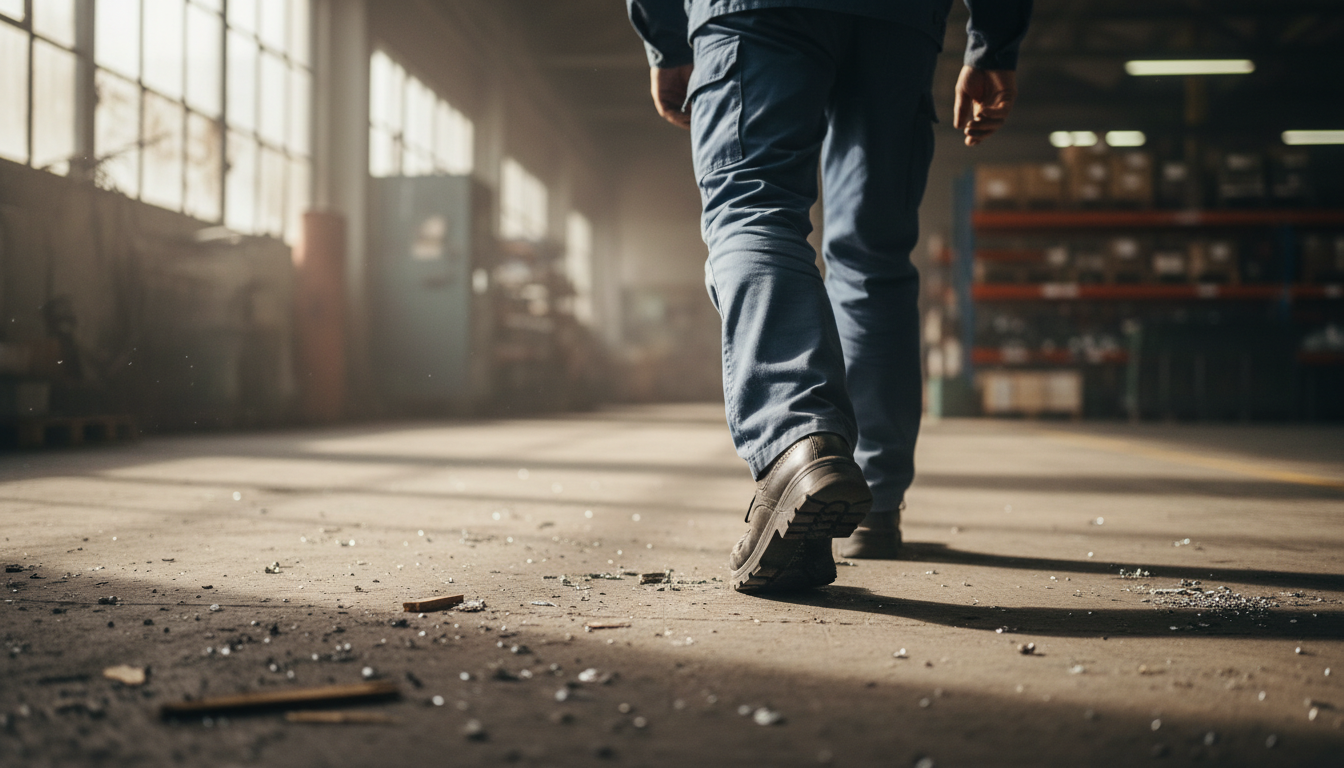
Warehouse environments present numerous hazards that can lead to serious foot injuries. From heavy falling objects to sharp protruding materials, warehouse workers face daily risks that require proper protective gear. According to the Bureau of Labor Statistics, foot injuries account for nearly 10% of all reported workplace injuries, with many of these occurring in warehouse and industrial settings. The good news is that most of these injuries are preventable with the right protective equipment and safety practices.
For warehouse workers, foot protection isn’t just about comfort—it’s about preventing potentially career-ending injuries. Whether you’re a seasoned professional or new to the warehouse environment, understanding how to properly protect your feet with solutions like puncture resistant insoles and steel toe inserts can make all the difference in your daily safety and long-term health.
Common Foot Hazards in Warehouse Environments
Before discussing protective solutions, it’s important to understand what you’re protecting against. Warehouse environments contain numerous foot hazards that workers encounter daily:
- Impact injuries: Heavy objects like inventory, equipment, or tools can fall and crush toes or the entire foot.
- Puncture wounds: Exposed nails, metal shards, broken glass, and other sharp objects can penetrate standard work boots.
- Compression hazards: Feet can be squeezed between objects or caught under equipment like pallet jacks.
- Slip and fall injuries: Wet floors, spills, or uneven surfaces can lead to slips that result in ankle sprains or worse.
- Electrical hazards: In some warehouses, inadequate footwear can increase the risk of electrical shock.
- Chemical exposure: Spills of corrosive or toxic substances can damage both footwear and skin.
Understanding these hazards makes it clear why specialized foot protection is essential. Standard footwear simply doesn’t offer adequate protection against the unique challenges of warehouse environments, which is why products like nail proof insoles have become increasingly popular among safety-conscious workers.
The Science Behind Puncture Resistant Insoles
When it comes to foot protection in warehouses, puncture resistant insoles offer a critical layer of defense. These specialized insoles are engineered to prevent sharp objects from penetrating through the bottom of your work boots and into your feet. But how exactly do they work?
Modern puncture resistant insoles typically utilize advanced composite materials rather than the traditional metal plates used in older designs. These composite materials often include multiple layers of tightly woven aramid fibers (similar to what’s used in bulletproof vests), specialized plastics, or carbon fiber compounds. The science behind these materials focuses on energy dispersion and penetration resistance.
When a sharp object like a nail applies force to the insole, the composite material works in two ways: first, it resists direct penetration due to its dense structure; second, it disperses the force of impact across a wider area, significantly reducing the pressure at any single point. This combination makes it extraordinarily difficult for sharp objects to penetrate through to your foot.
Quality steel insoles and composite alternatives are tested according to ASTM F2413 standards, which require resistance to penetration with a force of at least 270 pounds. This means they can withstand the pressure of stepping directly onto a nail or sharp object with your full body weight.
Steel Toe Inserts vs. Steel Toe Boots: Pros and Cons
Many warehouse workers face a common dilemma: invest in dedicated steel toe boots or use steel toe inserts for shoes with their existing footwear. Both options have their place in workplace safety, but understanding the differences can help you make the best choice for your specific situation.
Steel Toe Inserts: Advantages
- Versatility: Steel toe inserts can be added to different pairs of shoes, allowing you to convert regular footwear into protective gear.
- Cost-effectiveness: They’re significantly less expensive than purchasing dedicated safety boots.
- Convenience: You can remove them when protection isn’t needed or transfer them between different footwear.
- Weight: Many modern inserts are lighter than full steel toe boots while still providing protection.
- Comfort in hot environments: They often allow for better air circulation than enclosed steel toe boots.
Steel Toe Inserts: Limitations
While steel toe inserts for shoes offer many benefits, they do have some limitations compared to dedicated safety footwear. They may not integrate as seamlessly with the shoe design, potentially creating pressure points or affecting comfort during extended wear. Additionally, inserts provide protection primarily for the toe area, while dedicated safety boots often offer more comprehensive protection including ankle support and metatarsal guards.
For occasional protection needs or when budget constraints are a concern, quality steel toe inserts from reputable brands like CRUVHEAL can provide an excellent compromise between protection and practicality. However, for workers in high-risk environments or those handling extremely heavy materials, dedicated safety boots might still be the preferred option.
Beyond Steel: Advanced Materials in Modern Protective Insoles
While steel has traditionally been the go-to material for foot protection in industrial settings, modern technology has introduced superior alternatives that offer enhanced protection with reduced weight and improved comfort. Today’s nail proof insoles often utilize advanced composite materials that outperform traditional steel in several key areas.
Aramid fibers, perhaps best known for their use in bulletproof vests, are increasingly common in high-quality puncture-resistant insoles. These synthetic fibers have an exceptional strength-to-weight ratio, offering protection comparable to steel at a fraction of the weight. They’re also flexible and don’t conduct heat or cold like metal, making them more comfortable in extreme temperatures.
Carbon fiber composites represent another significant advancement. These materials combine remarkable strength with extraordinary lightness. Carbon fiber puncture resistant insoles can be up to 40% lighter than their steel counterparts while maintaining comparable protection levels. This reduction in weight translates to less fatigue during long shifts on your feet.
Some cutting-edge designs also incorporate multiple protective layers, each serving a different purpose. For example, CRUVHEAL Puncture Resistant Insoles use a proprietary multi-layer design that combines puncture resistance with shock absorption and ergonomic support, providing comprehensive protection without sacrificing comfort.
Selecting the Right Puncture Resistant Insoles for Your Needs
Choosing the right puncture resistant insoles requires consideration of several factors beyond just basic protection. Here’s what to look for when making your selection:
- Protection rating: Look for insoles that meet ASTM F2413 standards for puncture resistance.
- Coverage area: Some insoles protect just the forefoot, while others protect the entire foot from heel to toe.
- Material: Consider whether traditional steel insoles or modern composite materials better suit your specific work environment.
- Thickness and flexibility: Thinner insoles offer better flexibility and comfort but may provide less protection than thicker options.
- Compatibility: Ensure the insoles will fit properly in your existing work boots without causing discomfort.
- Additional features: Look for options that include arch support, shock absorption, or moisture-wicking properties.
For warehouse environments where both puncture hazards and heavy objects are concerns, consider a comprehensive solution that combines puncture resistant insoles with steel toe inserts for shoes. This dual-protection approach safeguards against both penetration injuries from below and impact injuries from above.
Remember that proper fit is crucial for effective protection. Insoles that shift position during movement can create pressure points and leave areas of your foot vulnerable. Most quality brands offer sizing guides to help you select the right fit for your footwear.
Implementation of a Complete Foot Protection Strategy
While puncture resistant insoles and steel toe inserts form the foundation of foot protection, a comprehensive safety strategy incorporates additional elements. Here’s how to develop a complete approach to foot safety in warehouse environments:
- Proper footwear selection: Start with high-quality work boots that provide ankle support and slip-resistant soles.
- Protective inserts: Add nail proof insoles and steel toe inserts for shoes to enhance protection against specific hazards.
- Regular inspection: Check your protective gear regularly for signs of damage or wear that might compromise protection.
- Correct sizing: Ensure all footwear and inserts fit properly to avoid blisters, pressure points, or inadequate coverage.
- Environmental awareness: Stay alert to potential hazards in your work area and take appropriate precautions.
- Proper lifting techniques: Use correct body mechanics when lifting to reduce the risk of dropping heavy items on your feet.
- Regular breaks: Take scheduled breaks to rest your feet and check for any discomfort that might indicate a problem with your protective gear.
It’s worth noting that different areas of a warehouse may present different hazards. Workers who move between environments might benefit from modular protection solutions that can be adjusted based on the specific risks present in each area. For example, CRUVHEAL offers products that can be customized to address varying levels of risk.
Maintenance and Care for Your Protective Foot Gear
To ensure your puncture resistant insoles and steel toe inserts maintain their protective capabilities, proper maintenance is essential. Even the highest quality protective gear will degrade if not properly maintained, potentially leaving you vulnerable to injury.
For steel insoles and metal steel toe inserts for shoes, inspect regularly for signs of rust, especially if you work in humid environments. Apply a light coating of rust-inhibiting oil if necessary, being careful to wipe away any excess that might make the surface slippery. Check for any deformation or cracks that might compromise the structural integrity.
Composite nail proof insoles require different care. These should be checked for punctures, tears, or delamination between the protective layers. While they won’t rust like metal, they can be damaged by exposure to certain chemicals or extreme temperatures. Follow the manufacturer’s cleaning recommendations, as harsh chemicals might degrade the protective materials.
All protective inserts should be allowed to dry thoroughly if they become wet. Remove them from your boots at the end of each shift to prevent moisture buildup, which can lead to both degradation of the materials and foot health issues. Some high-performance insoles like those from CRUVHEAL feature antimicrobial treatments that help prevent odor and bacterial growth, but proper drying is still essential.
The Cost-Benefit Analysis of Quality Foot Protection
When considering investment in quality foot protection like premium puncture resistant insoles, it’s important to evaluate both the immediate costs and the long-term benefits. While budget options might seem appealing initially, they often prove costly in the long run through faster deterioration and reduced protection.
Consider this: the average cost of a foot injury requiring medical attention exceeds $10,000 when accounting for medical expenses, lost wages, and reduced productivity. Even minor puncture wounds can lead to infection, potentially resulting in extended time off work. Against these potential costs, the investment in quality protection becomes negligible.
High-quality nail proof insoles typically range from $30 to $100 depending on the technology and materials used. Premium options like CRUVHEAL’s Puncture Resistant Insoles offer superior protection with ergonomic design that reduces fatigue during long shifts. These insoles represent a smart investment in both safety and comfort, potentially lasting 6-12 months of daily wear before needing replacement.
When evaluating options, consider the total cost of ownership rather than just the purchase price. Higher quality protective gear often lasts longer and provides more consistent protection throughout its lifespan. Additionally, premium products typically offer better comfort, which can reduce fatigue and improve overall productivity—benefits that don’t show up on the price tag but significantly impact your daily work experience.
Conclusion: Prioritizing Foot Safety in the Warehouse Environment
Warehouse work presents unique challenges for foot safety, but with proper knowledge and equipment, the risks can be significantly reduced. By understanding the specific hazards in your environment and implementing appropriate protective measures like puncture resistant insoles and steel toe inserts for shoes, you can protect yourself from potentially debilitating injuries.
Remember that foot protection is not a one-size-fits-all solution. Your specific needs will depend on your work environment, the tasks you perform, and personal factors like foot shape and any existing conditions. Take the time to research and select products that address your particular safety requirements while providing the comfort needed for long shifts on your feet.
Quality protective gear from trusted brands like CRUVHEAL offers peace of mind that allows you to focus on your work rather than worrying about potential injuries. By investing in proper foot protection today, you’re investing in your health, comfort, and career longevity for years to come.
Don’t wait for an injury to occur before taking action. Evaluate your current foot protection strategy, identify any gaps, and make the necessary improvements to ensure you’re fully protected against the hazards you face daily. Your feet literally carry the weight of your livelihood—give them the protection they deserve.