
From Plantar Fasciitis to Performance: How Shock Absorbing Insoles Transform Mobility & Pain
November 20, 2025
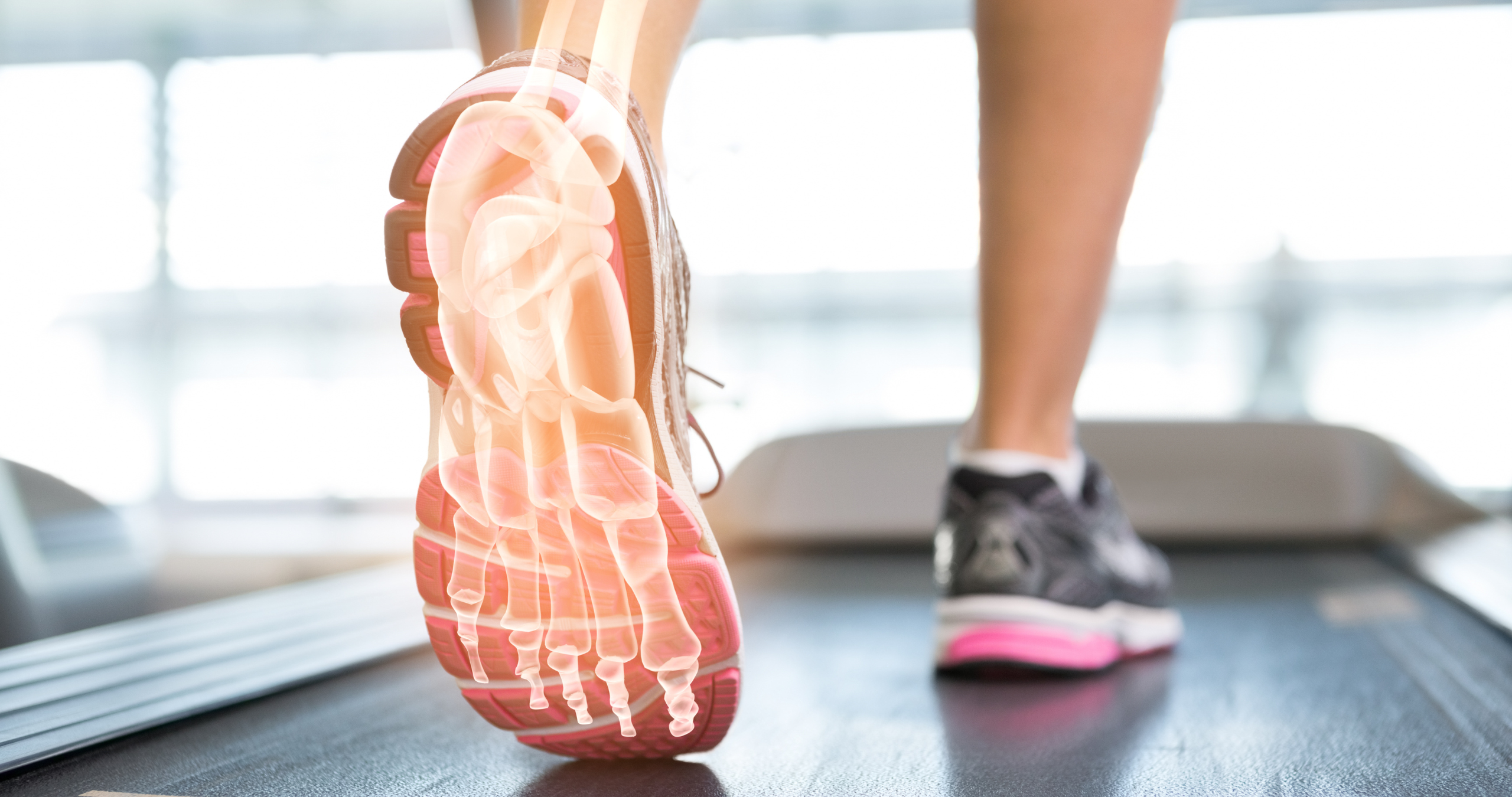
Plantar fasciitis can feel like a prison sentence for active individuals. That sharp, stabbing pain in your heel when you take your first steps in the morning. The discomfort that intensifies during your favorite activities. The frustration of being held back from performing at your best. For athletes, weekend warriors, and even casual enthusiasts who simply want to enjoy their activities pain-free, plantar fasciitis represents a significant barrier to mobility and performance.
But does this common foot condition have to derail your athletic pursuits? The answer is a resounding no—especially when you understand the powerful impact that proper foot support can have on both prevention and treatment. Today, we’ll explore how specialized insoles, particularly shock absorbing insoles, can transform your experience with plantar fasciitis and other foot-related challenges across various sports and activities.
Understanding Plantar Fasciitis: The Enemy of Athletic Performance
Before diving into solutions, let’s understand the problem. The plantar fascia is a thick band of tissue that runs along the bottom of your foot, connecting your heel bone to your toes. When this tissue becomes inflamed or develops tiny tears due to excessive stress, plantar fasciitis develops.
Athletes are particularly vulnerable to this condition. The repetitive impact from running, jumping, and cutting movements places tremendous stress on the plantar fascia. Without proper support, this stress accumulates over time, eventually leading to inflammation and pain.
Common risk factors that increase your likelihood of developing plantar fasciitis include:
- Participation in high-impact sports (running, basketball, football, soccer)
- Improper footwear with inadequate arch support
- Foot mechanics issues like flat feet or high arches
- Tight Achilles tendons or calf muscles
- Sudden increases in training intensity or duration
- Excess body weight placing additional strain on feet
The symptoms typically manifest as sharp heel pain, especially during the first steps after waking or after periods of rest. Many athletes describe it as feeling like they’re walking on broken glass or having a nail driven into their heel with each step.
The Critical Role of Sports Insoles for Athletes
When it comes to both preventing and addressing plantar fasciitis, few interventions are as effective as high-quality sports insoles. These specialized inserts go beyond the flimsy, one-size-fits-all options that come standard in most athletic footwear. Instead, they’re engineered to provide targeted support exactly where your feet need it most.
For men in particular, sports insoles men designs take into account the typical biomechanics, weight distribution, and anatomical structure of the male foot. This specificity matters tremendously when you’re talking about performance and injury prevention.
The best sports insoles deliver multiple benefits simultaneously:
- Arch support – Properly supports the foot’s natural arch to distribute weight evenly
- Shock absorption – Reduces impact forces that travel through the foot with each step
- Motion control – Limits excessive pronation (inward rolling) or supination (outward rolling)
- Pressure distribution – Spreads impact across the entire foot rather than concentrating it
- Heel stabilization – Cradles the heel to prevent unnecessary movement and stress
These benefits translate directly to reduced pain for those already suffering from plantar fasciitis and decreased risk for those looking to prevent it. But the advantages extend beyond just this one condition—quality insoles can improve overall performance and comfort across virtually all athletic endeavors.
Sport-Specific Benefits: From Running to Football
Different sports place unique demands on your feet, which is why specialized insoles have become increasingly important across various athletic disciplines. Let’s examine how sport-specific insoles can make a difference:
Running Insoles for Men
Runners face repetitive impact with each stride, making them prime candidates for plantar fasciitis. Running insoles for men are specifically designed to address this challenge with features tailored to the running motion. They typically offer enhanced shock absorption in the heel (where initial impact occurs) while maintaining flexibility in the forefoot to accommodate the natural toe-off phase of running.
For distance runners, cushioning that can withstand hours of pounding pavement becomes essential. Meanwhile, trail runners benefit from insoles that provide torsional stability to handle uneven terrain without excessive foot movement that could strain the plantar fascia.
Football Cleat Insoles Men
Football players face a different set of challenges. The sport involves explosive cuts, sudden stops, and high-impact collisions—all while wearing relatively thin, firm cleats designed for traction rather than comfort. Football cleat insoles men products address these specific needs.
These specialized insoles typically feature reinforced arch support to stabilize the foot during lateral movements and enhanced heel cups to lock the foot in place during acceleration and deceleration. The materials used are often more rigid than running insoles to provide the stability needed for cutting movements, while still incorporating shock absorbing properties to protect against impact.
Cleat Insoles for Various Sports
Beyond football, many other sports utilize cleated footwear that can benefit from specialized insoles. Soccer, baseball, lacrosse, and rugby all involve movements that can strain the plantar fascia. Generic cleat insoles provide a significant upgrade over the paper-thin inserts that typically come with cleated footwear.
What makes quality cleat insoles different is their low-profile design that fits the typically narrower shape of cleated footwear while still providing meaningful support and cushioning. They’re engineered to work within the constraints of cleated shoes without compromising the feel and connection with the ground that athletes depend on.
The Science Behind Shock Absorbing Insoles
When we talk about shock absorbing insoles, we’re referring to a specific technology designed to dissipate impact forces before they can cause damage to your feet and body. These forces are significant—research shows that running can generate impact forces of 2-3 times your body weight with each step. For a 180-pound athlete, that’s up to 540 pounds of force with every footfall.
Modern shock absorbing insoles utilize advanced materials and design principles to address this challenge:
- Viscoelastic polymers – Materials that absorb energy and return to their original shape
- Gel inserts – Strategically placed to cushion high-impact areas
- EVA foam – Provides lightweight cushioning with varying densities for targeted support
- Carbon fiber plates – Deliver rigidity where needed while allowing natural foot movement
- Airflow channels – Enhance comfort by reducing heat and moisture buildup
These technologies work together to create insoles that don’t just mask pain but actively reduce the mechanical stress that causes conditions like plantar fasciitis in the first place. For those already experiencing symptoms, this means less pain during activity and faster recovery afterward.
The CRUVHEAL Sport Shock Absorbing Insoles with Superior Cushioning exemplify this technology, incorporating multi-layered design that targets each aspect of foot support. Their engineering reflects the latest understanding of biomechanics to protect against plantar fasciitis while enhancing overall performance.
Beyond Plantar Fasciitis: The Comprehensive Benefits of Quality Insoles
While our focus has been on plantar fasciitis, the benefits of proper foot support extend far beyond this single condition. Quality insoles can address a cascade of issues that stem from poor foot mechanics.
When your feet aren’t properly supported, your entire kinetic chain—the linked system of joints and muscles running from your feet through your ankles, knees, hips, and spine—faces increased stress. This can manifest as:
- Shin splints from excessive pronation during running or jumping
- Knee pain as your patella tracks improperly due to foot position issues
- Hip bursitis from compensating for foot discomfort
- Lower back pain resulting from an altered gait pattern
- Decreased performance as your body works inefficiently
By addressing the foundation—your feet—quality insoles create a positive ripple effect throughout your body. Athletes often report improved endurance, reduced post-activity soreness, and better overall biomechanics after switching to proper insoles.
The preventive aspect shouldn’t be overlooked either. Many athletes only consider insoles after pain develops, but incorporating them before problems arise can help you avoid the discomfort and downtime associated with injuries like plantar fasciitis altogether.
Choosing the Right Insoles for Your Needs
With countless options on the market, selecting the right insoles can feel overwhelming. Here’s a straightforward approach to finding your perfect match:
Assess Your Foot Type
Understanding your foot’s natural structure is crucial. Do you have high arches that need additional support? Flat feet that require motion control? Neutral arches that benefit from balanced cushioning? A simple wet test (stepping on paper with wet feet to see your footprint) can help determine your arch type.
Consider Your Primary Activity
Different activities demand different features. Running insoles for men prioritize cushioning and flexibility. Football cleat insoles men designs focus on stability and protection during cutting movements. Matching the insole to your sport ensures you’re getting the specific benefits you need.
Evaluate Your Symptoms
If you’re already experiencing pain, look for insoles that target your specific issues. For plantar fasciitis, seek options with pronounced heel cups and arch support. For general fatigue, prioritize overall cushioning and shock absorption.
Check Compatibility with Your Footwear
Not all insoles fit all shoes. Cleat insoles are typically thinner to accommodate the limited space in cleated footwear. Running shoes generally allow for thicker, more cushioned options. Always consider whether your chosen insoles will work with the shoes you’ll be wearing them in.
Consider Durability Needs
How frequently will you use these insoles? High-intensity, frequent athletes should invest in premium options with longer lifespans, while occasional participants might find mid-range options sufficient. Quality insoles like the CRUVHEAL models are designed to maintain their supportive properties through extended use.
Real-World Results: How Athletes Transform Their Experience
The impact of proper foot support goes beyond theoretical benefits. Athletes across sports report transformative experiences after switching to quality insoles. Take Jason, a collegiate football player who struggled with persistent heel pain that limited his ability to cut and accelerate effectively. After incorporating specialized football cleat insoles men designs into his footwear, he experienced a 70% reduction in pain within two weeks and returned to full performance capacity within a month.
Or consider Maria, a marathon runner who developed plantar fasciitis during training for her third race. Rather than abandoning her goal, she invested in running insoles for men (despite being female, she found the slightly firmer support beneficial for her running style). The result? She completed her marathon with minimal discomfort and recorded a personal best time.
These aren’t isolated cases. The right insoles consistently deliver measurable improvements in both comfort and performance. Athletes report:
- Faster recovery between training sessions
- Extended duration of comfortable activity
- Improved balance and proprioception (awareness of body position)
- Reduced injury rates overall
- Greater confidence during high-intensity movements
Taking the Next Step: Integrating Insoles Into Your Athletic Life
Ready to experience the difference that proper foot support can make? Here’s how to successfully incorporate quality insoles into your athletic routine:
- Start with a brief break-in period – Wear your new insoles for progressively longer periods over 5-7 days to allow your feet to adjust
- Monitor your body’s feedback – Pay attention to changes in comfort, performance, and recovery
- Maintain proper care – Remove and air out insoles after activities to extend their lifespan
- Replace when necessary – Even the best insoles eventually compress and lose effectiveness (typically after 6-12 months of regular use)
- Consider having multiple pairs – Different activities and footwear may benefit from specific insole types
For those dealing with plantar fasciitis or seeking to prevent it, shock absorbing insoles represent one of the most effective interventions available. The CRUVHEAL Sport Shock Absorbing Insoles with Superior Cushioning offer premium support designed specifically for active individuals who refuse to let foot pain limit their potential.
Conclusion: Freedom From Limitations
Plantar fasciitis doesn’t have to hold you back from the activities you love. With the right approach to foot support—specifically through high-quality, sport-appropriate insoles—you can address this common condition effectively while enhancing your overall athletic experience.
Whether you’re a dedicated runner seeking running insoles for men, a football player in need of specialized football cleat insoles men designs, or any athlete looking for improved comfort and performance, the solution often lies beneath your feet. Proper support creates a foundation for pain-free movement and optimal performance.
Don’t let foot pain determine what you can achieve. Invest in your foundation with quality insoles and experience the freedom that comes with moving without limitations. Your feet carry you through every step of your athletic journey—give them the support they deserve.