
Insoles vs. Orthoses: What Works Best for Plantar Fasciitis Relief and Athletic Performance?
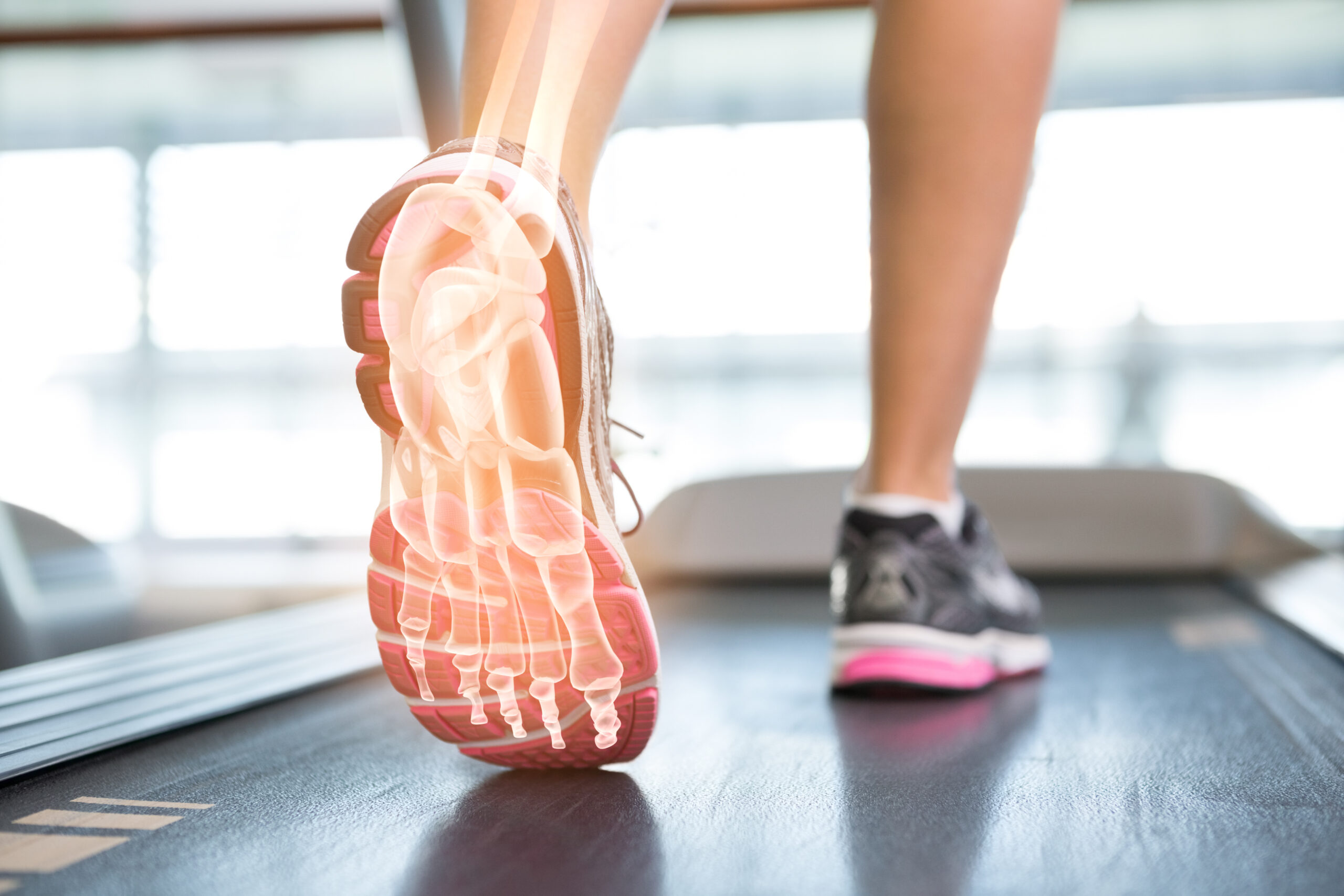
If you’ve ever experienced the stabbing pain of plantar fasciitis with your first steps in the morning or after long periods of standing, you understand how debilitating foot pain can be. Whether you’re an athlete looking to enhance performance or someone seeking relief from foot discomfort, the world of foot support solutions can be overwhelming. Among the most common questions: should you invest in simple insoles or more specialized orthoses? This comprehensive guide will explore the differences, benefits, and ideal use cases for both options—with a special focus on how they address plantar fasciitis and enhance athletic performance.
Understanding Plantar Fasciitis: The Painful Reality
Plantar fasciitis occurs when the plantar fascia—a thick band of tissue that runs across the bottom of your foot connecting your heel bone to your toes—becomes inflamed. This inflammation results from repetitive strain, which creates tiny tears in the fascia, leading to pain and stiffness. The condition affects approximately 2 million Americans annually, making it one of the most common causes of heel pain.
The impact of plantar fasciitis on movement cannot be overstated. It fundamentally alters the way you walk, run, and stand, as your body attempts to compensate for the pain. This compensation can lead to a cascade of issues affecting your ankles, knees, hips, and even your lower back. Athletes, particularly runners and those who participate in high-impact sports, often find their performance significantly diminished when dealing with plantar fasciitis.
The good news? Both insoles and orthoses can provide substantial relief—though they work in different ways and address varying needs.
Insoles: The Accessible Solution for Everyday Comfort and Athletic Enhancement
Insoles, also known as footbeds or inner soles, are removable shoe inserts designed to provide additional cushioning, support, and comfort. They range from simple foam inserts to more sophisticated shock absorbing insoles with multiple layers of different materials. Unlike orthoses, most insoles are available over-the-counter and don’t require a prescription or custom fitting.
For athletes, specialized sports insoles for men offer targeted support based on specific activities. For instance, football cleat insoles for men are designed to distribute pressure evenly across the foot while providing stability during quick directional changes. Similarly, running insoles for men focus on cushioning the impact of each stride, potentially reducing the risk of plantar fasciitis development or exacerbation.
The primary benefits of quality insoles include:
- Improved shock absorption, reducing impact stress on feet and joints
- Enhanced comfort during prolonged standing or athletic activities
- Better weight distribution across the foot
- Reduced fatigue during long workouts or games
- Affordability and accessibility compared to custom options
For athletes using cleats, cleat insoles can be particularly valuable. The rigid structure of cleated footwear often lacks adequate cushioning, making additional support crucial for preventing pain and injury. These specialized insoles help mitigate the increased ground reaction forces experienced when playing on hard surfaces.
Orthoses: The Specialized Approach to Foot Mechanics
Orthoses (often called orthotics) represent the more specialized end of the spectrum. These devices are designed to correct biomechanical foot issues or abnormal walking patterns. While some over-the-counter orthotic devices exist, the most effective ones are custom-made to address an individual’s specific foot structure and gait patterns.
Custom orthoses typically begin with a thorough assessment by a podiatrist or orthotist, who takes impressions or scans of your feet and analyzes your walking pattern. The resulting devices are precisely engineered to correct specific issues such as overpronation (excessive inward rolling of the foot) or supination (insufficient inward rolling).
The key advantages of orthoses include:
- Personalized correction of biomechanical issues
- Potential for long-term correction of foot problems
- Prescription-level treatment for specific medical conditions
- Durability—typically lasting years rather than months
- Comprehensive support targeting your unique foot structure
For severe cases of plantar fasciitis, orthoses can provide targeted relief by supporting the arch and reducing strain on the plantar fascia. They’re particularly valuable for individuals with structural foot abnormalities that contribute to their condition.
Comparative Analysis: Which Option Addresses Plantar Fasciitis Better?
When specifically addressing plantar fasciitis, both insoles and orthoses offer distinct advantages. The right choice depends on several factors including the severity of your condition, your activity level, and budget considerations.
For mild to moderate plantar fasciitis, high-quality shock absorbing insoles can provide significant relief. These work by cushioning the heel and supporting the arch, reducing strain on the plantar fascia. Brands like CRUVHEAL have developed specialized insoles that incorporate targeted cushioning zones to address the specific needs of plantar fasciitis sufferers.
For athletes, the decision becomes more nuanced. Sports insoles for men designed with extra heel cushioning and arch support can effectively prevent and manage mild plantar fasciitis while enhancing athletic performance. These insoles are engineered to accommodate the unique demands of specific sports, whether it’s the lateral movements in football or the repetitive impact of running.
However, for severe or persistent plantar fasciitis, especially when accompanied by significant biomechanical issues, custom orthoses may provide superior results. The personalized approach ensures that the underlying causes of your plantar fasciitis are addressed, potentially offering a more permanent solution.
Athletic Performance Enhancement: Insoles for Specific Sports
Beyond treating conditions like plantar fasciitis, both insoles and orthoses can significantly enhance athletic performance. The right foot support can improve stability, power transfer, and reduce fatigue—all crucial elements for optimal performance.
For runners, specialized running insoles for men can make a dramatic difference in comfort and performance. These insoles typically feature enhanced cushioning in the heel and forefoot to absorb impact forces, along with arch support to maintain proper foot alignment throughout your stride. Many runners report improved endurance and faster recovery when using quality insoles.
Football players face unique challenges with cleated footwear. Standard football cleat insoles for men often lack adequate cushioning and support, leading to discomfort during long practices and games. Specialized cleat insoles address this deficiency by providing targeted cushioning while maintaining the responsive feel essential for quick movements on the field.
One standout product in this category is the CRUVHEAL Sport Shock Absorbing Insoles, which combine advanced cushioning technology with sport-specific support features. These insoles are engineered to enhance performance while providing the protection and comfort athletes need for extended training sessions and competition.
Making the Right Choice: Factors to Consider
Selecting between insoles and orthoses requires careful consideration of several key factors:
- Severity of your condition: Mild to moderate plantar fasciitis may respond well to quality insoles, while severe cases often require custom orthoses
- Activity level and type: Different sports demand different types of support; specialized sports insoles for men might be sufficient for recreational athletes
- Foot structure: Significant structural abnormalities typically require the personalized approach of custom orthoses
- Budget considerations: Quality insoles range from $30-$80, while custom orthoses can cost $300-$600
- Immediate vs. long-term needs: Insoles provide faster relief, while orthoses may offer more lasting solutions
For many individuals, a stepped approach makes sense. Starting with high-quality insoles like the CRUVHEAL shock-absorbing models can provide immediate relief while you evaluate whether more specialized intervention is necessary. If symptoms persist despite using quality insoles, consulting with a podiatrist about custom orthoses becomes the logical next step.
Implementation and Adjustment Period: What to Expect
Whether you choose insoles or orthoses, an adjustment period is normal. Your feet need time to adapt to the new support structure, and your gait pattern may change as a result. For most insoles, this adjustment period lasts about 1-2 weeks, during which you might experience minor discomfort as your feet acclimate to the new support.
For custom orthoses, the adjustment period can be longer—typically 2-4 weeks. During this time, it’s advisable to gradually increase wear time, starting with a few hours per day and working up to full-day use. Some temporary muscle soreness is normal as your feet and legs adjust to improved alignment.
Implementation tips for success include:
- Start by wearing your new insoles or orthoses for 2-3 hours the first day
- Increase wear time by 1-2 hours daily as comfort permits
- Consider having multiple pairs for different shoes if possible
- Monitor any pain points and adjust as necessary
- Combine with appropriate stretching and strengthening exercises for optimal results
Conclusion: Finding Your Ideal Foot Support Solution
The journey to finding the perfect foot support solution is inherently personal. For many active individuals dealing with plantar fasciitis or seeking performance enhancement, quality insoles like the shock absorbing insoles from CRUVHEAL offer an excellent starting point. These accessible, affordable options provide significant benefits for most users without requiring medical intervention.
Athletes with specific needs—whether football cleat insoles for men or running insoles for men—can find specialized solutions designed for their sport’s unique demands. These sport-specific insoles balance performance enhancement with protective features to keep you competing at your best.
For those with severe or persistent plantar fasciitis, structural foot abnormalities, or complex biomechanical issues, custom orthoses remain the gold standard. While more expensive and requiring professional fitting, they offer personalized correction that can provide lasting relief.
Ultimately, the best approach may involve a combination of solutions—perhaps using specialized CRUVHEAL Sport Shock Absorbing Insoles for athletic activities while utilizing custom orthoses in everyday footwear. By understanding the differences between these options and honestly assessing your needs, you can make an informed decision that puts you on the path to pain-free movement and improved performance.