
Industrial Foot Safety: How to Protect Your Feet from Sharp Objects and Prevent Foot Pain
May 24, 2026
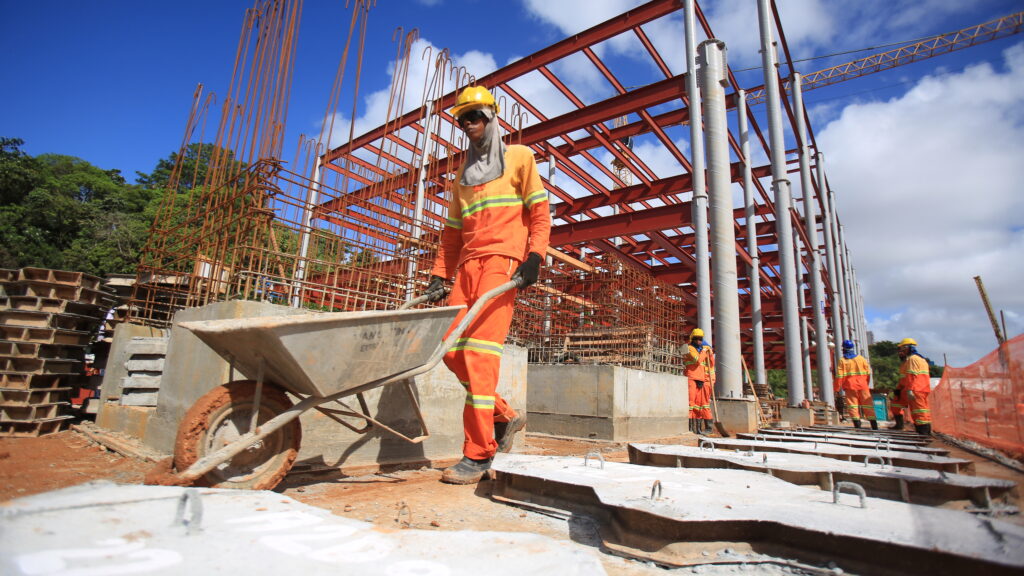
Working in industrial environments exposes your feet to countless hazards every single day. From stray nails and metal shavings to broken glass and sharp debris, the risk of puncture wounds and foot injuries is constant. Beyond the immediate danger of lacerations, prolonged standing on hard industrial floors can lead to debilitating conditions including plantar fasciitis symptoms, heel pain, shin splints, and achilles tendinitis. Understanding how to protect your feet in these demanding environments isn’t just about safety—it’s about preserving your long-term health and mobility.
Whether you work in construction, manufacturing, warehousing, or any industrial setting, this comprehensive guide will provide you with practical strategies to safeguard your feet from both acute injuries and chronic pain conditions. Let’s explore the essential knowledge every industrial worker needs to keep their feet protected, healthy, and pain-free throughout their career.
Understanding the Real Dangers on Industrial Floors
Industrial workplaces present a unique combination of hazards that put your feet at constant risk. Sharp objects like nails, screws, metal fragments, and broken glass are commonly found scattered across floors in construction sites, factories, and warehouses. These hazards can easily penetrate standard footwear, causing puncture wounds that may lead to serious infections or permanent damage.
Beyond penetration injuries, the hard concrete and metal surfaces typical of industrial settings create another serious problem: repetitive stress injuries. Workers who spend hours standing all day or walking all day on these unforgiving surfaces frequently develop conditions such as plantar fasciitis, heel spurs, bunions, foot corns, and persistent ankle pain. The cumulative effect of these conditions can be career-ending if not addressed properly.
The statistics are sobering. According to occupational safety data, foot injuries account for a significant percentage of workplace accidents, with many resulting in lost work time and substantial medical expenses. The good news is that most of these injuries are entirely preventable with the right knowledge and protective equipment.
Essential Protective Footwear for Industrial Environments
Your first line of defense against foot injuries is appropriate safety footwear. Steel-toed boots have long been the industry standard, but modern industrial safety shoes offer even more comprehensive protection. When selecting footwear for hazardous environments, consider these critical features:
- Puncture-resistant midsoles that prevent sharp objects from penetrating through the sole
- Steel or composite toe caps that protect against falling objects and compression injuries
- Slip-resistant outsoles designed for industrial floor surfaces
- Electrical hazard protection if you work around live circuits
- Chemical-resistant materials for environments with corrosive substances
- Ankle support to prevent twisting injuries and reduce strain
However, even the best safety boots can’t address all foot health concerns. The rigid construction necessary for protection often means limited cushioning and arch support, which can contribute to conditions like heel pain and plantar fasciitis symptoms after long shifts. This is where specialized insoles become essential for complete foot protection.
The Critical Role of Puncture-Resistant Insoles
While quality safety boots provide external protection, adding puncture-resistant insoles creates an additional barrier between your feet and potential hazards. These specialized insoles feature reinforced layers made from materials like Kevlar, steel mesh, or advanced composite materials that can stop nails, glass shards, and other sharp objects from reaching your foot.
Modern puncture-resistant insoles do more than just protect against penetration. The best insoles for walking and standing all day combine multiple functions: they prevent puncture injuries while simultaneously providing the arch support and cushioning necessary to prevent chronic pain conditions. This dual-purpose design addresses both acute injury risks and long-term health concerns in a single solution.
For workers facing daily exposure to sharp objects on industrial floors, investing in high-quality puncture-resistant insoles is non-negotiable. These insoles work seamlessly with your existing safety footwear to create a comprehensive protection system. If you’re serious about protecting your feet from both immediate hazards and long-term damage, explore these puncture-resistant protective insoles specifically engineered for industrial environments.
Choosing the Best Insoles for Standing All Day
When your job requires extended periods on your feet, the right insoles become as important as your boots themselves. The best insoles for all day standing must address several key factors that contribute to foot fatigue and pain:
- Arch Support: Proper arch support prevents the foot from collapsing inward, which reduces strain on the plantar fascia and helps prevent conditions like plantar fasciitis and heel spurs.
- Shock Absorption: Quality cushioning materials absorb the repetitive impact of walking on hard surfaces, protecting your joints and reducing the risk of shin splints and knee pain.
- Heel Cupping: A deep heel cup stabilizes the foot and distributes pressure evenly, which can alleviate heel pain and prevent achilles tendinitis.
- Metatarsal Support: Cushioning under the ball of the foot prevents conditions like foot corns, blisters, and metatarsalgia that plague workers who stand for long hours.
- Moisture Management: Breathable materials keep feet dry, reducing friction that causes blisters and preventing fungal infections.
The best insoles for standing all day in industrial settings must integrate all these features while maintaining the protective qualities necessary for hazardous environments. Custom orthotics prescribed by podiatrists can address specific foot conditions, but many workers find that high-quality over-the-counter insoles designed for industrial use provide excellent protection and comfort at a more accessible price point.
Preventing Common Industrial Foot Conditions
Understanding the specific conditions that affect industrial workers helps you take targeted preventive action. Here are the most common foot problems in these environments and how to avoid them:
Plantar Fasciitis: This inflammation of the tissue connecting your heel to your toes causes severe heel pain, especially with the first steps in the morning. Prevention requires proper arch support and cushioning, particularly for workers who walk extensive distances on concrete floors. The insoles for walking all day should feature firm arch support and heel cushioning.
Heel Spurs: Calcium deposits that form on the heel bone often develop alongside plantar fasciitis. A heel spur causes stabbing pain with each step. Proper footwear with shock-absorbing insoles can prevent the repetitive trauma that leads to these painful formations.
Achilles Tendinitis: The repetitive stress of industrial work can inflame the achilles tendon, causing pain at the back of the heel and lower calf. Insoles with proper heel elevation and cushioning reduce strain on this critical tendon.
Bunions and Foot Corns: Poorly fitting boots combined with long hours standing create pressure points that lead to bunions and foot corns. Ensuring proper boot sizing and using insoles that redistribute pressure can prevent these painful deformities.
Daily Practices for Industrial Foot Safety
Beyond equipment, daily habits significantly impact your foot health in industrial environments. Implementing these practices can dramatically reduce your injury risk:
Start each shift with a quick floor inspection in your work area. Even a few minutes spent identifying and removing sharp objects can prevent serious injuries. Make it a habit to properly dispose of nails, screws, glass fragments, and metal shavings immediately rather than leaving them for later.
Take advantage of break times to rest your feet. Even brief periods off your feet allow blood to circulate properly and give stressed tissues time to recover. If possible, elevate your feet during breaks to reduce swelling and fatigue.
Maintain your protective footwear properly. Inspect your boots regularly for worn soles, damaged toe caps, or compromised puncture-resistant layers. Replace insoles every three to six months, as the protective and cushioning properties degrade with use.
Stay aware of your body’s signals. Foot pain is not something to ignore or “push through.” Early intervention when you first notice symptoms of plantar fasciitis symptoms, ankle pain, or other conditions prevents minor issues from becoming chronic problems that could end your career.
Conclusion: Prioritizing Your Foot Health for Long-Term Success
Industrial foot safety requires a comprehensive approach that addresses both immediate hazards and long-term health concerns. Sharp objects like nails and glass present obvious dangers, but the cumulative effects of standing and walking on hard surfaces all day can be equally damaging to your career and quality of life.
Protecting your feet starts with quality safety footwear, but doesn’t end there. Adding specialized puncture-resistant insoles that also provide superior support and cushioning creates a complete protection system. The best insoles for walking and standing all day in industrial environments combine puncture resistance with the biomechanical support necessary to prevent chronic conditions like plantar fasciitis, heel spurs, achilles tendinitis, and other debilitating problems.
Your feet are your foundation—literally and professionally. In industrial work, they face challenges that few other body parts must endure. By understanding the risks, investing in proper protection, and maintaining good daily practices, you can safeguard your feet throughout your entire career. Don’t wait until pain becomes unbearable or an injury sidelines you. Take action today to ensure your feet remain healthy, protected, and pain-free for years to come. Your future mobility and career longevity depend on the choices you make right now.