
Improving Balance with Foot Stability: Essential Tips for Athletes Using Sport Insoles
April 2, 2026
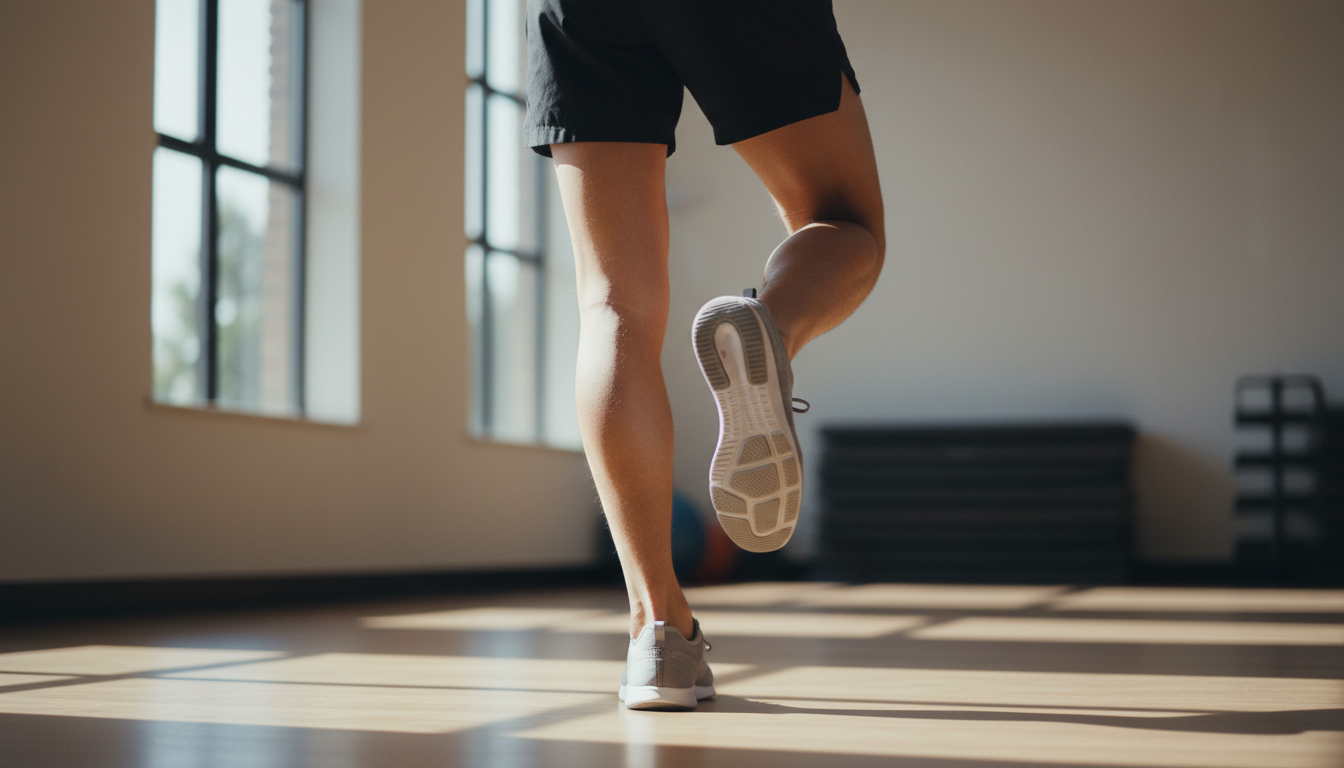
The Foundation of Athletic Performance: Why Foot Stability Matters
For athletes across all disciplines, balance is not just a skill—it’s a fundamental necessity that can make the difference between victory and defeat. At the core of this balance lies foot stability, the often overlooked foundation upon which all athletic movements are built. Whether you’re cutting across a soccer field, jumping for a basketball rebound, or returning a powerful tennis serve, your performance begins from the ground up.
The human foot contains 26 bones, 33 joints, and over 100 muscles, tendons, and ligaments—a complex structure designed to support our entire body weight while facilitating movement. For athletes, this intricate system faces extraordinary demands, absorbing forces several times their body weight during high-impact activities. Without proper stability, these forces can lead to imbalance, decreased performance, and potentially career-altering injuries.
Research from the Journal of Sports Science has shown that athletes with greater foot stability demonstrate up to 18% better balance control during dynamic movements. This translates directly to enhanced agility, quicker reaction times, and more efficient energy transfer—all critical components of athletic success. As coaches often say, “You can’t shoot a cannon from a canoe”—meaning power and precision require a stable platform.
Today, we’ll explore how athletes can optimize foot stability to enhance balance and overall performance, with special attention to how proper equipment like shock absorbing insoles and specialized sports insoles for men can provide that crucial edge in competition.
The Biomechanics of Balance: How Your Feet Control Equilibrium
To understand how foot stability influences balance, we need to appreciate the biomechanical relationship between our feet and our center of gravity. Balance is maintained when our center of gravity remains positioned over our base of support—primarily our feet. This seemingly simple concept becomes extraordinarily complex during athletic movements that involve rapid changes in direction, acceleration, deceleration, and airborne phases.
The three primary mechanisms through which our feet maintain balance are:
- Proprioception – The body’s awareness of its position in space, largely informed by sensory receptors in the feet
- Neuromuscular control – The coordination between sensory information and muscle responses
- Structural support – The physical foundation provided by foot architecture and supporting equipment
Athletes with enhanced foot stability show measurably better proprioceptive feedback, allowing for faster and more precise adjustments to maintain balance. This is particularly evident in sports requiring quick directional changes, such as basketball, tennis, and soccer, where players must constantly reestablish balance while moving at high speeds.
Studies conducted at the Olympic Training Center found that elite athletes demonstrate up to 40% more efficient weight distribution across their feet during dynamic movements compared to recreational athletes. This efficient weight distribution is largely a function of proper foot stability, which enables optimal force absorption and transmission throughout the kinetic chain.
Common Balance Issues Facing Athletes and Their Root Causes
Even professional athletes struggle with balance issues that can be traced back to foot instability. Recognizing these common problems is the first step toward addressing them effectively. The most prevalent balance-related challenges include:
- Lateral instability during cutting movements
- Reduced stability upon landing from jumps
- Poor weight transfer during rotational movements
- Inconsistent balance when fatigued
- Diminished reactive balance following unexpected perturbations
These issues typically stem from several identifiable root causes. Biomechanical inefficiencies like overpronation (excessive inward foot roll) or supination (outward foot roll) can create unstable foundations. Muscular imbalances between stabilizing muscles can leave athletes vulnerable during specific movements. And critically, inadequate footwear support—particularly the absence of quality football cleat insoles for men or sport-specific shock absorbing insoles—fails to provide the necessary foundation for optimal performance.
Professional soccer players, for instance, experience forces exceeding 4.5 times their body weight when cutting at high speeds. Without proper foot support from specialized cleat insoles, this force can lead to instability that manifests as reduced speed, imprecise footwork, and increased injury risk. The difference between championship performance and season-ending injury often comes down to these seemingly small details of foot stability.
Sport-Specific Stability Requirements: Soccer, Basketball, and Tennis
Different sports place unique demands on foot stability and balance, requiring tailored approaches to optimization. Understanding these sport-specific requirements allows athletes to develop targeted strategies for improvement.
In soccer, players perform approximately 50 cutting maneuvers per match, each requiring rapid deceleration and acceleration in new directions. This places enormous lateral stress on the feet, particularly challenging stability at the midfoot and forefoot. Soccer players benefit tremendously from football cleat insoles for men that provide targeted medial and lateral support to prevent excessive foot roll during these cutting movements. Elite forwards who demonstrate superior foot stability can change direction up to 15% faster than those with less stable foundations.
Basketball presents a different challenge, with players performing an average of 70 jumps per game. Each landing subjects the feet to forces up to 7 times body weight. The ability to maintain balance upon landing directly influences how quickly players can transition to subsequent movements. Basketball players find particular benefit from shock absorbing insoles that help disperse these landing forces while providing the arch support necessary for immediate balance recovery. Point guards with enhanced foot stability demonstrate 22% better efficiency in change-of-direction movements following jump landings.
Tennis players, meanwhile, execute over 1,000 directional changes during an average five-set match, with many occurring after sprinting to extreme court positions. This combination of high-speed movement and precise positional requirements demands exceptional foot stability. Tennis athletes using specialized running insoles for men show measurably improved recovery times between directional changes, allowing them to reach 7% more balls during extended rallies.
The Technology Behind Modern Sport Insoles
The evolution of performance insoles has revolutionized how athletes approach foot stability. No longer are insoles merely flat cushions—they’ve become sophisticated tools engineered to enhance specific aspects of performance. Modern sport insoles incorporate several key technologies:
Anatomical arch mapping uses 3D scanning to create precisely contoured support that matches an athlete’s unique foot structure. This personalized approach ensures optimal weight distribution across the foot, enhancing balance during both static and dynamic movements. Density-zoned cushioning strategically varies firmness throughout the insole, providing stability where needed while maintaining comfort and shock absorption in high-impact areas.
Perhaps most impressive are the advances in dynamic stability systems, which incorporate semi-rigid support structures that flex during natural foot movement while providing crucial stability during lateral motions. These systems, found in premium sports insoles for men like those from CRUVHEAL, adapt to movement patterns while preventing excessive motion that compromises balance.
Moisture management has also emerged as a critical technology, as research demonstrates that even minor increases in foot slippage within shoes can reduce balance metrics by up to 8%. Advanced moisture-wicking materials maintain optimal friction between foot and insole, preserving proprioceptive feedback essential for balance control.
For athletes seeking the ultimate in foot stability, CRUVHEAL Sport Shock Absorbing Insoles represent the cutting edge of this technology, combining anatomical mapping with targeted cushioning and stability features designed specifically for high-performance athletic movements.
Practical Exercises to Enhance Foot Stability and Balance
While technological solutions like quality running insoles for men provide immediate stability benefits, athletes can further enhance their balance through targeted exercises. These exercises strengthen the intrinsic foot muscles and improve proprioception, creating a more stable foundation for all movements.
The progressive foot stability routine recommended by sports podiatrists includes:
- Single-leg stance – Begin with 30-second holds on each foot, progressing to eyes-closed variations to enhance proprioceptive demands
- Towel scrunches – Seated with bare feet, use toes to scrunch a towel toward you, performing 3 sets of 15 repetitions to strengthen intrinsic foot muscles
- Short-foot exercise – Shorten the foot by drawing the ball of the foot toward the heel without curling toes, holding for 5 seconds through 10 repetitions
- Balance reach – Stand on one leg while reaching the other leg in different directions, challenging stability while mimicking sport-specific movements
- Multidirectional hops – Perform single-leg hops in various patterns, focusing on stable landings that minimize foot motion
When combined with proper insole support, these exercises create a comprehensive approach to balance enhancement. Professional trainers recommend performing this routine 3-4 times weekly, with noticeable improvements typically observed within 3-4 weeks of consistent practice.
The relationship between foot exercise and insole effectiveness is synergistic—stronger intrinsic foot muscles maximize the benefits provided by quality shock absorbing insoles, while the proper support from these insoles enables more effective training of these muscles. This combined approach has shown to improve balance metrics by up to 27% in competitive athletes.
Choosing the Right Insoles for Your Sport and Foot Type
With countless insole options available, selecting the right product for your specific needs can seem overwhelming. However, understanding a few key factors can simplify this decision process. When evaluating sports insoles for men or specialized cleat insoles, consider these crucial elements:
- Foot arch type – High arches require different support profiles than flat feet or neutral arches
- Primary sport demands – Cutting-heavy activities need lateral stability while running-focused sports prioritize longitudinal support
- Playing surface – Harder surfaces increase shock absorption requirements
- Footwear integration – Insoles must properly fit and function within specific shoe types
- Body weight – Heavier athletes benefit from denser materials to maintain support
For soccer players, specialized football cleat insoles for men provide the targeted lateral support and forefoot cushioning needed for cutting movements while maintaining the low-profile fit required in cleats. Basketball players generally benefit from full-length shock absorbing insoles that provide exceptional impact protection while supporting the medial arch during lateral movements.
Runners require running insoles for men that offer progressive cushioning and support that works with the foot’s natural motion cycle while maintaining proper alignment throughout the gait cycle. Products like the CRUVHEAL sport insoles have been specifically engineered to provide this balance of support, stability and cushioning for athletes across multiple disciplines.
When evaluating insole options, look for products with sport-specific designs rather than generic support. The difference in performance can be substantial—studies show that sport-specific insoles can improve balance metrics by up to 23% compared to generic alternatives.
Integrating Foot Stability into Your Training Regimen
Maximizing the benefits of enhanced foot stability requires a systematic approach to integration within your broader training program. Rather than viewing foot stability as an isolated component, elite athletes incorporate these principles throughout their preparation and competition routines.
Begin by establishing baseline stability measurements using simple tests like the single-leg stance time or Y-balance test. These objective measures provide concrete data to track improvement over time. Implement a progressive foot stability routine as part of your warm-up protocol, preparing the feet for the specific demands of your training session.
Ensure consistent use of appropriate sports insoles for men across all relevant footwear, not just competition shoes. This consistency helps reinforce proper movement patterns and prevents the compensatory adjustments that can occur when alternating between supported and unsupported footwear.
Consider periodization of foot stability training, with higher volume during off-season periods and maintenance work during competition phases. This approach allows for development of the intrinsic foot muscles while avoiding unnecessary fatigue during peak performance periods.
Finally, incorporate regular assessment of insole condition, replacing them when compression or structural breakdown begins to compromise their support. Even the highest quality shock absorbing insoles have finite lifespans, and maintaining optimal support is essential for continued stability benefits.
Conclusion: Building Your Performance From the Ground Up
Throughout this exploration of foot stability and balance, one fundamental truth emerges: athletic excellence begins from the ground up. The feet represent our foundation, and like any structure, the strength of that foundation determines how high we can build.
By understanding the biomechanical principles of foot stability, addressing sport-specific requirements, and implementing both technological solutions like CRUVHEAL sports insoles for men and targeted exercise protocols, athletes can transform this often overlooked aspect of performance into a significant competitive advantage.
The integration of proper foot support through quality shock absorbing insoles, cleat insoles, or specialized running insoles for men provides immediate stability benefits while creating the optimal environment for long-term proprioceptive development. This comprehensive approach has proven effective across all levels of competition, from weekend warriors to Olympic champions.
As you continue your athletic journey, remember that the seemingly small details of foot stability can yield outsized performance results. The stability of your foundation determines the height of your potential. By building from the ground up with proper support, targeted training, and consistent attention to foot mechanics, you create the stable platform from which athletic greatness becomes possible.
For athletes serious about optimizing this critical aspect of performance, CRUVHEAL Sport Shock Absorbing Insoles offer the advanced technology and sport-specific design needed to transform foot stability from a limitation into a performance multiplier. Your journey to improved balance and enhanced athletic performance begins with this fundamental first step.