
Natural Relief for Heel Spurs: Exercises, Insoles, and Prevention Strategies
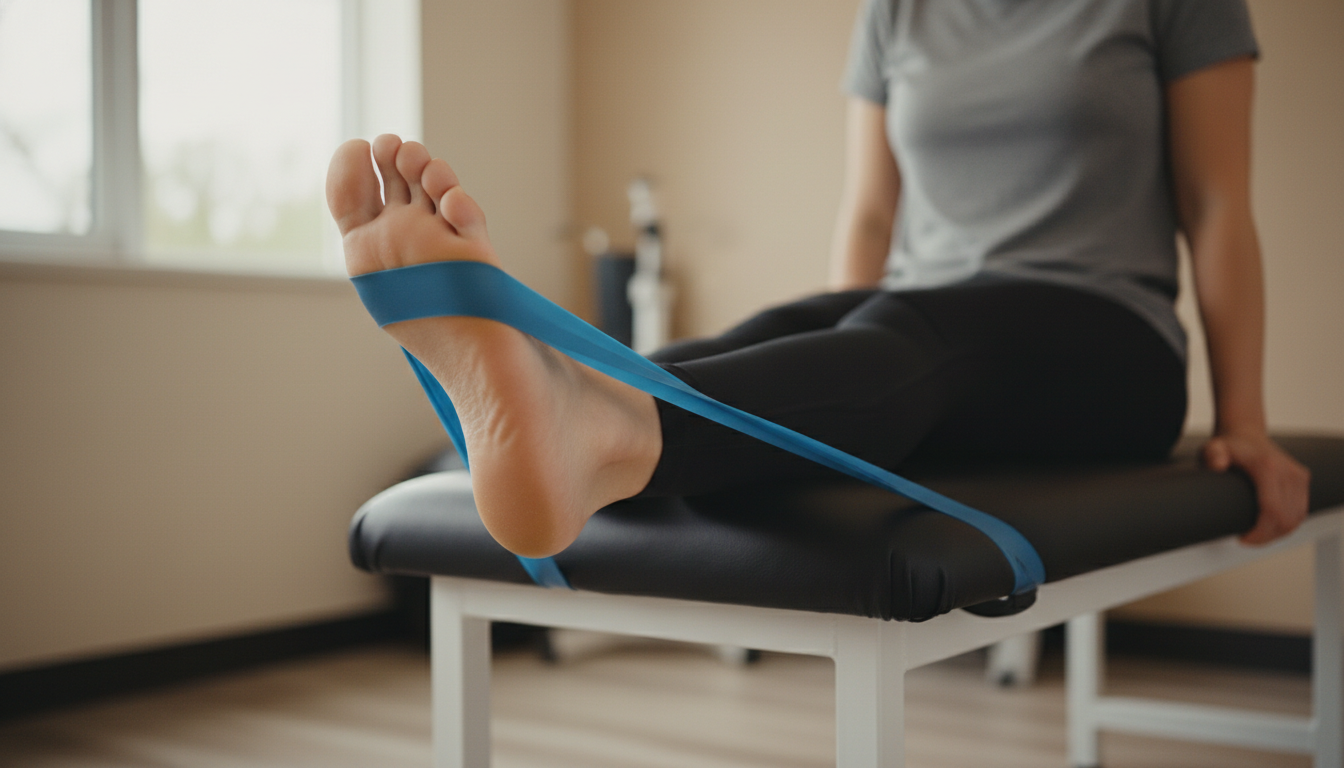
Heel spurs can turn every step into a painful reminder of the bony growth that’s formed on your heel. While these calcium deposits often develop gradually, the discomfort they cause can significantly impact your daily activities and athletic performance. The good news? You don’t always need surgery or medication to find relief. This comprehensive guide explores natural approaches to managing heel spurs, with special attention to correcting overpronation – a common contributing factor to this painful condition.
Understanding Heel Spurs and Their Connection to Overpronation
Heel spurs are calcium deposits that form a bony protrusion on the underside of the heel bone. They often develop in response to chronic stress on the plantar fascia, the fibrous tissue that connects your heel to your toes. While heel spurs themselves might not always cause pain, the inflammation around them certainly can.
Overpronation – the excessive inward rolling of the foot during walking or running – is a primary contributor to heel spur development. When your feet overpronate, the plantar fascia stretches abnormally with each step, creating micro-tears and inflammation. Over time, your body responds by depositing calcium, forming the characteristic spur.
The relationship between overpronation and heel spurs highlights an important fact: addressing your foot mechanics is crucial for both treating existing spurs and preventing new ones from forming. This is where proper support from quality shock absorbing insoles becomes invaluable.
Symptoms and Diagnosis: Identifying Heel Spurs
Before diving into natural remedies, it’s important to understand if what you’re experiencing is indeed a heel spur. Common symptoms include:
- Sharp pain in the heel, especially during the first steps in the morning
- Discomfort that may decrease after walking but returns after periods of rest
- A dull ache in the heel throughout the day
- Inflammation and swelling at the front of the heel
- Visible bony protrusion in severe cases
While these symptoms suggest a heel spur, proper diagnosis typically requires imaging tests like X-rays. If you’re experiencing persistent heel pain, consulting with a healthcare provider is recommended before beginning any treatment program.
Corrective Exercises for Overpronation and Heel Spur Relief
One of the most effective natural approaches to heel spur management involves strengthening the muscles that control foot positioning. The following exercises specifically target overpronation and provide relief from heel spur discomfort:
- Arch Lifts: While seated, keep your heel on the ground and lift just the arch of your foot without curling your toes. Hold for 5 seconds, then release. Perform 2-3 sets of 10-15 repetitions daily.
- Toe Curls: Place a towel flat on the floor and use your toes to scrunch it toward you. This strengthens the intrinsic foot muscles that support your arch. Aim for 3 sets of 10-15 curls per foot.
- Calf Stretches: Stand facing a wall with one foot forward and one back. Keep your back heel on the ground while leaning forward to stretch the calf. Hold for 30 seconds and repeat 3 times for each leg.
- Tennis Ball Roll: Roll your foot over a tennis ball, focusing on the arch area for 2-3 minutes per foot. This helps release tension in the plantar fascia.
- Ankle Inversion/Eversion: Sit with your legs extended and rotate your ankles inward, then outward. This strengthens the muscles that control pronation. Perform 2 sets of 15 repetitions in each direction.
Performing these exercises consistently can significantly improve foot mechanics and reduce the strain on your plantar fascia. Remember, the key is consistency – aim to incorporate these movements into your daily routine for maximum benefit.
The Role of Quality Insoles in Managing Heel Spurs
While exercises address the muscular components of overpronation, proper footwear support is equally critical. High-quality shock absorbing insoles provide immediate support to correct overpronation and distribute pressure evenly across your foot.
When selecting insoles for heel spur relief, several factors are important:
- Arch Support: Proper arch support is crucial for correcting overpronation and reducing stress on the plantar fascia.
- Shock Absorption: Look for insoles with dedicated heel cushioning to minimize impact forces, especially if you’re active in sports.
- Material Quality: Durable materials that maintain their supportive properties over time are worth the investment.
- Activity-Specific Design: Different activities place unique demands on your feet. Sports insoles for men, running insoles for men, and football cleat insoles for men are designed with specific motion patterns in mind.
For those seeking relief from heel spurs while maintaining an active lifestyle, CRUVHEAL Sport Shock Absorbing Insoles offer the perfect combination of support and cushioning. These insoles are specifically engineered to correct overpronation while providing targeted heel cushioning to relieve pressure on painful spurs.
Specialized Insoles for Different Activities
Different physical activities create varying levels of impact and stress on your feet. Using the appropriate insoles for your specific activities can make a significant difference in managing heel spur pain:
Running and Jogging: The repetitive high-impact nature of running makes proper support essential. Running insoles for men typically feature extra cushioning in the heel and enhanced shock absorption. This is crucial for those with heel spurs, as each footstrike can send painful shock waves through an already irritated area.
Team Sports: Sports like basketball, soccer, and football involve quick directional changes that can aggravate heel spurs. Sports insoles for men are designed with lateral stability features that help control excessive foot motion during these movements.
Football: The rigid structure of football cleats often provides minimal built-in cushioning. Football cleat insoles for men can transform uncomfortable cleats into supportive footwear, protecting your heels during practice and games.
Daily Use: Even everyday activities can stress painful heel spurs. Quality shock absorbing insoles for regular shoes provide all-day relief and help prevent the condition from worsening.
Regardless of your activity, the right insoles should feel comfortable immediately while providing noticeable support to your arch and cushioning to your heel. If they cause new discomfort, they may not be the right fit for your foot structure.
Additional Natural Remedies for Heel Spur Relief
Beyond exercises and proper support, several other natural approaches can complement your heel spur management strategy:
Cold Therapy: Applying ice to the heel for 15-20 minutes several times daily can help reduce inflammation and provide pain relief. Always wrap ice in a thin towel to protect your skin.
Epsom Salt Soaks: Dissolving Epsom salt in warm water and soaking your feet for 15-20 minutes can help reduce pain and inflammation. The magnesium in Epsom salt may help relax tight muscles and reduce stress on the plantar fascia.
Anti-inflammatory Diet: Certain foods can help reduce the body’s inflammatory response. Incorporate omega-3 fatty acids (found in fish, walnuts, and flaxseeds), turmeric, ginger, and plenty of fruits and vegetables into your diet.
Maintaining Healthy Weight: Extra body weight places additional stress on your heels with every step. Even modest weight loss can significantly reduce pressure on painful heel spurs.
Proper Footwear: Beyond insoles, choose shoes with adequate arch support, cushioned heels, and sufficient room in the toe box. Avoid completely flat shoes and excessively high heels, as both can worsen heel spur symptoms.
Preventive Strategies to Avoid Heel Spur Recurrence
Once you’ve found relief from heel spurs, implementing preventive measures is crucial to avoid future problems:
Gradual Activity Progression: When beginning new exercise routines or increasing intensity, do so gradually. Sudden increases in activity can overwhelm the plantar fascia and contribute to heel spur development.
Regular Stretching: Incorporate foot and calf stretches into your daily routine, even after symptoms subside. This helps maintain flexibility and prevents the plantar fascia from becoming strained.
Consistent Support: Continue using quality shock absorbing insoles like those from CRUVHEAL even after pain resolves. This provides ongoing correction for overpronation and prevents unnecessary stress on the plantar fascia.
Footwear Rotation: Avoid wearing the same shoes every day. Rotating between different pairs allows the supportive elements in each shoe to recover fully between uses.
Surface Awareness: When possible, choose softer surfaces for running and walking. Concrete and asphalt generate more impact forces than tracks, grass, or dedicated running trails.
When to Seek Professional Help
While natural approaches are effective for many people with heel spurs, certain situations warrant professional medical attention:
- Severe pain that limits normal activities
- Pain that persists despite 2-3 weeks of consistent home treatment
- Heel pain accompanied by fever, redness, or warmth
- Numbness or tingling in the foot
- Inability to bear weight on the affected foot
Healthcare providers may recommend additional treatments such as physical therapy, custom orthotics, corticosteroid injections, or in rare cases, surgical intervention.
Conclusion: A Comprehensive Approach to Heel Spur Relief
Managing heel spurs naturally requires a multi-faceted approach addressing both the symptoms and underlying causes. By combining targeted exercises to correct overpronation, quality supportive insoles like CRUVHEAL Sport Shock Absorbing Insoles, and complementary natural remedies, most people can find significant relief without resorting to invasive treatments.
Remember that consistency is key – performing the recommended exercises regularly, wearing proper supportive insoles consistently, and making necessary lifestyle adjustments will yield the best results. With patience and dedication to this comprehensive approach, you can overcome the pain of heel spurs and return to your favorite activities with confidence.
Whether you’re an athlete needing sports insoles for men, a runner requiring running insoles for men, or a football player looking for football cleat insoles for men, investing in quality support is an essential step toward heel spur relief and prevention. Your feet carry you through life – giving them the care they deserve pays dividends in comfort, mobility, and overall well-being.