
Combat Foot Strain: Essential Tips for Work Relief with Proper Support and Insoles
April 26, 2026
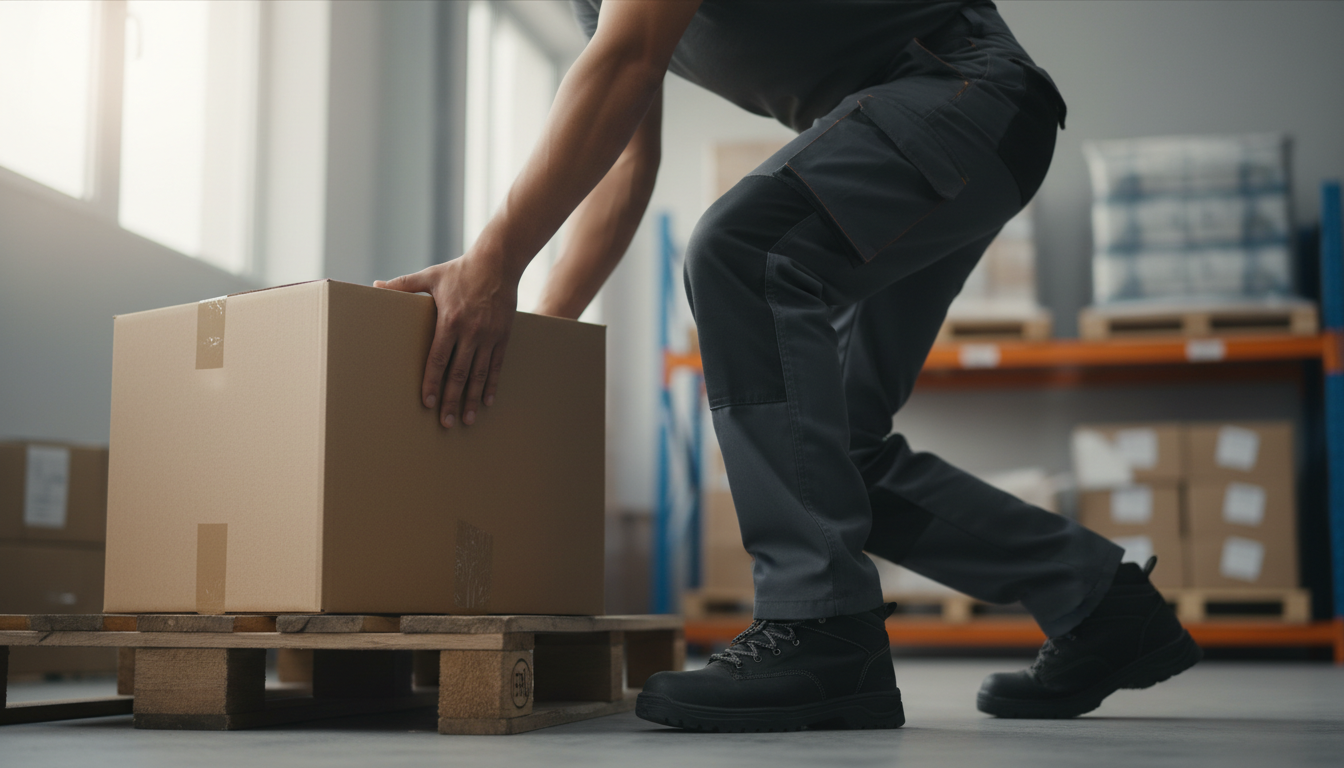
If you’ve ever finished a workday with aching feet, you’re not alone. For millions of workers who stand, walk, or perform repetitive movements throughout their shift, foot strain is more than just discomfort—it’s a productivity killer and potential health concern. Whether you’re dealing with flat feet pain that flares up after hours on the job or searching for better support during long shifts, finding the right solution is essential for your long-term foot health.
Many workplace injuries develop gradually, with foot strain being among the most common yet overlooked problems. The good news is that with proper support strategies—including quality insoles and footwear choices—you can significantly reduce strain and prevent the chronic pain that comes from repetitive tasks.
In this comprehensive guide, we’ll explore practical solutions to minimize foot strain during repetitive work tasks, focusing on supportive options for different foot types and work environments. From specialized insoles for flat feet to strategies for those who need to be on their feet all day, you’ll discover how small changes can make a tremendous difference in your comfort and health.
Understanding How Repetitive Work Tasks Impact Your Feet
Before diving into solutions, it’s important to understand exactly how repetitive movements affect your feet. Each day, your feet absorb tremendous force—up to several hundred tons of cumulative pressure during a typical workday. This impact is magnified when you perform the same movements repeatedly.
Standing in one position for extended periods causes sustained pressure on specific areas of your feet, reducing circulation and compressing soft tissues. Similarly, repetitive walking patterns, especially on hard surfaces, create predictable impact points that can lead to inflammation of the plantar fascia (the tissue connecting your heel to your toes).
Common foot problems that develop from repetitive work tasks include:
- Plantar fasciitis (heel pain common in those with flat feet)
- Metatarsalgia (ball of foot pain)
- Achilles tendonitis (similar to what affects many with runners foot)
- Bunions and corns from friction points
- Fallen arches from lack of proper support
- General foot fatigue and discomfort
Your foot type plays a significant role in determining which issues you’re most susceptible to. Those with flat feet often experience more pronounced discomfort during repetitive tasks due to overpronation (excessive inward rolling of the foot), while those with high arches might lack natural shock absorption.
The Game-Changing Role of Proper Insoles
One of the most effective interventions for preventing and alleviating foot strain is the use of quality insoles. Unlike the flimsy inserts that come with many shoes, specialized insoles are designed to provide targeted support where your feet need it most.
Flat feet insoles are particularly important for workers who lack natural arch support. Without proper support, flat feet tend to overpronate during repetitive movements, distributing weight unevenly across the foot and potentially causing alignment issues that extend to the ankles, knees, and even lower back.
Work-specific insoles offer several key benefits:
- Redistribution of pressure away from problem areas
- Improved alignment that reduces strain on joints
- Enhanced shock absorption during walking or standing
- Prevention of excessive foot movement within shoes
- Reduced fatigue through better biomechanics
For those seeking an affordable yet effective solution, the 2023 Work Comfort Insoles provide exceptional support designed specifically for those who stand or walk throughout their workday. These insoles feature targeted arch support and cushioning that can make a remarkable difference in how your feet feel after a long shift.
While specialized insoles typically offer the best results, even basic options like insoles can provide a noticeable improvement compared to no additional support. The key is finding insoles that match your specific foot type and work demands.
Choosing the Right Footwear for Your Work Environment
Even the best insoles can’t fully compensate for inappropriate footwear. Your work shoes form the foundation of foot support and play a critical role in preventing strain during repetitive tasks.
When selecting work footwear, consider these essential factors:
Proper sizing is fundamental—too many workers endure unnecessary pain simply because their shoes don’t fit correctly. Feet typically swell throughout the workday, so shoes should have adequate room in the toe box while still providing secure support around the midfoot and heel.
Support features should match your foot type. Those with flat feet benefit from shoes with structured arch support and stabilizing features, while workers with high arches need adequate cushioning to compensate for reduced natural shock absorption.
Surface compatibility matters tremendously. Different work environments call for different outsole designs—non-slip for wet areas, heat-resistant for industrial settings, or cushioned for concrete floors. The interface between your shoes and the work surface directly impacts how much strain transfers to your feet.
For those who prefer casual footwear options at work, brands like Hey Dude have gained popularity for their lightweight comfort. However, these shoes often benefit from additional support. Hey dude insoles replacements or aftermarket inserts can transform these comfortable shoes into work-appropriate options with proper support.
If your shoes feel too roomy, don’t settle for sliding feet that create friction and instability. Insoles for sneakers too big can improve fit while adding supportive features that reduce strain during repetitive movements.
Specific Strategies for Different Work Environments
Different work settings present unique challenges for foot health. Here’s how to address specific workplace scenarios:
For Retail and Service Workers
If you stand in relatively fixed positions for long periods, focus on anti-fatigue solutions. Supportive insoles combined with compression socks can improve circulation and reduce swelling. Consider arch support slippers for women during breaks to give feet relief while maintaining support. Many workers find that alternating between two different pairs of supportive shoes during the week prevents repetitive strain from identical pressure patterns.
For Factory and Warehouse Workers
Workers who walk substantial distances on concrete floors need exceptional shock absorption. Look for insoles with gel or foam cushioning in the heel and ball of the foot, combined with structured arch support. Safety footwear with integrated metatarsal protection can prevent both acute injuries and repetitive strain, particularly for those prone to flat feet pain.
For Office Workers
Even desk jobs can cause foot strain, particularly when transitioning between sitting and standing or using sit-stand desks. A supportive mat for standing periods combined with footwear that promotes proper alignment is essential. Consider insoles that maintain arch support during both seated and standing positions.
For Healthcare Professionals
Medical professionals often walk miles during shifts on hard surfaces. Many benefit from athletic-inspired footwear with runners foot support features, including enhanced cushioning at impact zones and stability features that prevent fatigue during long hours. Compression features around the midfoot can provide added stability during the varied movements typical in healthcare settings.
Complementary Strategies to Reduce Foot Strain
While proper footwear and insoles form the foundation of foot strain prevention, complementary approaches can enhance their effectiveness:
Foot Strengthening Exercises
Strong feet are more resilient against repetitive strain. Simple exercises like toe curls, arch lifts, and calf raises can build foot strength. Try picking up marbles with your toes or scrunching a towel with your feet to target intrinsic foot muscles that support your arches.
Strategic Movement Patterns
Even small changes in how you move can significantly reduce strain. If your job permits, alternate between sitting and standing throughout the day. When standing for extended periods, shift your weight regularly, perhaps by keeping a small footrest under your desk to alternate which foot bears more weight.
Post-Work Recovery Techniques
What you do after work matters almost as much as workplace practices. Consider these recovery strategies:
- Contrast baths (alternating warm and cool water) to improve circulation
- Self-massage with a tennis ball or specialized foot roller
- Gentle stretching of the plantar fascia, Achilles tendon, and calf muscles
- Elevation to reduce swelling after prolonged standing
- Ice application for acute inflammation or pain
For those dealing with persistent flat feet pain or similar chronic issues, maintaining these recovery routines consistently is crucial for managing symptoms and preventing worsening problems.
When to Seek Professional Help
While self-care strategies are effective for many workers, certain situations warrant professional assessment:
Consult a podiatrist or foot specialist if you experience:
- Pain that persists despite trying supportive insoles and footwear
- Sharp or shooting pain rather than general discomfort
- Visible changes in foot structure or skin condition
- Numbness or tingling that might indicate nerve compression
- Severe flat feet pain that limits your ability to complete work tasks
Many foot specialists can create custom orthotic insoles tailored precisely to your foot structure and work demands. While these are typically more expensive than off-the-shelf options, they may be necessary for those with severe structural issues or specialized needs.
Remember that foot pain is not normal and shouldn’t be accepted as an inevitable part of your job. Proactive intervention can prevent minor discomfort from developing into chronic conditions that affect your quality of life both at work and beyond.
Making the Investment in Foot Health
When considering solutions for foot strain, many workers hesitate at the cost of quality insoles or supportive footwear. However, this perspective often changes when considering the true cost of foot pain—including decreased productivity, missed workdays, medical expenses, and diminished quality of life.
For an affordable yet effective starting point, the 2023 Work Comfort Insoles provide exceptional value with features specifically designed to reduce strain during repetitive work tasks. These insoles offer professional-grade support at a fraction of the cost of custom orthotics, making them an ideal solution for workers looking to address foot strain before it becomes a serious problem.
Consider your footwear and insole choices as essential protective equipment—just as important as any other safety gear you might use at work. Your feet literally carry you through your career, making their care a worthwhile investment in both your immediate comfort and long-term health.
Conclusion: Steps Toward Healthier Feet at Work
Reducing foot strain during repetitive work tasks doesn’t require dramatic lifestyle changes—often, it’s the small, consistent interventions that make the biggest difference. By understanding your unique foot structure, selecting appropriate supportive insoles, choosing proper footwear, and implementing complementary care strategies, you can transform your workday experience.
Remember that solutions like flat feet insoles, proper work shoes, and recovery techniques work synergistically. Each supportive element you implement multiplies the effectiveness of the others, creating a comprehensive approach to foot health that can withstand the demands of even the most challenging work environments.
As you implement these strategies, pay attention to how your feet respond and be willing to adjust your approach. What works perfectly for a colleague might need modification for your specific needs. The goal isn’t just to endure your workday with less pain but to protect your foot health for years to come, ensuring you can remain active and comfortable both on and off the job.
By taking these proactive steps today, you’re investing in more productive workdays, more energetic evenings, and a future with less pain and greater mobility. Your feet deserve that care—and so do you.