
How to Prevent Blisters and Hotspots in Shoes: The Ultimate Guide to Shock Absorbing Insoles
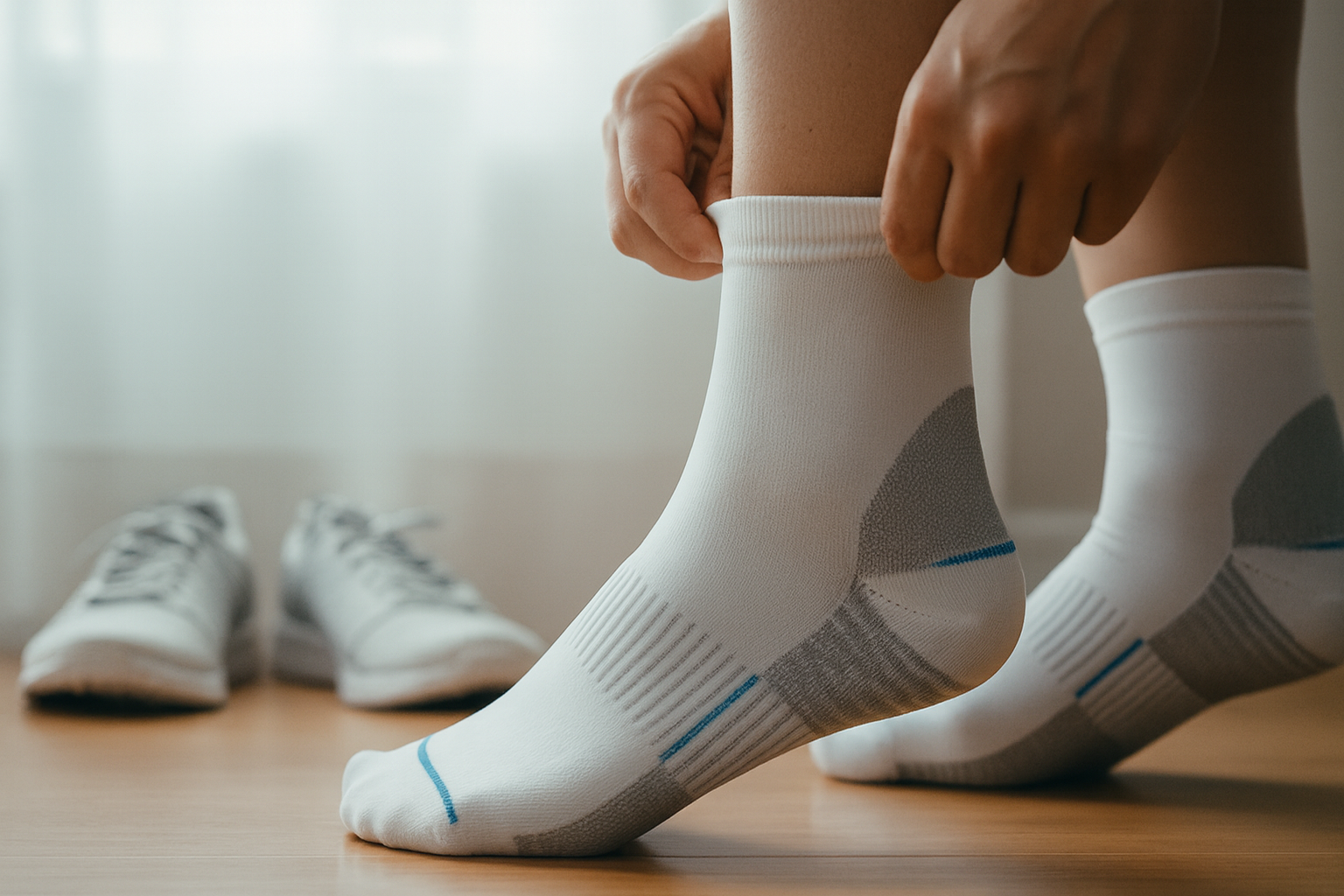
Few things can ruin an athletic performance or everyday comfort like the nagging pain of blisters and hotspots in your shoes. Whether you’re a professional athlete, weekend warrior, or someone who spends hours on their feet, these painful irritations can transform an enjoyable activity into a miserable experience. The good news? With the right approach to footwear and supportive accessories like shock absorbing insoles, these common foot problems can be effectively prevented and managed.
In this comprehensive guide, we’ll explore why blisters and hotspots occur, and provide practical, evidence-based solutions to keep your feet comfortable and pain-free. We’ll pay special attention to how quality orthotic solutions like sports insoles for men can make a significant difference in reducing metatarsal pain and preventing these common foot issues.
Understanding the Causes of Blisters and Hotspots
Before diving into prevention strategies, it’s important to understand what causes these painful foot conditions in the first place.
Blisters form when friction between your shoe and foot creates a shearing force that separates layers of skin. The space between these layers fills with fluid, creating that characteristic painful bubble. Hotspots, meanwhile, are the warning signs – areas of irritation and redness that signal a blister is likely to form if conditions don’t change.
The most common causes of these foot issues include:
- Ill-fitting shoes (too tight or too loose)
- Excessive moisture from sweat
- Repetitive motion during sports or long walks
- High-pressure areas, particularly under the metatarsal heads
- Inadequate cushioning or shock absorption
- New shoes that haven’t been properly broken in
- Seams or stitching inside shoes that create friction
For athletes, the problem is particularly prevalent. Those wearing cleats for football, soccer, or baseball often experience intensified pressure points due to the rigid nature of athletic footwear. This is where specialized solutions like football cleat insoles for men become essential for performance and comfort.
The Critical Role of Proper Footwear Selection
The foundation of blister prevention begins with selecting appropriate footwear for your specific activity and foot type. No amount of accessories can fully compensate for shoes that fundamentally don’t fit your feet correctly.
When shopping for shoes, follow these essential guidelines:
- Shop for shoes later in the day when your feet are naturally more swollen
- Ensure there’s approximately a thumb’s width of space between your longest toe and the end of the shoe
- Look for shoes with a wide enough toe box to allow your toes to splay naturally
- Choose models with minimal internal seams that could cause friction
- Test shoes by walking or jogging in the store before purchasing
For athletic activities, sport-specific shoes are crucial. Running shoes are designed differently from court shoes or cleats because the biomechanical demands vary significantly between sports. However, even the best athletic shoes often benefit from additional support and cushioning that quality sports insoles for men can provide.
How Orthotic Insoles Relieve Pressure and Prevent Blisters
One of the most effective interventions for preventing blisters and hotspots is the use of high-quality orthotic insoles. These specialized inserts work by redistributing pressure across the foot, reducing the concentration of force on vulnerable areas like the metatarsal heads – a common site for painful blisters during athletic activities.
Shock absorbing insoles are particularly valuable because they address multiple causes of blisters simultaneously:
- They reduce vertical impact forces that push your foot against the shoe
- They provide anatomical support that minimizes excessive foot motion within the shoe
- They offer cushioning in high-pressure areas that are prone to blister formation
- They improve overall foot stability, reducing shearing forces that lead to skin irritation
- They can help manage moisture through specialized materials and design features
Research has consistently shown that the right orthotic solution can make a significant difference. A study published in the Journal of the American Podiatric Medical Association found that properly fitted insoles reduced blister incidence by up to 40% among military recruits during training marches – a population notoriously susceptible to foot blisters.
Specialized Insoles for Different Activities: Why Sport-Specificity Matters
Just as different sports require different shoes, they also benefit from specialized insoles designed for their unique demands. The pressure patterns and forces experienced during running differ dramatically from those encountered while playing football or baseball in cleats.
Running insoles for men typically focus on providing longitudinal support along the arch while offering enhanced cushioning in the heel and forefoot. These design features accommodate the repetitive impact pattern of running, where the foot strikes the ground thousands of times per mile.
In contrast, football cleat insoles for men need to address the unique challenges of playing on turf or grass while wearing studded footwear. These specialized insoles often feature:
- Enhanced metatarsal protection to counter the concentrated pressure from cleats
- Additional forefoot cushioning to absorb the forces from quick directional changes
- Heel cups that stabilize the rear foot during cutting maneuvers
- Materials that effectively manage the significant moisture generated during intense play
Regardless of your activity, investing in sport-specific insoles represents one of the most effective preventive measures against blisters and hotspots. The CRUVHEAL Sport Shock Absorbing Insoles offer exceptional cushioning and support engineered specifically for athletic performance, making them an excellent choice for preventing these painful foot issues.
Material Matters: Sock Selection for Blister Prevention
While insoles address the shoe-foot interface from below, socks play an equally important role in managing friction from above and around the foot. The right socks work in concert with quality shock absorbing insoles to create a comprehensive blister prevention system.
When selecting socks for blister prevention, consider these factors:
- Material composition: Synthetic moisture-wicking fibers like polyester and nylon generally outperform cotton for blister prevention. Cotton retains moisture, softens, and then breaks down more easily, creating increased friction.
- Seamless construction: Look for socks with minimal or flat seams, particularly around the toe area where friction commonly occurs.
- Proper fit: Socks should fit snugly without bunching or wrinkling inside the shoe.
- Activity-appropriate thickness: Different activities require different sock thicknesses. Running generally benefits from thinner socks, while hiking may require more cushioned options.
- Double-layer socks: These specialized socks feature two layers that move independently, absorbing friction between the layers rather than against your skin.
For athletes using cleat insoles or other sports-specific orthotics, matching your sock selection to your activity is particularly important. The combination of proper socks and quality insoles creates a synergistic effect that dramatically reduces blister risk during intense athletic pursuits.
Moisture Management: A Critical Factor in Blister Prevention
Excessive moisture significantly increases the likelihood of blister formation by softening skin and increasing friction. Effective moisture management represents a critical but often overlooked aspect of preventing foot blisters and hotspots.
Implement these moisture control strategies to keep feet drier and less blister-prone:
- Apply antiperspirant to feet the night before high-intensity activities
- Use moisture-wicking socks that pull sweat away from the skin
- Consider foot powder in shoes before activities, especially in hot weather
- Change socks mid-activity during extremely long or intense sessions
- Allow shoes to dry completely between uses (rotating multiple pairs helps)
- For extreme cases, try specialized products like antifungal foot sprays that also help control perspiration
Quality sports insoles for men often incorporate moisture-wicking top covers and antimicrobial treatments that complement these strategies. This multi-faceted approach to moisture management dramatically reduces the risk factors associated with blister formation.
Pre-Emptive Protection for High-Risk Areas
Even with ideal footwear, proper insoles, and good socks, some individuals may still experience persistent hotspots in specific areas. In these cases, targeted preventive measures can make a significant difference.
Consider these tactical approaches for protecting vulnerable areas:
- Lubricants: Products like Body Glide or petroleum jelly can reduce friction in problem areas for shorter activities.
- Tapes and pads: Kinesiology tape, moleskin, or specialized blister pads can provide direct protection to high-risk zones.
- Silicone shields: These reusable protectors slip over toes or other high-friction areas to absorb shearing forces.
- Specialized bandages: Hydrocolloid bandages not only protect hot spots but can help heal early-stage blisters while continuing activity.
- Metatarsal pads: These can be used with shock absorbing insoles to provide additional relief to the ball of the foot.
The key to success with these methods is application before pain begins. Once you’ve identified your feet’s vulnerable areas through experience, pre-emptively protecting these spots before they become problematic can save significant discomfort.
The Break-In Process: Gradual Adaptation to New Footwear
New shoes and insoles are a common trigger for blisters and hotspots. The break-in process requires patience and strategic planning to avoid painful consequences.
Follow this gradual approach when introducing new footwear or sports insoles for men:
- Wear new shoes initially for short periods around the house
- Gradually increase duration before using them for athletic activities
- Consider using a shoe stretcher or having shoes professionally stretched at pressure points
- When introducing new running insoles for men or cleat insoles, begin with shorter, less intense activities
- Pay close attention to any developing hotspots and address them immediately
- Consider alternating between new and well-broken-in footwear until adaptation is complete
Quality orthotics like the CRUVHEAL Sport Shock Absorbing Insoles typically require less break-in time than inferior products due to their advanced materials and ergonomic design. Nevertheless, a gradual introduction remains the safest approach to prevent discomfort during the adaptation period.
When to Seek Professional Help for Persistent Problems
While most blister issues can be resolved with the approaches discussed, persistent problems may indicate underlying biomechanical issues requiring professional attention.
Consider consulting a podiatrist or sports medicine specialist if:
- You continue experiencing blisters despite appropriate footwear, shock absorbing insoles, and prevention techniques
- Blisters consistently form in the same locations regardless of shoes worn
- You notice unusual wear patterns on your shoes or insoles
- You experience additional foot pain beyond the blisters themselves
- Blisters frequently become infected despite proper care
A professional evaluation may reveal structural issues like hammertoes, bunions, or gait abnormalities that contribute to your blister susceptibility. In these cases, custom orthotic solutions might be recommended to address your specific foot mechanics.
Conclusion: A Comprehensive Approach to Blister Prevention
Preventing blisters and hotspots requires a multi-faceted approach that addresses the fundamental causes of friction, pressure, and moisture. By combining proper footwear selection, high-quality shock absorbing insoles, appropriate socks, and targeted preventive measures, you can dramatically reduce your risk of developing these painful foot problems.
For athletes, investing in sport-specific solutions like running insoles for men or football cleat insoles for men represents a particularly important step. These specialized products address the unique biomechanical demands and pressure patterns of different activities, providing protection exactly where it’s needed most.
Remember that prevention is always preferable to treatment. By implementing the strategies outlined in this guide – particularly the use of quality orthotic insoles like the CRUVHEAL Sport Shock Absorbing Insoles – you can enjoy your activities with comfort and confidence, free from the distraction and limitation of painful blisters and hotspots.
Your feet carry you through life’s adventures – they deserve the best care and protection you can provide. With the right knowledge and tools, blister-free performance is within everyone’s reach.