
How to Choose the Best Insoles That Prevent Work-Related Foot Pain and Support Plantar Fasciitis
May 19, 2026
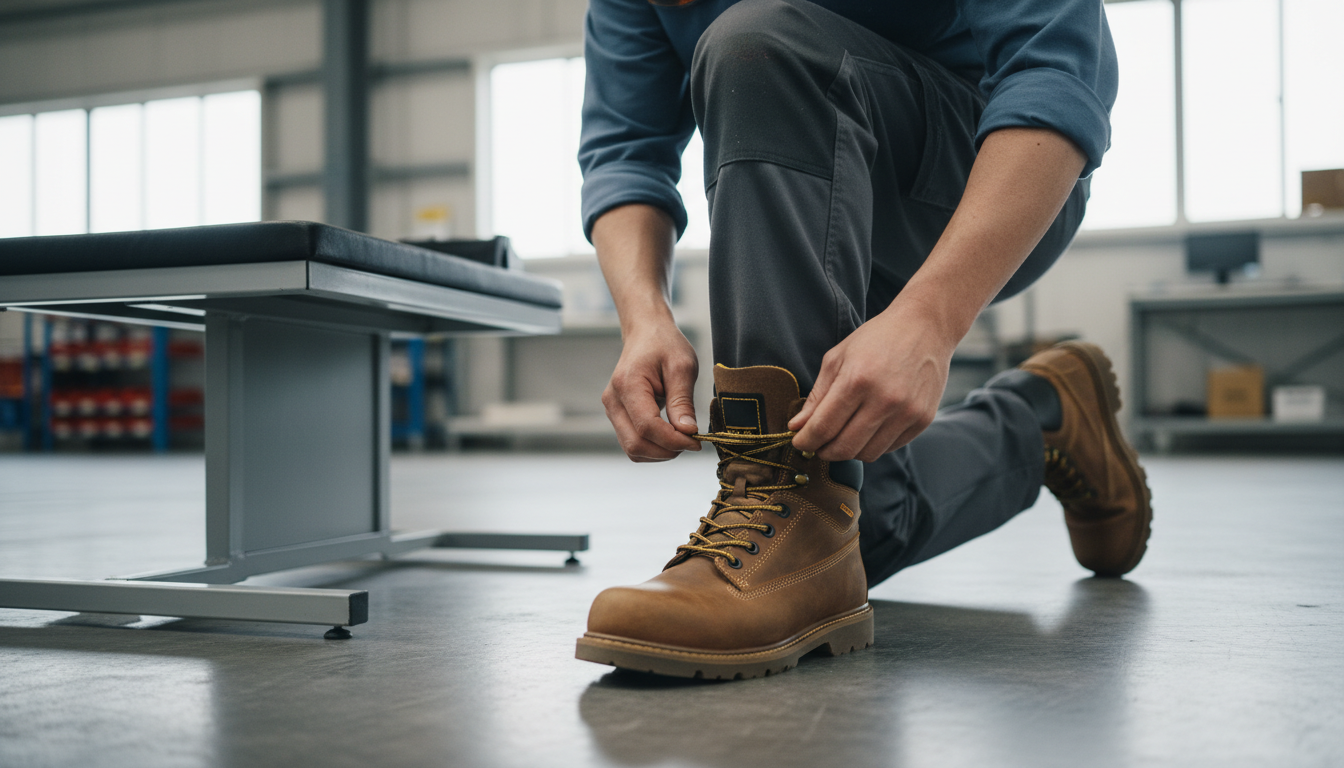
Standing for hours at work, walking on hard surfaces, or wearing inadequate footwear can lead to debilitating foot pain that affects your productivity and quality of life. Whether you’re experiencing heel pain, plantar fasciitis, or Morton’s neuroma, choosing the right insoles can make all the difference between suffering through your workday and maintaining optimal comfort. This comprehensive guide will help you understand how to select orthotic insoles that provide the support you need to prevent long-term foot issues and keep you performing at your best.
Work-related foot pain is one of the most common occupational health complaints, affecting millions of workers across various industries. The right insoles don’t just offer temporary relief—they address the root causes of discomfort by providing proper arch support, cushioning, and alignment. By the end of this article, you’ll have the knowledge to make an informed decision about which insoles are best suited for your specific needs and work environment.
Understanding Common Work-Related Foot Conditions
Before selecting insoles, it’s essential to identify the specific foot condition you’re dealing with. Different conditions require different types of support, and using the wrong insoles can actually worsen your symptoms rather than alleviate them.
Plantar fasciitis is one of the most prevalent causes of heel pain among workers who spend long hours on their feet. This condition occurs when the plantar fascia—the thick band of tissue connecting your heel to your toes—becomes inflamed. The best shoes for plantar fasciitis combined with quality insoles provide targeted arch support and heel cushioning. Look for supportive footwear for plantar fasciitis that features deep heel cups and firm arch support to reduce strain on the plantar fascia throughout your workday.
Morton’s neuroma is another common condition characterized by thickening of tissue around the nerves leading to your toes, causing burning pain and numbness. If you’re dealing with this condition, you’ll need wide shoes for morton’s neuroma paired with insoles that reduce pressure on the forefoot. The best shoes for morton’s neuroma offer a spacious toe box and metatarsal padding, allowing your toes to spread naturally without compression.
Heel spurs, which are calcium deposits on the underbone of the heel, often develop alongside plantar fasciitis. Heel spur support shoes and appropriate insoles can significantly reduce the stabbing pain associated with this condition by distributing pressure more evenly across the foot.
Key Features to Look for in Work Insoles
Not all insoles are created equal, and understanding the critical features that contribute to effective pain prevention will help you make the right choice. High-quality work insoles should incorporate several essential elements that work together to provide comprehensive foot support.
Arch support is arguably the most important feature in any orthotic insole. Proper arch support maintains the natural alignment of your foot, preventing overpronation or supination that can lead to pain throughout your feet, ankles, knees, and even your lower back. The arch support should match your foot type—whether you have high arches, flat feet, or neutral arches—to provide optimal benefit.
Heel cushioning and deep heel cups work together to absorb shock and stabilize your heel with each step. This is particularly crucial for heel pain support shoes and insoles designed to combat plantar fasciitis. The deep heel cup cradles your heel, keeping it properly positioned and reducing the stress on your plantar fascia and Achilles tendon.
Metatarsal pads are essential for those suffering from Morton’s neuroma or general forefoot pain. These pads sit just behind the ball of your foot, lifting and spreading the metatarsal bones to reduce pressure on the nerves. When combined with comfortable shoes for morton’s neuroma, metatarsal support can provide significant relief from burning and tingling sensations.
Custom Orthotics vs. Over-the-Counter Insoles
One of the most common questions people ask is whether they need custom orthotics or if over-the-counter insoles will suffice. The answer depends on the severity of your condition, your budget, and how your feet respond to standard orthotics.
Custom orthotics are prescription devices created from precise molds or scans of your feet. If you’re searching for “custom orthotics near me” or “orthotics near me,” you’re likely considering this option. Custom orthotics offer several advantages including perfect fit for your unique foot shape, targeted correction for specific biomechanical issues, and materials chosen specifically for your weight and activity level. They’re particularly beneficial for people with severe foot deformities, significant leg length discrepancies, or conditions that haven’t responded to over-the-counter solutions.
However, many people find excellent relief with high-quality over-the-counter insoles, which offer significant advantages of their own. They’re immediately available without waiting for fabrication, considerably more affordable than custom options, and can be easily replaced or tried in different shoes. Modern over-the-counter insoles have become increasingly sophisticated, with many offering semi-custom features and various arch heights to accommodate different foot types.
For most workers experiencing mild to moderate foot pain, starting with premium over-the-counter insoles is a sensible first step. If you don’t experience adequate relief after several weeks, then consulting with a podiatrist about custom orthotics would be the next logical progression.
Choosing Insoles Based on Your Work Environment
Your work environment plays a crucial role in determining which insoles will serve you best. Different occupations place different demands on your feet, and your insoles should be selected accordingly.
For workers who stand primarily in one place—such as assembly line workers, cashiers, or hairstylists—maximum cushioning becomes the priority. Look for insoles with thick, shock-absorbing materials that reduce the constant pressure of standing. These insoles should also provide excellent arch support to prevent the foot from collapsing under prolonged weight-bearing.
If your job involves extensive walking on hard surfaces—like warehouse workers, nurses, or retail employees—you need insoles that combine cushioning with energy return. The best walking shoes for plantar fasciitis paired with responsive insoles will reduce fatigue by propelling you forward with each step rather than simply absorbing impact.
Workers who face varied terrain or frequent climbing—such as construction workers or delivery personnel—require insoles with superior stability features. These should include firm arch support, deep heel cups, and durable materials that maintain their shape despite dynamic movements and challenging conditions.
Material Considerations for Workplace Insoles
The materials used in your insoles significantly impact their performance, durability, and suitability for your specific needs. Understanding these materials helps you make an informed choice that will provide lasting comfort.
Common insole materials include:
- EVA foam: Lightweight and cushioning, excellent for shock absorption but may compress over time with heavy use
- Memory foam: Molds to your foot shape for customized comfort but can retain heat and lose support with extended wear
- Polyurethane: Denser and more durable than EVA, maintains support longer but may feel firmer initially
- Gel cushioning: Superior shock absorption for heel pain but can be heavy and may not provide adequate arch support alone
- Cork: Natural material that molds to your foot over time, excellent for custom-like fit with good durability
- Rigid plastics: Used in semi-rigid and rigid orthotics for maximum control and correction of biomechanical issues
For plantar fasciitis footwear and insoles, a combination of materials often works best—a firm arch support shell covered with cushioning materials provides both the structural support and comfort needed for all-day wear. The top layer should be moisture-wicking to keep feet dry and prevent odor, especially important in work environments where you can’t easily remove your shoes.
How to Properly Fit and Break In Your New Insoles
Even the highest-quality insoles won’t provide relief if they don’t fit properly or if you don’t allow adequate break-in time. Following the right fitting and adjustment process ensures you get maximum benefit from your investment.
Start by ensuring the insoles match your shoe size. Most insoles come in size ranges and can be trimmed to fit precisely. Remove your shoe’s existing insole and use it as a template for trimming if necessary. The new insole should lie flat in your shoe without bunching, curling at the edges, or sliding around.
The break-in process is critical and often overlooked. Don’t expect to wear your new insoles for a full work shift immediately. Follow this gradual introduction schedule:
- Days 1-2: Wear the insoles for 1-2 hours, preferably during lighter activities
- Days 3-4: Increase wear time to 3-4 hours if no significant discomfort occurs
- Days 5-7: Extend to 6-8 hours, monitoring for any pressure points or pain
- Week 2 onwards: Gradually work up to full-day wear as your feet adapt to the new support
During the break-in period, mild muscle soreness in your feet, ankles, or calves is normal as your body adjusts to the improved alignment. However, sharp pain, blisters, or worsening symptoms indicate a fit problem that needs addressing.
Top-Rated Insoles for Work-Related Foot Pain
When searching for effective relief from work-related foot pain, quality matters significantly. Premium insoles designed specifically for conditions like plantar fasciitis, heel spurs, and Morton’s neuroma can transform your workday from painful to comfortable.
For comprehensive support that addresses multiple foot conditions simultaneously, consider specialized work orthotics that combine professional-grade features with all-day comfort. If you’re ready to take action against your foot pain, explore these highly-rated work orthotic insoles designed specifically for plantar fasciitis and heel pain relief. These insoles feature the deep heel cups, firm arch support, and shock-absorbing cushioning that workers need to stay comfortable throughout long shifts.
When evaluating any insole option, look for products that specifically mention your condition—whether you need the best slippers for plantar fasciitis for post-work recovery or shoes for morton’s neuroma for daily wear. Reading verified customer reviews from people in similar occupations can provide valuable insights into real-world performance.
Maintaining Your Insoles for Long-Term Performance
Proper maintenance extends the life of your insoles and ensures they continue providing the support your feet need. Most quality insoles should last 6-12 months with proper care, though this varies based on your weight, activity level, and work environment.
Clean your insoles regularly by removing them from your shoes and wiping them down with a damp cloth and mild soap. Allow them to air dry completely before reinserting them—never put insoles in the dryer or use direct heat, as this can warp the supportive structures. For moisture control, consider having two pairs of insoles that you alternate daily, allowing each pair to dry thoroughly between wears.
Monitor your insoles for signs of wear including compressed cushioning in high-pressure areas, visible cracks or tears, worn-down materials, or reduced pain relief. When you notice these signs, it’s time to replace your insoles rather than waiting until they completely fail. Worn-out insoles not only lose their effectiveness but can actually contribute to foot pain by providing uneven support.
Conclusion: Taking the Next Step Toward Pain-Free Work Days
Choosing the right insoles to prevent work-related foot pain is an investment in your health, productivity, and overall quality of life. By understanding your specific foot condition, selecting insoles with appropriate features for your work environment, and properly fitting and maintaining them, you can significantly reduce or eliminate the foot pain that’s been holding you back.
Remember that the best shoes for plantar fasciitis, comfortable shoes for morton’s neuroma, and other supportive footwear work best when paired with quality insoles that address your unique biomechanical needs. Whether you choose premium over-the-counter options or eventually pursue custom orthotics, the key is taking action rather than continuing to suffer through painful workdays.
Don’t let foot pain diminish your work performance or steal your after-work energy. Start with the guidance provided in this article, select insoles that match your specific needs, and give your feet the support they deserve. Your future self—standing comfortably at the end of a long shift—will thank you for making foot health a priority today.