
Foot Recovery Guide: How to Care for Your Feet After a Long Day with Shock Absorbing Insoles
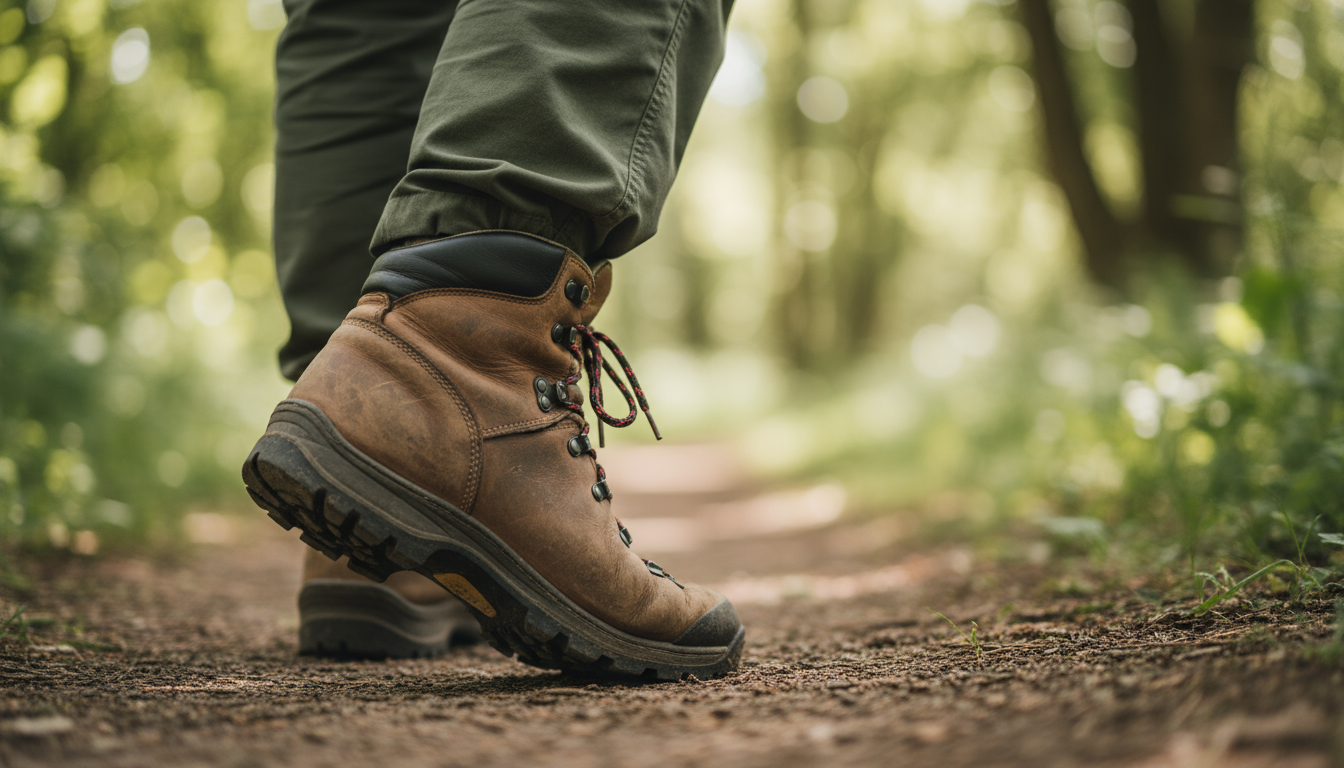
Our feet endure tremendous stress daily, supporting our entire body weight through countless steps. For active individuals, athletes wearing cleats, and especially older adults, proper foot care isn’t just about comfort—it’s essential for maintaining mobility, preventing injuries, and even preserving balance. This comprehensive guide explores effective strategies for foot recovery after long days, with special attention to how the right insoles—particularly shock absorbing insoles—can transform foot health and overall well-being.
Understanding the Impact of Daily Activity on Your Feet
The average person takes between 5,000 to 10,000 steps daily, with each step exerting force equivalent to 1.5 times your body weight. Athletes and active individuals often double this impact. This continuous stress accumulates throughout the day, potentially leading to discomfort, fatigue, and even long-term foot problems.
For the elderly, the consequences extend beyond mere discomfort. Research shows that foot problems significantly contribute to balance issues and increase fall risk—a major concern for older adults. According to the CDC, falls are the leading cause of injury among adults aged 65 and over, with one in four experiencing a fall each year.
The impact varies depending on activities and footwear choices:
- Running creates impact forces up to three times your body weight
- Hard surfaces increase shock transmission through joints and tissues
- Improper footwear, including inadequate sports footwear without proper sports insoles for men, amplifies stress on feet
- Standing for extended periods causes fluid accumulation and tissue compression
- Cleated sports (football, baseball, soccer) create unique pressure points where cleat insoles become essential
The Science Behind Foot Fatigue and Recovery
To effectively care for your feet, understanding the physiological processes of foot fatigue helps explain why specific recovery methods work. Your feet contain 26 bones, 33 joints, and over 100 muscles, tendons, and ligaments—all working in concert with every step.
During prolonged activity, several processes occur simultaneously:
- Muscle fatigue: Repetitive movement depletes energy stores in foot muscles
- Micro-trauma: Tiny tears develop in soft tissues from repeated impact
- Inflammation: The body’s natural response to these micro-injuries
- Fluid retention: Standing or sitting for extended periods causes fluid to pool in lower extremities
- Nerve compression: Swelling and pressure can temporarily affect nerve function
For athletes using cleats in sports like football, the concentrated pressure points created by cleats add another dimension to foot stress, making football cleat insoles for men particularly important for recovery. Similarly, runners experience repetitive high-impact forces that make specialized running insoles for men essential for both performance and recovery.
Essential Post-Activity Foot Care Techniques
Implementing a consistent foot care routine after a long day provides immediate relief and contributes to long-term foot health. Consider these proven techniques:
1. Elevation and Rest
Elevating your feet above heart level for 15-20 minutes reduces swelling by using gravity to assist fluid drainage. This simple technique provides immediate relief by decreasing pressure and inflammation. Combine elevation with a complete activity break to allow muscles to begin recovery processes.
2. Hydrotherapy Contrasts
Alternating between warm and cool water creates a pumping action in tissues that accelerates recovery. Begin with warm water (around 100°F) for 3-5 minutes to increase circulation, then switch to cool water (around 60°F) for 1-2 minutes to reduce inflammation. Repeat this cycle 3-4 times, ending with cool water to minimize swelling.
3. Strategic Massage Techniques
Self-massage stimulates circulation while manually stretching tight tissues. Use your thumbs to apply firm pressure in circular motions across the arch of your foot. Roll a tennis or specialized massage ball under your foot for 2-3 minutes per foot. For deeper release of plantar fascia tissues, use cross-friction techniques perpendicular to the tissue fibers.
4. Targeted Stretching
Stretching foot and calf muscles prevents tightness that can lead to plantar fasciitis and other painful conditions. The towel stretch (pulling toes toward you using a towel) targets the plantar fascia, while standing calf stretches address the Achilles tendon and calf complex that directly affects foot function.
The Critical Role of Shock Absorbing Insoles in Foot Recovery
While post-activity care is crucial, prevention through proper support during activity is equally important. This is where specialized insoles become invaluable—particularly for elderly individuals concerned with balance and athletes engaging in high-impact activities.
Shock absorbing insoles work by dispersing impact forces across a larger surface area and decelerating the rate of loading. This significantly reduces peak pressures on sensitive foot structures. For elderly individuals, this shock absorption directly translates to improved balance and reduced fall risk by enhancing proprioception (positional awareness) and providing stable support.
Quality shock absorbing insoles typically incorporate multiple layers:
- Top comfort layer conforms to foot contours
- Middle support layer provides structural integrity
- Bottom shock-absorbing layer utilizes materials like gel, foam, or air chambers
- Specialized heel cups that center the fatty pad under the heel for maximum cushioning
- Arch support that maintains proper foot alignment throughout activities
The CRUVHEAL Sport Shock Absorbing Insoles exemplify these features with their multi-layer design specifically engineered for maximum impact protection. These insoles have become especially popular among athletes needing specialized support like cleat insoles for football and other sports, as well as seniors looking to maintain stability and prevent falls.
Specialized Insoles for Different Activities and Needs
Different activities create unique foot stress patterns, requiring specialized insole designs. Understanding these variations helps in selecting the most appropriate support:
Sports Insoles for Men: Athletic Performance and Recovery
Athletic activities demand insoles that balance support with responsiveness. Sports insoles for men typically feature enhanced shock absorption at the heel and forefoot, with firmer support through the midfoot to prevent excessive pronation (inward rolling) during dynamic movements.
For runners, specialized running insoles for men incorporate metatarsal pads to distribute pressure across the ball of the foot and prevent neuroma formation. They also provide extra cushioning in the heel strike zone—precisely what the CRUVHEAL insoles deliver with their targeted gel padding system.
Cleat Insoles: Addressing Unique Pressure Points
Sports involving cleated footwear create concentrated pressure points that standard insoles don’t adequately address. Football cleat insoles for men redistribute these pressures while maintaining the performance advantages cleats provide.
Quality cleat insoles feature:
- Thinner forefoot profiles to maintain ground feel and control
- Strategic cushioning under cleat pressure points
- Enhanced torsional rigidity to prevent twisting injuries
- Moisture-wicking top layers for comfort during intense activity
- Antimicrobial treatments to prevent odor in enclosed cleated environments
Balance and Fall Prevention Insoles for Elderly
For older adults, insole selection should prioritize stability and proprioceptive feedback. Research published in the Journal of the American Geriatrics Society demonstrates that proper insoles can improve balance measurements by up to 20% in seniors with mild instability.
These specialized insoles typically feature:
- Firmer materials that provide clear sensory feedback
- Enhanced medial (inner) arch support to prevent excessive pronation
- Deeper heel cups that improve rear-foot stability
- Textured top surfaces that enhance sensory awareness
- Shock absorption that reduces impact while maintaining stability
Integrating Insoles with a Complete Foot Care Routine
For maximum benefit, shock absorbing insoles should be part of a comprehensive foot care strategy. This integrated approach ensures both immediate comfort and long-term foot health:
Morning Preparation
Start your day with brief foot mobility exercises—ankle circles, toe spreads, and gentle stretches wake up foot tissues before loading them. Apply moisturizer to prevent dry, cracked skin that can lead to fissures and infections. Most importantly, ensure proper insole placement in all footwear you’ll use throughout the day.
During-Activity Considerations
Even with quality shock absorbing insoles, take periodic breaks during extended standing or activity. Brief seated periods with ankle pumps (pointing and flexing feet) help circulate fluid and prevent pooling. For athletes, consider sport-specific sock selection that works synergistically with your sports insoles or cleat insoles.
Evening Recovery Routine
After removing footwear, perform the recovery techniques detailed earlier—elevation, hydrotherapy, massage, and stretching. For enhanced results, consider toe spacers worn for 15-30 minutes to counteract the constraining effects of shoes. A light application of menthol-containing balm can provide soothing sensory relief while stimulating circulation.
When to Consider Professional Intervention
While proper insoles and self-care routines address most foot fatigue issues, certain symptoms warrant professional assessment:
- Pain that persists despite appropriate rest and recovery techniques
- Swelling that doesn’t resolve overnight
- Numbness or tingling that interferes with normal sensation
- Visible deformities developing over time
- Significant balance issues despite using appropriate insoles
For elderly individuals especially, regular podiatric evaluations help catch developing issues before they affect balance and mobility. Many podiatrists can recommend specific insole modifications based on individual gait analysis and foot structure assessment.
Making the Right Insole Selection for Your Needs
With numerous options available, selecting appropriate shock absorbing insoles can seem overwhelming. Consider these factors when making your choice:
Activity profile is paramount—running insoles for men differ significantly from football cleat insoles for men in material density and support placement. Foot type matters too; those with high arches typically need more cushioning, while flat feet benefit from enhanced structural support.
Weight also influences insole selection—heavier individuals require denser materials that won’t compress excessively under load. Age-related considerations include declining fat pad thickness in the elderly, necessitating enhanced heel cushioning.
The CRUVHEAL Sport Shock Absorbing Insoles address these varied needs with their adaptable design. Their multi-layer construction provides targeted support and cushioning that works effectively for everyday use, athletic activities requiring sports insoles for men, and stability needs of older adults.
Conclusion: A Comprehensive Approach to Foot Recovery
Caring for your feet after long days isn’t merely about immediate comfort—it’s an investment in mobility, performance, and injury prevention. By understanding the science behind foot fatigue and implementing appropriate recovery strategies, you can maintain healthy, pain-free feet regardless of age or activity level.
High-quality shock absorbing insoles represent one of the most effective interventions, providing support during activity that minimizes the recovery needed afterward. For athletes using cleated footwear, specialized cleat insoles prevent the concentrated pressure points that lead to discomfort and injury. For runners, dedicated running insoles for men absorb the repetitive impact that can otherwise accumulate into overuse injuries.
Perhaps most importantly for older adults, proper insoles contribute significantly to balance maintenance and fall prevention—issues directly linked to long-term independence and quality of life. By combining quality insoles like the CRUVHEAL shock absorbing insoles with the foot care techniques outlined in this guide, you create a comprehensive approach to foot health that supports your active lifestyle at any age.
Remember that consistency is key—implement these strategies regularly, not just when discomfort appears. Your feet support every step you take; providing them with proper care ensures they’ll continue doing so comfortably for years to come.