
The Hidden Threat: How Repetitive Work Tasks Create Long-Term Foot Fatigue and Why People Need Quality Insoles
February 23, 2026
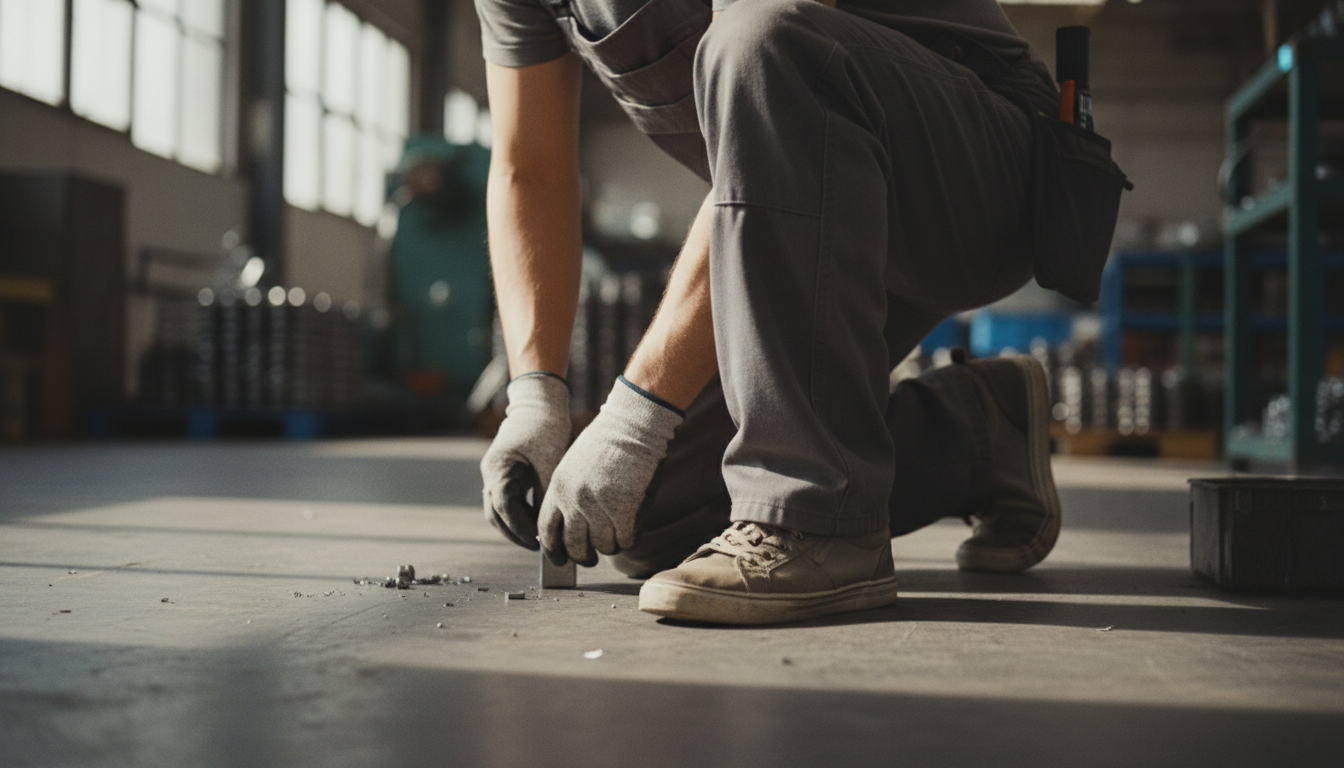
Understanding the Progressive Nature of Work-Related Foot Fatigue
For millions of working men across industries ranging from construction and manufacturing to healthcare and retail, the workday doesn’t just end when the clock strikes five. The effects of standing, walking, and performing repetitive movements for hours on end continue long after the workboots come off. While immediate discomfort is obvious, what many don’t realize is that repetitive work tasks create a cumulative strain that gradually develops into chronic foot fatigue and potential long-term health issues.
The human foot contains 26 bones, 33 joints, and more than 100 muscles, tendons, and ligaments. This complex structure carries our entire body weight and absorbs impact with every step. For workers who stand or walk for 8+ hours daily, the strain on these structures isn’t just temporary—it compounds over time, creating a progressive breakdown that can lead to lasting problems if not properly addressed.
Research shows that workers who spend more than 50% of their shift on their feet are at significantly higher risk of developing musculoskeletal disorders. For men in physically demanding jobs, finding effective solutions like proper work boot insoles for men isn’t just about comfort—it’s about protecting long-term mobility and career longevity.
The Science Behind Repetitive Movement and Foot Strain
To understand why repetitive work creates such significant foot fatigue, we need to examine the biomechanical processes occurring with each movement cycle. When a worker performs the same motion repeatedly—whether it’s climbing ladders, operating foot pedals, or simply maintaining static standing positions—specific muscle groups and pressure points experience concentrated stress.
This repetitive stress triggers a cascade of physiological responses. Initially, the body recruits additional muscle fibers to compensate for fatigue in primary muscles. Over time, these compensatory patterns become ingrained, creating muscle imbalances and altered movement mechanics. The foot’s natural arch begins to flatten under prolonged standing, distributing weight unevenly across the foot’s structure.
The problem becomes particularly severe for men working in industrial environments where concrete floors provide little natural shock absorption. Without proper insoles for men, each footstep creates microtrauma to the plantar fascia, heel pad, and metatarsal heads. These minor injuries accumulate faster than the body can repair them during rest periods, leading to chronic inflammation and pain.
Common Repetitive Work Tasks That Damage Feet
Certain occupational activities place particularly high stress on the feet. Understanding these can help workers identify their risk factors and take appropriate preventative measures, including finding the right shoe inserts for men. Here are the most problematic repetitive tasks:
- Prolonged standing: Manufacturing line workers, security personnel, and retail employees often stand in nearly fixed positions for hours. This static loading prevents normal blood circulation and fluid movement, causing swelling and fatigue.
- Ladder climbing: Construction workers and maintenance professionals who repeatedly climb ladders place enormous pressure on the ball of the foot and toes, often creating metatarsalgia.
- Heavy lifting: Warehouse workers and movers who repeatedly lift heavy objects increase pressure through their foot structures, sometimes exceeding 2-3 times their body weight.
- Machine operation: Workers who use foot pedals perform hundreds of repetitive ankle movements daily, often creating overuse injuries in the ankle joint and connecting tendons.
- Walking on uneven surfaces: Landscapers, agricultural workers, and outdoor construction crews navigate unstable terrain that constantly challenges foot stability and increases strain.
The impact is further magnified for men wearing inadequate footwear. Standard work boots, while protective against external hazards, often lack sufficient internal support. This highlights the importance of quality boot insoles for men that can mitigate these occupational hazards.
The Progressive Stages of Work-Related Foot Fatigue
Foot fatigue from repetitive work doesn’t appear overnight. Instead, it develops through distinct phases, each with increasingly serious symptoms and impacts on performance. Understanding this progression helps workers identify problems early when interventions like insoles men work boots can be most effective.
- Acute discomfort (Days to Weeks): Initially, workers experience end-of-day soreness that resolves overnight. This discomfort is often dismissed as normal “breaking in” pain with new jobs.
- Persistent fatigue (Weeks to Months): The recovery period extends, with soreness lasting into the following workday. Morning foot stiffness becomes common, and workers may notice slight changes in how they walk.
- Compensatory movement (Months to 1 Year): Workers unconsciously alter their gait and posture to avoid foot pain, creating secondary strain in the knees, hips, and lower back.
- Tissue adaptation (1-2 Years): Foot structures physically change, with collapsed arches, thickened skin, and altered joint mobility becoming permanent features.
- Chronic pain (2+ Years): The condition evolves into recognized disorders like plantar fasciitis, Achilles tendinopathy, or stress fractures, potentially requiring medical intervention.
Most concerning is that by the time workers reach stages 3-4, the changes are often difficult to reverse fully. This underscores why early intervention with quality work boot insoles for men is critical for long-term foot health.
How Inadequate Support Accelerates Foot Fatigue
Standard work footwear is designed primarily for external protection—guarding against impacts, punctures, and electrical hazards. However, internal support is often a secondary consideration in manufacturing. This creates a significant gap in protection against the forces that cause long-term foot fatigue.
Factory-installed insoles typically flatten within 2-3 months of regular wear, leaving workers with minimal cushioning and support during the majority of a boot’s usable life. Without adequate shock absorption, each step sends impact forces directly through the foot’s structure and into the ankle, knee, and hip joints.
The arch of the foot serves as a natural shock absorber, but requires proper support to function effectively. When this support is lacking, the arch gradually flattens under continued pressure. This not only creates foot pain but fundamentally alters biomechanical function, forcing other joints to compensate.
Workers with specific foot types face even greater challenges. Those with high arches experience excessive pressure on the ball and heel of the foot, while those with flat feet may develop severe overpronation without corrective shoe inserts for men. These individual variations are rarely addressed by standard work footwear.
The Cumulative Impact on Work Performance and Career Longevity
Beyond the immediate discomfort, progressive foot fatigue has measurable impacts on workplace performance, safety, and career sustainability. Research from occupational health experts shows that workers with foot pain experience:
- 15-20% reduction in productivity during the final hours of shifts
- Increased risk of workplace accidents due to altered movement patterns
- Higher rates of sick days and disability claims
- Earlier retirement from physically demanding roles
- Decreased overall job satisfaction and quality of life
For many men in trades and industrial work, foot problems become career-limiting factors. A survey of manufacturing workers found that 62% of those who left the industry before retirement age cited musculoskeletal issues—including foot problems—as a primary factor. This highlights the economic importance of finding effective solutions like insoles men work boots early in one’s career.
The financial impact extends beyond lost wages. The average worker with chronic foot pain spends $1,200-$2,500 annually on treatments, medications, and accommodations. Investing in preventative measures like quality CRUVHEAL insoles represents a fraction of these potential costs.
The Ideal Solution: Specialized Work Boot Insoles
While standard work footwear often falls short in providing adequate support, aftermarket insoles designed specifically for occupational use offer a targeted solution. The most effective work boot insoles for men address multiple aspects of foot fatigue simultaneously:
- Dynamic arch support: Unlike static inserts, quality insoles provide responsive support that adapts to movement while maintaining proper arch position.
- Targeted cushioning: Strategic padding under high-pressure zones like the heel and metatarsal heads absorbs impact without creating instability.
- Moisture management: Advanced materials that wick sweat away from the foot reduce friction and prevent the maceration that leads to blisters and fungal infections.
- Stability features: Heel cups and lateral support elements prevent excessive pronation during dynamic movements, maintaining proper alignment.
- Antimicrobial properties: Quality insoles inhibit bacterial growth, reducing foot odor and extending the usable life of work boots.
Workers seeking effective protection against repetitive strain should look for boot insoles for men that incorporate these features. The CRUVHEAL Work Comfort Insoles represent an excellent example, offering comprehensive support designed specifically for men performing repetitive work tasks. These advanced insoles provide the perfect balance of cushioning and stability to combat long-term foot fatigue.
Implementing a Complete Foot Protection Strategy
While quality insoles for men form the foundation of foot protection, workers should implement a comprehensive strategy to minimize the cumulative effects of repetitive tasks. Effective approaches include:
- Task variation: When possible, alternate between different activities to change loading patterns on the feet.
- Strategic breaks: Brief periods of sitting or performing simple foot stretches can allow partial recovery during shifts.
- Gradual adaptation: New workers should build tolerance to standing tasks gradually, using quality shoe inserts for men from day one.
- Regular insole replacement: Even the best insoles have a limited lifespan; replacing them every 6-8 months ensures consistent support.
- Evening recovery routines: Simple foot exercises, contrast baths, and elevation after work accelerate recovery between shifts.
By combining these approaches with proper insoles men work boots, workers can significantly reduce their risk of developing chronic foot problems. The key is understanding that prevention requires consistent attention rather than reactive treatment after problems develop.
Conclusion: Investing in Foot Health for Long-Term Career Success
The repetitive nature of many occupational tasks creates a hidden threat to foot health that develops gradually over months and years. For men in physically demanding professions, this progressive fatigue can limit career options, reduce earnings potential, and diminish quality of life.
Understanding the biomechanics of repetitive strain allows workers to implement effective preventative strategies. Chief among these is the use of high-quality work boot insoles for men that provide comprehensive support tailored to occupational demands. These specialized insoles serve as the critical interface between the body and the work environment, dissipating forces that would otherwise accumulate as tissue damage.
By recognizing early warning signs and implementing proactive solutions like CRUVHEAL insoles, workers can maintain foot health throughout their careers. This represents not just an investment in immediate comfort, but in long-term earning potential and quality of life beyond the workplace.
Don’t wait until pain becomes a limiting factor. Explore how the CRUVHEAL Work Comfort Insoles can protect your feet from the hidden damage of repetitive work tasks and support your career for years to come. Your future self—and your feet—will thank you for taking action today.