
The Comfort Science: How Memory Foam Insoles Cushion Your Feet After Hours of Standing
March 21, 2026
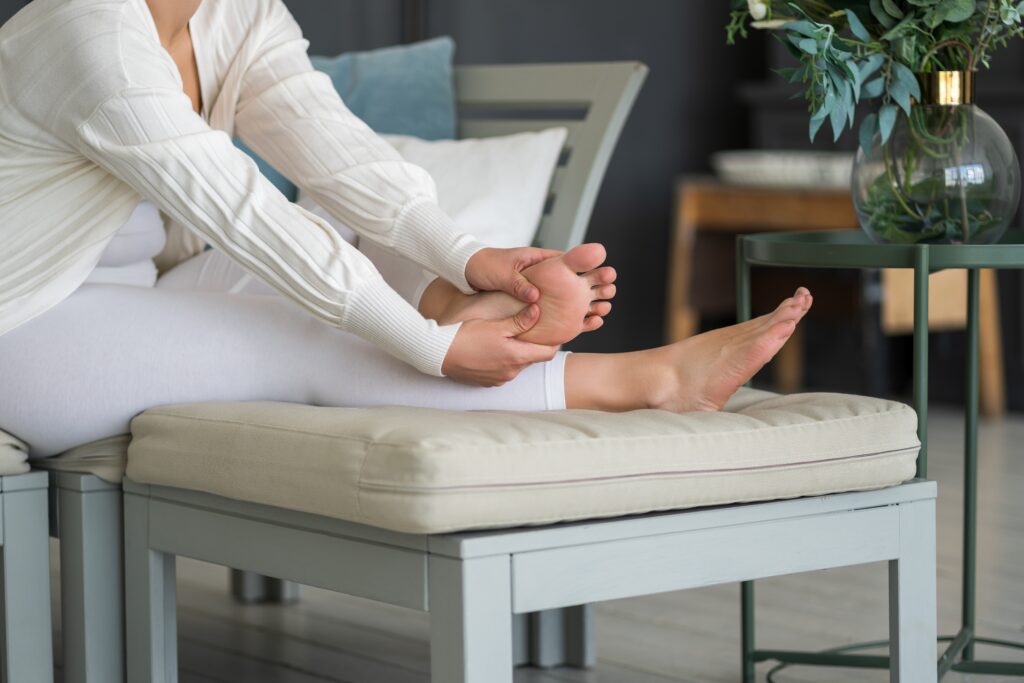
If you’ve ever worked a shift that keeps you on your feet for hours, you know the unique relief of finally sitting down. That dull ache that spreads from your heels through your arches and into your ankles isn’t just uncomfortable – it’s your body’s way of telling you something important. For the millions who stand for extended periods – healthcare workers, retail employees, teachers, factory workers, and countless others – foot pain isn’t just an inconvenience; it’s a daily reality that affects overall health and quality of life.
The solution might be simpler than you think. Memory foam insoles have revolutionized foot comfort technology, offering a scientifically-designed approach to alleviating the stress of constant standing. This article explores how memory foam insoles work on a biomechanical level to transform your experience of standing all day.
The Science Behind Memory Foam: Why It Works For Tired Feet
Memory foam was originally developed by NASA in the 1960s to improve seat cushioning and crash protection for astronauts. Its unique properties – the ability to distribute pressure evenly while conforming to the body – made it perfect for applications beyond space travel. Today’s memory foam insoles operate on the same principles that made this material revolutionary.
At its core, memory foam is a polyurethane material enhanced with additional compounds that increase its viscosity and density. This viscoelastic property gives memory foam two critical characteristics that benefit tired feet: energy absorption and shape conformation.
When you stand, your body weight creates pressure points in your feet – typically at the heel, ball of the foot, and outer edge. Standard shoe insoles often fail to address these pressure distributions, leaving certain areas bearing too much weight. Memory foam insoles for men and women are different because they respond to heat and pressure in a unique way:
- Heat-responsive molding – Memory foam softens slightly with body heat, allowing it to create a personalized impression of your foot
- Pressure distribution – The foam displaces under weight, spreading pressure across the entire surface rather than concentrating it
- Return rate calibration – Quality memory foam is engineered to return to shape slowly, providing continued support without bottoming out
- Shock absorption – With each step, the material absorbs impact forces that would otherwise travel up through your skeletal system
This scientific approach to foot support explains why a high-quality memory foam insole can make such a dramatic difference after hours of standing. Your feet aren’t just resting on a soft surface – they’re interfacing with an adaptive material that works dynamically with your unique foot structure.
The Biomechanics of Standing: What Happens To Your Feet All Day
To fully appreciate how memory foam insoles help, it’s important to understand what happens to your feet during prolonged standing. The human foot is a complex structure containing 26 bones, 33 joints, and more than 100 muscles, tendons, and ligaments. It wasn’t designed for hours of standing on hard, flat surfaces – particularly the unnatural surfaces of modern environments.
When you stand for extended periods, several biomechanical processes occur:
- Flattening of the arch – Your foot’s natural arch begins to collapse under continuous pressure
- Reduced circulation – Blood pools in the lower extremities, causing swelling and discomfort
- Muscle fatigue – The stabilizing muscles in your feet and lower legs become exhausted
- Joint compression – Constant weight-bearing compresses the joints, potentially leading to inflammation
- Plantar fascia strain – The tissue connecting your heel to toes stretches and can become irritated
These processes don’t just cause immediate discomfort – over time, they can lead to chronic conditions like plantar fasciitis, bunions, and even changes to your posture and gait that affect your knees, hips, and back. Cushion inserts for shoes, particularly those made from memory foam, directly address these biomechanical challenges.
CRUVHEAL and other quality memory foam shoe inserts work by creating an adaptive interface between your feet and the ground. This interface absorbs the repetitive microshocks that occur with each step or shift in weight, while simultaneously supporting your arch in its natural position rather than allowing it to collapse.
The Anatomy of Memory Foam Insoles: Layers of Comfort
Not all foam insoles are created equal. The best memory foam insoles feature a sophisticated multi-layer design that addresses different aspects of foot comfort and support. Understanding these layers helps you recognize quality when selecting insoles.
A premium memory foam insole typically contains:
- Top layer – A moisture-wicking fabric cover that helps manage heat and perspiration
- Memory foam layer – The temperature-responsive viscoelastic foam that creates custom contouring
- Support core – Often a firmer foam or gel that provides structural integrity and prevents complete compression
- Base stabilizer – A bottom layer that maintains the shape of the insole and may provide additional shock absorption
These layers work in concert to deliver comprehensive foot support. The memory foam component responds to your unique foot shape, filling the gaps under your arch and distributing pressure away from hot spots. Meanwhile, the supportive layers beneath prevent the memory foam from compressing completely, ensuring that your foot maintains proper alignment throughout the day.
High-quality memory foam insoles like CRUVHEAL’s premium memory foam shoe inserts are designed with this layered approach, providing the perfect balance of cushioning and support that makes a noticeable difference after hours on your feet.
Beyond Comfort: The Health Benefits of Memory Foam Insoles
While immediate comfort is the most obvious benefit of memory foam insoles, their advantages extend far beyond simply making your feet feel better at the end of the day. Using properly designed insoles can contribute to your overall health in several significant ways:
Reduced risk of foot conditions: By providing proper support and cushioning, memory foam insoles help prevent common foot problems like plantar fasciitis (inflammation of the band of tissue connecting your heel to your toes), metatarsalgia (pain in the ball of your foot), and heel spurs.
Improved posture: When your feet are properly supported, your entire body alignment improves. This can reduce strain on your ankles, knees, hips, and lower back. Many people don’t realize that foot discomfort causes subtle changes in how they stand and walk, which can create a chain reaction of misalignment up through the body.
Enhanced circulation: The pressure-distributing properties of memory foam help promote better blood flow in your feet. This is particularly important during long periods of standing when blood tends to pool in the lower extremities.
Reduced fatigue: By absorbing shock and reducing the work your foot muscles must do to maintain stability, memory foam insoles can significantly decrease overall fatigue levels. This energy conservation can make a noticeable difference in how you feel at the end of a long day.
Prevention of chronic pain: Regular use of supportive insoles can help prevent the development of chronic pain conditions that might otherwise emerge from years of standing on hard surfaces without proper support.
Choosing the Right Memory Foam Insoles for Your Needs
With numerous options available, selecting the right memory foam insole requires consideration of several factors specific to your situation. Here’s what to look for when shopping for memory foam shoe inserts:
Foot arch type: Determine whether you have high arches, normal arches, or flat feet. Different insole designs provide varying levels of arch support. For high arches, look for substantial arch support in your memory foam insole. For flat feet, seek insoles with moderate arch support that won’t create pressure points.
Density and thickness: The density of the memory foam affects both comfort and durability. Higher-density foam typically lasts longer and provides better support, though it may feel firmer initially. Thickness is also important – thicker insoles provide more cushioning but may make shoes feel tighter, while thinner options accommodate shoes with limited space.
Activity level and type: Consider how you’ll be using the insoles. Are you standing statically for hours, walking constantly, or a mix of both? Some memory foam insoles are designed specifically for standing professions, while others balance walking and standing needs.
Shoe type compatibility: Ensure the insoles will work with your primary footwear. Some insoles are full-length and designed to replace your shoe’s existing insole, while others are partial inserts that can be added on top of existing insoles.
Special features: Many memory foam insoles include additional features worth considering:
- Gel inserts for targeted pressure relief
- Antimicrobial treatments to prevent odor
- Breathable designs for moisture management
- Metatarsal pads for forefoot support
- Deep heel cups for stability
The Day-to-Night Recovery Process: How Memory Foam Works Over Time
One of the most fascinating aspects of memory foam is how it works throughout your day and recovers overnight. This cycle of compression and recovery is key to the material’s effectiveness and longevity.
When you first put on shoes with memory foam insoles in the morning, the foam is in its fully recovered state – firm yet responsive. As you begin to stand and walk, your body heat warms the foam, making it more responsive to pressure. Within minutes, the foam begins conforming to your unique foot shape.
Throughout the day, the memory foam continuously adjusts to changes in pressure as you shift weight, walk, or stand still. This dynamic response is what sets memory foam apart from standard foam materials that simply compress and stay compressed.
By the end of a long day, the memory foam has been working continuously, absorbing thousands of impact forces and pressure changes. When you remove your shoes, the memory foam begins its recovery process. Over several hours, the material gradually returns to its original shape, ready to provide fresh support the next day.
This recovery cycle is particularly important for those who stand daily. Quality memory foam insoles like those from CRUVHEAL are designed to maintain their resiliency through hundreds of these compression-recovery cycles, providing lasting support for months of daily use.
Real Benefits for Real People: Who Needs Memory Foam Insoles Most
While almost anyone can benefit from added foot comfort, certain professions and conditions make memory foam insoles particularly valuable:
Healthcare workers: Nurses, doctors, and other medical professionals often work 12+ hour shifts on hard hospital floors. Memory foam insoles can make these marathons significantly more manageable.
Retail and service industry: Cashiers, servers, and sales associates who stand in relatively fixed positions for hours benefit enormously from the pressure distribution properties of memory foam.
Manufacturing and warehouse workers: Those working on concrete floors face some of the hardest standing surfaces. Memory foam insoles help mitigate the impact of these unforgiving environments.
Teachers and educators: Moving between standing to teach and walking around classrooms creates variable foot stress that memory foam adapts to effectively.
People with foot conditions: Those with plantar fasciitis, metatarsalgia, or general foot sensitivity find particular relief from properly designed memory foam support.
Overweight individuals: Extra body weight creates additional pressure on feet. Memory foam’s pressure-distributing properties are especially beneficial in these cases.
Older adults: As natural foot padding diminishes with age, memory foam insoles can replace this lost cushioning and provide comfort.
Extending the Life of Your Memory Foam Insoles
Quality memory foam insoles represent an investment in your comfort and health. To maximize their lifespan and effectiveness, follow these practical care tips:
- Rotate between pairs – If possible, have at least two pairs and alternate them daily to allow the memory foam full recovery time
- Remove and air out – Take insoles out of your shoes overnight to allow moisture to evaporate completely
- Hand wash gently – When needed, clean with mild soap and lukewarm water, then air dry completely (avoid machine washing)
- Replace when compressed – When insoles no longer return to their original shape or show significant wear patterns, it’s time to replace them
- Keep away from heat – Don’t leave insoles in hot cars or direct sunlight, as excessive heat can damage the memory foam structure
With proper care, high-quality memory foam insoles typically last 6-12 months with daily use, though this varies based on your weight, activity level, and the specific insole quality.
Conclusion: Step Into Comfort
The science is clear: memory foam insoles offer a sophisticated solution to the age-old problem of foot fatigue from standing. By dynamically responding to your unique foot shape, distributing pressure evenly, and absorbing the countless microshocks your feet endure throughout the day, these specialized insoles transform the standing experience.
For those whose livelihoods depend on being on their feet, investing in quality memory foam insoles isn’t just about comfort – it’s about sustainability, both for your career and your body. The right insoles can mean the difference between ending each day in pain and finishing with enough energy to enjoy your personal time.
If you’ve been enduring foot discomfort as an inevitable part of your work life, consider how CRUVHEAL memory foam insoles might change your daily experience. Your feet carry you through life’s journey – they deserve the support that advanced memory foam technology can provide.
Remember, comfortable feet contribute to your overall well-being in ways that extend far beyond the moment you kick off your shoes at the end of the day. With the right memory foam insoles, you’re not just investing in foot comfort – you’re investing in your quality of life.