
How Frequent Direction Changes Affect Your Feet at Work: Understanding Pivoting, Turning, and Side-Stepping Impact
June 17, 2026
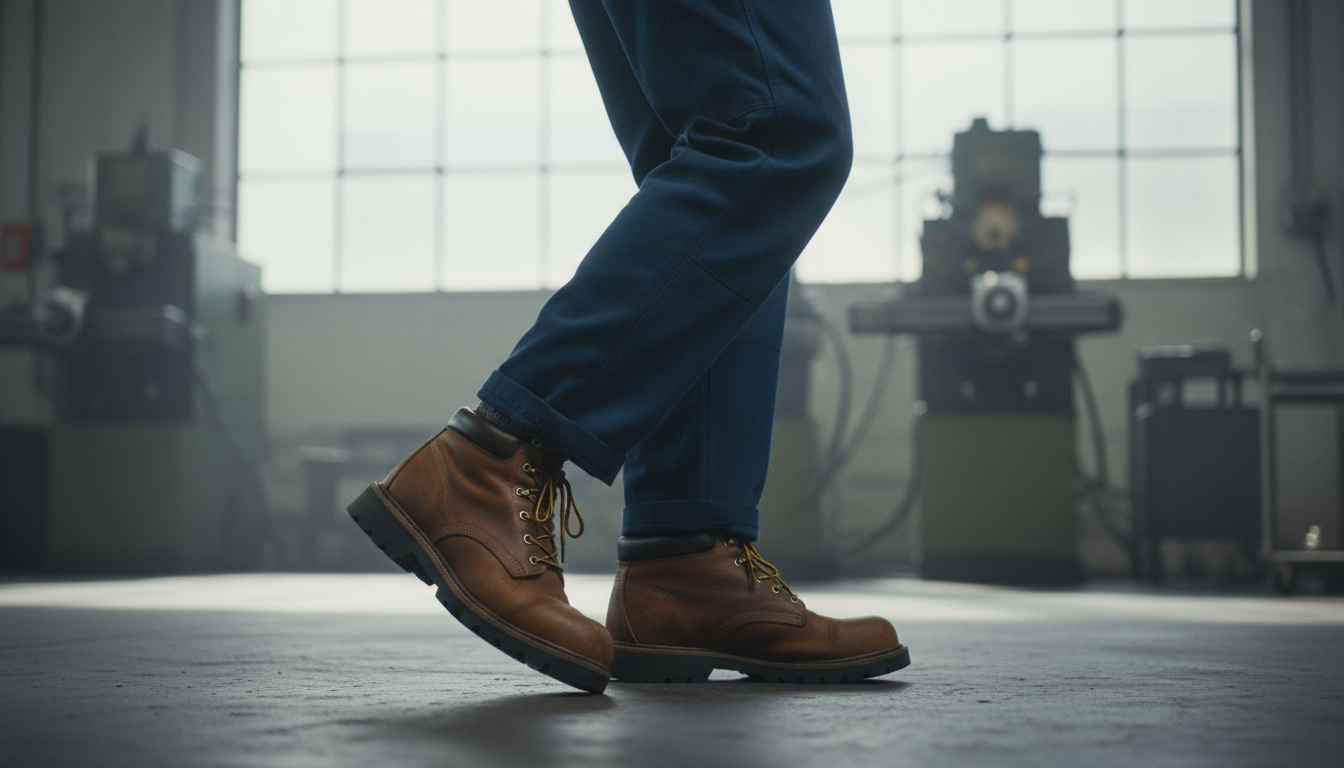
If your job requires constant movement—pivoting around workstations, side-stepping through crowded spaces, or turning quickly to respond to demands—you’re placing unique stress on your feet and ankles that most people never consider. While walking straight ahead is what our feet are naturally designed for, the reality of many work environments demands multidirectional movement that can take a serious toll on your foot health over time.
Understanding how these frequent direction changes affect your feet is crucial for preventing chronic pain conditions and maintaining long-term mobility. From retail workers navigating busy sales floors to healthcare professionals moving between patient rooms, manufacturing employees operating machinery, and restaurant staff weaving through dining areas, millions of workers face this challenge daily.
This comprehensive guide explores the biomechanics of directional changes, identifies the most common foot problems that result, and provides actionable solutions to protect your feet while maintaining productivity at work.
The Biomechanics of Direction Changes: What Happens to Your Feet
When you walk in a straight line, your foot follows a predictable pattern: heel strike, midfoot transition, and toe-off. This gait cycle distributes pressure evenly and allows your muscles, tendons, and ligaments to work in harmony. However, when you pivot, turn, or side-step, everything changes dramatically.
During a pivot or turn, your foot must act as both a mobile adapter and a rigid lever simultaneously. The outside edge of your foot bears disproportionate weight while your ankle stabilizers work overtime to prevent rolling. Your plantar fascia—the thick band of tissue running along your bottom foot—experiences twisting forces it wasn’t designed to handle repeatedly.
Side-stepping creates lateral forces that stress the ligaments on both sides of your ankle. Unlike forward motion where your calf muscles provide most of the power, lateral movement relies heavily on smaller stabilizing muscles that fatigue quickly. This fatigue leads to compensation patterns that can trigger a cascade of foot problems.
Common Foot Conditions Caused by Frequent Directional Changes
The repetitive stress of pivoting, turning, and side-stepping at work contributes to several painful foot conditions. Recognizing these problems early can help you take preventive action before they become chronic issues requiring extensive treatment.
Plantar Fasciitis and Heel Pain
Plantar fasciitis is one of the most common consequences of frequent direction changes. The twisting motion during pivots creates micro-tears in the plantar fascia, leading to inflammation and the characteristic stabbing heel pain. Workers who pivot frequently often develop this condition because standard footwear doesn’t provide adequate arch support or heel cushioning for multidirectional movement.
The search for the best shoes for plantar fasciitis becomes critical for these workers. Proper footwear must offer not just cushioning but structured arch support that maintains integrity during turns. Many workers also benefit from plantar fasciitis footwear specifically designed with reinforced heel counters and stability features. For those recovering at home, investing in the best slippers for plantar fasciitis ensures that healing continues even during rest periods.
Morton’s Neuroma Development
The forefoot bears significant stress during pivoting movements, particularly the area between the third and fourth toes where Morton’s neuroma typically develops. This painful condition involves thickening of tissue around the nerve, causing burning pain, numbness, and the sensation of standing on a pebble.
Workers experiencing these symptoms need specialized footwear solutions. Comfortable shoes for morton’s neuroma should feature a wide toe box that eliminates pressure on the nerve-affected area. Many people require wide shoes for morton’s neuroma even if they don’t typically wear wide sizes, as the extra room prevents compression during lateral movements. Research shows that the best shoes for morton’s neuroma combine width with metatarsal padding and a low heel-to-toe drop to reduce forefoot pressure.
Ankle Instability and Sprains
Repeated pivoting weakens the ligaments that stabilize your ankle joint. Over time, this creates chronic ankle instability—a condition where your ankle feels unreliable and prone to “giving out” during normal activities. This significantly increases sprain risk and can lead to early-onset arthritis.
Occupations Most at Risk for Direction-Change Foot Problems
While any job involving movement can cause foot stress, certain occupations face heightened risk due to the frequency and intensity of directional changes required:
- Healthcare workers: Nurses, medical assistants, and hospital staff constantly pivot between patients, equipment, and workstations on hard floors
- Retail employees: Sales associates navigate crowded floors, turning frequently to assist customers and restock merchandise
- Manufacturing workers: Assembly line workers and machine operators pivot repeatedly within confined workspaces
- Restaurant staff: Servers and kitchen workers perform countless turns and side-steps in tight spaces during every shift
- Warehouse personnel: Pickers and packers constantly change direction while moving between storage locations
- Security professionals: Guards patrol areas with frequent turns and direction changes on various surfaces
The Role of Supportive Footwear and Orthotics in Prevention
Appropriate footwear forms the foundation of foot protection for workers who change direction frequently. Supportive footwear for plantar fasciitis and other conditions must address multiple biomechanical needs simultaneously: cushioning for impact absorption, stability for lateral movements, and flexibility for natural foot motion.
The best walking shoes for plantar fasciitis incorporate several key features that benefit workers facing directional challenges. Look for shoes with firm heel counters that prevent excessive ankle rolling, structured arch support that maintains foot alignment during turns, and cushioned midsoles that absorb shock from pivoting movements.
For workers experiencing heel pain, heel pain support shoes with deep heel cups provide stability and cushioning exactly where needed. Similarly, heel spur support shoes offer targeted padding and shock absorption to protect this vulnerable area during high-impact directional changes.
When Custom Orthotics Become Necessary
Custom orthotics represent a significant upgrade from over-the-counter insoles for workers with established foot problems or unique biomechanical needs. These medical devices are precisely molded to your foot structure and designed to correct specific alignment issues that contribute to pain during directional changes.
If you’re searching for “custom orthotics near me” or “orthotics near me,” you’re likely experiencing pain that standard footwear hasn’t resolved. Custom orthotics can address complex issues like overpronation during pivots, forefoot imbalances during side-stepping, or arch collapse during turns. A qualified podiatrist or orthotist will conduct a thorough biomechanical assessment and gait analysis before creating orthotics tailored to your occupation’s specific demands.
For many workers, high-quality over-the-counter orthotic insoles provide excellent support at a fraction of the cost. If you need immediate relief while working, explore these work orthotics designed specifically for plantar fasciitis and all-day comfort, which offer targeted arch support and heel cushioning that helps protect your feet during frequent directional changes.
Practical Strategies to Protect Your Feet During Directional Movement
Beyond footwear, implementing strategic movement patterns and strengthening exercises can significantly reduce your injury risk and foot discomfort at work.
- Master proper pivoting technique: Instead of twisting on a planted foot, lift slightly and rotate your entire body as a unit to reduce torsional stress on your ankle and plantar fascia
- Strengthen lateral stabilizers: Perform side-stepping exercises, single-leg balance work, and resistance band ankle exercises to build the muscles that control directional changes
- Implement micro-breaks: Take 30-second breaks every hour to stretch your calves, roll your ankles, and massage your arches to prevent tissue fatigue
- Use anti-fatigue mats: If your work area allows, stand on cushioned mats that reduce impact stress during pivots and turns
- Gradually increase intensity: If starting a new job with frequent direction changes, build up slowly over several weeks to allow your feet to adapt
- Monitor for early warning signs: Address any morning heel pain, forefoot burning, or ankle soreness immediately before it becomes chronic
Exercise and Stretching Protocol for Workers Who Pivot Frequently
Incorporating a targeted exercise routine can dramatically improve your foot and ankle resilience against the demands of multidirectional movement. Consistency matters more than intensity—just five minutes daily provides significant benefits.
Morning preparation routine: Before starting your shift, spend three minutes doing calf stretches against a wall, toe spreads to activate your intrinsic foot muscles, and ankle circles in both directions to warm up your joints and increase synovial fluid circulation.
Midday maintenance: During breaks, perform towel scrunches where you use your toes to pull a towel toward you, building the small muscles that stabilize your forefoot during pivots. Follow with marble pickups or toe spreading exercises to maintain foot dexterity and prevent cramping.
Evening recovery: After work, roll your foot over a frozen water bottle for ten minutes to reduce inflammation, then stretch your plantar fascia by pulling your toes back toward your shin. This routine helps repair the micro-damage accumulated throughout your shift.
When to Seek Professional Medical Evaluation
While preventive measures and appropriate footwear resolve most direction-change related foot problems, certain symptoms require professional evaluation. Don’t delay seeing a podiatrist or orthopedic specialist if you experience persistent pain lasting more than two weeks despite rest and proper footwear, sudden sharp pain or popping sensations during movement, visible swelling that doesn’t resolve overnight, numbness or tingling that spreads beyond the immediate pain area, or difficulty bearing weight on the affected foot.
Early intervention prevents acute problems from becoming chronic conditions that may require extensive treatment or even surgery. A foot specialist can provide diagnostic imaging, custom treatment plans, and advanced interventions like corticosteroid injections or physical therapy referrals tailored to your occupational demands.
Conclusion: Taking Control of Your Foot Health at Work
Frequent direction changes at work create unique biomechanical challenges that standard footwear and typical foot care advice often don’t address. The pivoting, turning, and side-stepping required in many occupations places extraordinary stress on your plantar fascia, forefoot structures, and ankle stabilizers—leading to painful conditions like plantar fasciitis, Morton’s neuroma, and chronic instability if left unmanaged.
Protecting your feet requires a comprehensive approach: investing in shoes for morton’s neuroma with proper width and cushioning, selecting the best shoes for plantar fasciitis with structured arch support and heel stability, considering custom orthotics when over-the-counter solutions prove insufficient, implementing proper movement techniques that reduce torsional stress, and maintaining a consistent stretching and strengthening routine that builds resilience against occupational demands.
Your feet are the foundation of your ability to work effectively and live actively. By understanding how directional changes affect your foot health and taking proactive steps to protect yourself, you can prevent chronic pain, maintain mobility, and sustain your career for years to come. Don’t wait until minor discomfort becomes debilitating pain—start implementing these protective strategies today and give your hardworking feet the support they deserve.