
How Body Weight Influences Heel Pressure During Walking: The Essential Guide to Proper Support
August 21, 2026
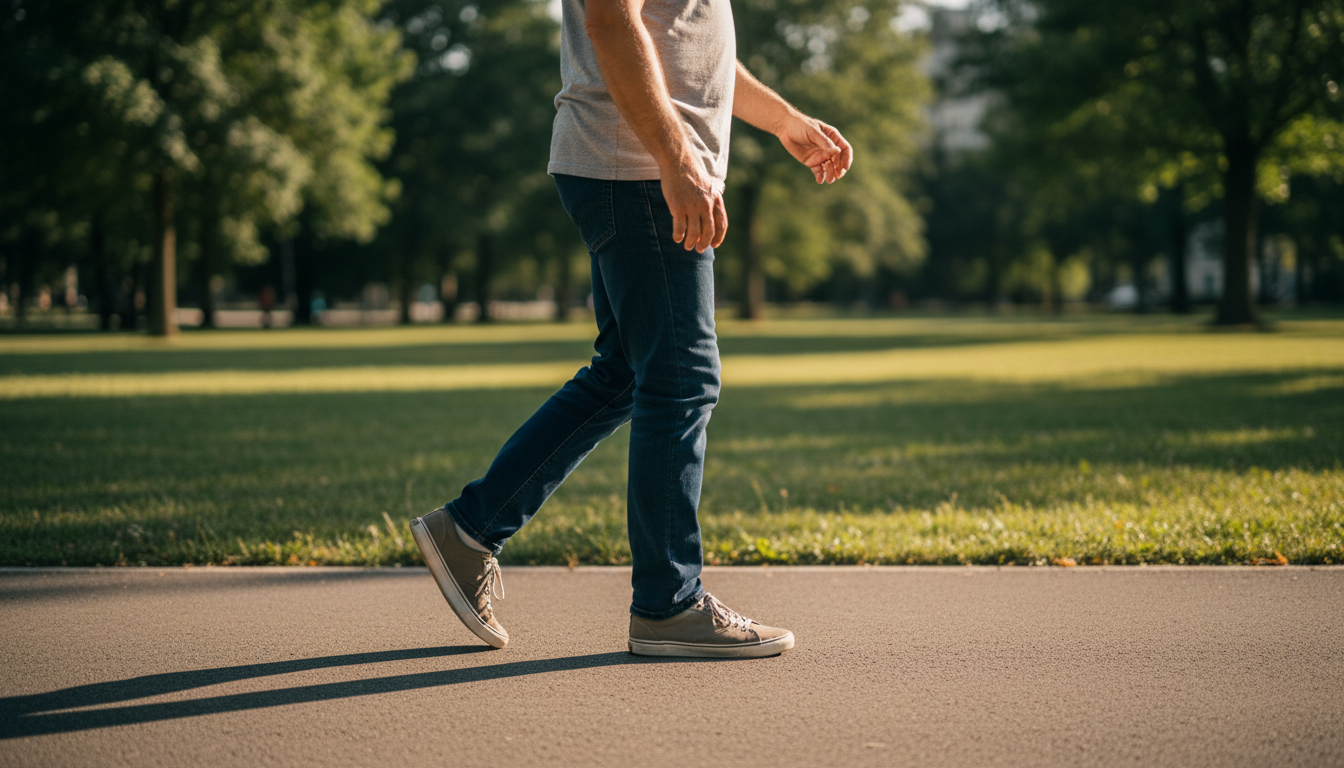
Every step you take places significant pressure on your heels, and the amount of body weight you carry directly affects this impact. Understanding the relationship between body weight and heel pressure is crucial for anyone experiencing foot discomfort, especially those who spend long hours on their feet. Whether you work in a warehouse, stand on concrete floors all day, or simply want to improve your walking comfort, recognizing how your weight influences your feet can help you make informed decisions about proper footwear support.
In this comprehensive guide, we’ll explore the biomechanics of heel pressure, explain why heavier individuals experience unique challenges, and reveal how the right support systems can transform your daily comfort and long-term foot health.
The Biomechanics of Heel Strike and Weight Distribution
When you walk, your heel is typically the first part of your foot to make contact with the ground. This initial heel strike absorbs a force equivalent to approximately 1.2 to 1.5 times your body weight during normal walking. For someone weighing 200 pounds, this translates to 240-300 pounds of pressure concentrated on a relatively small surface area with each step.
The heel’s fat pad acts as a natural shock absorber, but it has its limits. As body weight increases, this cushioning system becomes increasingly stressed. The heel bone (calcaneus) bears the brunt of this impact, and without adequate support, the surrounding soft tissues, ligaments, and fascia can become strained over time.
The pressure distribution doesn’t end at the heel. As your foot rolls forward through the gait cycle, weight transfers through the arch and eventually to the ball of the foot and toes. For individuals with high arches, this weight distribution is often uneven, placing excessive stress on both the heel and the forefoot while leaving the midfoot underutilized.
How Increased Body Weight Amplifies Heel Pressure
The relationship between body weight and heel pressure is not merely linear—it’s exponential in its effects. Heavier individuals don’t just experience proportionally more pressure; they also face several compounding challenges that lighter individuals may never encounter.
First, the repetitive impact of elevated heel pressure can lead to inflammation of the plantar fascia, the thick band of tissue running along the bottom of the foot. This condition, known as plantar fasciitis, is significantly more common among people carrying extra weight. The constant strain on this connective tissue causes micro-tears that result in sharp, stabbing pain, particularly noticeable during the first steps in the morning.
Second, increased body weight often correlates with overpronation—the inward rolling of the foot during walking. When the arch collapses under excessive weight, the heel doesn’t just absorb vertical pressure; it also experiences lateral stress that can lead to misalignment throughout the entire kinetic chain, affecting ankles, knees, hips, and even the lower back.
Third, heavier individuals typically experience faster deterioration of their footwear’s cushioning and support structures. Standard insoles compress and lose their shock-absorbing properties much more quickly, leaving feet vulnerable to the hard surfaces below.
The Critical Role of Proper Arch Support
Addressing heel pressure isn’t just about cushioning—it’s about comprehensive support that maintains proper foot alignment and distributes weight more evenly. This is where high arch support insoles and firm arch support insoles become essential tools for comfort and health.
Quality insoles for high arches serve multiple functions simultaneously:
- They cradle the arch, preventing collapse and maintaining the foot’s natural biomechanical structure
- They redistribute pressure away from the heel and forefoot toward the midfoot, creating more balanced weight distribution
- They stabilize the heel with a deep heel cup that centers the calcaneus and reduces lateral movement
- They provide targeted cushioning at high-pressure zones while offering firm support where needed
- They improve overall posture and alignment, reducing strain on joints throughout the body
For individuals carrying extra weight, these support features aren’t luxuries—they’re necessities. Insoles for heavy people must be engineered with durable materials that maintain their structural integrity under sustained pressure while still providing adequate shock absorption.
Special Considerations for Occupational Footwear
The challenge of heel pressure becomes even more pronounced for workers who spend entire shifts on their feet, particularly those on unforgiving surfaces. Warehouse workers, retail employees, healthcare professionals, and construction workers face unique demands that require specialized solutions.
Insoles for standing all day must meet specific criteria to prevent the cumulative damage that occurs from hours of continuous weight bearing. The ideal work boot insoles combine several essential features:
- Deep heel cup technology: A contoured heel cup that’s at least 1 inch deep centers the heel bone and provides lateral stability, preventing the rolling motion that exacerbates pressure problems.
- High-density arch support: Firm yet comfortable arch support that doesn’t collapse under body weight, even after hours of standing.
- Premium shock-absorbing materials: Multi-layer cushioning systems that dissipate impact forces without bottoming out.
- Moisture-wicking properties: Breathable top layers that keep feet dry, preventing blisters and reducing bacterial growth.
- Durable construction: Heavy-duty materials designed to withstand the demands of industrial environments and frequent use.
Insoles for concrete floors are particularly important because concrete offers virtually no natural shock absorption. Every footfall on concrete sends impact forces directly back through your feet, ankles, and legs. Without proper cushioning and support, workers on concrete experience accelerated foot fatigue, leading to pain, reduced productivity, and potential long-term injuries.
Choosing the Right Support for Your Needs
Not all supportive insoles for work are created equal. When selecting insoles to address heel pressure related to body weight, consider these critical factors:
Arch height and firmness: If you have high arches, you need insoles specifically designed for this foot type. Generic insoles often provide insufficient arch contact, leaving you without the support you need. Look for products explicitly labeled as insoles for high arches with firm support that won’t compress completely under your weight.
Heel cup depth: The deeper the heel cup, the better the stability. Insoles with deep heel cup designs prevent excessive heel movement and help maintain proper alignment. This feature is especially crucial for heavier individuals whose heel fat pads are under greater stress.
Material quality: Heavy duty work insoles should feature medical-grade materials that maintain their properties through extended use. Look for multi-density foams, gel inserts in strategic locations, and semi-rigid arch supports made from materials like EVA, polyurethane, or even carbon fiber composites.
Orthotic-grade construction: Orthotic work insoles are engineered to therapeutic standards, providing genuine biomechanical correction rather than just superficial cushioning. These insoles are designed by podiatrists and biomechanical engineers to address specific foot problems.
For workers dealing with pronation issues in addition to heel pressure, insoles for overpronation with posted arch support and reinforced heel counters can provide the dual benefits of alignment correction and pressure relief.
The Long-Term Benefits of Proper Support
Investing in quality arch support for work boots and everyday footwear delivers benefits that extend far beyond immediate comfort. When you properly address heel pressure and weight distribution, you’re preventing a cascade of potential problems.
Properly supported feet mean reduced inflammation and lower risk of chronic conditions like plantar fasciitis, heel spurs, and Achilles tendonitis. You’ll experience less fatigue at the end of your workday, allowing you to maintain energy for activities you enjoy. Better foot alignment also reduces compensatory stress on your knees, hips, and spine, potentially preventing pain and injury in these areas.
Many users of high-quality supportive insoles report improved posture, better balance, and enhanced athletic performance. When your foundation is solid and properly aligned, everything above it functions more efficiently.
Taking Action for Your Foot Health
Understanding how body weight influences heel pressure is the first step toward lasting comfort and foot health. The second step is implementing proper support solutions tailored to your specific needs.
If you’re experiencing heel pain, foot fatigue, or general discomfort during or after walking or standing, especially if you carry extra weight or work on hard surfaces, it’s time to evaluate your current footwear support. Don’t wait until minor discomfort becomes chronic pain or develops into a serious condition requiring medical intervention.
For those seeking professional-grade support designed specifically for demanding conditions, explore these heavy-duty orthotic insoles with deep heel cup and firm arch support, engineered to address the unique challenges faced by heavier individuals and workers on their feet all day.
Conclusion: Your Feet Deserve Better
The relationship between body weight and heel pressure is undeniable and significant. Every pound you carry multiplies the forces your feet must absorb with every step, and inadequate support transforms this natural biomechanical process into a source of pain and potential injury.
However, you don’t have to accept foot discomfort as an inevitable consequence of your weight or occupation. With the right knowledge and proper support systems—particularly high-quality insoles designed for heavy-duty use—you can dramatically improve your comfort, protect your long-term foot health, and enhance your overall quality of life.
Whether you need insoles for warehouse workers, support for high arches, or simply want to reduce the foot fatigue that comes from standing all day on hard surfaces, investing in proper footwear support is one of the most impactful decisions you can make for your health. Your feet carry you through life—give them the support they deserve.