
Foot Safety and Comfort: Essential Tips for Preventing Injuries at Hazardous Industrial Sites
May 4, 2026
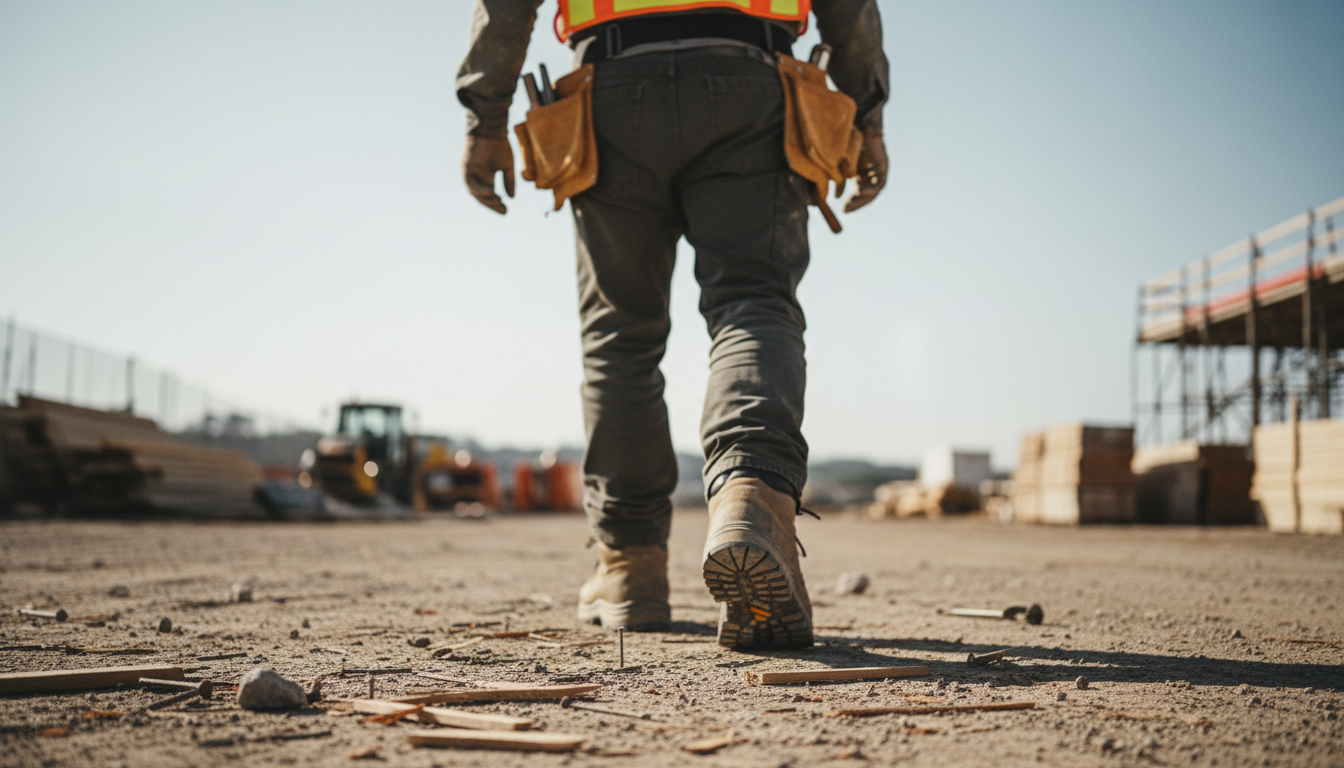
Understanding Foot Hazards in Industrial Environments
Industrial worksites present numerous threats to foot health and safety. From sharp objects that can cause puncture wounds to heavy equipment that risks crushing injuries, workers face daily challenges that demand proper foot protection. According to the Bureau of Labor Statistics, foot injuries account for nearly 10% of all reported workplace injuries, with many resulting in significant lost work time and permanent damage.
The risks aren’t limited to immediate injuries. Workers spending long hours on hard surfaces often develop chronic conditions like plantar fasciitis, heel spurs, and shin splints. These conditions don’t just cause pain—they can lead to decreased mobility, reduced productivity, and even disability if left untreated.
In hazardous industrial environments, protection against both acute injuries and chronic conditions becomes essential for worker health, safety, and longevity in the profession. Preventing these issues requires understanding the specific hazards present and implementing comprehensive protective measures that address both immediate dangers and long-term stress on the feet.
Common Foot Injuries in Industrial Settings and Their Causes
Puncture wounds rank among the most frequent acute foot injuries in industrial environments. These occur when sharp objects like nails, metal shavings, or broken glass penetrate footwear and damage the soft tissues of the foot. Even seemingly minor punctures can lead to serious infections or tendon damage if not properly treated.
Crushing injuries happen when heavy objects fall onto the foot, potentially fracturing bones and damaging soft tissue. These injuries can be particularly devastating, sometimes requiring extensive surgery and rehabilitation. Workers in warehouses, construction sites, and manufacturing plants face the highest risk of these traumatic injuries.
Beyond acute injuries, many workers develop chronic conditions from the cumulative stress of standing and walking all day on hard surfaces:
- Plantar fasciitis – inflammation of the band of tissue connecting the heel to the toes, causing severe heel pain
- Heel spurs – calcium deposits causing bony protrusions on the underside of the heel bone
- Shin splints – pain along the shin bone resulting from stress on the shinbone and connective tissues
- Achilles tendinitis – inflammation of the Achilles tendon, causing pain at the back of the heel
- Bunions – painful bony bumps that develop on the joint at the base of the big toe
The development of foot corns and blisters often indicates ill-fitting footwear or inadequate cushioning, which can lead to more serious problems if not addressed. These seemingly minor issues can significantly impact comfort and mobility during long shifts.
Essential Protective Footwear Features for Hazardous Environments
When selecting safety footwear for industrial environments, several critical features require consideration. First and foremost is puncture resistance. Quality safety boots should incorporate a puncture-resistant plate, typically made from composite materials or stainless steel, that prevents sharp objects from penetrating through to the foot.
Impact protection comes next on the priority list. Steel or composite toe caps provide crucial protection against crushing injuries from falling objects. The best safety boots meet ASTM F2413 standards, which specify minimum requirements for impact resistance.
Beyond these basic protective elements, consider these additional features:
- Slip resistance – Outsoles with specialized tread patterns and materials that maintain traction on wet or oily surfaces
- Electrical hazard protection – Non-conductive materials that insulate against electrical shock
- Metatarsal guards – Additional protection covering the upper foot, not just the toes
- Chemical resistance – Specialized materials that resist degradation from industrial chemicals
- Heat resistance – Protection from hot surfaces and molten metal splashes
While protective elements are crucial, comfort features shouldn’t be overlooked for workers standing and walking throughout long shifts. Look for boots with shock-absorbing midsoles, moisture-wicking linings, and ergonomic designs that reduce fatigue. The ideal safety boot balances protection with all-day wearability.
The Critical Role of Insoles: Support for Workers Standing All Day
Even the most advanced safety footwear can benefit from upgraded insoles. The factory insoles that come with work boots often provide minimal support and cushioning for workers who spend hours on their feet. Investing in the best insoles for walking and standing all day can dramatically improve comfort and reduce the risk of developing chronic foot conditions.
Quality insoles for standing all day offer multiple benefits beyond basic cushioning. They provide arch support tailored to your foot type, helping distribute weight evenly across the foot. This proper alignment reduces strain on the plantar fascia, potentially preventing painful conditions like plantar fasciitis and heel spurs.
When selecting insoles for walking all day in industrial environments, several key features deserve consideration:
- Shock absorption – Materials like EVA foam or gel that cushion impact with each step
- Arch support – Contoured support that maintains proper foot alignment
- Heel cups – Stabilizing features that center the heel and absorb impact
- Moisture management – Materials that wick away sweat to keep feet dry and prevent blisters
- Durability – Construction that withstands the demands of industrial environments
For workers in particularly hazardous environments with puncture risks, specialized protective insoles offer an additional layer of defense. These puncture-resistant insoles incorporate lightweight yet strong materials that prevent sharp objects from penetrating through the sole of the boot while maintaining comfort for all-day wear. They serve as an excellent supplement to safety boots, particularly in environments where small sharp objects like metal shavings are common hazards.
Preventing Chronic Foot Conditions in Industrial Workers
Long shifts spent walking and standing on hard surfaces put industrial workers at high risk for developing painful chronic foot conditions. Prevention requires a multi-faceted approach combining proper footwear, supportive insoles, and proactive foot care practices.
Plantar fasciitis symptoms include sharp pain in the heel, especially with the first steps in the morning. This common condition develops when the plantar fascia—the thick band of tissue running along the bottom of the foot—becomes inflamed. Regular stretching of the calf muscles and plantar fascia can help prevent this painful condition, as can wearing the best insoles for all day standing that provide proper arch support.
Achilles tendinitis presents as pain and stiffness along the Achilles tendon, particularly in the morning or after periods of rest. This overuse injury affects many industrial workers who spend hours on their feet. Preventative measures include proper warm-up before physically demanding tasks, gradual increases in activity levels, and footwear with adequate heel support.
Custom orthotics may be necessary for workers with specific foot mechanics or pre-existing conditions. Unlike over-the-counter insoles, these devices are prescribed by podiatrists and designed to address individual foot structures and movement patterns. For workers with severe pronation, supination, or structural abnormalities, custom orthotics can prevent the development of chronic pain and deformities like bunions.
Regular foot examinations help catch potential issues before they develop into debilitating conditions. Workers should inspect their feet daily for signs of pressure points, blisters, or unusual wear patterns on their footwear, all of which can indicate alignment problems that may lead to chronic pain if left unaddressed.
Daily Foot Care Routines for Industrial Workers
A consistent foot care routine can significantly reduce the risk of both acute injuries and chronic pain for industrial workers. Start each day with proper foot preparation—this means clean, dry feet in moisture-wicking socks made from technical fabrics rather than cotton, which retains moisture and increases blister risk.
During shifts, take advantage of breaks to perform simple foot exercises that improve circulation and reduce fatigue. Rolling the foot over a tennis ball, flexing and extending the toes, and ankle rotations can all help maintain foot health during long periods of standing. These exercises take only moments but can significantly reduce end-of-day discomfort.
Post-shift recovery routines are equally important. Consider these practices:
- Elevate feet for 15-20 minutes to reduce swelling and improve circulation
- Soak feet in cool water to reduce inflammation after hot, demanding shifts
- Apply moisturizer to prevent dry, cracked skin which is more susceptible to injury
- Perform targeted stretches for the plantar fascia, Achilles tendon, and calf muscles
- Use a foam roller or massage ball to release tension in the feet and lower legs
Managing foot pain effectively requires recognizing when to seek professional help. While minor discomfort after a long shift is normal, persistent pain, especially when it affects your gait or continues into rest days, warrants medical attention. Early intervention for conditions like heel spurs or ankle pain can prevent the development of chronic issues requiring more invasive treatments.
Employer Responsibilities and Best Practices for Foot Safety
Employers play a crucial role in preventing foot injuries and chronic conditions among industrial workers. OSHA regulations require employers to conduct hazard assessments and provide appropriate personal protective equipment, including foot protection, at no cost to employees when workplace hazards present foot injury risks.
Beyond meeting minimum regulatory requirements, forward-thinking companies implement comprehensive foot safety programs. These include regular training on proper footwear selection and use, rotating job assignments to reduce repetitive stress, and providing anti-fatigue mats in stationary work areas to reduce the impact of standing on hard surfaces.
Some companies have found success with footwear allowance programs that help employees purchase high-quality safety boots and insoles for all day standing. This approach recognizes that personal protective equipment works best when it fits properly and meets individual needs. These programs often pay for themselves through reduced injury rates and workers’ compensation claims.
Regular workplace assessments help identify emerging hazards before they cause injuries. This includes evaluating walking surfaces for slip and trip hazards, inspecting areas where sharp debris might accumulate, and reviewing incident reports to identify patterns that could indicate systemic safety issues requiring attention.
Conclusion: A Comprehensive Approach to Foot Safety
Protecting feet in hazardous industrial environments requires a multi-layered approach combining appropriate safety footwear, supportive insoles, proactive foot care practices, and workplace safety measures. By understanding common hazards and implementing comprehensive preventative strategies, workers can significantly reduce their risk of both acute injuries and chronic foot conditions.
Quality safety boots provide the foundation of protection, but the addition of specialized insoles for walking all day significantly enhances both comfort and injury prevention. For environments with puncture hazards, puncture-resistant insoles offer an additional critical layer of protection that could prevent debilitating injuries.
Remember that foot safety isn’t just about preventing traumatic injuries—it’s equally about preventing the chronic conditions that develop from cumulative stress. Shin splints, plantar fasciitis, heel pain, and other ongoing foot problems can severely impact quality of life and work performance. Investing in proper foot protection and care represents an investment in long-term health and career longevity.
By combining appropriate protective equipment with consistent foot care practices and workplace safety measures, industrial workers can maintain foot health even in the most demanding environments. Your feet carry you through every workday—they deserve the best protection available.