
Essential Foot Protection Tips for Outdoor Jobs: Preventing Injuries from Sharp Objects and Debris
May 11, 2026
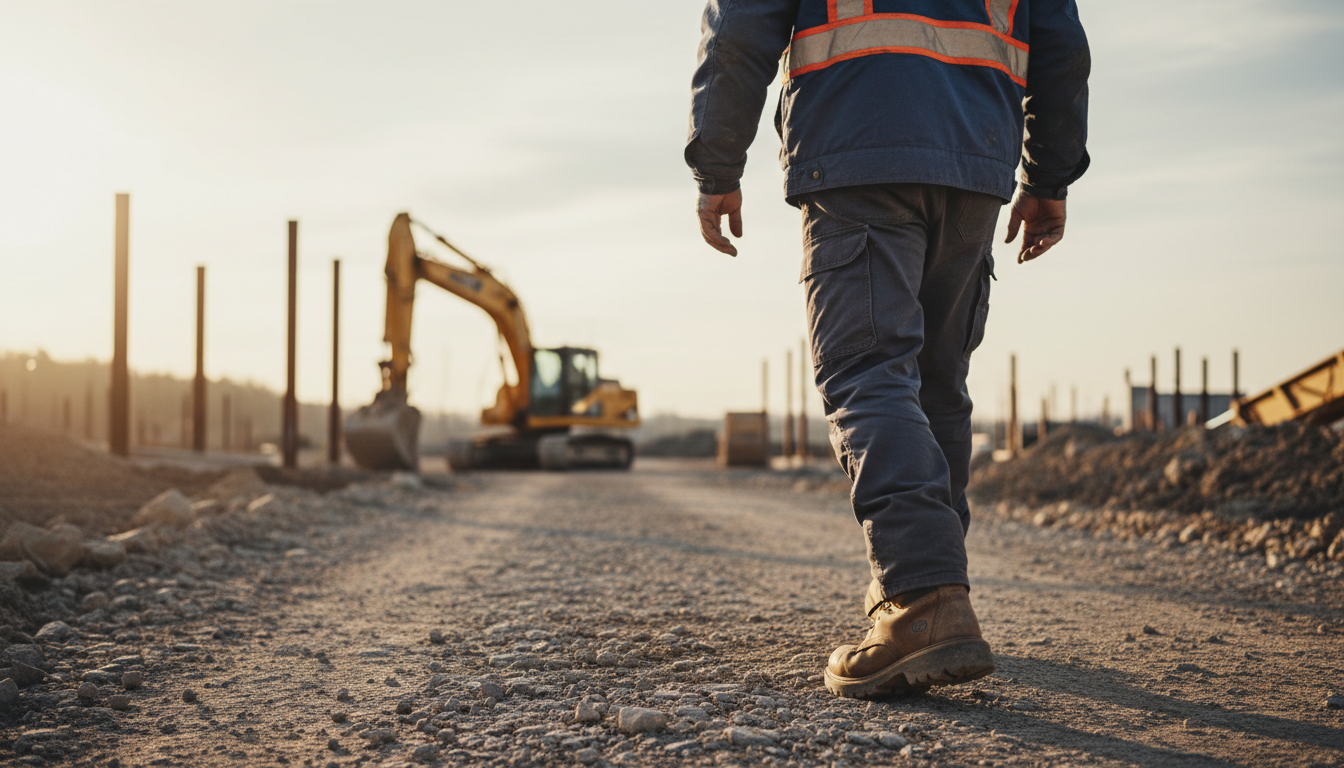
Working outdoors in construction, landscaping, roofing, or demolition sites exposes your feet to constant danger from sharp objects like nails, metal fragments, glass shards, and various debris. Every day, thousands of workers suffer puncture wounds, lacerations, and foot injuries that could have been prevented with proper foot protection. These injuries not only cause immediate pain but can lead to chronic conditions such as plantar fasciitis symptoms, heel pain, and foot pain that affect your ability to work and enjoy life.
This comprehensive guide provides practical foot protection strategies for outdoor workers, helping you understand the risks, choose appropriate safety equipment, and maintain foot health despite challenging work environments. Whether you’re stepping on construction debris daily or navigating hazardous terrain, these tips will keep your feet safe and comfortable throughout your workday.
Understanding the Risks: Common Foot Injuries from Sharp Objects
Outdoor job sites present numerous hazards that can compromise foot safety. Nails protruding from discarded lumber, sharp metal fragments from cutting operations, broken glass, and wire scraps create a minefield for unprotected feet. Puncture wounds are particularly dangerous because they can penetrate deep into the foot, potentially causing infections, damaging tendons, or even reaching bone structures.
Beyond puncture wounds, constant exposure to uneven surfaces and the need for prolonged standing can trigger secondary conditions. Workers often develop plantar fasciitis symptoms including stabbing heel pain, achilles tendinitis from inadequate support, and shin splints from improper footwear. These conditions compound the primary injury risks, making comprehensive foot protection essential.
Additional complications include blisters from poorly fitting safety boots, bunions from compressed toe boxes, heel spur development from repetitive impact, and foot corn formation from friction points. Understanding these interconnected risks highlights why foot protection requires a multi-faceted approach that addresses both injury prevention and comfort during extended wear.
Choosing the Right Safety Footwear for Hazardous Environments
The foundation of foot protection starts with appropriate safety footwear. Look for boots that meet ASTM safety standards, specifically those rated for puncture resistance. Steel-toe or composite-toe boots protect against falling objects, while puncture-resistant midsoles prevent sharp objects from penetrating through the sole.
However, safety features alone aren’t sufficient. Since outdoor workers often stand and walk for 8-12 hours daily, your footwear must also provide adequate support and cushioning. Boots lacking proper arch support contribute to plantar fasciitis symptoms, heel pain, and ankle pain. The challenge is finding safety boots that balance protection with comfort—a combination that often requires additional support solutions.
Key features to prioritize when selecting safety footwear include:
- Puncture-resistant midsole rated for ASTM F2413 standards
- Steel, composite, or alloy protective toe caps
- Slip-resistant outsoles with aggressive tread patterns
- Waterproof or water-resistant uppers for wet conditions
- Ankle support to prevent sprains on uneven terrain
- Electrical hazard protection if working near live circuits
- Adequate toe box space to prevent bunions and cramping
The Critical Role of Puncture-Resistant Insoles
While safety boots provide external protection, adding specialized insoles creates an enhanced defense system against ground hazards. Puncture-resistant insoles feature materials like Kevlar, steel plates, or advanced composite fabrics that prevent sharp objects from penetrating upward through worn boot soles or gaps in protection.
These protective insoles serve dual purposes: they shield your feet from puncture injuries while simultaneously addressing the comfort and support needs that prevent chronic foot conditions. For workers seeking the best insoles for walking and standing all day, puncture-resistant options that incorporate ergonomic design provide comprehensive protection without sacrificing comfort.
Quality protective insoles also help distribute pressure evenly across the foot, reducing stress on vulnerable areas prone to heel spur development and plantar fasciitis symptoms. When you’re constantly navigating debris-covered surfaces, this combination of safety and support becomes invaluable. If you’re ready to upgrade your foot protection, explore these puncture-resistant protective insoles designed specifically for demanding outdoor work environments.
Best Practices for Daily Foot Protection on Job Sites
Beyond equipment selection, implementing smart daily practices significantly reduces injury risk. Start each workday by inspecting your footwear for damage—worn soles, separated seams, or compromised protective elements create vulnerabilities that sharp objects can exploit. Replace boots showing significant wear, as even the best safety footwear has a limited protective lifespan.
Maintain awareness of your work environment by regularly scanning the ground ahead. While this seems obvious, fatigue and distraction cause many puncture injuries. On sites with heavy debris, establish clear pathways and designate clean walking zones whenever possible. Encourage team members to remove hazards like protruding nails and scattered metal fragments immediately.
Follow these daily protection strategies:
- Conduct morning and mid-day boot inspections to identify damage
- Keep feet dry by changing socks during breaks if they become wet
- Use insoles for standing all day that provide both protection and comfort
- Perform foot stretches during breaks to prevent achilles tendinitis and shin splints
- Apply protective barriers or moleskin to friction points that cause blisters
- Rotate between two pairs of boots to allow proper drying and reduce wear
- Clean boot treads regularly to maintain slip resistance and remove embedded debris
Addressing Common Foot Conditions in Outdoor Workers
Even with proper protection, outdoor workers frequently develop foot problems from the demanding nature of their jobs. Recognizing early symptoms allows for timely intervention before conditions become debilitating. Plantar fasciitis symptoms typically present as sharp heel pain, especially severe during the first steps after rest periods or at the end of long workdays.
Heel pain and heel spur often develop together, caused by repetitive stress on the heel bone’s attachment points. Workers experiencing persistent ankle pain should evaluate whether their boots provide adequate support, as ankle instability increases injury risk beyond just discomfort. Achilles tendinitis manifests as pain and stiffness above the heel, frequently resulting from inadequate cushioning or improper boot fit.
Addressing these conditions requires a combination of appropriate footwear, supportive orthotics or specialized insoles for walking all day, stretching routines, and sometimes professional medical intervention. Don’t ignore foot pain—what begins as minor discomfort can progress to chronic conditions requiring extended time off work. The best insoles for all day standing incorporate features specifically designed to alleviate pressure on problem areas while maintaining protective capabilities.
Maintaining Long-Term Foot Health in Demanding Jobs
Sustainable foot health requires ongoing attention beyond immediate injury prevention. Invest in quality foot care products including moisturizers to prevent cracking, antifungal treatments for boots that create warm environments, and proper socks that wick moisture and reduce friction. These seemingly minor elements significantly impact your comfort and injury resistance over time.
Consider rotating your insoles as well as your boots. The best insoles for standing all day compress with use, gradually losing their supportive properties. Replacing insoles every 3-6 months ensures consistent protection and support, maintaining the cushioning that prevents foot pain and chronic conditions. This relatively small investment protects your most valuable work asset—your ability to remain mobile and pain-free.
End each workday with foot care routines that promote recovery. Elevate your feet when resting, perform gentle stretches targeting the plantar fascia and Achilles tendon, and inspect for any cuts, blisters, or developing problems. Early detection of issues like foot corn or bunions allows for intervention before they impact your work capacity. If you develop persistent foot pain that doesn’t respond to rest and proper footwear, consult a podiatrist who can recommend custom orthotics or other specialized treatments.
Conclusion: Protecting Your Foundation for Career Longevity
Your feet are the foundation of your ability to work in outdoor environments, making their protection a critical investment in your career longevity and quality of life. Sharp objects, debris, and hazardous materials present constant threats that require comprehensive protection strategies combining proper safety footwear, puncture-resistant insoles, and smart daily practices.
Don’t wait for an injury to prioritize foot protection. The combination of external safety features and internal support systems—particularly high-quality insoles for standing all day with puncture-resistant properties—creates a defense that prevents both acute injuries and chronic conditions like plantar fasciitis symptoms, heel pain, and achilles tendinitis.
Remember that foot protection extends beyond avoiding puncture wounds. Comprehensive care addresses comfort, support, and the prevention of conditions that develop from prolonged standing and walking on challenging surfaces. By implementing the strategies outlined in this guide, you’ll safeguard your feet against immediate hazards while promoting long-term health that keeps you working comfortably for years to come. Your feet carry you through every workday—give them the protection and care they deserve.