
Essential Foot Protection Strategies for Warehouses and Construction Sites: Preventing Injuries and Enhancing Worker Safety
June 22, 2026
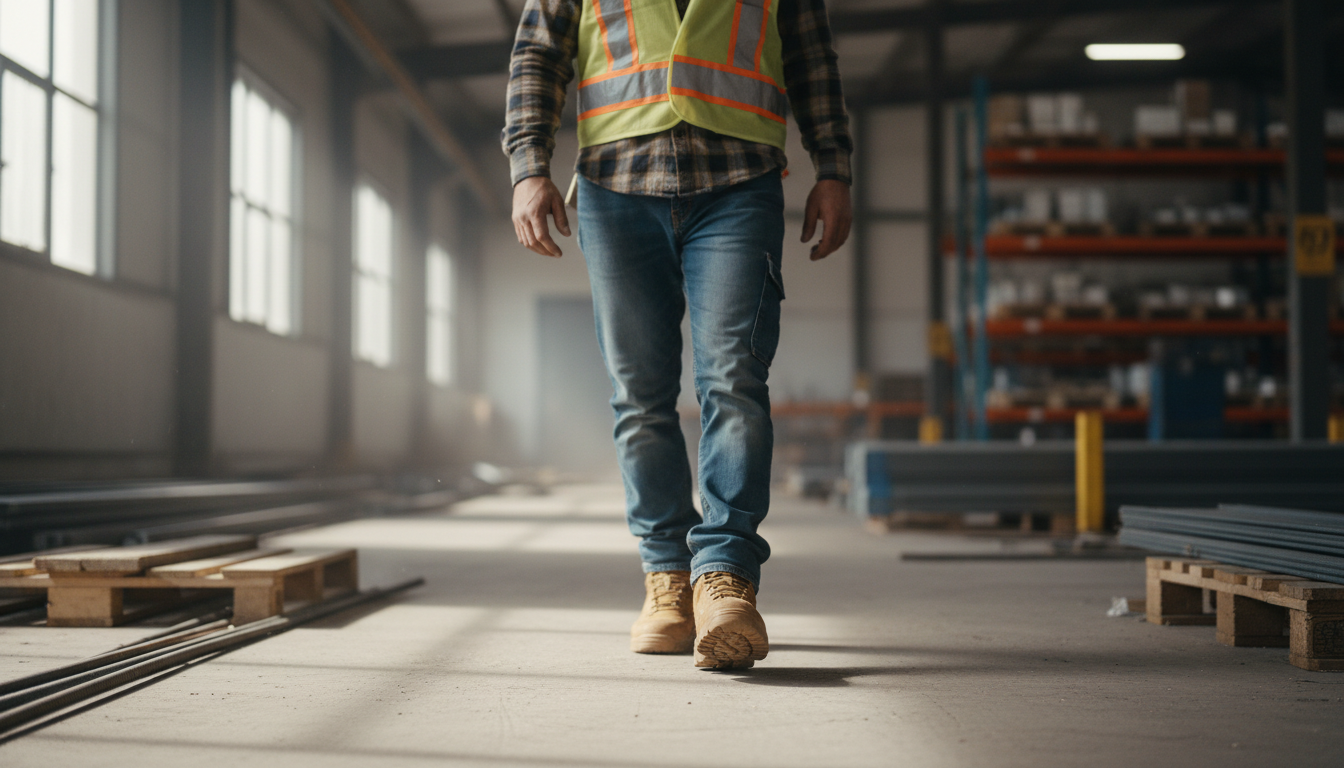
Warehouses and construction sites are among the most demanding work environments, where employees spend countless hours on their feet navigating hazardous terrain, lifting heavy materials, and operating machinery. These high-risk workplaces present numerous threats to foot health, ranging from impact injuries and puncture wounds to chronic conditions caused by prolonged standing and walking on hard surfaces. Understanding and implementing comprehensive foot protection strategies is essential for maintaining worker safety, reducing injury rates, and ensuring long-term employee wellbeing.
The statistics surrounding workplace foot injuries are sobering. According to occupational safety data, foot injuries account for a significant percentage of lost workdays in industrial settings, with many incidents being entirely preventable through proper protective measures. Beyond immediate injuries like crushed toes or puncture wounds, workers in these environments frequently develop debilitating conditions such as plantar fasciitis symptoms, heel pain, shin splints, and achilles tendinitis due to the relentless physical demands placed on their feet and lower extremities.
Understanding Common Foot Injuries in Industrial Workplaces
Before implementing protection strategies, it’s crucial to recognize the most prevalent foot-related issues affecting warehouse and construction workers. Acute injuries from falling objects, nail punctures, or slips and falls represent immediate dangers that require robust safety footwear. However, the chronic conditions that develop gradually often prove equally disruptive to workers’ lives and productivity.
Foot pain from prolonged standing affects nearly all workers in these industries at some point. This discomfort often manifests as specific conditions including heel spur formations, bunions, foot corn development, and painful blisters from friction within safety boots. Workers may also experience ankle pain from uneven surfaces or repetitive movements. The interconnected nature of the lower kinetic chain means that foot problems frequently lead to knee, hip, and back complications, creating a cascade of musculoskeletal issues that extend far beyond the feet themselves.
The Foundation: Proper Safety Footwear Selection
The first line of defense against foot injuries begins with appropriate safety footwear. Construction sites and warehouses typically require boots that meet specific safety standards, including steel or composite toe protection, puncture-resistant soles, slip-resistant treads, and ankle support. However, protection alone isn’t sufficient—comfort and biomechanical support are equally critical for workers who spend entire shifts on their feet.
When selecting safety footwear, workers and safety managers should consider these essential features:
- Impact and compression resistance to protect against falling objects and crushing hazards
- Puncture-resistant midsoles to prevent injuries from nails, sharp debris, and other penetrating hazards
- Slip-resistant outsoles with appropriate tread patterns for the specific work environment
- Adequate arch support to distribute weight evenly and reduce fatigue
- Breathable materials to manage moisture and prevent fungal infections
- Proper fit with adequate toe box space to prevent bunions and other deformities
While safety boots provide external protection, they often lack the internal support necessary for all-day comfort, which is where specialized insoles and orthotics become indispensable components of a comprehensive foot protection strategy.
The Critical Role of High-Performance Insoles
Standard insoles provided with safety footwear rarely offer sufficient support for the extreme demands of industrial work environments. Upgrading to specialized insoles for standing all day represents one of the most cost-effective interventions for preventing chronic foot conditions and enhancing worker comfort. The best insoles for all day standing provide multiple layers of protection and support that address both safety concerns and biomechanical needs.
Quality insoles for walking all day offer shock absorption that reduces the repetitive impact forces transmitted through the feet, ankles, and legs with each step. This cushioning effect is particularly important on concrete floors and other unforgiving surfaces common in warehouses and construction sites. Furthermore, the best insoles for walking and standing all day incorporate arch support that maintains proper foot alignment, preventing the collapse that leads to overpronation and its associated complications.
For workers seeking maximum protection in hazardous environments, specialized insoles with puncture-resistant properties provide an additional safety layer. If you’re looking to enhance both comfort and protection in your safety footwear, explore these puncture-resistant protective insoles on Amazon that combine advanced safety features with ergonomic support designed specifically for demanding work environments.
Addressing and Preventing Common Foot Conditions
Proactive strategies can significantly reduce the incidence and severity of chronic foot conditions. Workers experiencing early symptoms should take immediate action rather than allowing conditions to worsen. Plantar fasciitis symptoms—including sharp heel pain particularly noticeable with the first steps after rest—affect a substantial percentage of workers in standing occupations. This inflammatory condition responds well to proper arch support, stretching routines, and appropriate footwear modifications.
Achilles tendinitis presents as pain and stiffness along the back of the ankle and lower calf, often resulting from inadequate heel cushioning or poor boot fit. Shin splints, characterized by pain along the inner edge of the shinbone, frequently develop when workers suddenly increase their activity levels or work on particularly hard surfaces without adequate shock absorption. Both conditions benefit tremendously from improved insoles that provide proper cushioning and biomechanical support.
Structural foot problems like bunions, heel spurs, and foot corns often worsen in poorly fitting safety boots. Ensuring adequate toe box space, using protective padding, and selecting footwear that accommodates existing deformities prevents progression of these painful conditions. Blisters from friction can be minimized through moisture-wicking socks, properly broken-in boots, and insoles that reduce foot movement within the shoe.
Comprehensive Foot Protection Protocols
Effective foot protection extends beyond equipment to encompass comprehensive workplace protocols and personal practices. Organizations should implement these essential strategies:
- Conduct thorough hazard assessments to identify specific foot injury risks within each work area and implement targeted protective measures accordingly.
- Establish mandatory safety footwear policies with clear specifications for required protection levels based on job duties and exposure risks.
- Provide education and training on proper footwear selection, maintenance, and the importance of reporting foot discomfort before it escalates into serious injury.
- Implement footwear replacement programs that ensure workers have access to boots in good condition, as worn-out footwear loses protective and supportive properties.
- Create ergonomic work environments by providing anti-fatigue mats in standing work areas, allowing position variation when possible, and scheduling regular breaks.
- Encourage stretching routines before shifts and during breaks to maintain flexibility in the feet, ankles, and calves, reducing injury risk.
- Maintain clean, organized work areas free from tripping hazards, debris, and slippery surfaces that increase fall and puncture wound risks.
Personal Foot Care Practices for Industrial Workers
Workers themselves play a vital role in maintaining foot health through daily care practices. Inspecting feet regularly for blisters, cuts, swelling, or early signs of conditions like foot corns or bunions allows for early intervention before problems become debilitating. Maintaining proper hygiene prevents fungal infections that thrive in the warm, moist environment inside safety boots.
Rotating between multiple pairs of safety boots allows each pair to dry completely between uses, extending their lifespan and reducing moisture-related problems. Investing in high-quality, moisture-wicking socks provides another layer of comfort and protection. Workers should also pay attention to their body’s signals—persistent heel pain, ankle pain, or foot pain should prompt immediate evaluation rather than being ignored until the condition becomes severe.
Strengthening and stretching exercises targeting the feet and lower legs build resilience against the demands of industrial work. Simple routines performed at home can significantly reduce the likelihood of developing conditions like plantar fasciitis or achilles tendinitis. Rolling the foot over a tennis ball or frozen water bottle, performing calf stretches, and practicing toe curls and spreads all contribute to healthier, more resilient feet.
Conclusion: Building a Culture of Foot Safety
Protecting workers’ feet in warehouses and construction sites requires a multifaceted approach combining appropriate safety equipment, supportive insoles and orthotics, comprehensive workplace policies, and personal care practices. The investment in proper foot protection yields substantial returns through reduced injury rates, decreased absenteeism, improved productivity, and enhanced worker morale and retention.
Organizations that prioritize foot health demonstrate genuine commitment to worker wellbeing, creating safer, more comfortable work environments where employees can perform at their best without sacrificing their long-term health. By selecting the best insoles for standing all day, maintaining high safety footwear standards, and fostering awareness of proper foot care, industrial workplaces can dramatically reduce the burden of foot injuries and chronic conditions.
Whether you’re a safety manager developing protective equipment policies or a worker seeking to safeguard your own foot health, implementing these strategies will provide lasting benefits. Remember that foot protection isn’t a one-time decision but an ongoing commitment to maintaining the foundation that supports every aspect of your work and life. Take action today to protect the feet that carry you through demanding workdays, and you’ll experience the benefits of reduced pain, fewer injuries, and greater comfort for years to come.