
Foot Protection for Physically Demanding Jobs: Essential Insoles for Arch Support, Flat Feet Pain, and Runner’s Foot
May 23, 2026
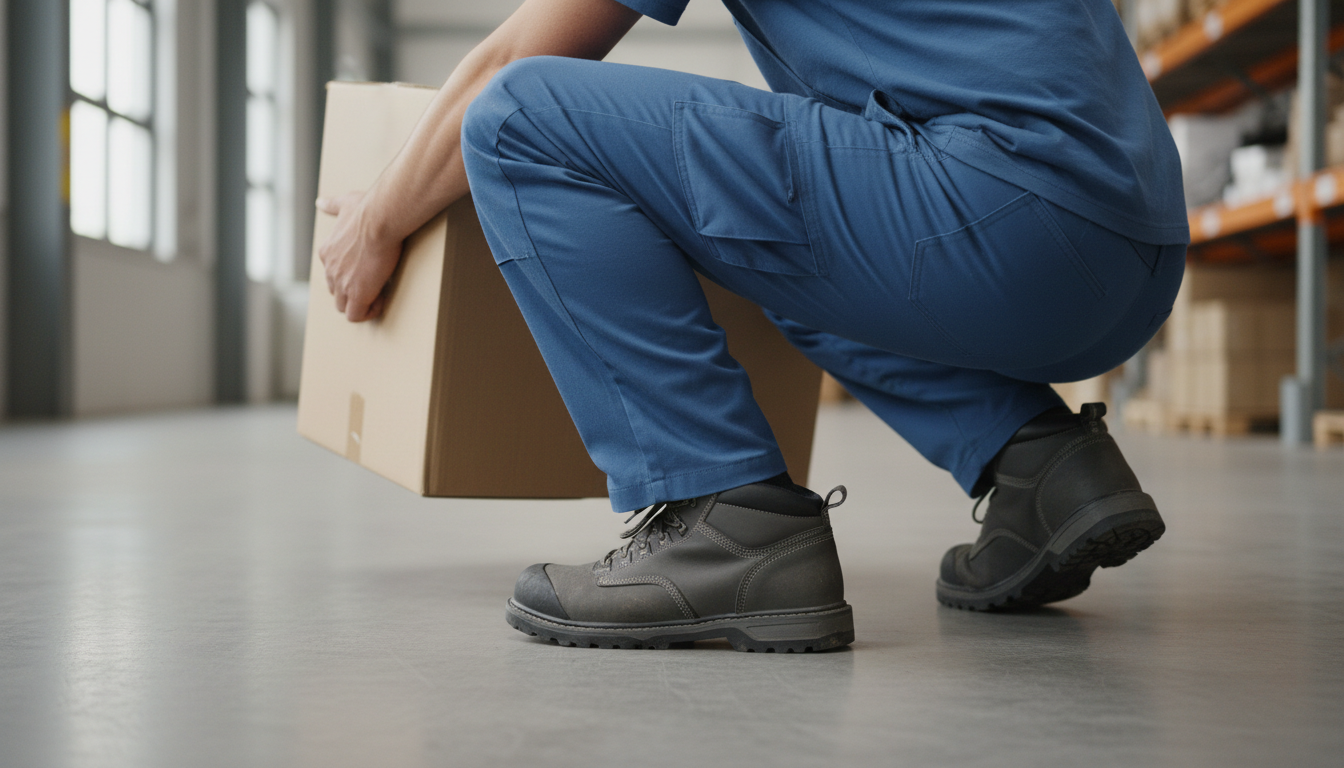
If you work in a physically demanding job, you know the toll it takes on your feet. Whether you’re standing for long shifts, walking on concrete floors, or constantly moving heavy loads, foot fatigue and pain can become debilitating. The right foot protection isn’t just about safety boots—it starts from the ground up with properly designed insoles that provide crucial support, cushioning, and stability. Understanding how arch support slippers for women and specialized flat feet insoles can transform your workday is essential for long-term foot health and injury prevention.
Many workers suffer from conditions like flat feet pain, plantar fasciitis, and what’s commonly known as runners foot—overuse injuries that affect not just athletes but anyone who spends extended periods on their feet. The solution often lies in upgrading your footwear with high-quality insoles designed specifically for the demands of your work environment.
Understanding the Impact of Physically Demanding Work on Your Feet
Physically demanding jobs place extraordinary stress on your feet, ankles, and lower body. Construction workers, healthcare professionals, warehouse staff, retail employees, and manufacturing workers routinely log 10,000 to 20,000 steps per shift—often on unforgiving surfaces. This constant impact creates a cascade of problems that extend far beyond simple fatigue.
Without proper support, the arches of your feet collapse repeatedly throughout the day, leading to overpronation and misalignment that travels up through your ankles, knees, hips, and even your spine. This biomechanical chain reaction is why many workers experience lower back pain, knee discomfort, and chronic foot conditions. Flat feet pain becomes particularly acute when the natural shock absorption of your arch is compromised or absent entirely.
The repetitive stress also causes inflammation in the plantar fascia—the thick band of tissue running along the bottom of your foot—creating the stabbing heel pain characteristic of plantar fasciitis. Workers who ignore early warning signs often find themselves dealing with chronic conditions that require extensive treatment and time off work.
How Properly Designed Insoles Reduce Fatigue and Prevent Injuries
Quality insoles transform your work boots or shoes into ergonomic support systems tailored to your foot’s unique structure. Unlike generic foam inserts, professionally designed flat feet insoles incorporate multiple layers of technology that work together to protect your feet throughout demanding shifts.
The foundation of effective insoles is proper arch support, which maintains your foot’s natural alignment and prevents excessive pronation. This support redistributes pressure away from stress points, reducing the crushing fatigue that builds up over hours of standing or walking. For workers with flat feet or fallen arches, this structural support is absolutely critical—it essentially provides the arch your foot lacks naturally.
Beyond arch support, premium insoles feature strategic cushioning in high-impact zones like the heel and forefoot. This cushioning absorbs shock with each step, protecting your joints from the repetitive impact that causes long-term damage. Deep heel cups cradle your heel bone, improving stability and reducing the side-to-side motion that can lead to ankle sprains.
Key Features to Look for in Work Insoles
Not all insoles are created equal, especially when it comes to the rigorous demands of physical work. Understanding which features matter most can help you make an informed decision that protects your feet and enhances your work performance.
- Firm Arch Support: Look for insoles with semi-rigid arch support that maintains its shape under pressure, rather than soft foam that compresses and loses effectiveness throughout the day.
- Moisture-Wicking Materials: Breathable top layers that pull sweat away from your skin help prevent blisters, odor, and fungal infections common in work environments.
- Durable Construction: Work insoles must withstand daily abuse, so reinforced materials and quality construction are non-negotiable for longevity.
- Heel Cushioning: Gel or foam padding in the heel strike zone absorbs impact and reduces stress on your joints with every step.
- Metatarsal Support: Additional cushioning under the ball of your foot prevents forefoot pain and conditions like metatarsalgia.
- Antimicrobial Treatment: Coatings that inhibit bacteria growth keep insoles fresher longer and reduce foot odor.
Addressing Common Foot Conditions in the Workplace
Different foot conditions require specific support strategies. Understanding your particular foot structure and any existing issues helps you select insoles that address your needs effectively. Workers dealing with flat feet pain need substantially different support than those with high arches or neutral foot types.
For flat feet or fallen arches, insoles with firm medial arch support are essential. These insoles literally lift the arch, preventing overpronation and the internal rotation that stresses your ankles and knees. The support should feel substantial but not painful—proper insoles guide your foot into correct alignment without forcing it into an unnatural position.
Workers experiencing runners foot—typically plantar fasciitis or Achilles tendinitis—benefit from insoles with excellent heel cushioning and a slight heel lift. This design reduces tension on the plantar fascia and Achilles tendon, allowing these inflamed tissues to heal while you continue working. The combination of cushioning and support prevents the condition from worsening during your shift.
For those who need to adjust fit in their work boots, specialized insoles for sneakers too big add volume while providing support. This is particularly useful when you need to wear thicker socks for safety or when your boots have stretched slightly over time. Rather than suffering with poorly fitting footwear, volume-adding insoles fill the extra space while supporting your arches and cushioning your stride.
Implementing a Comprehensive Foot Protection Strategy
While quality insoles form the foundation of foot protection, a holistic approach yields the best results for workers in demanding roles. Consider these complementary strategies to maximize foot health and minimize injury risk:
- Choose Appropriate Footwear: Start with work boots or shoes that fit properly, provide adequate toe room, and meet safety requirements for your industry. Even the best insoles can’t compensate for poorly designed or ill-fitting footwear.
- Replace Insoles Regularly: Work insoles typically need replacement every 6-12 months depending on usage intensity. Compressed, worn-out insoles provide minimal support and should be replaced promptly.
- Perform Foot Stretches: Incorporate simple stretching exercises for your calves, Achilles tendons, and plantar fascia into your daily routine. These stretches maintain flexibility and reduce injury risk.
- Alternate Footwear When Possible: If your work environment allows, rotate between two pairs of properly supported shoes. This prevents any single pair from breaking down too quickly and gives materials time to decompress between wears.
- Use Compression Socks: Quality compression socks improve circulation, reduce swelling, and complement the support provided by your insoles, especially during long shifts.
- Invest in Recovery: Consider arch support slippers for women or men for wearing at home after work. These recovery slippers maintain proper foot alignment even during rest periods, accelerating healing and reducing next-day soreness.
Specialized Insole Solutions for Different Work Environments
Different industries present unique challenges that benefit from tailored insole solutions. Understanding your specific work environment helps you select insoles optimized for your conditions.
Healthcare workers who split time between walking hospital corridors and standing during procedures need insoles that balance cushioning with energy return. Retail and restaurant staff working on tile or concrete floors require maximum shock absorption to combat the unforgiving surfaces. Construction workers need extremely durable insoles that withstand harsh conditions while providing stability on uneven terrain.
Warehouse and logistics workers benefit from insoles designed for the repetitive motion of walking, bending, and lifting. These insoles often feature enhanced forefoot cushioning and superior arch support to handle the constant movement. Manufacturing workers standing at assembly stations need insoles with anti-fatigue technology that reduces the muscle exhaustion associated with prolonged static standing.
For workers seeking professional-grade protection specifically engineered for demanding jobs, explore these Work Comfort Insoles designed for all-day support and injury prevention. These insoles combine medical-grade arch support with industrial-strength durability to keep you comfortable and protected throughout even the longest, most demanding shifts.
The Long-Term Benefits of Proper Foot Protection
Investing in quality insoles pays dividends that extend far beyond immediate comfort. Workers who prioritize foot protection experience fewer sick days, reduced workers’ compensation claims, and longer, more productive careers. The cumulative effect of proper support prevents the chronic conditions that force many workers into early retirement or career changes.
Proper foot alignment achieved through quality insoles also improves overall posture and biomechanics. When your feet function correctly, the positive effects cascade upward through your entire kinetic chain. Workers report reduced back pain, fewer headaches from tension, and improved energy levels when their feet are properly supported.
The financial benefits are equally compelling. While premium insoles represent an upfront investment, they eliminate the need for costly medical treatments, orthotics, or time off work due to foot-related injuries. Many workers find that a single pair of quality insoles saves them hundreds or thousands of dollars in healthcare costs over time.
Choosing the Right Insoles for Your Needs
Selecting appropriate insoles requires honest assessment of your foot type, existing conditions, and work demands. If you have diagnosed flat feet or high arches, choose insoles specifically designed for your arch type. Workers with neutral arches can typically use stability insoles that provide moderate support and cushioning.
Pay attention to your footwear as well. Standard work boot insoles differ from insoles for sneakers too big or the trim-to-fit options needed for dress shoes. Some insoles are specifically designed to fit the roomier toe boxes of safety boots, while others work best in athletic shoes or casual work footwear.
Consider trying insoles with different support levels if you’re new to wearing them. Some workers need to gradually build up to firmer support, starting with moderate insoles and progressing to more substantial arch support as their feet adapt. This approach prevents the discomfort some people experience when immediately switching to maximum support insoles.
Conclusion: Protecting Your Foundation for Career Longevity
Your feet are quite literally the foundation of your work performance and career longevity in physically demanding jobs. Ignoring foot pain or fatigue isn’t a badge of toughness—it’s a recipe for chronic conditions that can derail your career and diminish your quality of life. Properly designed insoles represent one of the most cost-effective and impactful investments you can make in your occupational health.
Whether you’re dealing with flat feet pain, recovering from runners foot conditions, or simply seeking to prevent the cumulative damage of years spent on concrete and hard surfaces, the right insoles make an immediate, noticeable difference. Combined with appropriate footwear, regular stretching, and smart work practices, quality insoles form the cornerstone of a comprehensive foot protection strategy that keeps you working comfortably for decades to come.
Don’t wait until foot pain forces you to take action. Proactive protection prevents the injuries, chronic conditions, and lost work time that affect millions of workers in physically demanding roles. Your feet carry you through every shift, every project, and every workday of your career—they deserve the support and protection that only properly engineered insoles can provide. Start prioritizing your foot health today, and your body will thank you for years to come.