
Evening Recovery: How Memory Foam Insoles Relieve Foot Pressure After a Long Day
May 9, 2026
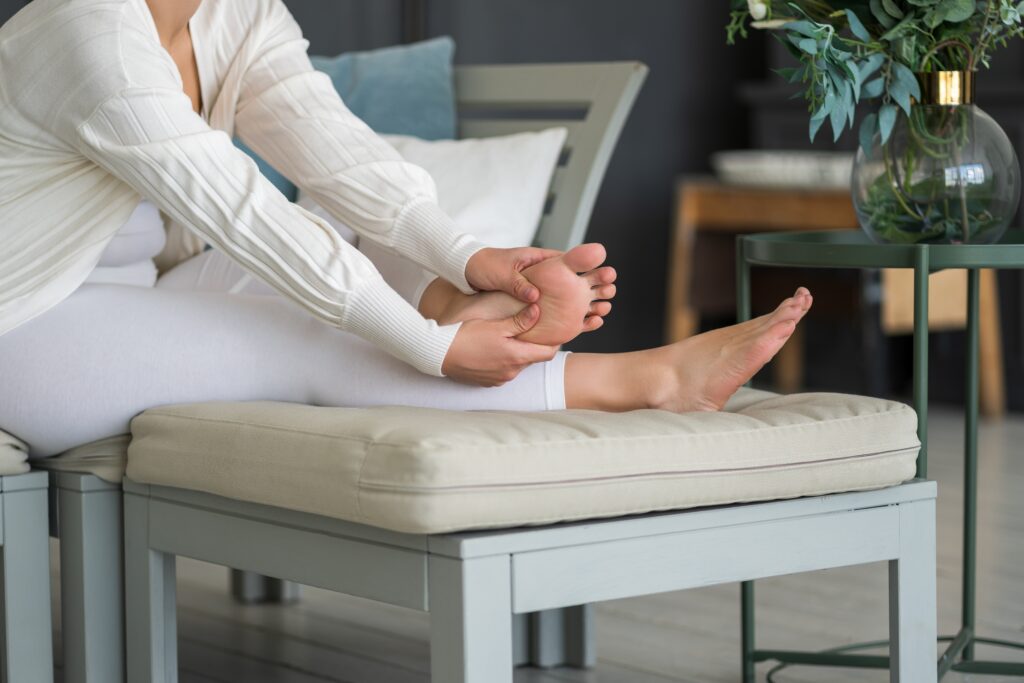
After spending hours on your feet, that familiar ache begins to set in. Whether you’ve been standing at work, walking through a bustling city, or completing household chores, your feet bear the brunt of daily activities. The evening should be a time of recovery and comfort, but persistent foot discomfort can make relaxation difficult. Enter memory foam insoles—a revolutionary solution for evening foot recovery that’s changing how we approach foot care after long, demanding days.
Memory foam insoles have gained popularity for their exceptional ability to relieve foot pressure, providing customized support that traditional insoles simply can’t match. By conforming to your unique foot shape and absorbing impact with each step, these specialized inserts can transform your evening recovery routine and help prepare your feet for the next day’s challenges.
In this comprehensive guide, we’ll explore how memory foam insoles work, their benefits for evening foot recovery, and how to choose the right pair for your specific needs. Whether you’re dealing with occasional discomfort or chronic foot pain, understanding the science behind memory foam technology might just be the key to happier, healthier feet.
The Science Behind Memory Foam Insoles
Memory foam was originally developed by NASA in the 1960s to improve seat cushioning and crash protection for astronauts. Today, this remarkable material has found its way into numerous products, including mattresses, pillows, and—crucially for our tired feet—insoles. But what exactly makes memory foam so special?
At its core, memory foam is a polyurethane material enhanced with additional compounds that increase its viscosity and density. This unique composition creates a material that’s both responsive and supportive, with the remarkable ability to temporarily conform to pressure while gradually returning to its original shape when the pressure is removed.
When applied to insoles, this translates to a cushioning system that responds to your body heat and weight, creating a personalized mold of your foot. Unlike gel insoles that provide general cushioning, memory foam offers dynamic support that adapts to your specific pressure points and walking patterns.
The viscoelastic properties of memory foam allow it to absorb and distribute pressure evenly across your foot’s surface. This is particularly beneficial after a long day when your feet have been subjected to repetitive stress and impact. By contouring to your foot’s natural shape, memory foam insoles help to:
- Reduce high-pressure areas that cause pain
- Support the arch and heel in their natural positions
- Absorb shock during walking, even on hard surfaces
- Improve weight distribution across the entire foot
- Decrease muscle fatigue in the feet and legs
Evening Recovery: Why Your Feet Need Special Attention
The human foot is an engineering marvel, containing 26 bones, 33 joints, and more than 100 muscles, tendons, and ligaments. This complex structure bears our entire body weight and adapts to varied terrains and movements throughout the day. By evening, our feet have typically endured thousands of steps, each exerting forces equal to 1.5 times our body weight.
Evening recovery is crucial because it’s during rest periods that your body repairs tissue damage and prepares for the next day’s activities. Without proper recovery, minor foot discomfort can develop into chronic conditions like plantar fasciitis, metatarsalgia, or even contribute to knee and back pain.
Memory foam insoles play a vital role in this recovery process. When you slip them into your shoes at the end of a long day or use them in your evening footwear, they immediately begin working to relieve accumulated pressure. The material’s slow response time allows it to gently cradle your feet, providing relief to overworked muscles and compressed joints.
For optimal evening recovery, many podiatrists recommend a combination approach:
- Switch to supportive footwear with memory foam insoles when you get home
- Elevate your feet for 15-20 minutes to reduce swelling
- Perform gentle foot stretches to release tension
- Apply cold therapy if inflammation is present
- Maintain proper hydration to support tissue recovery
By incorporating memory foam insoles into this routine, you’re providing your feet with the support they need during the crucial recovery window, potentially preventing pain before it starts.
How Memory Foam Compares to Other Insole Materials
The insole market offers numerous materials promising foot comfort and support. Understanding how memory foam compares to these alternatives can help you make an informed choice for your evening recovery needs.
Gel insoles are among the most popular competitors to memory foam. These insoles utilize silicone gel that provides excellent shock absorption and can feel cooling against the foot. While gel insoles offer immediate cushioning, they don’t conform to your foot’s unique shape like memory foam does. Instead, they provide general pressure distribution without the personalized support that makes memory foam ideal for targeted relief.
FP insoles, known for their proprietary foam formulations, offer another alternative with their focus on athletic performance and impact protection. While effective for active use, they typically don’t provide the same level of customized comfort that memory foam delivers during recovery periods.
Traditional foam insoles are lightweight and inexpensive but compress quickly and lack the responsiveness of memory foam. Their uniform density means they can’t address individual pressure points effectively, making them less suitable for evening recovery when your feet need specialized attention.
Cork insoles offer natural support and gradually mold to your feet over extended periods. However, they lack the immediate conforming properties of memory foam, which makes them less effective for instant evening relief.
Move insoles and other movement-focused options prioritize biomechanical correction over cushioning. While beneficial for structural issues, they may not provide the pressure relief and comfort needed after a long day of activity.
Memory foam’s unique advantage lies in its ability to combine immediate comfort with personalized support. The material’s temperature-responsive nature means it becomes more responsive as it warms to your body heat, creating an increasingly customized fit throughout your evening recovery period.
Key Benefits of Memory Foam Insoles for Evening Recovery
After understanding the science behind memory foam, it’s important to explore the specific benefits these insoles offer for evening recovery. The advantages extend beyond simple comfort, addressing multiple aspects of foot health and overall well-being.
Pressure Point Relief: By the end of the day, certain areas of your feet—typically the heel, ball, and areas around bunions or hammertoes—have endured significant pressure. Memory foam insoles excel at identifying and conforming to these high-pressure areas, providing targeted relief where standard insoles cannot.
Reduced Muscle Fatigue: Standing or walking on hard surfaces forces your foot muscles to work overtime for stability. Memory foam’s supportive cushioning reduces this muscular effort, allowing tired foot muscles to relax and recover more effectively during evening hours.
Improved Circulation: Properly cushioned feet experience better blood flow, which is essential for recovery. Memory foam insoles help distribute pressure evenly, preventing the constriction of blood vessels that can occur with prolonged standing or ill-fitting footwear.
Temperature Regulation: Quality memory foam insoles often incorporate cooling technologies that help regulate foot temperature. This can be particularly beneficial in the evening when feet may feel hot and swollen after a day of activity.
Joint Protection: The shock-absorbing qualities of memory foam protect not just your feet but also the ankle, knee, and hip joints. This comprehensive protection is invaluable during recovery periods, as it allows your entire lower body to benefit from reduced impact stress.
Pain Prevention: Regular use of memory foam insoles can help prevent common foot ailments like plantar fasciitis, metatarsalgia, and general foot fatigue by maintaining proper foot alignment and cushioning during recovery periods.
Choosing the Right Memory Foam Insoles for Your Needs
Not all memory foam insoles are created equal. When selecting the ideal pair for your evening recovery routine, several factors should guide your decision to ensure you receive maximum benefit.
First, consider the density of the memory foam. Higher-density foams provide more support and durability, making them ideal for individuals who need significant pressure relief. Medium-density options offer a balance of cushioning and support, while lower-density foams provide softer cushioning that may be preferable for sensitive feet.
The thickness of the insole is another crucial consideration. Thicker insoles offer more cushioning but may require additional space in your shoes. For evening recovery footwear, slightly thicker insoles can be advantageous as they provide enhanced comfort when your feet are at their most fatigued.
Consider whether you need insoles with heel cups or raised arch support. Memory foam insoles with heel cups provide additional stability and can help with proper alignment during recovery. Those with significant arch support are beneficial if you have flat feet or high arches that need extra assistance at the end of the day.
For comprehensive evening recovery, look for premium memory foam insoles that combine comfort with therapeutic support. These specialized insoles feature multi-layer construction that addresses various aspects of foot recovery simultaneously, providing the ultimate solution for tired, aching feet.
Don’t overlook the importance of antimicrobial properties, particularly for evening use when feet may be sweaty after a full day of activity. Quality memory foam insoles often include antimicrobial treatments that prevent odor and extend the life of the product.
Implementing Memory Foam Insoles into Your Evening Recovery Routine
Maximizing the benefits of memory foam insoles requires more than simply placing them in your shoes. A thoughtful approach to their use can significantly enhance your evening recovery experience.
Begin by transitioning to recovery footwear as soon as possible after completing your day’s activities. This might mean house shoes or slippers with memory foam insoles that allow your feet to decompress while still providing structure and support. Unlike going barefoot, which can stress already fatigued foot structures, properly supported recovery footwear continues the healing process.
Consider having dedicated insoles for different purposes. Many people benefit from having one set of memory foam insoles for daytime use in work shoes and another, possibly thicker set specifically for evening recovery footwear. This strategy ensures you always have fresh, supportive insoles available when your feet need them most.
Complement your memory foam insoles with other recovery techniques for maximum benefit:
- Brief foot soaks in warm water with Epsom salts to reduce inflammation
- Gentle self-massage focusing on the arch and ball of the foot
- Simple foot exercises like toe curls and ankle rotations
- Compression socks worn for an hour after removing your day shoes
- Proper hydration to support tissue recovery
Remember that memory foam performs optimally when it has time to “reset” between uses. If possible, allow your insoles to rest overnight without pressure, enabling them to fully return to their original shape and provide maximum benefit the next day.
Long-Term Benefits of Evening Foot Recovery with Memory Foam
While the immediate relief provided by memory foam insoles is valuable, the long-term benefits of consistent evening foot recovery can be transformative for your overall health and mobility.
Regular use of memory foam insoles as part of an evening recovery routine has been associated with reduced incidence of chronic foot conditions. By properly supporting your feet during recovery periods, you help prevent the micro-injuries that can accumulate over time and develop into more serious problems like chronic plantar fasciitis, neuroma formation, or stress fractures.
Memory foam’s support extends beyond foot health, potentially improving posture and reducing strain on your knees, hips, and lower back. Many users report decreased overall body fatigue when implementing proper foot recovery techniques, as the effects of improved foot alignment cascade throughout the kinetic chain.
For individuals who stand or walk extensively during work hours, evening recovery with memory foam insoles can extend career longevity by preventing the accumulation of occupational stress injuries. This protective effect is particularly valuable in professions like healthcare, retail, food service, and manufacturing where foot fatigue is a common complaint.
Perhaps most importantly, consistent evening foot recovery helps maintain mobility and independence as we age. By reducing foot pain and fatigue, memory foam insoles can help ensure that daily activities remain comfortable and accessible throughout life, supporting an active lifestyle for years to come.
Conclusion: Embracing Evening Recovery for Healthier Feet
The journey toward healthier, more comfortable feet doesn’t end when your workday does. In many ways, it’s what you do during those crucial evening hours that determines how your feet will feel tomorrow and in the years ahead. Memory foam insoles represent one of the most effective tools available for maximizing this recovery window.
By understanding the science behind memory foam’s pressure-relieving properties and implementing these specialized insoles into your evening routine, you’re making an investment not just in immediate comfort, but in long-term foot health. The customized support they provide addresses your unique pressure points, supports natural alignment, and gives your feet the recovery environment they need after hours of activity.
Whether you’re dealing with occasional discomfort or managing chronic foot issues, the adaptive cushioning of memory foam insoles offers a personalized solution that other materials simply can’t match. From reduced pressure points to improved circulation and decreased muscle fatigue, the benefits extend throughout your entire lower body.
As you consider enhancing your foot care routine, remember that quality matters when selecting memory foam insoles. Look for products with appropriate density, thickness, and supportive features that address your specific needs. With the right memory foam insoles and a consistent evening recovery practice, you can look forward to days with less pain, improved mobility, and feet that are always ready for whatever challenges tomorrow brings.