
Evening Foot Fatigue: Why Your Feet Need Memory Foam Insoles at the End of the Day
January 10, 2026
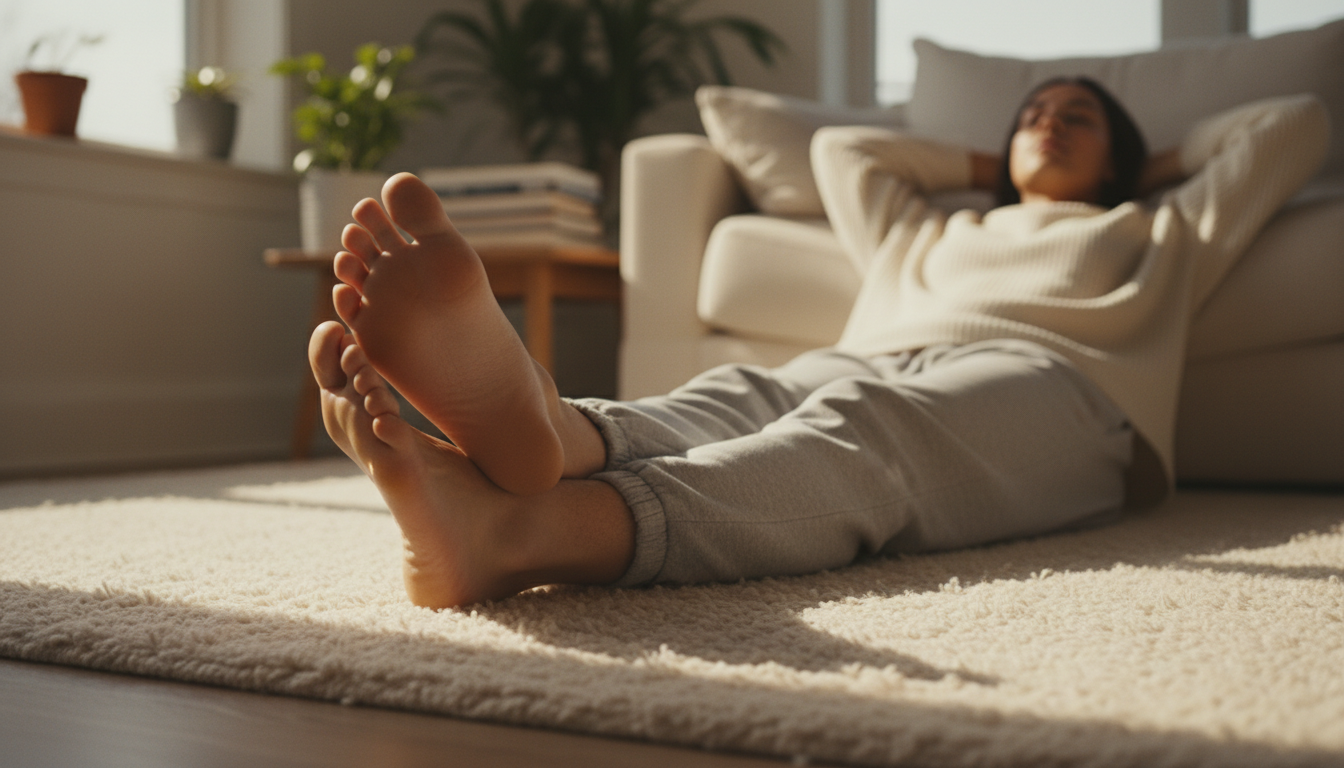
Have you ever noticed how your feet feel significantly more tired and achy in the evening compared to when you first step out of bed in the morning? That familiar sensation of heaviness, soreness, and fatigue that creeps in as the day progresses isn’t just your imagination. It’s a real physiological response to the accumulated stress your feet endure throughout the day. This evening foot fatigue can affect anyone – from office workers who stand for portions of their day to retail employees, healthcare professionals, and even those who simply run multiple errands.
In this comprehensive guide, we’ll explore the science behind why your feet feel more tired as the day progresses, what happens to your feet during those 12+ hours of daily activity, and most importantly, how solutions like memory foam insoles can provide the evening cushioning and recovery your feet desperately need. Understanding this natural fatigue cycle is the first step toward implementing effective solutions for healthier, happier feet.
The Science Behind Evening Foot Fatigue
Your feet are remarkable structures designed to support your entire body weight while absorbing shock and facilitating movement. Each foot contains 26 bones, 33 joints, and more than 100 muscles, tendons, and ligaments. These components work together in a complex biomechanical symphony every time you take a step.
When you first wake up in the morning, your feet are in their most rested state. The tissues have had time to recover overnight, inflammation is minimal, and the structures are at their optimal function. However, as you begin your daily activities, several physiological changes begin to occur:
- Cumulative Impact Forces: The average person takes between 5,000-10,000 steps per day. Each step creates an impact force of approximately 1.5 times your body weight during walking and up to 3 times during running. By evening, your feet have absorbed literally tons of force.
- Fluid Retention: Gravity pulls bodily fluids downward throughout the day, causing feet and ankles to swell slightly. This natural process, called dependent edema, makes shoes feel tighter and feet feel heavier by evening.
- Muscle Fatigue: The intrinsic muscles of the feet work continuously to stabilize your arches and control movement. Like any muscle, they fatigue with extended use.
- Temperature Increases: Foot temperature rises throughout the day, especially if confined in shoes, which can increase discomfort and fatigue sensations.
Research from the Journal of Foot and Ankle Research confirms that foot volume typically increases by 5-8% by the end of a normal day. This natural swelling contributes significantly to that “too tight shoes” feeling many experience in the evening hours.
Common Causes of Intensified Evening Foot Pain
While everyone experiences some degree of evening foot fatigue, certain factors can dramatically intensify this end-of-day discomfort:
- Inadequate Footwear: Shoes lacking proper support or cushioning fail to absorb impact forces, transferring stress directly to your feet.
- Hard Standing Surfaces: Concrete, tile, and other unforgiving surfaces provide no natural shock absorption, increasing impact forces on feet.
- Extended Standing: Occupations requiring prolonged standing (healthcare, retail, teaching, factory work) create sustained pressure on the same foot structures without recovery periods.
- Foot Structure Issues: Flat feet, high arches, and other biomechanical variations can create abnormal stress patterns that compound throughout the day.
- Weight Factors: Higher body weight increases the load on feet with each step, accelerating fatigue.
Underlying conditions like plantar fasciitis, arthritis, or peripheral neuropathy can also significantly worsen evening foot fatigue. These conditions create a baseline of discomfort that accumulates more rapidly as the day progresses, leading to more severe evening symptoms.
The Cumulative Load Effect: How Daily Activities Stack Up
To truly understand evening foot fatigue, it’s helpful to consider the cumulative load effect – how stress on your feet literally accumulates hour by hour. Let’s break down a typical day to illustrate this progressive strain:
6:00 AM – Morning activities: Your feet are rested and at their peak performance. The arches are properly supported by rested muscles, and tissues have recovered overnight.
10:00 AM – Mid-morning: After several hours of activity, minor fatigue begins. The small muscles supporting your arches have been working continuously, and initial fluid accumulation begins.
2:00 PM – Afternoon: Continued standing and walking have created moderate fatigue. Impact forces have accumulated, and fluid retention is becoming noticeable. The cushioning fat pads on your heels and the balls of your feet have compressed from repeated impact.
6:00 PM – Evening: After 12+ hours of use, your feet have absorbed thousands of impacts. The intrinsic muscles are significantly fatigued, reducing their supportive function. Fluid retention peaks, increasing pressure within the feet. The natural cushioning systems of your feet are compressed and less effective.
This progressive pattern explains why that evening walk feels so different from your morning one, even if you’re walking the same distance at the same pace. Your feet are literally different structures by day’s end – more swollen, less cushioned, and with fatigued supportive mechanisms.
Why Proper Cushioning Becomes Critical in the Evening
As your feet’s natural cushioning systems become compressed and less effective throughout the day, external cushioning becomes increasingly important. This is where memory foam insoles and other cushioning solutions make a significant difference.
By evening, your feet’s natural shock absorption capabilities have declined by as much as 30-40%. The fat pads that normally provide cushioning have temporarily thinned from compression, and muscles that help absorb impact are fatigued. This creates a perfect storm where evening activities create more stress and discomfort than identical morning activities.
Foam insoles provide supplemental cushioning that becomes increasingly beneficial as the day progresses. The viscoelastic properties of memory foam shoe inserts are particularly effective because they:
- Distribute pressure evenly across the entire foot surface, reducing high-pressure points
- Absorb impact forces that would otherwise transfer directly to your foot structures
- Provide consistent support even as your foot’s natural support mechanisms fatigue
- Accommodate the natural evening swelling with their adaptive cushioning properties
Studies in occupational health journals have demonstrated that workers who use cushion inserts for shoes report significantly less evening foot pain and recover more quickly between shifts. This effect is particularly pronounced in professionals who stand for extended periods.
Memory Foam Technology: The Evening Foot Savior
Not all cushioning solutions are created equal when it comes to addressing evening foot fatigue. Memory foam insoles stand apart from other materials due to their unique properties that specifically address end-of-day foot concerns.
High-quality memory foam shoe inserts like those from CRUVHEAL utilize advanced viscoelastic foam technology that responds intelligently to your feet’s changing needs throughout the day. This material was originally developed by NASA to improve cushioning in aircraft seats and has since revolutionized foot care with its adaptive properties.
Key advantages of memory foam insoles for men and women include:
- Temperature Responsiveness: As your feet naturally warm throughout the day, memory foam becomes more responsive, providing enhanced cushioning when you need it most.
- Personalized Contouring: The material gradually molds to your unique foot shape, creating custom support that improves with wear.
- Pressure Distribution: Memory foam distributes weight evenly, eliminating the painful pressure points that develop as your feet fatigue.
- Impact Absorption: The material absorbs shock from each step, reducing the cumulative impact forces that contribute to evening fatigue.
- Accommodation of Swelling: The adaptive nature of memory foam allows it to comfortably accommodate the natural evening swelling without creating constriction.
These properties make memory foam insoles particularly effective for evening foot comfort. CRUVHEAL’s premium memory foam insoles provide exceptional support and cushioning designed specifically to address the challenges of evening foot fatigue, giving your feet the recovery support they need when it matters most.
Implementing a Complete Evening Foot Recovery Strategy
While memory foam insoles provide excellent in-shoe support for preventing and managing evening foot fatigue, a comprehensive approach yields the best results. Consider these additional strategies to complement your foam insoles for optimal foot health:
During the Day:
- Footwear Rotation: If possible, switch between different pairs of shoes mid-day to change pressure patterns and stress points.
- Microbreaks: Even brief periods off your feet (30-60 seconds) allow for temporary recovery of tissues and muscles.
- Hydration: Proper fluid intake helps minimize excessive fluid retention in the feet and ankles.
- Seated Foot Exercises: Simple toe curls, ankle rotations, and arch lifts during seated periods help activate circulation and reduce stiffness.
Evening Recovery:
- Elevation: Raising your feet above heart level for 15-20 minutes helps reverse the day’s fluid accumulation.
- Contrast Therapy: Alternating warm and cool water soaks stimulates circulation and reduces inflammation.
- Self-Massage: Rolling your foot over a tennis ball or specialized foot roller helps release tension in the plantar fascia and intrinsic foot muscles.
- Compression Socks: Wearing graduated compression socks in the evening helps control swelling and promotes recovery.
When combined with high-quality cushion inserts for shoes like those from CRUVHEAL, these strategies create a powerful system for managing evening foot fatigue and improving overall foot health. The key is consistency – implementing these practices daily rather than waiting until foot pain becomes severe.
Choosing the Right Memory Foam Insoles for Evening Relief
Not all memory foam insoles deliver the same benefits, especially when it comes to addressing evening foot fatigue. When selecting memory foam shoe inserts, consider these critical factors:
- Foam Density: Higher-density memory foam provides better support and durability. Look for insoles that specify their density rating or describe themselves as “high-density.”
- Thickness Profile: Thicker foam provides more cushioning but may make shoes feel tighter, especially with evening swelling. The ideal thickness depends on your shoe type and volume.
- Arch Support: Many foam insoles include additional arch support structures. Select a product that matches your arch type (low, neutral, or high).
- Heat Responsiveness: Quality memory foam becomes more responsive as it warms to body temperature. This feature is particularly beneficial for evening use as feet naturally warm throughout the day.
- Moisture Management: Look for memory foam insoles for men and women with antimicrobial treatments and moisture-wicking top covers, as feet tend to perspire more by day’s end.
CRUVHEAL’s premium memory foam insoles are specifically engineered with these factors in mind, creating a product that provides optimal support when your feet need it most – at the end of a long day. Their advanced design combines high-density memory foam with strategic support features and moisture management technology for comprehensive evening foot relief.
For those experiencing significant evening foot fatigue, CRUVHEAL memory foam insoles provide the perfect balance of cushioning, support, and adaptability to help your feet recover while still in use. Their design specifically addresses the challenges of all-day wear, making them an ideal solution for addressing evening discomfort.
Conclusion: Investing in Evening Foot Comfort
Evening foot fatigue is a natural physiological response to the cumulative stresses your feet endure throughout the day. Understanding this process helps explain why your feet feel so different at 7 PM compared to 7 AM, and why proper cushioning becomes increasingly important as the day progresses.
By implementing a comprehensive foot care strategy that includes high-quality memory foam insoles like those from CRUVHEAL, you’re not just addressing symptoms but supporting your feet’s natural recovery processes. This proactive approach helps prevent the chronic foot problems that can develop when evening fatigue is repeatedly ignored.
Remember that your feet carry you through approximately 100,000 miles in a lifetime – the equivalent of circling the earth four times! Providing them with proper support and cushioning, especially during their most fatigued evening state, is an investment in your overall mobility, comfort, and quality of life.
Don’t let evening foot fatigue limit your activities or diminish your enjoyment of life’s important moments. With the right memory foam shoe inserts and complementary care practices, you can maintain foot comfort from morning until night, regardless of how demanding your day may be.