
Essential Foot Safety: Protecting Workers with Puncture Resistant Insoles in High-Risk Environments
March 16, 2026
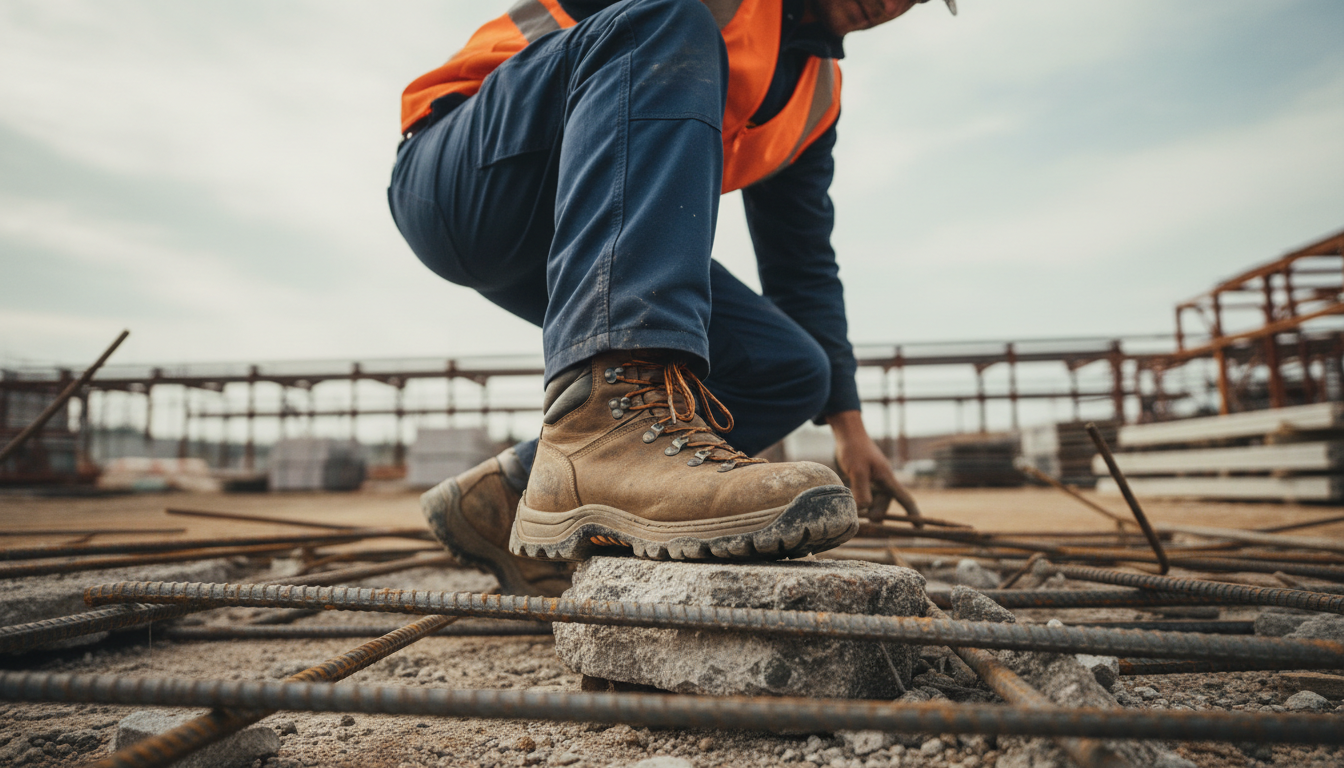
In hazardous work environments, your feet face numerous dangers daily—from sharp nails and metal shards to broken glass and other penetrating objects. Despite advancements in workplace safety protocols, foot injuries remain a significant concern across construction sites, manufacturing facilities, and industrial workplaces. According to recent occupational safety data, foot injuries account for approximately 10% of all reported workplace accidents, with puncture wounds being particularly common and potentially debilitating.
For workers in high-risk settings, understanding proper foot protection isn’t just about comfort—it’s essential for safety, career longevity, and quality of life. This comprehensive guide explores the critical aspects of foot safety in hazardous environments, with a particular focus on advanced protection solutions like puncture resistant insoles and steel toe inserts that can significantly reduce your risk of injury.
Common Foot Hazards in the Workplace
Before discussing protection strategies, it’s important to understand what you’re up against. Hazardous work environments present numerous threats to foot safety that vary by industry and setting:
- Penetration Hazards: Nails, screws, metal shavings, and glass fragments can easily penetrate standard footwear, causing painful puncture wounds and potentially serious infections.
- Impact Hazards: Falling objects, heavy equipment, and compression forces pose significant risks of crushing injuries to the feet, particularly the vulnerable toe area.
- Cutting Hazards: Sharp objects like sheet metal edges, blades, and cutting tools can cause lacerations to unprotected feet.
- Electrical Hazards: Live wires and electrical equipment create risks of shock and burns, especially in damp conditions.
- Chemical Hazards: Corrosive substances can damage both footwear and the feet inside them if proper protection isn’t used.
- Slip and Fall Hazards: Slippery surfaces, uneven terrain, and obstacles increase the risk of trips and falls that can result in foot and ankle injuries.
Understanding these specific threats helps in selecting the right protective gear, including specialized solutions like nail proof insoles for environments with sharp objects on the ground.
The Importance of Proper Foot Protection
The consequences of inadequate foot protection extend far beyond immediate discomfort. A serious foot injury can lead to extended time off work, permanent disability, and significant medical expenses. Even minor injuries can become major problems if they lead to infections or complications, particularly for workers with underlying health conditions like diabetes.
The statistics are compelling: proper foot protection can prevent approximately 75% of workplace foot injuries. Yet many workers continue to use inadequate footwear or fail to supplement standard safety boots with specialized protection like steel insoles when working in particularly hazardous environments.
Beyond personal safety, there are regulatory considerations as well. OSHA and other safety oversight organizations require appropriate foot protection in many industries, with employers potentially facing fines and liability issues if proper protective gear isn’t provided or used.
Understanding Puncture Resistant Insoles
Puncture resistant insoles represent one of the most effective defenses against penetration injuries in hazardous workplaces. These specialized insoles are designed to fit inside work boots or shoes, providing an additional layer of protection against sharp objects that might penetrate the outsole.
Modern nail proof insoles typically utilize advanced materials like kevlar, stainless steel plates, or composite materials that can stop nails and other sharp objects from reaching your feet. The best designs balance protection with comfort, ensuring workers can remain on their feet throughout long shifts without discomfort or fatigue.
What makes these insoles particularly valuable is their versatility. Unlike steel-toe boots that only protect the front portion of the foot, quality puncture resistant insoles protect the entire sole area from heel to toe. This comprehensive protection is crucial in environments where hazards might be encountered anywhere underfoot.
Leading brands like CRUVHEAL have further advanced this technology, creating lightweight yet highly effective puncture resistant insoles with exceptional penetration protection that can be easily transferred between different pairs of footwear.
Steel Toe Inserts: Additional Protection for Vulnerable Areas
While puncture protection for the sole is essential, many workplace environments also present significant impact and compression risks to the toe area. This is where steel toe inserts come into play as a complementary safety solution.
Steel toe inserts for shoes are removable protective devices that can be added to regular footwear, providing similar protection to built-in steel toe caps. They’re particularly valuable in situations where:
- Workers need to transition between different risk environments throughout the day
- Standard steel toe boots are unavailable or impractical
- Additional protection beyond standard safety footwear is needed
- Temporary workers or visitors need protection without investing in specialized boots
- Budget constraints make multiple pairs of specialized safety footwear impractical
When used in combination with puncture resistant insoles, steel toe inserts create a comprehensive protection system that addresses the most common and serious foot injury risks in hazardous environments.
Selecting the Right Protective Insoles for Your Work Environment
Not all protective insoles are created equal, and choosing the right solution requires careful consideration of your specific workplace hazards. When evaluating puncture resistant insoles or steel insoles, consider these critical factors:
Protection Rating
Look for insoles that meet or exceed industry standards for penetration resistance. Quality products will typically specify their protection level, often measured in newtons (N) of force resistance or based on standards like ASTM F2413.
Coverage Area
Ensure the insoles protect the entire sole of the foot, not just specific areas. Some inferior products may only provide protection to the forefoot or mid-foot, leaving other areas vulnerable.
Comfort and Ergonomics
Protection is useless if workers remove insoles due to discomfort. Look for products designed with ergonomics in mind, including proper arch support and shock absorption properties.
Flexibility
Overly rigid insoles can lead to foot fatigue and discomfort. The best puncture resistant insoles balance protection with appropriate flexibility for natural foot movement.
Durability
In demanding work environments, protective gear needs to withstand daily wear and tear. Quality insoles should maintain their protective properties over extended periods of use.
Compatibility
Consider how the insoles will fit with your existing footwear. Some may require specific types of boots or shoes for proper fit and function.
For workers in particularly high-risk environments, products like the CRUVHEAL professional-grade puncture resistant insoles offer an excellent balance of these factors, with reinforced protection throughout the entire sole area while maintaining comfort during extended wear.
Implementation of a Comprehensive Foot Safety Program
While protective gear like puncture resistant insoles and steel toe inserts form the foundation of foot safety, a truly effective approach requires a comprehensive strategy. Organizations and individual workers should consider these additional elements:
Regular Hazard Assessments
Periodically evaluate work areas to identify specific foot hazards and adjust protection strategies accordingly. Different zones may require different levels of protection.
Proper Footwear Maintenance
Even the best protective gear deteriorates over time. Establish regular inspection routines to check for damage to boots, insoles, and inserts that might compromise protection.
Worker Training
Ensure all personnel understand the importance of foot protection and know how to properly use and maintain their protective gear. This includes correct installation of steel insoles and steel toe inserts for shoes.
Injury Response Protocols
Despite best efforts, injuries can still occur. Have clear procedures for addressing foot injuries quickly, including first aid provisions and medical referral processes.
Continuous Improvement
Review any incidents that do occur to identify potential improvements in protection strategies, whether through enhanced gear, additional training, or modified work practices.
By combining quality protective solutions like nail proof insoles with these programmatic elements, organizations can dramatically reduce the incidence and severity of workplace foot injuries.
Case Studies: Real-World Protection Success Stories
The effectiveness of solutions like puncture resistant insoles is perhaps best illustrated through real-world examples:
In a major construction company, the implementation of mandatory steel insoles for all workers on active sites led to a 68% reduction in penetration injuries over a 12-month period. The company found that the investment in quality puncture resistant insoles was repaid several times over through reduced medical costs and decreased lost work time.
Similarly, a manufacturing facility that introduced CRUVHEAL protective solutions as part of a comprehensive safety upgrade reported that in three documented incidents where workers stepped directly onto exposed nails, the nail proof insoles prevented any injury that would have otherwise resulted in medical attention and time off work.
These examples demonstrate that proper foot protection isn’t just a regulatory requirement—it’s a sound investment in worker well-being and operational efficiency.
Taking Action: Next Steps for Enhanced Foot Protection
Whether you’re a safety manager responsible for an entire workforce or an individual worker concerned about personal protection, there are immediate steps you can take to enhance foot safety:
- Assess your current footwear and identify protection gaps
- Research appropriate puncture resistant insoles and steel toe inserts for your specific workplace hazards
- Consider investing in premium solutions like CRUVHEAL protective insoles for maximum protection
- Develop a regular inspection and replacement schedule for all protective gear
- Stay informed about evolving safety technologies and standards
For those ready to take immediate action to protect themselves or their workforce, CRUVHEAL’s industry-leading puncture resistant insoles offer exceptional protection against penetration hazards while maintaining the comfort needed for all-day wear.
Conclusion
Foot safety in hazardous work environments isn’t optional—it’s essential for worker well-being, regulatory compliance, and operational efficiency. By understanding the specific risks present in your workplace and implementing appropriate protective solutions like puncture resistant insoles and steel toe inserts for shoes, you can dramatically reduce the likelihood and severity of foot injuries.
Remember that protection is an investment, not an expense. The cost of quality solutions like nail proof insoles is minimal compared to the potential costs of injuries, lost work time, and decreased productivity that can result from inadequate protection.
Take the time to evaluate your current foot protection strategy and consider where improvements can be made. Your feet carry you through your workday and your life—they deserve the best protection available.