
Do You Need Custom Insoles for Ski Boots? Enhance Comfort with Specialized Boot Insoles for Men
December 5, 2025
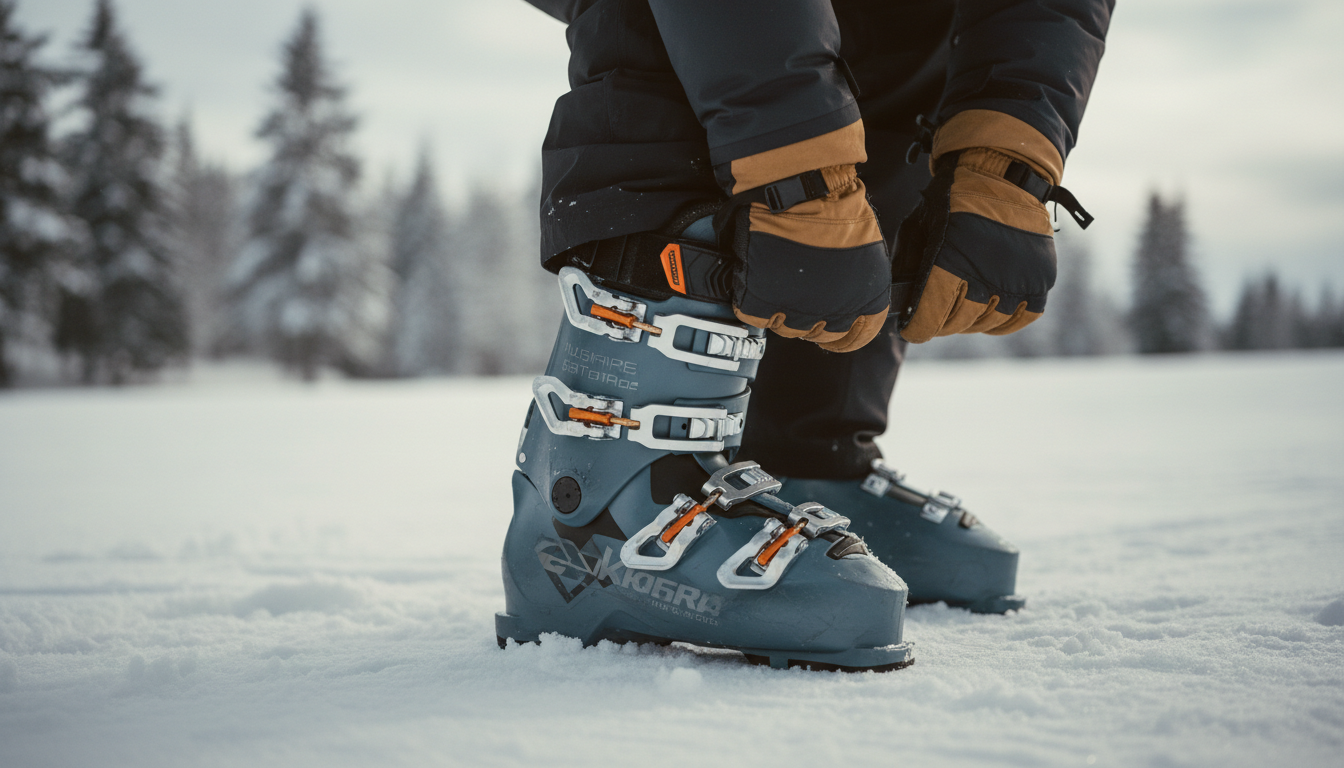
Skiing requires precision, control, and comfort—all of which begin with your feet. Many skiers overlook the critical role that proper foot support plays in their skiing experience. Stock ski boot liners often provide minimal arch support and cushioning, leading to discomfort, fatigue, and even pain. This comprehensive guide explores whether custom insoles for ski boots are worth the investment, with special attention to how different materials cushion impact and protect joints during this high-impact winter sport.
Why Stock Ski Boot Insoles Often Fall Short
Most ski boots come with basic, flat insoles designed to fit the average foot. Unfortunately, “average” rarely describes anyone’s unique foot structure. These stock insoles typically lack proper arch support, heel cushioning, and alignment properties that can significantly impact your skiing performance and comfort.
The primary issues with standard ski boot insoles include:
- Minimal arch support that fails to distribute pressure evenly
- Poor impact absorption when navigating bumps and jumps
- Inadequate heel cups that allow excessive movement within the boot
- No customization for individual foot structures and biomechanics
- Limited insulation properties in cold conditions
For serious skiers, recreational enthusiasts, or those with specific foot concerns like plantar fasciitis, these shortcomings can transform an enjoyable day on the slopes into an uncomfortable ordeal. This is where specialized boot insoles for men and women can make a remarkable difference.
How Quality Insoles Enhance Skiing Performance
Proper insoles do more than just increase comfort—they can actually improve your skiing technique and endurance. When your feet are properly supported, you gain better control over your equipment and maintain proper alignment throughout your body.
High-quality shoe insoles for men who ski regularly provide several performance benefits:
- Enhanced edge control through improved foot stability
- More efficient energy transfer from your body to your skis
- Reduced muscle fatigue from proper biomechanical alignment
- Better balance through increased proprioception (awareness of foot position)
- Greater endurance by minimizing unnecessary muscle compensation
Professional skiers almost universally use custom or high-performance insoles, recognizing that proper foot support is fundamental to optimal technique. However, recreational skiers can benefit just as much from this equipment upgrade, especially those skiing multiple days consecutively.
Material Science: What Makes an Effective Ski Boot Insole
The materials used in quality insoles men rely on for skiing performance play a crucial role in their effectiveness. Different materials offer varying benefits in terms of support, cushioning, and durability. Understanding these differences helps in selecting the right insole for your specific needs.
Impact-Absorbing Materials
The impact absorption properties of insoles are particularly important for skiing, which involves constant jarring forces traveling up through your feet, ankles, knees, and spine. Premium insole materials that excel at shock absorption include:
- EVA (Ethylene-Vinyl Acetate): A lightweight foam that provides excellent cushioning while remaining relatively firm. Different densities can be used in various regions of the insole.
- Poron: An open-cell urethane material known for superior impact absorption without bottoming out, even after thousands of compression cycles.
- Gel inserts: Strategically placed gel pads can absorb high-impact forces, particularly beneficial under the heel and forefoot areas.
- Memory foam: Contours to your foot shape while providing moderate shock absorption, though may compress over time.
The best shoe inserts men choose for skiing often combine multiple materials for optimal performance. For instance, a firm supportive base with cushioning layers in high-impact zones provides both stability and comfort.
Joint Protection Technology in Modern Insoles
Skiing places substantial stress on your joints, particularly your knees and ankles. Quality insoles incorporate specific design features to help protect these vulnerable areas by improving alignment and reducing impact forces.
Advanced plantar fasciitis insoles that also benefit skiers typically include:
- Deep heel cups: Stabilize the heel and help align the entire lower body, reducing rotational forces on the knees.
- Metatarsal pads: Support the front of the foot to distribute pressure evenly and reduce joint stress.
- Semi-rigid arch support: Maintains proper foot position to prevent overpronation or supination that can strain knees and ankles.
- Progressive flex zones: Allow natural foot movement while still providing support.
- Anti-microbial top covers: Prevent bacteria growth in the warm, humid environment inside ski boots.
Brands like CRUVHEAL have developed specialized materials and designs specifically targeting joint protection and alignment for active sports like skiing. Their premium orthotic insoles combine medical-grade support with exceptional impact cushioning to protect your joints during high-intensity winter activities.
Custom vs. Pre-Made Insoles for Skiing
When considering insoles for ski boots, one of the primary decisions is whether to invest in custom-molded insoles or high-quality pre-made options. Each has distinct advantages and considerations.
Custom-Molded Insoles
Custom insoles are created specifically for your unique foot structure, typically by a podiatrist or specialized boot fitter. The process usually involves taking an impression of your feet using foam boxes, plaster casts, or 3D scanning technology.
Advantages of custom solutions include:
- Precise matching to your exact foot contours and arch height
- Addressing specific biomechanical issues unique to your feet
- Potentially greater durability due to higher-quality materials
- Professional fitting and adjustment as needed
The primary drawbacks are significantly higher cost (typically $200-600) and the time required for fitting and production.
Pre-Made High-Performance Insoles
Quality pre-made shoe insoles men can use for skiing have advanced dramatically in recent years. Many now incorporate heat-moldable elements or come in specific arch heights to better match individual foot structures.
Benefits of premium pre-made options include:
- Much more affordable pricing (typically $30-150)
- Immediate availability without waiting for custom production
- Advanced materials often comparable to custom options
- Ability to try different models to find your ideal match
- Some offer semi-customizable features through heat molding
For most recreational skiers, high-quality pre-made insoles like those from CRUVHEAL provide excellent performance at a fraction of the cost of fully custom options.
Who Benefits Most from Specialized Ski Boot Insoles?
While virtually all skiers can benefit from improved insoles, certain groups will notice particularly dramatic improvements in comfort and performance.
Skiers who should strongly consider upgrading their insoles include:
- Those with existing foot conditions: Skiers with flat feet, high arches, plantar fasciitis, bunions, or other foot issues will find appropriate insoles transformative.
- Aggressive or advanced skiers: Higher skill levels typically mean more aggressive turning and higher forces through the feet, increasing the need for proper support.
- Aging skiers: As we age, our natural foot padding diminishes, making quality insoles increasingly important for comfort.
- Multi-day skiers: Those who ski consecutive days will notice reduced fatigue and faster recovery with proper foot support.
- Skiers experiencing boot pain: If you consistently develop hot spots or pain areas in your boots, insoles can often resolve these issues.
Even if you don’t fall into these categories, upgrading from stock insoles can still provide noticeable improvements in comfort and control on the slopes.
Proper Fitting: Getting the Most from Your Ski Boot Insoles
Even the highest quality insoles men purchase won’t perform properly if incorrectly fitted or trimmed. Here’s how to ensure you get maximum benefit from your new insoles:
Sizing and Trimming
Most aftermarket insoles come in size ranges and require trimming for an exact fit:
- Remove the original insoles from your ski boots and use them as templates.
- Place them on top of your new insoles and trace the outline with a marker.
- Carefully trim the new insoles following the outline, making small cuts rather than large ones.
- Test the fit in your boots before the final trim, as you can always cut more but can’t add material back.
- Ensure the heel cup sits properly in the heel pocket of your boot.
Heat Molding (If Applicable)
Many high-performance insoles offer heat molding capabilities for semi-customization:
- Follow the manufacturer’s specific heating instructions (usually involving an oven or heat gun).
- Once heated, place the insoles in your boots and step in, standing in a neutral position.
- Maintain this position without walking for the recommended time (typically 2-3 minutes).
- Allow the insoles to cool completely before skiing with them.
A professional boot fitter can help with this process if you’re uncertain about doing it yourself. Their expertise ensures you get the optimal fit for maximum performance and comfort.
Maintenance and Longevity of Ski Boot Insoles
Quality boot insoles for men represent an investment in your skiing comfort and performance. Proper care can significantly extend their lifespan and maintain their supportive properties.
To maximize the durability of your insoles:
- Remove them from your boots after each ski day to dry completely
- Hand wash occasionally with mild soap and lukewarm water
- Never machine wash or expose to high heat (except during initial heat molding)
- Store flat rather than crumpled to maintain their shape
- Inspect regularly for signs of compression or breakdown
Most quality insoles will last between 1-3 ski seasons depending on how frequently you ski and your body weight. When you begin to notice diminished support or comfort, it’s time to replace them.
For regular skiers seeking exceptional joint protection and comfort, CRUVHEAL offers premium orthotic insoles specifically designed to absorb impact and provide medical-grade support during high-intensity activities like skiing. Their advanced materials resist compression and maintain supportive properties much longer than standard insoles.
Conclusion: Are Custom Insoles Worth It for Skiing?
After examining the science behind insole materials, impact absorption, and joint protection, the evidence strongly suggests that upgrading your ski boot insoles is one of the most cost-effective improvements you can make to your skiing equipment. While fully custom options provide the ultimate in personalization, high-quality pre-made shoe inserts men use for skiing offer exceptional performance at a more accessible price point.
The combination of improved comfort, enhanced control, reduced fatigue, and joint protection makes specialized insoles a wise investment for skiers at all levels. Your feet form the critical connection between your body and your skis—optimizing this interface with proper support and cushioning can transform your entire skiing experience.
Whether you’re battling plantar fasciitis, seeking better edge control, or simply wanting to ski longer without discomfort, the right insoles can make a remarkable difference. Consider your specific needs, budget, and skiing style when selecting insoles, and your feet, joints, and skiing performance will thank you for seasons to come.