
Construction Site Foot Safety Checklist: 10 Essential Things Every Worker Must Know to Prevent Injuries
July 20, 2026
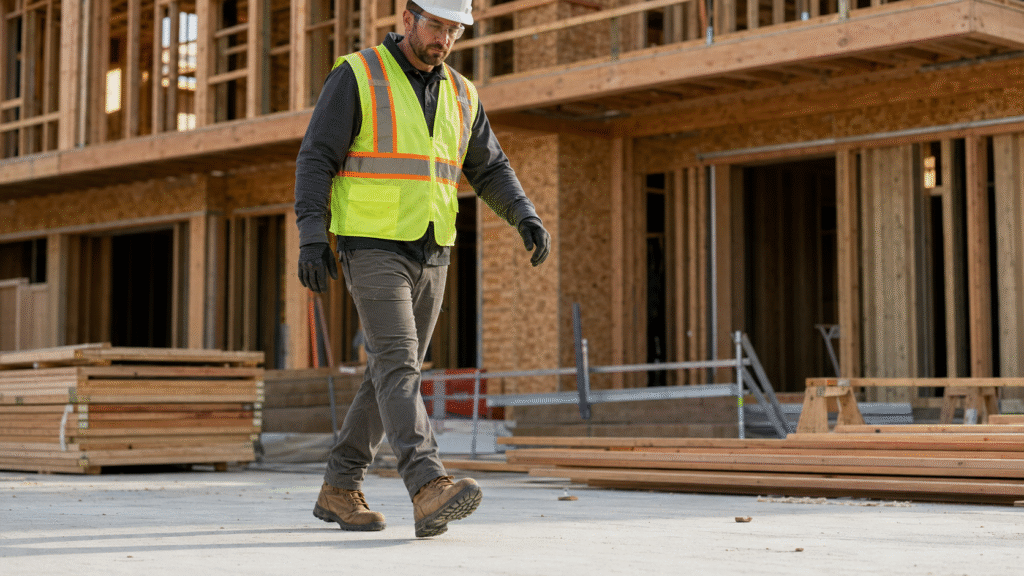
Construction sites remain among the most hazardous work environments, with foot injuries accounting for a significant percentage of workplace accidents annually. Whether you’re working in demolition, warehouse operations, or general construction, understanding proper foot safety protocols can mean the difference between a productive workday and a career-ending injury. This comprehensive checklist outlines the ten critical habits and practices every construction worker should adopt to protect their feet from punctures, crushing injuries, and long-term damage.
Foot safety isn’t just about wearing the right boots—it’s about developing a holistic approach to protection that includes proper equipment, daily habits, and situational awareness. The costs of neglecting foot safety extend beyond immediate medical expenses to include lost wages, reduced mobility, and decreased quality of life. By implementing these ten essential practices, workers can dramatically reduce their risk of foot injuries while maintaining comfort and productivity throughout demanding shifts.
1. Invest in High-Quality Safety Footwear with Proper Protection
The foundation of construction site foot safety begins with appropriate footwear. Safety boot insoles and reinforced work boots designed specifically for industrial environments provide essential protection against the hazards you face daily. Your footwear should feature steel or composite toe caps, slip-resistant soles, and ankle support to prevent rolling or twisting injuries.
Beyond the external boot construction, the internal support system matters just as much. Puncture resistant insoles add a critical layer of protection against nails, screws, sharp metal debris, and other penetrating hazards commonly found on construction sites. These steel plate insoles or composite alternatives add a protective steel layer designed to help reduce the risk of penetration by nails and other sharp objects without sacrificing comfort. When selecting work boot insoles, ensure they’re specifically designed for your type of work environment—whether that’s demolition, framing, concrete work, or general construction.
Many workers underestimate the importance of upgrading their protective boot insoles regularly. Even high-quality boots benefit from specialized construction boot insoles that provide both puncture protection and ergonomic support. If you’re looking for reliable protection, explore these puncture-resistant protective insoles designed specifically for demanding jobsite conditions, offering steel plate protection combined with comfort features for all-day wear.
2. Conduct Daily Boot and Insole Inspections
Establishing a routine inspection habit takes less than two minutes but can prevent serious injuries. Before starting your shift, examine your boots for signs of wear, damage, or compromise. Check the soles for excessive wear patterns, embedded debris, or separation from the upper boot. Inspect laces for fraying, eyelets for damage, and the overall structural integrity of the boot.
Your safety shoe inserts and protective insoles also require regular inspection. Remove them periodically to check for punctures, deformation, or breakdown of materials. Steel plate insoles should remain flat and properly positioned within the boot. Any warping, cracking, or visible damage to puncture proof insoles means immediate replacement is necessary—compromised protection is no protection at all.
Create a simple checklist for your daily inspections:
- Check boot exterior for cuts, punctures, or structural damage
- Examine soles for embedded nails, screws, or sharp objects
- Verify laces are intact and eyelets are secure
- Ensure steel plate shoe inserts are properly positioned
- Test that toe protection hasn’t been compromised by previous impacts
- Confirm ankle support structures remain firm and functional
3. Maintain Proper Situational Awareness on the Jobsite
Even the best puncture proof shoe inserts and safety boots can’t protect you from hazards you walk directly into. Developing strong situational awareness means constantly scanning your work environment for potential foot hazards. Watch for protruding nails in lumber, scattered debris, unstable footing, wet or oily surfaces, and overhead loads that could drop.
Construction sites change rapidly throughout the day. An area that was clear in the morning might become littered with sharp metal scraps, broken glass, or discarded materials by afternoon. Make it a habit to scan your path before walking, especially when carrying materials that limit your downward visibility. This vigilance becomes even more critical in demolition work environments where hidden hazards lurk beneath surface materials.
Communication with your team also enhances situational awareness. Alert coworkers to hazards you notice, and pay attention when others warn you about dangerous areas. Creating a culture of shared awareness protects everyone on the jobsite and reduces the likelihood of preventable foot injuries.
4. Keep Work Areas Clean and Organized
Housekeeping might seem unrelated to foot safety, but cluttered work areas dramatically increase injury risk. Establishing and maintaining organized workspaces reduces tripping hazards, makes sharp objects visible, and creates clear pathways for movement. Designate specific areas for scrap materials, and ensure sharp debris is collected in appropriate containers rather than scattered across the ground.
For warehouse workers and those in industrial settings, maintaining clear aisles and properly storing materials prevents objects from falling and creating foot hazards. Even with heavy duty insoles and reinforced boots, stepping on unstable piles of materials can cause ankle injuries or force sharp objects through boot seams where protection is weakest.
Implement these organizational practices:
- Sweep work areas at the end of each task and at day’s end
- Immediately pick up dropped fasteners, wire pieces, and sharp debris
- Store materials off walkways and at appropriate heights
- Mark and barricade areas with known foot hazards until remediation
- Ensure adequate lighting in all work areas to spot hazards
- Use magnetic sweepers in metal-working areas to collect loose fasteners
5. Replace Worn or Damaged Protective Equipment Immediately
The protective capabilities of industrial work insoles and safety boots diminish over time. Unlike tools that obviously break, protective equipment often fails gradually, creating a false sense of security. Establish replacement schedules based on manufacturer recommendations and your specific work conditions rather than waiting for obvious failure.
Insoles for construction workers typically require replacement every 3-6 months depending on work intensity and conditions. The protective steel plates can become compromised through repeated impacts, while cushioning materials compress and lose shock-absorption capabilities. Durable work insoles are an investment in your long-term health, not an optional expense.
Safety boots themselves generally need replacement every 6-12 months for workers in demanding environments. Signs that replacement is overdue include worn tread that reduces slip resistance, separation between sole and upper, compromised toe protection from previous impacts, or boots that no longer provide adequate support. Never continue using protective equipment that’s reached the end of its serviceable life.
6. Use Appropriate Insoles for Your Specific Work Environment
Not all protective insoles offer the same features, and matching your work boot protection to your specific hazards maximizes safety. Insoles for demolition work face different challenges than those for concrete finishing or electrical work. Demolition and renovation sites have higher concentrations of protruding nails and sharp debris, making maximum puncture resistance the priority.
Insoles for warehouse workers might prioritize all-day comfort and support over extreme puncture protection, though puncture resistance remains important. Meanwhile, insoles for jobsite boots used in framing or roofing require excellent puncture protection combined with support for working on uneven or angled surfaces. Understanding your specific risks allows you to select the most appropriate protective features.
Consider these factors when selecting protective insoles:
- Primary hazards in your work environment (punctures, impacts, compression)
- Duration of daily wear and need for comfort features
- Whether you work primarily indoors or outdoors
- Exposure to extreme temperatures that might affect materials
- Personal foot characteristics like arch height and width
7. Practice Proper Lifting and Load-Carrying Techniques
Foot injuries don’t only result from stepping on hazards—dropping heavy objects accounts for a substantial percentage of construction foot injuries. Proper lifting techniques protect your back and reduce the likelihood of dropping loads on your feet. Always assess load weight before lifting, use mechanical assistance for heavy items, and ensure you have secure grip and clear vision of your path before moving materials.
Even with steel-toe boots, dropping heavy materials from waist height or above can cause serious crush injuries. The protection provided by safety footwear has limits, and preventing drops entirely is always preferable to relying on protective equipment to mitigate impacts. When working with particularly heavy or awkward materials, use team lifting techniques and communicate clearly with your partners throughout the movement.
Additionally, carrying loads that obstruct your downward vision creates tripping hazards and prevents you from spotting sharp debris on your path. When you must carry such loads, have a spotter guide you through congested or hazardous areas, or make multiple trips with smaller loads that allow you to maintain visibility.
8. Understand and Respect Jobsite Hazard Zones
Construction sites typically include designated hazard zones where foot injury risks are elevated. These might include active demolition areas, zones beneath overhead work, areas with exposed rebar or fasteners, or spaces where heavy equipment operates. Respect barriers and signage marking these zones, and ensure you have legitimate reason and proper protection before entering.
When work requires entering high-hazard zones, take additional precautions beyond your standard protective equipment. This might mean adding extra layers of protection, conducting more thorough path scanning before each step, or implementing buddy system protocols. Some contractors require enhanced protective insoles or overboot protection in extreme hazard areas.
If you’re responsible for creating or maintaining hazard zones, ensure they’re clearly marked with appropriate signage and barriers. Regularly reassess and update zone designations as work progresses and hazards change. Clear communication about hazard zones protects everyone on the jobsite and prevents workers from inadvertently entering dangerous areas.
9. Address Foot Fatigue and Discomfort Proactively
Foot fatigue might not seem like a safety issue, but tired, painful feet lead to decreased awareness, poor decision-making, and altered gait patterns that increase injury risk. Quality construction boot insoles with proper arch support and cushioning reduce fatigue during long shifts. Don’t dismiss foot discomfort as an inevitable part of the job—it’s often a warning sign that your protective equipment isn’t properly fitted or has degraded beyond effectiveness.
Take advantage of breaks to remove boots briefly, allowing your feet to recover and reducing moisture buildup that can cause blisters and other issues. Moisture-wicking socks combined with breathable boots and well-designed heavy duty insoles keep feet drier and more comfortable throughout the shift. Some workers benefit from having two pairs of boots to alternate between days, allowing each pair to fully dry between uses.
Persistent foot pain deserves medical attention. Conditions like plantar fasciitis, neuromas, or stress fractures can develop in workers who spend long hours on concrete or uneven surfaces. Addressing these issues early prevents them from becoming chronic problems that might end your construction career. Your feet are fundamental tools of your trade—maintain them with the same care you give your other professional equipment.
10. Participate in Regular Safety Training and Updates
Construction safety standards, equipment technology, and best practices evolve continuously. Participating in regular safety training ensures you’re aware of the latest protective strategies and equipment options. These sessions also provide opportunities to share experiences with colleagues and learn from the near-misses and incidents that others have encountered.
Stay informed about advances in protective equipment technology. Modern puncture proof insoles and safety boots offer significantly better protection and comfort than products from even five years ago. Manufacturers continuously improve materials, designs, and protective features. What was state-of-the-art when you started your career might now be obsolete, leaving you with less protection than currently available options provide.
Don’t hesitate to ask questions or request clarification during safety briefings. If you encounter a situation not covered by your training, consult with supervisors or safety personnel before proceeding. Creating a culture where workers feel comfortable raising safety concerns and asking questions benefits everyone and prevents injuries that result from uncertainty or incorrect assumptions.
Conclusion: Building a Foundation of Foot Safety
Protecting your feet on construction sites requires commitment to multiple daily practices, from selecting appropriate steel plate shoe inserts and safety boot insoles to maintaining situational awareness and keeping work areas organized. No single practice provides complete protection—instead, these ten elements work together to create comprehensive defense against the foot hazards inherent to construction and industrial work environments.
The investment in quality protective boot insoles, puncture resistant insoles, and proper safety footwear pays dividends throughout your career. A single prevented injury can save thousands in medical costs, preserve your earning capacity, and maintain your quality of life. Beyond the immediate physical protection, developing strong safety habits demonstrates professionalism and sets an example that elevates safety culture across your entire worksite.
Remember that foot safety isn’t just your employer’s responsibility—it’s yours. While companies should provide appropriate equipment and training, you make the daily decisions about inspection routines, equipment maintenance, and whether to take shortcuts that compromise safety. By implementing this checklist consistently, you’re taking control of your occupational health and building a foundation for a long, productive career in construction. Your feet carry you through every workday and every aspect of your life—they deserve the protection and care outlined in these essential practices.