
Common Workplace Hazards Hidden in Plain Sight: Protecting Your Feet from Everyday Injuries
June 29, 2026
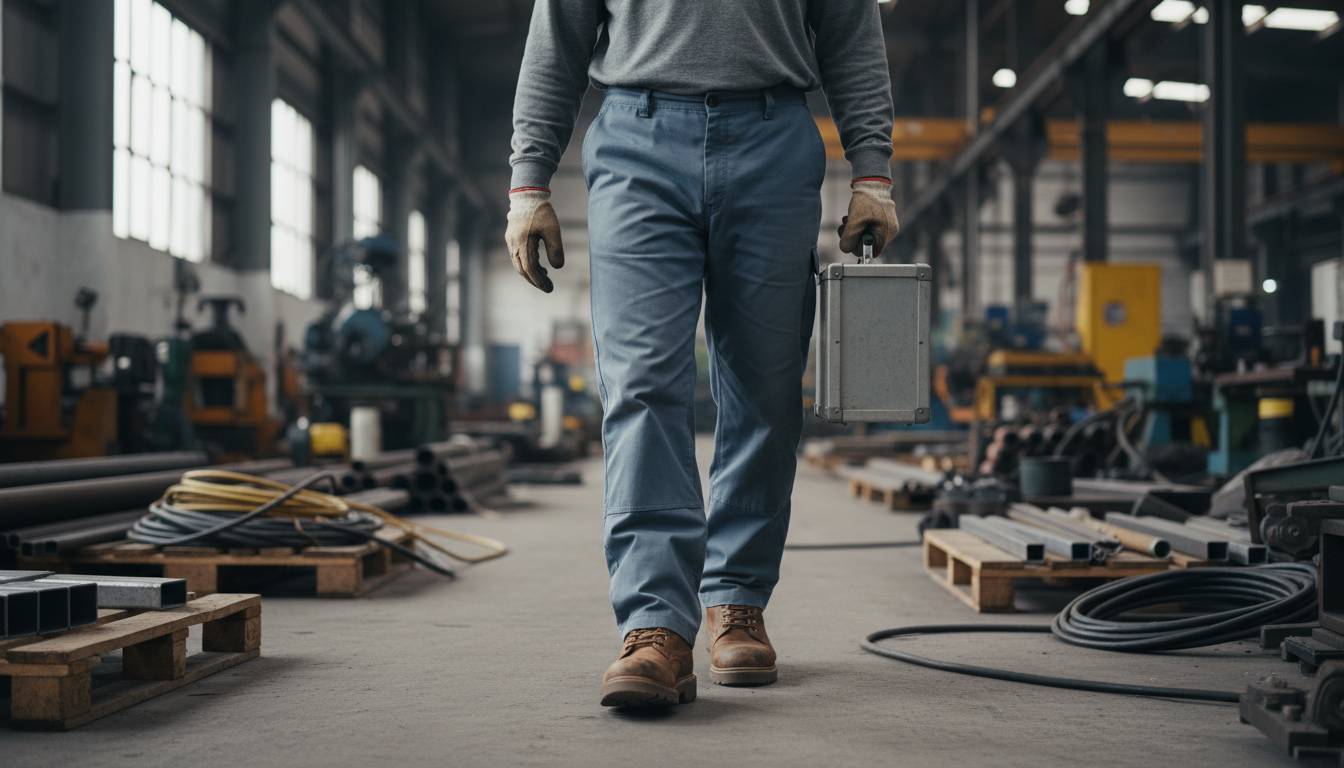
Every day, millions of workers navigate their jobs without realizing they’re surrounded by hidden dangers that threaten their foot health. While dramatic workplace accidents make headlines, the reality is that many of the most debilitating foot injuries come from seemingly innocent objects and surfaces encountered during routine tasks. From concrete floors that silently trigger plantar fasciitis symptoms to sharp debris that can penetrate standard footwear, these everyday hazards deserve serious attention.
Understanding these concealed threats is the first step toward prevention. Whether you’re standing at a retail counter, walking warehouse floors, or navigating construction sites, your feet face constant challenges that can lead to chronic conditions like heel pain, shin splints, and achilles tendinitis. This comprehensive guide reveals the workplace hazards hiding in plain sight and provides actionable strategies to protect your feet from preventable injuries.
The Silent Threat of Hard Flooring Surfaces
Concrete, tile, and other hard flooring materials are ubiquitous in workplaces ranging from hospitals to manufacturing facilities. While these surfaces may appear harmless, they create relentless impact stress on feet, ankles, and lower legs. Workers who spend hours standing or walking on these unforgiving surfaces frequently develop conditions that begin subtly but escalate into debilitating problems.
The repetitive impact on hard floors compresses the fat pad in your heel, leading to inflammation and heel pain that worsens throughout the day. This constant pressure also contributes to plantar fasciitis symptoms, including sharp stabbing pain in the heel during those first morning steps. Many workers dismiss early warning signs until the condition becomes chronic, requiring months of treatment and potentially causing time away from work.
Beyond immediate discomfort, prolonged exposure to hard flooring accelerates the development of heel spurs, bony growths that form in response to chronic inflammation. The best defense involves using the best insoles for walking and standing all day that provide adequate cushioning and shock absorption. Quality orthotics redistribute pressure across the entire foot, preventing the concentrated stress that leads to injury.
Sharp Objects and Puncture Risks
Construction sites, warehouses, and even retail environments harbor sharp hazards that pose serious puncture risks. Nails, screws, metal shavings, broken glass, and wire fragments may be scattered across work areas, creating invisible minefields for unsuspecting feet. Standard work boots offer some protection, but many puncture incidents occur because footwear alone cannot prevent all penetration injuries.
Puncture wounds to the foot are particularly dangerous because they drive bacteria deep into tissue, creating infection risks that can become serious quickly. Even when wearing protective footwear, workers in high-risk environments should consider additional protection. For comprehensive defense against these hidden hazards, explore puncture-resistant insoles designed for maximum workplace protection that add a critical safety layer beneath your feet.
The consequences of puncture injuries extend beyond immediate pain. Workers may face tetanus risks, deep tissue infections, and prolonged recovery periods that impact their ability to perform job duties. Prevention through proper footwear reinforcement is far more effective than treating injuries after they occur.
Repetitive Motion and Overuse Injuries
Jobs requiring constant walking, climbing stairs, or repetitive movements create cumulative stress that manifests in various painful conditions. These overuse injuries develop gradually, making them easy to ignore until they significantly impact mobility and quality of life. Understanding the connection between workplace activities and foot health is essential for long-term injury prevention.
Shin splints plague workers who spend their shifts walking on hard surfaces, especially when their footwear lacks proper support. This painful inflammation along the shin bone can become so severe that even simple walking becomes agonizing. Similarly, achilles tendinitis develops when repetitive strain inflames the tendon connecting your calf muscles to your heel bone, creating stiffness and pain that worsens with activity.
Workers who ignore early symptoms often find themselves in a cycle of chronic pain. The key to prevention lies in recognizing warning signs early and taking proactive measures. Investing in insoles for standing all day provides the arch support and cushioning necessary to minimize strain on tendons, ligaments, and muscles throughout your lower extremities.
Common Foot Conditions Caused by Workplace Hazards
The cumulative effect of daily workplace hazards manifests in several recognizable foot conditions. Understanding these ailments helps workers identify problems early and seek appropriate treatment before minor issues become major disabilities.
- Plantar Fasciitis: Inflammation of the thick band of tissue running across the bottom of your foot, causing stabbing heel pain especially noticeable with first steps after rest periods
- Bunions: Painful bony bumps that form at the base of the big toe, often exacerbated by narrow work shoes and prolonged standing
- Foot Corns: Thickened layers of skin that develop in response to repeated friction and pressure, commonly appearing on toes and the balls of feet
- Blisters: Fluid-filled pockets that form when friction causes skin layers to separate, particularly problematic in environments requiring extended walking
- Ankle Pain: Chronic discomfort stemming from inadequate support during weight-bearing activities and uneven walking surfaces
Each of these conditions shares a common origin: workplace environments that place excessive demands on feet without adequate protection. The good news is that most are preventable with proper footwear, quality insoles, and awareness of risk factors specific to your work environment.
Essential Protection Strategies for High-Risk Environments
Protecting your feet from workplace hazards requires a multi-layered approach that addresses both immediate dangers and long-term health concerns. Implementing these strategies significantly reduces injury risk and promotes lasting foot health throughout your career.
- Invest in Premium Insoles: Quality insoles for walking all day provide cushioning, arch support, and shock absorption that standard shoe inserts cannot match. Look for options specifically designed for your work environment, whether that means extra cushioning for hard floors or puncture-resistant materials for construction sites.
- Choose Appropriate Footwear: Your work shoes should offer adequate toe room to prevent bunions and provide sturdy support around the heel and ankle. Safety footwear should meet or exceed industry standards for your specific workplace hazards.
- Rotate Your Standing Position: When jobs require prolonged standing, shift your weight regularly and use anti-fatigue mats when possible. This simple practice reduces concentrated pressure on specific areas of your feet.
- Perform Daily Foot Inspections: Check your feet each day for early signs of blisters, foot corns, redness, or swelling. Early detection allows for prompt treatment before minor irritations become serious problems.
- Implement Stretching Routines: Regular calf and foot stretches before, during, and after work help prevent achilles tendinitis and shin splints by maintaining flexibility and promoting healthy blood flow.
Selecting the Best Insoles for Your Workplace Needs
Not all insoles are created equal, and choosing the right support for your specific work environment makes a dramatic difference in comfort and injury prevention. Workers seeking the best insoles for all day standing should consider several critical factors that determine effectiveness and durability.
Cushioning depth matters significantly for workers on hard surfaces. Memory foam and gel insoles provide excellent shock absorption but may compress over time, requiring regular replacement. High-density EVA foam offers a balance between cushioning and durability, maintaining support throughout extended shifts. Arch support is equally important, as proper alignment prevents the cascade of problems that begin with fallen arches and radiate upward through ankles, knees, and hips.
For workers in environments with puncture risks, specialized protective insoles add an essential safety layer. These advanced inserts incorporate puncture-resistant materials without sacrificing comfort, protecting feet from sharp objects that penetrate standard footwear. The investment in quality protective orthotics pays dividends through reduced injury rates and improved workplace safety compliance.
Material breathability also deserves consideration, especially for workers in warm environments or those whose jobs involve significant physical activity. Moisture-wicking materials prevent the bacterial growth and skin breakdown that lead to blisters and infections. Antimicrobial treatments further enhance hygiene and extend the functional life of your insoles.
Recognizing When Professional Treatment Is Necessary
Despite best prevention efforts, some workplace foot injuries require professional medical attention. Knowing when to seek treatment prevents minor issues from evolving into chronic conditions that impact your career and quality of life. Persistent heel pain lasting more than a few weeks warrants evaluation by a podiatrist, especially if home treatment provides no relief.
Visible deformities like bunions or suspected heel spurs should be professionally assessed to determine appropriate treatment options. While conservative measures like better footwear and insoles for standing all day help many conditions, some cases require physical therapy, custom orthotics, or even surgical intervention. Early professional consultation often prevents the need for more aggressive treatments later.
Signs of infection following any foot injury demand immediate medical attention. Redness, warmth, swelling, fever, or discharge from wounds indicate potentially serious infections requiring prompt antibiotic treatment. Never ignore these warning signs, as foot infections can progress rapidly and lead to serious complications.
Conclusion: Taking Control of Your Foot Health at Work
The workplace hazards threatening your feet may be hidden in plain sight, but they don’t have to dictate your comfort or health. By recognizing the risks inherent in hard flooring, sharp objects, and repetitive activities, you can implement effective prevention strategies that protect your feet throughout your career. Simple interventions like choosing the best insoles for walking and standing all day and maintaining awareness of early warning signs make profound differences in long-term outcomes.
Your feet carry you through every workday, supporting your livelihood and independence. They deserve protection from the hidden hazards that surround them. Whether you’re addressing existing foot pain or preventing future problems, investing in quality footwear components and maintaining vigilant awareness creates a foundation for lasting foot health. Don’t wait until pain becomes unbearable to take action—your feet, your career, and your overall well-being depend on the choices you make today.