
7 Best Insoles for Men: Superior Support for Standing All Day at Work
November 19, 2025
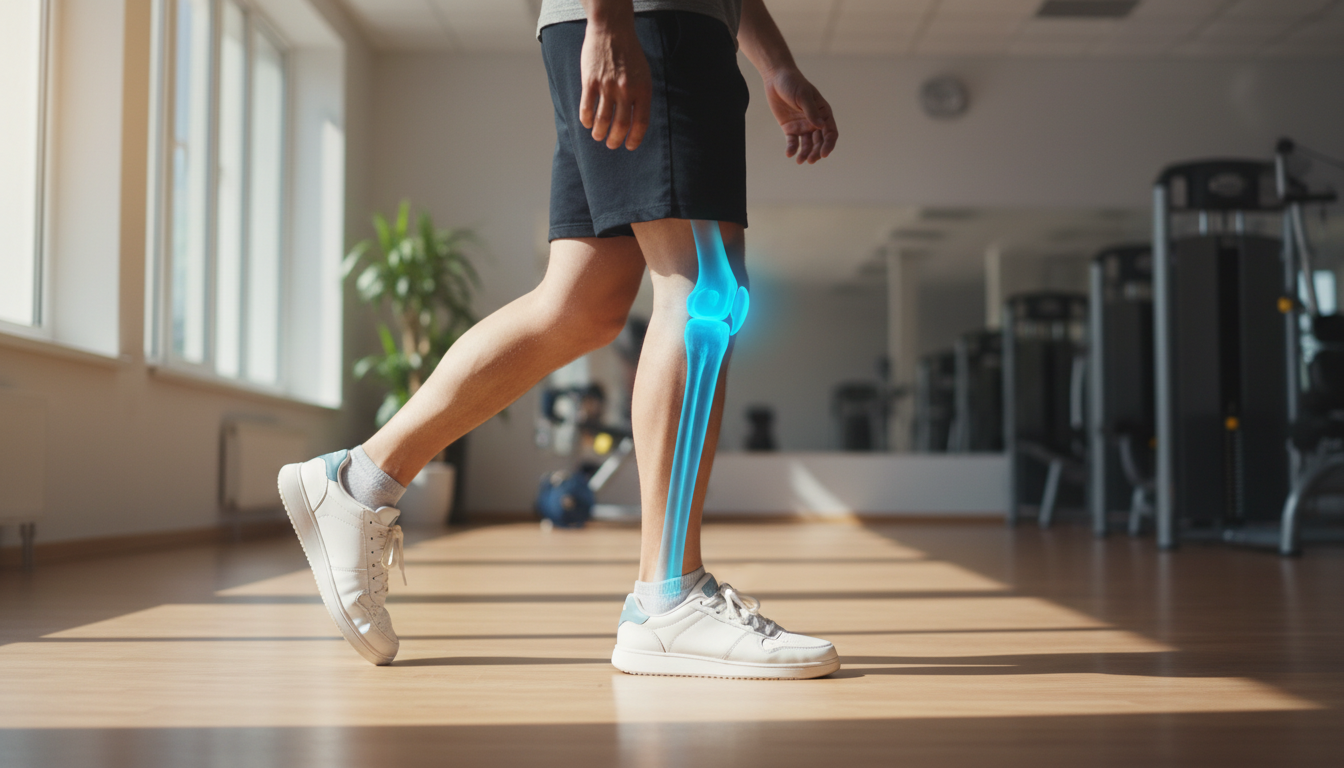
Standing for extended periods at work can take a significant toll on your body, especially your feet, knees, and back. Whether you work in retail, healthcare, construction, or any profession that requires prolonged standing, the right footwear support is crucial for maintaining comfort and preventing long-term health issues. For many men, the factory insoles that come with work boots and shoes simply don’t provide adequate support for 8+ hour shifts.
This comprehensive guide focuses on the best insoles for men who stand all day at work. We’ll explore how improper footwear contributes to knee stress, foot pain, and other alignment issues, and which insoles can effectively address these problems. By the end, you’ll understand how to choose the perfect insole for your specific needs and work environment.
Why Standard Footwear Often Falls Short for All-Day Standing
Most standard work shoes and boots come with basic insoles designed for general use rather than specialized support. These stock insoles typically lack adequate arch support, shock absorption, and pressure distribution properties needed for all-day standing. After just a few hours, your feet begin to fatigue, leading to a cascade of issues that affect your entire body.
The impact of standing on hard surfaces like concrete is particularly problematic. Each step sends shock waves through your feet and up your skeletal system. Without proper cushioning and support, these forces can cause inflammation in your plantar fascia (the band of tissue running across your foot), stress your knee joints, and misalign your posture.
For men in physically demanding jobs, this problem is even more pronounced. Construction workers, warehouse staff, factory employees, and others who combine standing with heavy lifting or frequent movement need specialized support that standard footwear rarely provides.
How Improper Footwear Leads to Knee and Body Stress
Your feet form the foundation of your body’s alignment. When this foundation lacks proper support, the effects ripple upward throughout your entire skeletal structure. Here’s how inadequate footwear impacts your body:
- Knee Strain: Without proper arch support, your feet may pronate (roll inward) or supinate (roll outward), causing your knees to misalign. This places uneven stress on knee joints and can accelerate cartilage wear.
- Lower Back Pain: Foot misalignment forces your body to compensate, often leading to pelvic tilting and lower back strain as muscles work overtime to maintain balance.
- Plantar Fasciitis: One of the most common foot conditions among those who stand all day, plantar fasciitis develops when the thick band of tissue connecting your heel to your toes becomes inflamed due to excessive pressure and inadequate support.
- Fatigue: Your body expends additional energy when compensating for poor alignment, leading to increased overall fatigue by day’s end.
- Reduced Circulation: Standing without proper support can impair blood flow in your lower extremities, leading to swelling and discomfort.
Studies have shown that these issues don’t just cause temporary discomfort—they can lead to chronic conditions that affect quality of life and work performance. Addressing them with the right insoles is both a comfort and health investment.
Key Features to Look for in Men’s Boot Insoles and Shoe Inserts
Not all insoles are created equal, especially when it comes to supporting men during all-day standing. Here are the critical features that distinguish high-quality insoles for work situations:
- Arch Support: Perhaps the most crucial element, proper arch support maintains your foot’s natural alignment and distributes weight evenly. Look for insoles with different support levels depending on whether you have high, medium, or low arches.
- Heel Cushioning: Deep heel cups stabilize the rear foot and provide essential shock absorption with each step, reducing impact on knees and back.
- Material Quality: High-density foam, gel, or cork materials offer the best combination of support and comfort. Premium materials maintain their properties longer under the stress of all-day wear.
- Anti-Microbial Properties: Men’s work environments often lead to sweaty feet. Insoles with antimicrobial treatment prevent odor and fungal growth.
- Metatarsal Support: This feature reduces pressure on the ball of your foot, which bears significant weight during standing.
- Durability: Quality insoles should maintain their supportive properties for at least 6-12 months of regular use.
The best insoles combine these features in a design that matches your specific foot structure and work requirements. For men with particularly demanding jobs, specialized work boot insoles offer enhanced durability and support.
Top Insoles for Men With Plantar Fasciitis and Knee Pain
Plantar fasciitis is especially common among men who stand for long periods. This painful condition occurs when the plantar fascia—the thick band of tissue connecting your heel to your toes—becomes inflamed due to excessive strain. Similarly, knee pain often develops from improper alignment and inadequate shock absorption. Here are specialized insole options that address these specific concerns:
For plantar fasciitis sufferers, look for insoles with pronounced arch support and deep heel cups. These features take pressure off the plantar fascia by properly distributing weight across the foot. Some plantar fasciitis insoles also include gel cushioning in the heel area to reduce impact with each step.
Men experiencing knee pain benefit most from insoles with excellent shock absorption and alignment correction. These insoles reduce the impact forces that travel up from your feet to your knees with each step. Many also feature slight medial posting (additional support on the inner edge) to prevent overpronation, which can twist the knee inward.
One standout option that addresses both plantar fasciitis and knee alignment issues is the CRUVHEAL Orthotic Insoles for Men. These professional-grade insoles feature medical-design arch support, deep heel cups for stability, and premium shock-absorbing materials. The combination of these features helps relieve foot pain while simultaneously improving overall body alignment to reduce knee stress. Their design makes them particularly suitable for work boots and long periods of standing.
Best Shoe Insoles for Different Work Environments
Different work settings demand different types of insoles. Here’s a breakdown of optimal insole characteristics based on common work environments for men:
Construction and Industrial Work: These environments typically involve concrete floors, heavy lifting, and potential impact hazards. The best insoles for construction workers feature maximum shock absorption, durable materials that won’t compress quickly, and often a protective layer that offers some metatarsal protection. Look for insoles specifically marketed for work boots, as these are designed to fit the deeper profile of safety footwear while providing enhanced support.
Retail and Healthcare: These professions involve standing on hard surfaces for extended periods, often with limited opportunities to sit. Insoles for these environments should prioritize all-day comfort with adequate cushioning while maintaining proper support. Many healthcare professionals prefer insoles with antimicrobial properties due to the hospital environment.
Warehouse and Logistics: Workers in these settings typically combine standing with walking substantial distances. The ideal insoles balance cushioning with energy return to reduce fatigue during constant movement. Look for options with moisture-wicking properties, as these environments can get warm.
Office Work with Standing Desks: As more men adopt standing desks, appropriate support becomes essential. Insoles for this environment should be low-profile enough to work with dress shoes while providing adequate support for extended standing periods. Many office workers prefer insoles with a less “orthopedic” appearance that works with business footwear.
Regardless of work environment, ensure your selected insoles fit well in your work shoes without causing crowding, which can create new pressure points and discomfort.
How to Choose the Right Size and Type of Insole
Finding the perfect insoles involves more than just matching your shoe size. Follow these steps to ensure you select insoles that will provide optimal support:
Determine Your Arch Type: Wet your foot and step on a paper bag or dark paper to see your footprint. If you see almost your entire foot, you likely have low arches. If you see a distinct curve on the inside of your foot, you have a normal arch. If you see only a thin connection between heel and forefoot, you have high arches. Different arch types require different levels of support.
Consider Your Specific Foot Issues: Are you primarily concerned with plantar fasciitis? Heel pain? Overall fatigue? Look for insoles specifically designed to address your main concerns.
Evaluate Your Work Shoes: Some work boots and shoes have limited depth, which may require thinner insoles or removing the existing insoles. Make sure your chosen insoles will fit comfortably in your work footwear.
Sizing: Many insoles come in specific sizes, while others are trim-to-fit. For trim-to-fit options, be sure to follow the manufacturer’s instructions carefully to avoid cutting them too small.
Remember that the highest-priced options aren’t always the best for your specific needs. Focus on finding insoles with features that address your particular foot structure and work requirements rather than simply choosing the most expensive option.
Maintenance and Replacement Schedule for Men’s Insoles
Even the best insoles eventually wear out, especially under the demanding conditions of all-day standing. Knowing when and how to maintain and replace your insoles will ensure continued support and comfort:
Regular Cleaning: Most insoles can be hand washed with mild soap and water. Remove them from your shoes at the end of each workweek and clean them to prevent odor and bacterial buildup. Allow them to air dry completely before putting them back in your shoes.
Watch for Compression: Over time, the cushioning materials in insoles compress and lose their shock-absorbing properties. If you notice flattening in the arch or heel areas, it’s time to consider replacement.
Typical Replacement Schedule: For men who stand all day at work, quality insoles typically last 6-12 months. Heavy individuals or those in particularly demanding environments may need more frequent replacement. Some premium insoles with harder materials like carbon fiber may last longer.
Rotation System: Consider investing in two pairs of insoles and rotating them to extend their lifespan. This allows each pair to fully recover its shape between wears.
The cost of regularly replacing insoles is minimal compared to the potential medical expenses and discomfort associated with foot, knee, and back problems that develop from inadequate support.
Conclusion: Investing in Your Comfort and Health
Choosing the right insoles is a crucial decision for men who spend long hours standing at work. Beyond simple comfort, proper support affects your entire body’s alignment, energy levels, and long-term joint health. The best insoles for men address your specific foot structure, work environment, and any existing conditions like plantar fasciitis.
Remember that your feet literally carry you through your workday and life. Investing in quality shoe insoles for men isn’t a luxury—it’s a necessary aspect of workplace health and comfort. Many workers report that upgrading to proper insoles makes a remarkable difference in their end-of-day fatigue levels and overall comfort.
Consider starting with a professionally-designed option like the CRUVHEAL Orthotic Insoles that offer medical-grade support while fitting comfortably in work boots and shoes. Their specialized design addresses many of the alignment issues that lead to knee pain and plantar fasciitis while providing all-day comfort for standing workers.
With the right insoles supporting you, you can focus on excelling at your job rather than counting the minutes until you can take your shoes off. Your feet, knees, and back will thank you for making this important investment in your workplace wellbeing.