
Achilles Tendonitis: Prevention, Treatment & Top Insoles for Men’s Relief
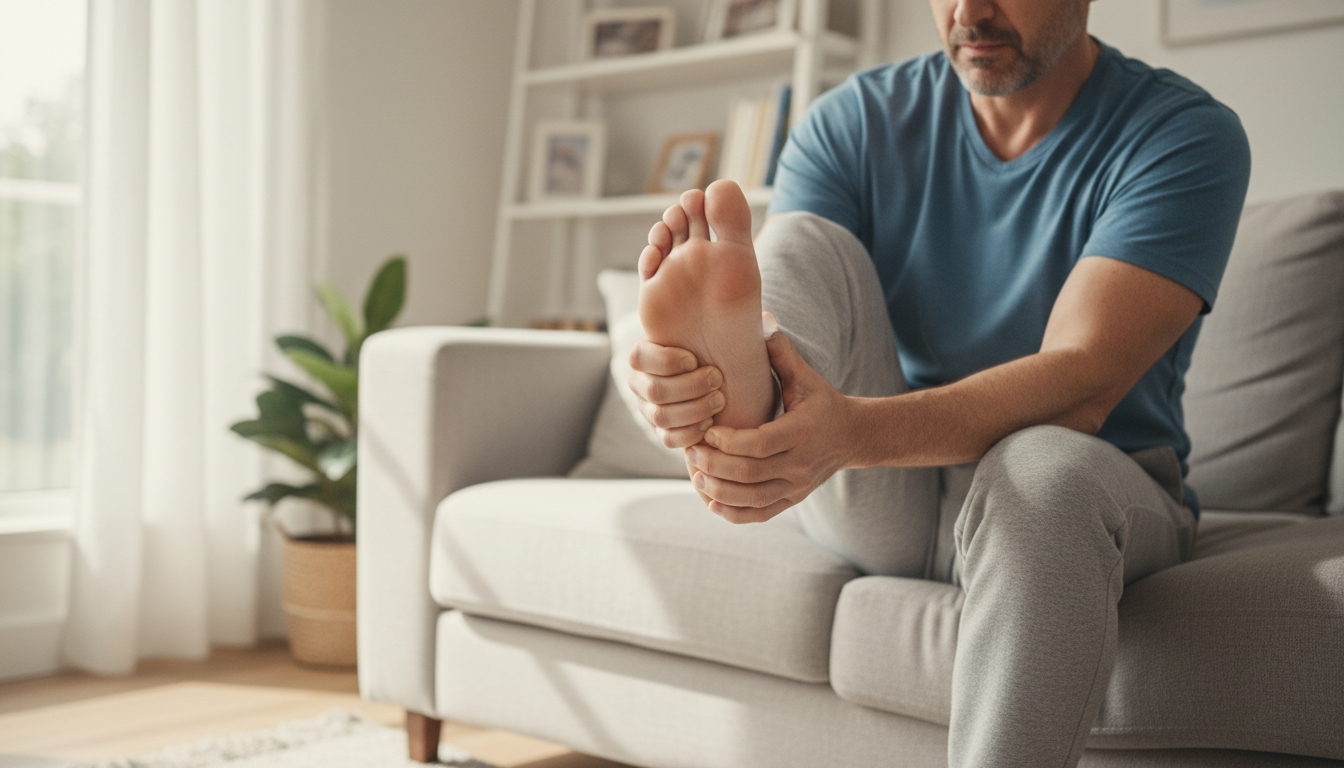
For active individuals and even those who spend long hours on their feet, Achilles tendonitis can be a debilitating condition that significantly impacts daily life. This painful inflammation of the Achilles tendon—the band of tissue connecting your calf muscles to your heel bone—affects countless men each year, sidelining them from work, exercise, and everyday activities. Understanding this condition and finding effective solutions, including quality insoles men can rely on, is crucial for maintaining an active lifestyle.
If you’ve ever experienced that telltale pain at the back of your heel, particularly during or after physical activity, you might be dealing with Achilles tendonitis. The good news is that with proper knowledge and the right interventions, including appropriate shoe insoles men can use for support, this condition can be effectively managed and even prevented.
In this comprehensive guide, we’ll explore everything you need to know about Achilles tendonitis—from recognizing symptoms and understanding causes to implementing effective treatment strategies. We’ll also delve into how specialized boot insoles for men and other supportive shoe inserts men can use may provide the relief you’re seeking.
Understanding Achilles Tendonitis: Causes and Risk Factors
The Achilles tendon is the largest and strongest tendon in your body, playing a critical role in walking, running, and jumping. When this tendon becomes inflamed or develops small tears due to repetitive stress, Achilles tendonitis occurs. Before exploring treatment options like plantar fasciitis insoles (which can also help with Achilles issues), it’s essential to understand what causes this painful condition.
Achilles tendonitis typically develops from overuse rather than a specific injury. The most common causes include:
- Sudden increase in activity level – Ramping up exercise intensity or duration too quickly
- Training errors – Improper technique during sports or exercise
- Footwear issues – Wearing shoes with inadequate support or cushioning
- Biomechanical problems – Flat feet, high arches, or abnormal foot mechanics
- Tight calf muscles – Inflexibility in the gastrocnemius or soleus muscles
- Age-related changes – Tendons naturally lose elasticity as we age
Certain factors can increase your risk of developing Achilles tendonitis. Men over 30 are particularly susceptible, as tendon elasticity decreases with age. Athletes who participate in running, basketball, tennis, or other activities that involve jumping are also at higher risk. Additionally, people with certain foot structures, like flat feet, may need specialized shoe inserts men can use to correct their biomechanics.
Recognizing the Symptoms of Achilles Tendonitis
Early recognition of Achilles tendonitis symptoms is crucial for effective treatment. The condition typically develops gradually, with symptoms worsening over time if left untreated. Here are the key signs to watch for:
- Pain and stiffness along the Achilles tendon, especially in the morning or after periods of inactivity
- Increased pain during or after physical activity, particularly running or stair climbing
- Severe pain the day after exercising
- Thickening of the tendon, which might be visible and palpable
- Bone spur formation at the back of the heel
- A crackling or creaking sound (crepitus) when touching or moving the tendon
Achilles tendonitis can present in two forms: insertional tendonitis, which affects the lower portion where the tendon attaches to the heel bone, and non-insertional tendonitis, which impacts the middle portion of the tendon. Knowing which type you have can help determine the most effective treatment approach, including whether specialized insoles for men might be beneficial.
Effective Treatment Approaches for Achilles Tendonitis
When it comes to treating Achilles tendonitis, a multifaceted approach typically yields the best results. Conservative measures are usually the first line of defense and prove effective for most individuals. Here’s a comprehensive breakdown of treatment options:
Rest and Activity Modification
Giving your Achilles tendon time to heal is crucial. This doesn’t necessarily mean complete immobilization but rather avoiding activities that exacerbate symptoms. Low-impact exercises like swimming or cycling can help maintain fitness without stressing the tendon.
Ice Therapy
Applying ice to the affected area for 15-20 minutes several times daily can help reduce inflammation and pain. Always wrap ice in a thin towel to avoid direct contact with the skin.
Anti-inflammatory Medications
Over-the-counter nonsteroidal anti-inflammatory drugs (NSAIDs) like ibuprofen can help manage pain and reduce inflammation. However, these should be used as directed and not as a long-term solution.
Physical Therapy
A structured physical therapy program is often essential for proper healing. A qualified therapist can prescribe specific exercises to strengthen the calf muscles and improve Achilles tendon flexibility. Eccentric strengthening exercises, which involve lengthening the tendon while it’s under tension, have proven particularly effective for Achilles tendonitis.
Supportive Footwear and Insoles
Proper footwear is crucial for both treatment and prevention. Shoes with adequate support, cushioning, and a slightly elevated heel can reduce stress on the Achilles tendon. Adding specialized shoe insoles men can use for Achilles support, like those designed for plantar fasciitis insoles, can provide additional relief by optimizing foot position and reducing strain on the tendon.
Quality boot insoles for men who work in construction or other demanding jobs can make a significant difference in daily comfort and recovery. The CRUVHEAL orthotic insoles are specifically designed to provide exceptional arch support and heel cushioning, making them an excellent choice for men dealing with Achilles tendon issues while needing to stay on their feet.
The Role of Specialized Insoles in Achilles Tendonitis Management
When it comes to managing Achilles tendonitis, the right shoe inserts men can use play a crucial role in recovery and prevention. Here’s why insoles are so important and what to look for when selecting them:
How Insoles Help with Achilles Tendonitis
Quality insoles work in several ways to alleviate Achilles tendon pain:
- Correcting biomechanical issues – Insoles can address problems like overpronation (excessive inward rolling of the foot) that place additional stress on the Achilles tendon
- Providing heel elevation – A slight lift reduces tension on the Achilles tendon
- Enhancing shock absorption – Quality insoles dampen impact forces that travel up the leg and affect the Achilles tendon
- Distributing pressure evenly – This prevents concentration of force on any one area
- Stabilizing the rear foot – Proper heel cup design keeps the foot aligned
Many people don’t realize that plantar fasciitis insoles can also be beneficial for Achilles tendonitis. This is because both conditions often stem from similar biomechanical issues, and the support features designed to alleviate plantar fasciitis pain—arch support, heel cushioning, and proper alignment—also help reduce strain on the Achilles tendon.
Key Features to Look for in Insoles for Achilles Tendonitis
Not all shoe insoles men can purchase are created equal, especially when addressing specific conditions like Achilles tendonitis. Here are the essential features to consider:
- Firm arch support – This helps maintain proper foot alignment and prevents excessive pronation
- Deep heel cup – Provides stability and keeps the heel bone (calcaneus) properly aligned
- Shock-absorbing heel cushioning – Reduces impact forces that can aggravate the Achilles tendon
- Slight heel elevation – Reduces tension on the Achilles tendon
- Durable materials – Ensures the insole maintains its supportive properties over time
Products like the CRUVHEAL orthotic insoles incorporate these essential features, making them an excellent option for men suffering from Achilles tendonitis. Their medical-grade design offers the perfect balance of support and comfort, whether you need boot insoles for men’s work boots or everyday shoe inserts men can wear with casual footwear.
Preventative Measures for Achilles Tendonitis
Prevention is always preferable to treatment when it comes to Achilles tendonitis. By implementing proper strategies, you can significantly reduce your risk of developing this painful condition. Here are key preventative measures to incorporate into your routine:
Proper Warm-up and Stretching
Always begin any physical activity with a thorough warm-up to increase blood flow to the muscles and tendons. Focus on gentle stretches for the calf muscles and Achilles tendon, holding each stretch for 20-30 seconds without bouncing. Dynamic stretching before activity and static stretching afterward can help maintain tendon flexibility.
Gradual Training Progression
Avoid sudden increases in exercise intensity or duration. Follow the 10% rule—don’t increase your training load by more than 10% per week. This gives your tendons time to adapt to increased demands gradually.
Cross-Training
Incorporate low-impact activities like swimming, cycling, or elliptical training into your fitness routine. This helps maintain cardiovascular fitness while giving your Achilles tendons a break from high-impact stress.
Appropriate Footwear
Invest in quality shoes appropriate for your specific activities, and replace them before they lose their supportive features (typically every 300-500 miles for running shoes). Adding high-quality shoe insoles men can rely on, such as the CRUVHEAL orthotic insoles, provides an additional layer of protection by optimizing foot biomechanics.
Regular Calf Strengthening
Strong calf muscles better support the Achilles tendon. Include exercises like calf raises (both with straight and bent knees) in your regular workout routine to build strength in both the gastrocnemius and soleus muscles.
When to Seek Professional Medical Help
While many cases of Achilles tendonitis respond well to self-care measures like rest, ice, and using appropriate insoles for men, certain situations warrant professional medical attention. Be alert to these warning signs:
- Severe pain that makes walking difficult or impossible
- Pain that doesn’t improve after several days of home treatment
- Significant swelling, redness, or warmth around the Achilles tendon
- A palpable lump developing on or around the tendon
- Sudden, severe pain accompanied by a popping or snapping sound (which might indicate a tendon rupture)
Healthcare providers have several diagnostic tools at their disposal, including physical examination, ultrasound, and MRI, to assess the extent of tendon damage. In cases that don’t respond to conservative treatment, they might recommend more advanced interventions such as:
- Extracorporeal shockwave therapy (ESWT) – Uses sound waves to stimulate healing
- Platelet-rich plasma (PRP) injections – Utilizes components of your own blood to promote healing
- Custom orthotics – Professionally designed shoe inserts men can use for precise biomechanical correction
- Surgery – Reserved for severe cases that don’t respond to other treatments
Conclusion: Taking Control of Achilles Tendonitis
Achilles tendonitis might be a common condition, but it doesn’t have to sideline you from the activities you enjoy. By understanding the causes, recognizing early symptoms, and implementing appropriate treatment strategies—including the use of quality shoe insoles men can rely on for daily support—you can effectively manage this condition and prevent future recurrences.
Remember that successful management typically requires a multifaceted approach. Combining proper rest, appropriate exercises, and supportive footwear with high-quality insoles creates the optimal environment for healing and prevention.
If you’re currently dealing with Achilles tendonitis or want to prevent it, consider adding CRUVHEAL orthotic insoles to your treatment arsenal. These professional-grade plantar fasciitis insoles provide exceptional support for the entire foot, helping to correct biomechanical issues that contribute to Achilles tendon stress. Whether you need boot insoles for men’s work environments or everyday shoe inserts men can wear with casual footwear, CRUVHEAL offers the quality support your feet deserve.
By taking proactive steps today, you can ensure your Achilles tendon remains healthy and pain-free, allowing you to stay active and enjoy life to its fullest. Don’t let Achilles tendonitis hold you back—with the right knowledge and tools, you can overcome this common but manageable condition.