
5 Workplace Habits That Help Protect Your Feet Every Day with Puncture Resistant Insoles
August 27, 2026
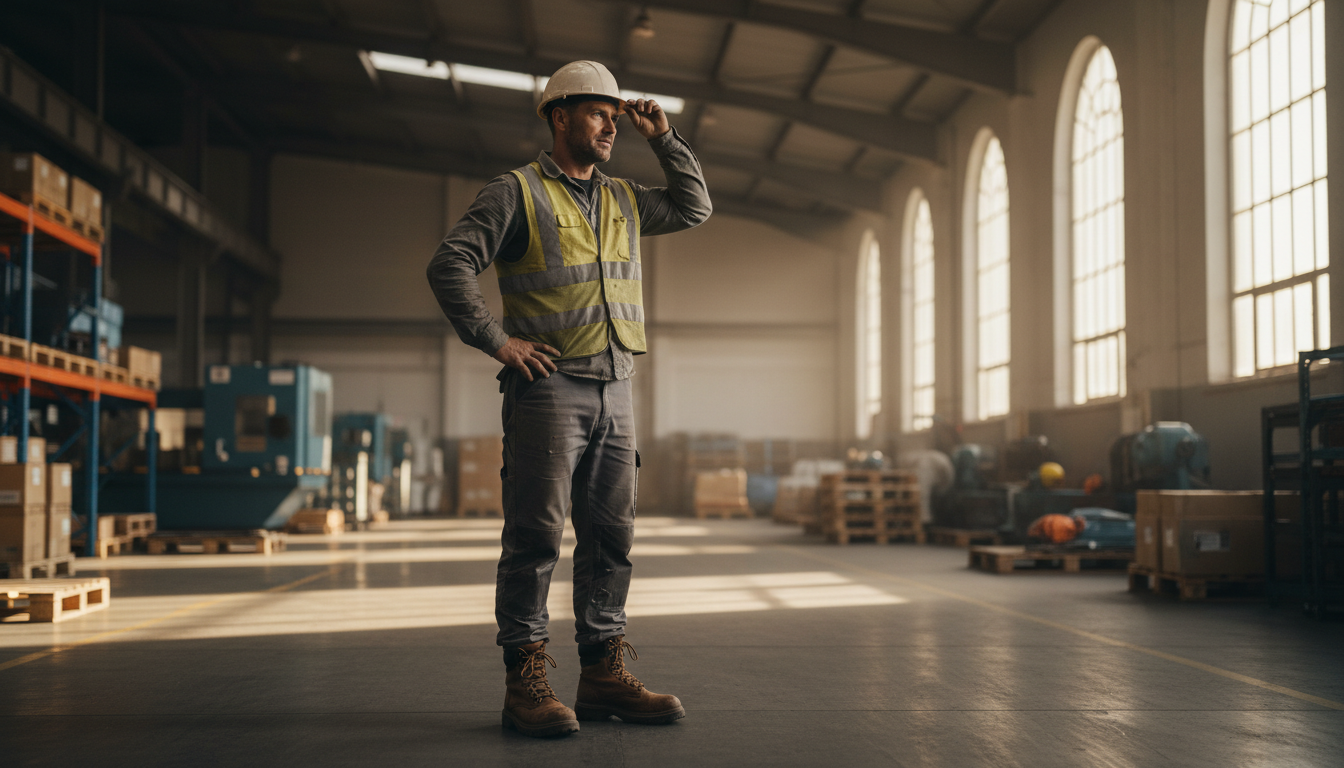
In industrial and construction environments, your feet face constant threats from sharp objects, heavy materials, and unforgiving surfaces. Every day, workers risk puncture wounds, crush injuries, and long-term foot damage that can sideline careers and impact quality of life. While safety boots provide essential protection, developing smart workplace habits creates an additional layer of defense that can mean the difference between a safe shift and a trip to the emergency room.
The reality is that foot injuries account for a significant portion of workplace accidents across construction sites, warehouses, and industrial facilities. Many of these injuries are preventable through consistent safety practices combined with proper protective equipment. This article explores five essential workplace habits that construction workers, warehouse personnel, and industrial professionals can adopt to keep their feet safe and healthy throughout their careers.
By integrating these habits into your daily routine alongside quality protective insoles and safety boot insoles, you’ll create a comprehensive approach to foot safety that protects you from immediate dangers while preventing long-term damage from repetitive stress and impact.
Habit 1: Inspect Your Work Area Before Starting Each Task
The most effective way to prevent foot injuries is to identify and eliminate hazards before they cause harm. Before beginning any task, take sixty seconds to scan your immediate work area for potential dangers. Look for nails protruding from boards, metal shards, broken glass, sharp debris, or any objects that could penetrate footwear or cause trips and falls.
This proactive approach is especially critical for construction boot insoles wearers working on demolition sites or new construction projects where sharp materials are abundant. Even with steel plate insoles or puncture proof insoles, prevention remains your first line of defense. Clear away debris, position materials safely, and create organized pathways that minimize your exposure to foot hazards.
Make this inspection a non-negotiable part of your routine, similar to checking that your hard hat is secured or your safety glasses are clean. When you arrive at a new work zone, before you step onto a platform, and whenever conditions change throughout the day, take that moment to assess what’s beneath and around your feet. This simple habit can prevent the majority of puncture wounds and crushing injuries that occur when workers step blindly into hazardous areas.
Habit 2: Invest in and Maintain Quality Protective Boot Insoles
Your safety boots are only as protective as their weakest component. Standard work boots provide excellent protection against impact and compression, but many lack adequate puncture resistance in the midsole area. This is where steel shank insoles and puncture resistant insoles become essential additions to your safety equipment.
High-quality steel plate shoe inserts provide a critical barrier between your feet and sharp objects that can penetrate through worn boot soles. For workers in industrial environments, demolition sites, or construction zones where nails, metal shards, and sharp debris are constant threats, these protective insoles offer peace of mind and genuine protection.
When selecting insoles for construction workers or insoles for warehouse workers, prioritize these features:
- Genuine steel plate or composite puncture-resistant material that meets ASTM safety standards
- Comfortable cushioning that doesn’t compromise protection
- Proper arch support to prevent fatigue during long shifts
- Moisture-wicking materials that keep feet dry and prevent bacterial growth
- Durable construction that withstands daily wear in demanding environments
Remember that even the best puncture proof shoe inserts require regular inspection and eventual replacement. Check your heavy duty insoles monthly for signs of wear, punctures, or compression that could compromise their protective qualities. If you notice any damage or if the insoles no longer fit snugly in your boots, replace them immediately to maintain optimal protection.
For professionals seeking reliable foot protection, explore these professional-grade puncture resistant insoles designed specifically for demanding work environments. These industrial work insoles combine steel plate protection with comfort features that support you through entire shifts.
Habit 3: Practice Proper Lifting and Carrying Techniques
Foot injuries don’t only result from stepping on hazards—they frequently occur when heavy objects are dropped during lifting, carrying, or material handling. Proper lifting technique protects not just your back but also your feet from crushing injuries that can cause fractures, contusions, and long-term damage.
When lifting heavy materials, always maintain a secure grip and keep loads close to your body. Never attempt to lift objects that exceed your capability, and always ask for assistance or use mechanical aids when dealing with particularly heavy or awkward items. Before lifting, ensure your pathway is clear and that you have solid, level footing.
Plan your movements to minimize the distance you carry heavy objects and identify safe placement areas before you lift. This reduces the time your feet are at risk and decreases the likelihood of dropped loads. When working with others, establish clear communication protocols so everyone knows when objects are being moved overhead or through shared spaces.
Position yourself so that if you must drop a load in an emergency, it falls away from your feet and those of nearby coworkers. This situational awareness, combined with safety shoe inserts that provide impact protection, creates multiple layers of defense against crushing injuries.
Habit 4: Maintain Awareness of Your Footing and Surroundings
Situational awareness is fundamental to workplace safety, yet it’s easily compromised when you’re focused on completing tasks efficiently. Constantly monitoring where you step and what’s around you prevents both acute injuries and cumulative damage from repeated missteps on uneven surfaces.
In construction and industrial settings, work surfaces change throughout the day. What was clear ground this morning might have nails, cables, or spilled materials by afternoon. Workers wearing insoles for jobsite boots must remain vigilant about surface conditions, watching for:
- Wet or oily surfaces that increase slip risk and reduce boot traction
- Uneven ground, holes, or elevation changes that can cause ankle injuries
- Loose materials like gravel or ball bearings that create unstable footing
- Cables, hoses, or cords that present tripping hazards
- Freshly placed materials that may contain upward-facing nails or sharp edges
Develop the habit of looking down periodically, especially when moving through unfamiliar areas or when work conditions have changed. This doesn’t mean walking with your head down constantly—rather, integrate regular visual checks of your path into your movement pattern. This becomes second nature with practice and dramatically reduces your risk of stepping into hazards.
When working on ladders, scaffolding, or elevated platforms, foot placement becomes even more critical. Ensure each step is secure before transferring your weight, and maintain three points of contact whenever possible. The work boot protection provided by quality footwear and insoles for demolition work works best when combined with deliberate, careful movement.
Habit 5: Implement End-of-Shift Foot Care and Equipment Inspection
Protecting your feet doesn’t end when your shift does. Establishing a consistent end-of-day routine for both foot care and equipment inspection ensures you maintain optimal protection and catch potential problems before they become serious issues.
After removing your work boots, inspect your feet for any signs of injury, pressure points, blisters, or unusual discoloration. Early detection of minor issues prevents them from developing into serious problems that could keep you off the job. If you notice any puncture wounds, even small ones, clean them thoroughly and seek medical attention to prevent infection.
Examine your boots and durable work insoles for damage. Look for punctures in the sole, worn areas that reduce protection, loose stitching, or separation between the upper and sole. Check that your construction boot insoles remain properly positioned and haven’t shifted during the day. Any compromise to your protective equipment should be addressed immediately—either through repair or replacement.
Clean your boots regularly to remove accumulated debris that could work its way through to your feet or damage the boot materials over time. Allow boots to dry completely between shifts, which extends their lifespan and prevents the growth of bacteria and fungi that cause foot infections. Consider having two pairs of work boots so you can rotate them, giving each pair adequate drying time.
This daily inspection habit also helps you track the condition of your protective equipment over time, allowing you to budget for replacements and ensure you’re never caught without adequate protection. Keep records of when you purchased boots and safety boot insoles so you know when they’re approaching the end of their effective lifespan.
Creating a Culture of Foot Safety in Your Workplace
Individual habits are most effective when supported by a workplace culture that prioritizes safety. Encourage your coworkers to adopt these protective habits and share information about effective protective insoles and safety practices. When everyone on a jobsite maintains awareness and follows safety protocols, the entire team benefits from reduced injury rates and improved productivity.
Supervisors and safety managers should provide regular training on foot protection, make quality protective equipment readily available, and recognize workers who consistently demonstrate safe practices. When employees see that their employer values their wellbeing enough to invest in proper equipment and training, they’re more likely to take personal responsibility for their safety.
Consider organizing team discussions about near-misses and close calls involving foot hazards. These conversations help everyone learn from experiences without anyone having to suffer an actual injury. Share information about effective work boot insoles, steel plate shoe inserts, and other protective technologies that can enhance safety across your workforce.
Conclusion: Daily Habits Build Lasting Protection
Protecting your feet in demanding work environments requires more than just wearing safety boots—it demands consistent attention to hazards, investment in quality protective equipment, and daily habits that minimize risk. The five habits outlined in this article—inspecting work areas, using quality puncture proof insoles, practicing proper lifting techniques, maintaining situational awareness, and implementing end-of-shift care routines—work together to create comprehensive protection against the foot hazards present in construction, warehouse, and industrial settings.
None of these habits requires significant time investment, yet their cumulative effect dramatically reduces your risk of both acute injuries and long-term foot damage. By making these practices automatic parts of your workday, you protect your ability to continue working in your chosen field for years to come. Your feet carry you through every shift and every task—they deserve the protection that thoughtful habits and quality equipment provide.
Start implementing these habits today, beginning with the foundation of proper foot protection. Equip yourself with reliable insoles for warehouse workers or insoles for construction workers appropriate to your specific environment, and build these safety practices into your daily routine. Your future self will thank you for the investment in protection and the commitment to safety that keeps you healthy, productive, and injury-free throughout your career.