
The Hidden Foot Stress of Warehouse Picking Jobs: Why Work Boot Insoles Are Essential for Daily Comfort
July 22, 2026
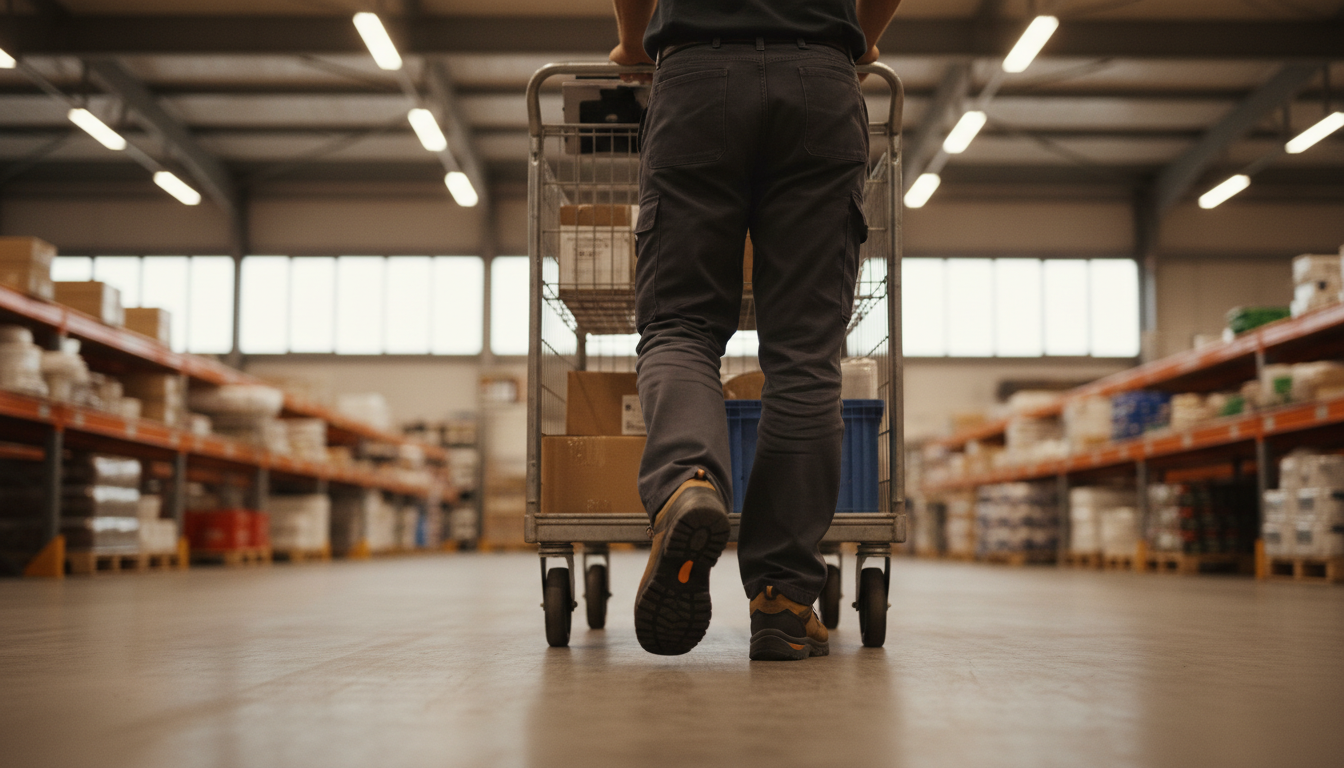
Warehouse picking jobs are among the most physically demanding occupations in the modern logistics industry. While the work might seem straightforward—walking through aisles, scanning items, and preparing orders—the cumulative effect on foot health is often underestimated. Workers in these environments regularly clock between 10 to 15 miles per shift, often on unforgiving concrete floors that offer no natural cushioning or shock absorption. This hidden foot stress leads to chronic pain, fatigue, and long-term musculoskeletal issues that can significantly impact quality of life both on and off the job.
Understanding the biomechanical challenges warehouse workers face is the first step toward implementing effective solutions. From the constant pivoting and turning to the repetitive lifting motions that place uneven pressure on feet, every aspect of warehouse picking creates unique stressors. The good news is that with the right supportive work insoles and proper foot care strategies, workers can dramatically reduce discomfort and protect their long-term health.
The Biomechanics of Warehouse Picking: Understanding the Stress Points
Warehouse picking involves a complex series of movements that place extraordinary demands on the feet and lower body. Unlike jobs that involve primarily standing in one place, picking requires constant motion—walking, stopping abruptly, pivoting to reach items, and carrying varying loads throughout the shift. Each of these movements creates specific stress points that accumulate over hours of repetitive activity.
The constant walking on concrete floors is particularly problematic. Concrete provides virtually no shock absorption, meaning every step sends the full impact force directly through the feet, ankles, knees, and up the kinetic chain to the hips and lower back. Over an eight to twelve-hour shift, this translates to thousands of high-impact steps that gradually break down the natural cushioning in your feet. Workers without proper arch support for work shoes often experience plantar fasciitis, heel spurs, and metatarsalgia as a result.
Turning and pivoting movements create lateral forces that standard work boots aren’t designed to accommodate. When reaching for items on shelves or maneuvering through tight aisles, the twisting motion places stress on the arch and can lead to overpronation or supination. This misalignment doesn’t just affect the feet—it cascades up through the body, potentially causing knee pain, hip discomfort, and lower back issues. Quality medium arch support insoles help stabilize the foot during these lateral movements, maintaining proper alignment throughout the workday.
Common Foot Health Issues Affecting Warehouse Workers
The demanding nature of warehouse work leads to a predictable set of foot-related health problems. Recognizing these conditions early is crucial for preventing them from becoming chronic issues that impact your ability to work and enjoy life outside of your job.
- Plantar Fasciitis: Inflammation of the thick band of tissue running across the bottom of your foot, causing stabbing heel pain especially with first steps in the morning
- Metatarsalgia: Pain and inflammation in the ball of the foot from constant pressure and impact on hard surfaces
- Heel Spurs: Calcium deposits that develop on the heel bone from chronic stress, causing sharp pain with each step
- Achilles Tendinitis: Inflammation of the Achilles tendon from repetitive stress and inadequate support
- Morton’s Neuroma: A thickening of tissue around nerves leading to the toes, causing burning pain and numbness
- General Foot Fatigue: Overall soreness, aching, and heaviness in the feet from prolonged standing and walking
These conditions don’t develop overnight. They’re the result of cumulative stress over weeks, months, and years of inadequate foot support. The encouraging news is that many warehouse workers find significant relief by investing in proper insoles for standing all day that address their specific biomechanical needs. Early intervention with appropriate footwear modifications can prevent minor discomfort from progressing to debilitating pain.
Why Standard Work Boots Aren’t Enough
Most warehouse environments require safety footwear—typically steel-toed or composite-toe boots that protect against falling objects and compression hazards. While these boots excel at safety protection, they often fall short in providing adequate comfort and biomechanical support for the unique demands of picking work.
Standard work boots come with generic insoles that are essentially flat foam pads with minimal arch support or cushioning. These basic inserts compress quickly under daily use, losing what little shock absorption they initially provided within the first few weeks of wear. Additionally, the rigid construction required for safety certification often means less flexibility in the forefoot, which can restrict natural foot movement and increase fatigue during long shifts.
The insole that comes with your work boots is designed for cost-efficiency and universal fit—not for the specific needs of someone walking 10+ miles per day on concrete. This is why upgrading to specialized orthotic insoles for work makes such a dramatic difference. Quality aftermarket insoles provide targeted arch support, superior cushioning materials, heel stabilization, and moisture-wicking properties that standard inserts simply cannot match. Think of it as the difference between the basic tires that come with a new car versus performance tires designed for specific driving conditions.
The Role of Proper Insoles in Reducing Foot Stress
Investing in high-quality insoles for warehouse workers is one of the most cost-effective interventions for protecting foot health and improving daily comfort. Properly designed insoles address multiple stress factors simultaneously, providing benefits that extend far beyond simple cushioning.
Superior shock absorption is the foundation of any quality work insole. Advanced materials like gel cushioning, memory foam, or EVA (ethylene-vinyl acetate) absorb the repetitive impact forces that would otherwise transfer through your skeletal system. This reduction in impact stress doesn’t just protect your feet—it reduces the cumulative trauma to ankles, knees, hips, and lower back. Many warehouse workers report that knee and back pain diminish significantly after switching to insoles for concrete floors with proper cushioning technology.
Arch support is equally critical. Your foot’s arch acts as a natural shock absorber and spring mechanism, but it requires proper support to function efficiently throughout a long shift. Without adequate support, the arch collapses (overpronation) or remains too rigid (supination), leading to inefficient biomechanics and increased fatigue. Quality medium arch support insoles maintain the arch in its optimal position, distributing pressure evenly across the foot and reducing stress on the plantar fascia and other connective tissues.
Heel stabilization provided by insoles with heel support prevents excessive movement within the boot, reducing friction that causes blisters and stabilizing the ankle to prevent rolling injuries. A deep heel cup cradles the heel bone, providing stability during the constant starting, stopping, and turning movements common in warehouse picking. This stabilization also helps maintain proper alignment throughout the entire kinetic chain, from feet to spine.
Key Features to Look for in Work Insoles for Warehouse Jobs
Not all work insoles are created equal, and choosing the right pair requires understanding which features matter most for warehouse picking environments. Here are the essential characteristics to prioritize when selecting comfortable work boot insoles for demanding work conditions:
- Appropriate Arch Height: Medium arch support works well for most people, providing a balance between support and comfort without feeling intrusive. Those with particularly high or flat arches may need specialized options.
- Multi-Layer Cushioning: Look for insoles that combine different cushioning materials—such as gel in the heel for impact absorption and foam in the forefoot for responsive comfort during push-off.
- Moisture Management: Fabric top layers that wick moisture away from the foot help prevent blisters, reduce odor, and maintain a healthier foot environment during long shifts.
- Durability: Quality materials that resist compression over time ensure your investment continues providing support for months, not just weeks. Look for insoles specifically designed for heavy-duty use.
- Deep Heel Cup: A heel cup of at least 7mm depth provides the stabilization needed for the constant lateral movements in warehouse work.
- Antimicrobial Protection: Treatments that inhibit bacterial growth help control odor and reduce the risk of fungal infections like athlete’s foot.
- Proper Sizing: Insoles should fit your boot precisely, without bunching or sliding. Many quality insoles come in multiple sizes and can be trimmed for a custom fit.
When evaluating options, consider how these features work together to address the specific challenges of your work environment. The best insoles for foot fatigue combine all these elements into a system designed specifically for workers who spend entire shifts on their feet in demanding conditions.
Practical Solutions: Implementing Insole Support in Your Work Routine
Making the switch to supportive work insoles is straightforward, but maximizing their benefits requires proper implementation and complementary foot care practices. Start by removing the factory insoles from your work boots—these thin foam pads are meant to be replaced. Insert your new orthotic insoles for work, ensuring they lie flat without bunching, especially in the toe box area. If needed, trim the insoles following the manufacturer’s guidelines to achieve a perfect fit.
Allow for a brief break-in period. While quality insoles should feel comfortable immediately, your feet may need a few days to adjust to the improved support and alignment. Some workers experience mild arch soreness during the first week as muscles that have been underused begin working properly again. This temporary discomfort is normal and typically resolves within three to five days as your body adapts to the improved biomechanics.
Consider rotating between two pairs of work boots, each equipped with supportive insoles. This rotation allows each pair to fully dry between shifts, extending the life of both the boots and the insoles while maintaining better foot hygiene. The same principle applies to nurses, healthcare workers, and others in similarly demanding professions—which is why many insoles for nurses feature similar design principles to those optimal for warehouse workers.
If you’re ready to experience the difference that professional-grade insoles can make in your daily comfort and long-term foot health, consider exploring options designed specifically for demanding work environments. The New Work Orthotics Insoles for Plantar Fasciitis offer the combination of arch support, cushioning, and durability that warehouse workers need to stay comfortable throughout long shifts.
Beyond Insoles: Complementary Strategies for Foot Health
While high-quality insoles for walking all day are foundational to foot health in warehouse environments, they work best as part of a comprehensive approach to lower body wellness. Implementing additional strategies amplifies the protective benefits and helps address foot stress from multiple angles.
Proper footwear fit is essential. Your work boots should provide adequate toe box space—you should be able to wiggle your toes freely without restriction. Boots that are too tight compress the foot and restrict circulation, while boots that are too loose allow excessive movement that causes friction and blisters. When wearing supportive insoles, you may need boots a half-size larger than your standard shoe size to accommodate the additional volume.
Regular stretching and strengthening exercises help maintain foot flexibility and build the intrinsic muscles that support proper arch function. Simple exercises like toe curls, calf stretches, and rolling a tennis ball under your foot can be performed before shifts, during breaks, and after work. These activities take only a few minutes but significantly reduce the risk of overuse injuries and help recovery between shifts.
Foot elevation and icing after particularly demanding shifts accelerate recovery. Elevating your feet above heart level for 15-20 minutes helps reduce inflammation and facilitates circulation, while ice application (10 minutes on, 10 minutes off) can soothe acute soreness. Contrast baths—alternating between warm and cold water—are another effective recovery technique used by athletes and workers in physically demanding professions.
Conclusion: Investing in Your Foundation
The hidden foot stress of warehouse picking jobs is a serious occupational health concern that affects thousands of workers daily. The combination of extensive walking, hard concrete surfaces, repetitive movements, and long shift durations creates the perfect conditions for chronic foot problems that can impact not just your work performance, but your overall quality of life. Foot pain doesn’t stay isolated—it affects your mood, energy levels, sleep quality, and ability to enjoy activities outside of work.
Fortunately, effective solutions are readily available and remarkably affordable compared to the cost of chronic pain, lost work days, and medical treatments for advanced foot conditions. Investing in quality insoles for work shoes represents one of the most cost-effective interventions for protecting your health and enhancing daily comfort. When combined with proper footwear, regular stretching, and mindful foot care practices, supportive insoles form the foundation of a sustainable approach to physically demanding work.
Your feet are quite literally your foundation—they support everything you do, both on the job and in your personal life. Treating them with the care and support they deserve isn’t an indulgence; it’s a practical necessity for anyone whose livelihood depends on spending hours on their feet. Whether you’re just starting in warehouse work or you’re a veteran picker dealing with accumulated wear and tear, it’s never too early or too late to prioritize foot health. The investment you make today in proper everyday orthotic insoles pays dividends in comfort, performance, and long-term wellness for years to come.
Don’t wait for minor discomfort to progress into chronic pain that limits your ability to work and enjoy life. Take action today to protect your feet, and they’ll continue supporting you through countless shifts and miles ahead.