
Why Hard Floors Feel Harder at the End of the Day: Understanding Foot Fatigue and Pain Relief
July 10, 2026
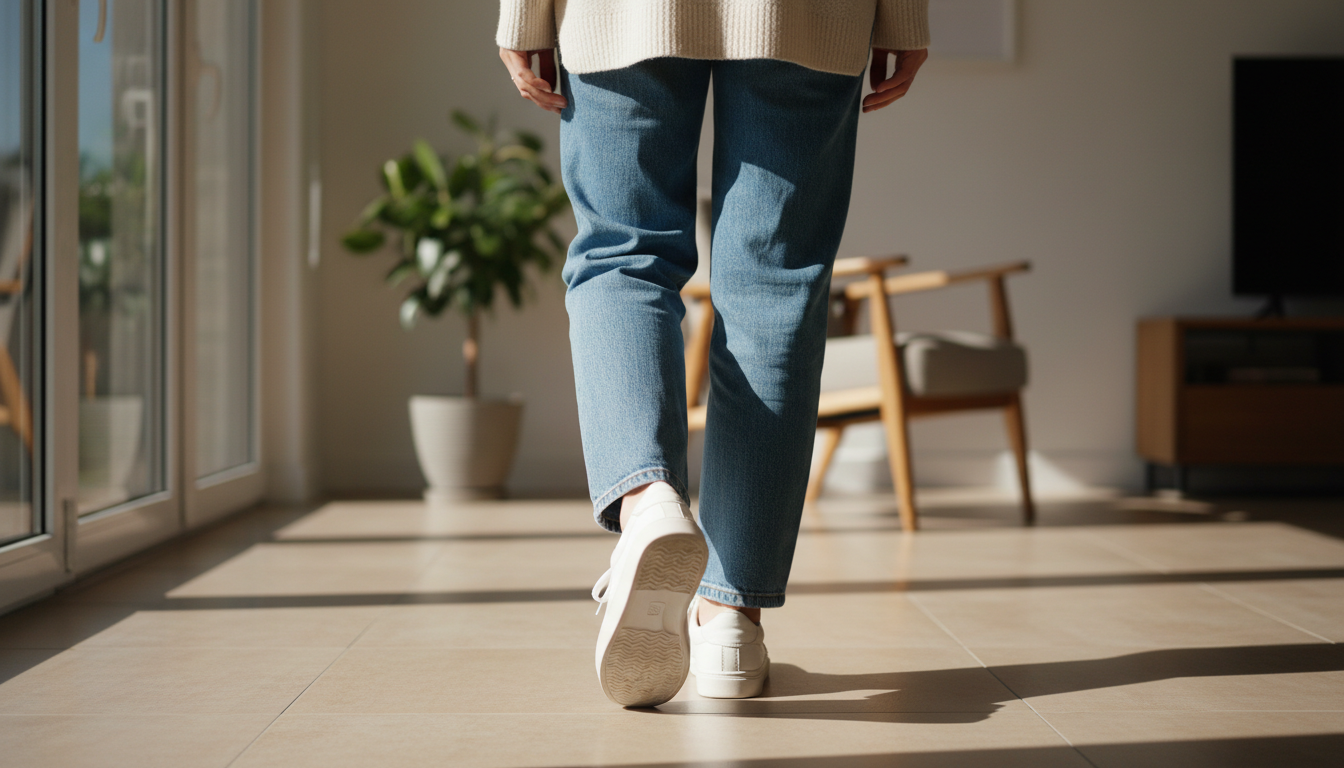
Have you ever noticed that walking across your kitchen floor feels substantially more uncomfortable in the evening than it did in the morning? You’re not imagining things. This common phenomenon affects millions of people daily, and understanding why hard floors feel harder at the end of the day can help you address the underlying causes of foot discomfort and pain in ball of foot when walking.
The sensation of increased hardness isn’t actually a change in the floor itself, but rather a complex interplay of physiological changes in your feet, legs, and body throughout the day. From muscle fatigue to inflammation, several factors contribute to this end-of-day sensitivity. This article explores the science behind daily foot fatigue and provides practical solutions to help you maintain comfort from morning to night.
The Science of Cumulative Fatigue Throughout Your Day
Your body undergoes significant changes during waking hours, especially if you spend considerable time on your feet. The musculoskeletal system experiences progressive stress with each step you take, each hour you stand, and every impact your feet absorb. By understanding these changes, you can better address the discomfort associated with hard surfaces.
The average person takes between 4,000 and 6,000 steps per day, with more active individuals exceeding 10,000 steps. Each step generates impact forces that can be two to three times your body weight during normal walking, and even higher during running or jumping. These repeated impacts accumulate throughout the day, leading to tissue compression, micro-trauma, and inflammation.
Your feet contain complex structures including 26 bones, 33 joints, and more than 100 muscles, tendons, and ligaments. The fat pads on the bottom of your feet, particularly in the heel and forefoot areas, serve as natural shock absorbers. However, these fat pads compress and thin throughout the day due to constant pressure and impact, reducing their cushioning effectiveness by evening time.
How Plantar Fasciitis and Foot Conditions Worsen Daily
For individuals dealing with plantar fasciitis, the progression of pain throughout the day follows a predictable pattern. The plantar fascia—a thick band of tissue running along the bottom of your foot—becomes increasingly inflamed with continued use. While many people experience their worst plantar fasciitis pain first thing in the morning, a secondary wave of discomfort often strikes in the evening after a full day of activity.
Similarly, those suffering from neuropathy find that nerve sensitivity intensifies as the day progresses. The compression of nerves in the feet, combined with reduced circulation and increased inflammation, makes every step on hard surfaces feel more painful. Finding the best shoes for neuropathy becomes crucial for managing symptoms throughout the entire day.
Other common foot conditions that intensify on hard floors include:
- Metatarsalgia, causing increased pain in ball of foot when walking
- Heel spurs that become more tender with accumulated impact
- Arthritis in foot joints that swells and stiffens as the day progresses
- Morton’s neuroma, creating sharp, burning sensations in the forefoot
- General inflammation from pronation and overpronation issues
The Connection Between Foot Pain, Ankle Pain, and Back Pain
The discomfort you feel in your feet on hard surfaces doesn’t exist in isolation. Your body operates as a kinetic chain, meaning problems in your feet directly influence your ankles, knees, hips, and spine. When your feet become fatigued and lose their natural shock-absorption capabilities, the impact forces travel upward through your body.
Ankle pain commonly develops as your feet tire because your body alters its gait pattern to compensate for foot discomfort. These biomechanical changes place abnormal stress on ankle joints and tendons. Similarly, when your feet can’t properly absorb shock, your spine bears more impact with each step, contributing to the development of chronic back pain.
Research consistently shows that individuals who invest in the best shoes for back pain experience reduced discomfort not only in their spine but throughout their entire lower body. Proper footwear with adequate cushioning and arch support helps maintain natural alignment and reduces the cumulative stress that makes hard floors feel increasingly uncomfortable as the day wears on.
Why Your Body’s Natural Cushioning Fails by Evening
Several physiological processes explain why your feet become more sensitive to hard surfaces throughout the day. Understanding these mechanisms empowers you to take preventive action and implement effective solutions.
- Fat pad displacement: The protective fat pads under your heels and forefoot compress and spread outward with prolonged standing and walking, reducing their thickness and cushioning capacity by up to 50% by day’s end.
- Muscle fatigue: The intrinsic muscles of your feet that help support your arches and absorb shock become exhausted, reducing their ability to protect your bones and joints from hard surface impact.
- Inflammatory response: Micro-damage to tissues triggers inflammation, which increases sensitivity to pressure and makes hard surfaces feel more painful.
- Reduced circulation: Prolonged standing or repetitive motion can impair blood flow to the feet, slowing the removal of inflammatory chemicals and reducing oxygen delivery to tired tissues.
- Nerve sensitivity: Compressed and irritated nerves become increasingly reactive to stimuli, making normal pressure feel more intense and uncomfortable.
Practical Solutions for All-Day Foot Comfort
Fortunately, you don’t have to accept increasing foot discomfort as an inevitable part of your day. Several evidence-based strategies can help maintain comfort on hard floors from morning through evening. The most effective approach combines proper footwear, supportive insoles, regular breaks, and targeted exercises.
One of the most impactful changes you can make is upgrading your footwear and insole system. Quality orthotic insoles provide consistent arch support and cushioning that doesn’t compress throughout the day like your natural fat pads do. If you’re experiencing foot fatigue on hard floors, explore these comfort orthotics insoles designed specifically for work environments to maintain support and cushioning during long days on unforgiving surfaces.
Beyond insoles, consider these additional strategies for managing foot fatigue:
- Alternate between different pairs of supportive shoes throughout the week to vary pressure points
- Take brief walking breaks every hour to restore circulation and prevent tissue compression
- Perform foot stretches and ankle rotations several times daily
- Use anti-fatigue mats in areas where you stand frequently
- Elevate your feet for 10-15 minutes during breaks to reduce swelling
- Apply ice to the forefoot and heel areas if inflammation develops
Choosing the Right Footwear for Hard Floor Environments
Selecting appropriate footwear makes a dramatic difference in how your feet feel on hard surfaces throughout the day. Whether you’re searching for the best plantar fasciitis shoes or simply need better everyday support, certain features prove essential for all-day comfort on unforgiving floors.
Look for shoes with substantial midsole cushioning made from materials like EVA foam or gel compounds that resist compression. The heel counter should be firm to prevent excessive motion that contributes to pronation and overpronation issues. Adequate arch support distributes pressure more evenly across your foot, preventing excessive load on the heel and forefoot areas.
If you enjoy outdoor activities, understanding how tight should trail shoes be becomes important for maintaining foot health during recovery trekking sessions. Proper fit prevents additional stress on already fatigued feet. Additionally, considering hiking sustainability in your footwear choices ensures your outdoor gear supports both your body and the environment for years to come.
When to Seek Professional Help for Foot Pain
While many people successfully manage end-of-day foot discomfort with the strategies outlined above, certain warning signs indicate the need for professional evaluation. Persistent pain that doesn’t improve with rest, swelling that doesn’t resolve overnight, or symptoms that progressively worsen warrant medical attention.
A podiatrist or foot specialist can assess your specific biomechanics, identify underlying conditions contributing to your discomfort, and recommend targeted treatments. Custom orthotics, physical therapy, or medical interventions may be necessary for addressing chronic conditions that over-the-counter solutions can’t fully resolve.
Don’t let foot pain sideline you from activities you enjoy. Whether you’re preparing for a community event like a turkey trot race or simply want to get through your workday comfortably, addressing foot fatigue early prevents more serious problems from developing.
Conclusion: Taking Steps Toward Lasting Comfort
Understanding why hard floors feel harder at the end of the day empowers you to take proactive steps to maintain comfort throughout your entire day. The phenomenon results from cumulative fatigue, compression of natural cushioning, muscle exhaustion, and inflammatory responses that build with each step and hour of activity.
By implementing the strategies discussed in this article—including proper footwear selection, supportive insoles, regular movement breaks, and targeted exercises—you can significantly reduce end-of-day foot discomfort. Remember that your feet are the foundation of your entire body, and investing in their health pays dividends in overall comfort, mobility, and quality of life.
Whether you’re dealing with specific conditions like plantar fasciitis or neuropathy, or simply experiencing general foot fatigue on hard surfaces, solutions exist to help you feel better from morning to night. Start by assessing your current footwear and support system, make necessary upgrades, and listen to your body’s signals. Your feet carry you through life—give them the support they deserve.