
How Warehouse Workers Can Reduce Foot and Ankle Strain: Essential Guide to Pain-Free Shifts
July 8, 2026
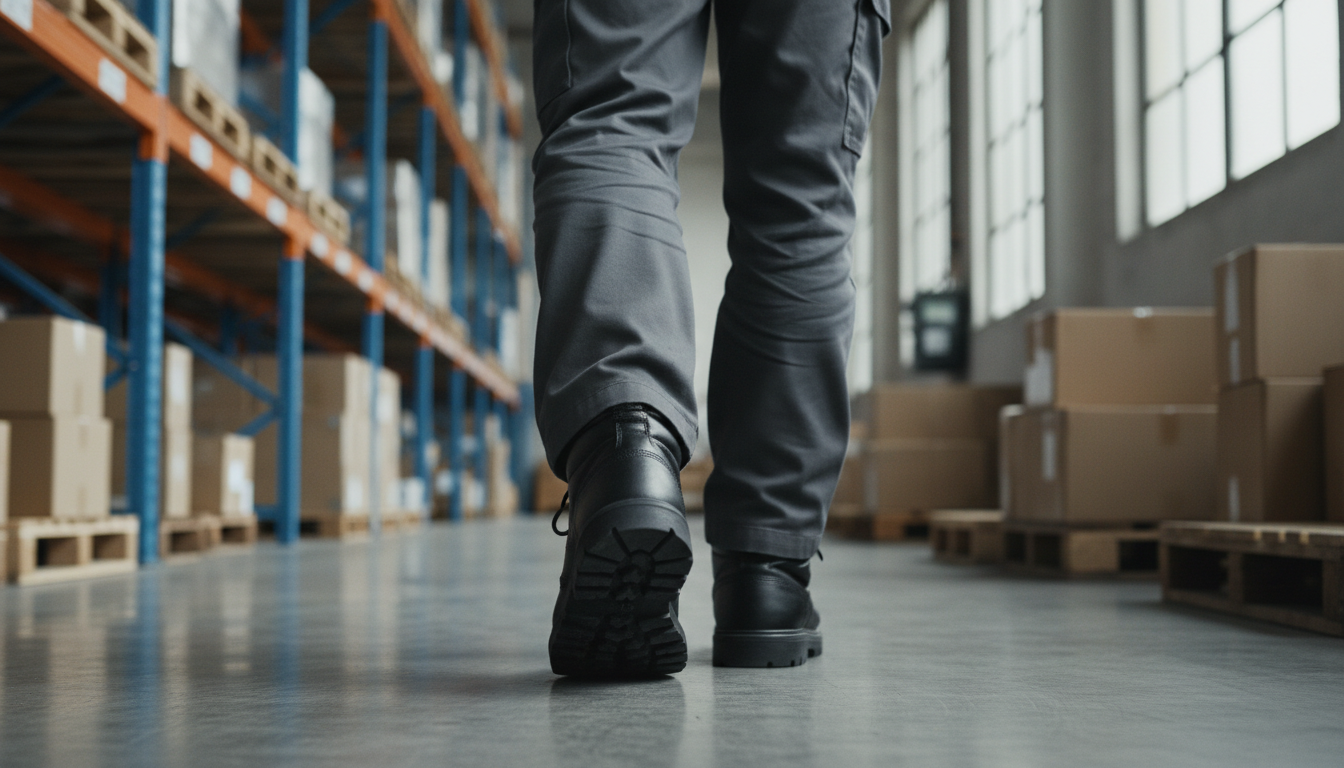
Warehouse workers face unique physical challenges that many office employees never encounter. Standing for eight to twelve hours per shift, walking miles across concrete floors, and constantly lifting heavy objects takes a serious toll on the feet and ankles. According to recent occupational health studies, foot and ankle strain represents one of the most common complaints among warehouse personnel, often leading to chronic conditions that affect quality of life both on and off the job.
The good news is thatfoot and ankle strain doesn’t have to be an inevitable part of warehouse work. By implementing proven strategies and making informed choices about footwear and support systems, workers can significantly reduce discomfort and prevent long-term damage. This comprehensive guide explores practical, actionable steps that warehouse employees can take to protect their feet and ankles while maintaining productivity and comfort throughout demanding shifts.
Understanding the Root Causes of Foot and Ankle Strain in Warehouse Environments
Before addressing solutions, it’s essential to understand why warehouse work is so taxing on the lower extremities. The primary culprit is the combination of prolonged standing on hard surfaces and repetitive movements. Concrete flooring, which is standard in most warehouse facilities, offers virtually no shock absorption. Every step sends impact forces directly through the feet, ankles, knees, and up the entire skeletal system.
Additionally, warehouse workers rarely stand still. The constant walking, often while carrying or pushing heavy loads, places continuous stress on the plantar fascia—the thick band of tissue running along the bottom of the foot. This repetitive strain can lead to conditions like plantar fasciitis, heel spurs, and Morton’s neuroma. Workers who already have foot conditions or structural issues such as flat feet or high arches face even greater challenges in these demanding environments.
Temperature fluctuations and the requirement to wear safety footwear can compound these problems. Steel-toed boots, while necessary for protection, often lack proper arch support and cushioning. Understanding these fundamental challenges helps workers make informed decisions about protective measures and lifestyle adjustments that can make a meaningful difference.
Choosing the Best Shoes for Plantar Fasciitis and Morton’s Neuroma
Footwear selection represents the single most important factor in preventing and managing foot strain. For warehouse workers dealing with or trying to prevent plantar fasciitis, the best shoes for plantar fasciitis feature several critical characteristics: exceptional arch support, cushioned heel cups, and shock-absorbing midsoles. These elements work together to reduce the stress placed on the plantar fascia with each step.
Workers suffering from Morton’s neuroma—a painful condition affecting the nerves between the toes—require comfortable shoes for Morton’s neuroma with specific design features. The best shoes for Morton’s neuroma include a wide toe box that prevents compression of the forefoot, cushioned insoles that reduce pressure points, and adequate depth to accommodate any orthotic inserts. Many workers find that wide shoes for Morton’s neuroma provide the extra room needed to eliminate pinching and irritation throughout long shifts.
When selecting shoes for Morton’s neuroma or plantar fasciitis, prioritize these features:
- Removable insoles that allow for custom orthotic insertion
- Firm heel counters that stabilize the ankle and control motion
- Flexible forefoot areas that accommodate natural toe splay
- Breathable materials that prevent excessive moisture buildup
- Slip-resistant outsoles that meet warehouse safety requirements
- Adequate cushioning in high-impact zones
For those seeking relief after shifts, investing in the best slippers for plantar fasciitis can provide therapeutic benefits during recovery time. Quality recovery footwear with proper arch support helps maintain proper foot alignment even when relaxing at home, promoting faster healing and reducing morning pain.
The Critical Role of Custom Orthotics and Supportive Insoles
Even the best warehouse-appropriate footwear often benefits from enhanced support through orthotic inserts. Custom orthotics are specially designed devices that correct biomechanical imbalances and redistribute pressure across the foot. For warehouse workers with specific foot conditions or structural abnormalities, searching for “custom orthotics near me” or “orthotics near me” can connect them with podiatrists or orthotists who can create personalized solutions.
While custom orthotics provide the most precise support, high-quality over-the-counter orthotic insoles offer significant benefits at a more accessible price point. These insoles are specifically engineered to provide targeted support for common conditions like plantar fasciitis and can transform standard work boots into supportive footwear for plantar fasciitis. When selecting orthotic insoles for warehouse work, look for products designed for high-impact activities with reinforced arch support and deep heel cups.
For workers seeking an effective solution that combines professional-grade support with convenience, the New Work Orthotics Insoles designed specifically for plantar fasciitis relief offer an excellent balance of support, durability, and comfort. These insoles feature targeted arch support and shock-absorbing materials that address the unique demands of warehouse environments, helping to transform your existing safety footwear into therapeutic heel pain support shoes.
Daily Practices and Movement Strategies to Minimize Strain
Proper footwear and orthotics form the foundation of foot health, but daily habits and movement patterns play equally important roles. Warehouse workers should implement these practical strategies throughout their shifts:
- Perform pre-shift foot and ankle exercises: Spend five minutes before clocking in doing toe curls, ankle rotations, and calf stretches to warm up the muscles and increase blood flow.
- Maintain proper posture while standing: Distribute weight evenly between both feet, keep knees slightly bent, and avoid locking the joints during prolonged standing periods.
- Alternate between tasks when possible: If your role allows flexibility, rotate between walking-intensive and more stationary tasks to vary the stress patterns on your feet.
- Use anti-fatigue mats in stationary work areas: If you work at a packing station or similar fixed location, request anti-fatigue mats that provide cushioning and encourage subtle movements.
- Take micro-breaks for foot relief: During brief pauses, roll your feet over a water bottle or tennis ball to massage the plantar fascia and relieve tension.
- Elevate feet during breaks: Whenever possible during lunch or rest periods, elevate your feet above heart level to reduce swelling and improve circulation.
- Stay properly hydrated: Adequate hydration helps maintain tissue elasticity and reduces inflammation throughout the body, including the feet and ankles.
These practices require minimal time investment but deliver significant returns in comfort and injury prevention. Consistency is key—making these strategies part of your daily routine creates cumulative benefits that become more noticeable over time.
Selecting the Best Walking Shoes for Plantar Fasciitis During Long Warehouse Shifts
Warehouse work involves considerably more walking than most people realize. Workers routinely cover five to fifteen miles per shift, making the selection of best walking shoes for plantar fasciitis critically important. The ideal plantar fasciitis footwear for walking-intensive warehouse roles differs slightly from shoes designed primarily for standing.
The best walking shoes for plantar fasciitis in warehouse settings should feature enhanced flexibility in the forefoot to accommodate the rolling motion of the gait cycle while maintaining rigid support through the midfoot and arch. This combination allows natural movement while preventing the excessive pronation that aggravates plantar fasciitis. Additionally, lightweight construction reduces fatigue without compromising the protective features required in industrial environments.
Heel spur support shoes and heel pain support shoes designed for walking should include extra cushioning in the heel strike zone—the area that first contacts the ground with each step. Gel or foam heel inserts absorb shock at the moment of greatest impact, protecting both the heel bone and the plantar fascia attachment point where heel spurs commonly develop.
Recovery Strategies and After-Work Foot Care
What warehouse workers do after their shifts significantly impacts how their feet feel the next day. Implementing a structured recovery routine helps accelerate healing, reduce inflammation, and prepare the body for the next work period. The following recovery strategies are particularly effective:
Ice therapy remains one of the most effective anti-inflammatory treatments. After removing work boots, apply ice packs to the bottoms of the feet for 15-20 minutes to reduce swelling and numb pain. Alternatively, rolling the feet over a frozen water bottle combines massage with cold therapy for dual benefits.
Contrast baths—alternating between warm and cold water immersion—stimulate circulation and help flush inflammatory compounds from tired tissues. Fill two basins, one with warm water and one with cold, and alternate soaking your feet for three minutes in each, repeating the cycle three to four times.
Nighttime stretching and strengthening exercises help maintain flexibility and build the intrinsic foot muscles that support the arch. Towel scrunches, marble pickups with the toes, and alphabet drawing with the foot all strengthen these important stabilizing muscles. Gentle stretching of the calves and plantar fascia before bed can also prevent the morning stiffness that many warehouse workers experience.
Finally, wearing supportive recovery footwear at home—such as the best slippers for plantar fasciitis—prevents the setbacks that occur when workers walk barefoot on hard home flooring. Quality recovery slippers maintain the therapeutic positioning achieved during the workday, accelerating healing and reducing discomfort.
When to Seek Professional Medical Intervention
While self-care strategies and proper footwear solve most foot and ankle issues, certain symptoms warrant professional medical evaluation. Warehouse workers should consult a podiatrist or sports medicine physician if they experience persistent pain lasting more than two weeks despite implementing protective measures, sudden sharp pain that interferes with walking, visible swelling or discoloration, numbness or tingling in the feet or toes, or pain that worsens progressively rather than improving with rest.
Medical professionals can provide accurate diagnoses, prescribe custom orthotics tailored to your specific biomechanics, recommend physical therapy protocols, and in some cases, suggest medical interventions such as corticosteroid injections or extracorporeal shockwave therapy. Early intervention prevents acute conditions from becoming chronic problems that require more aggressive treatment or time away from work.
Conclusion: Taking Control of Your Foot Health
Warehouse work doesn’t have to mean accepting foot and ankle pain as an unavoidable occupational hazard. By making informed choices about supportive footwear for plantar fasciitis, incorporating quality orthotic support, practicing proper movement mechanics, and implementing effective recovery strategies, workers can dramatically reduce strain and prevent chronic conditions from developing.
The investment in proper shoes for Morton’s neuroma, heel pain support shoes, and quality orthotic insoles pays dividends not only in immediate comfort but also in long-term musculoskeletal health. Your feet are your foundation—protecting them protects your entire body and ensures you can maintain productivity and quality of life both during and after your warehouse career.
Start with one or two changes from this guide, whether that’s upgrading your footwear, adding supportive insoles, or implementing a post-shift recovery routine. Small, consistent improvements accumulate into significant results. Your feet carry you through thousands of miles each year in the warehouse—they deserve the care and attention that will keep them healthy for decades to come.