
Why Foot Position Matters During Repetitive Work Tasks: The Complete Guide to Comfort and Injury Prevention
July 1, 2026
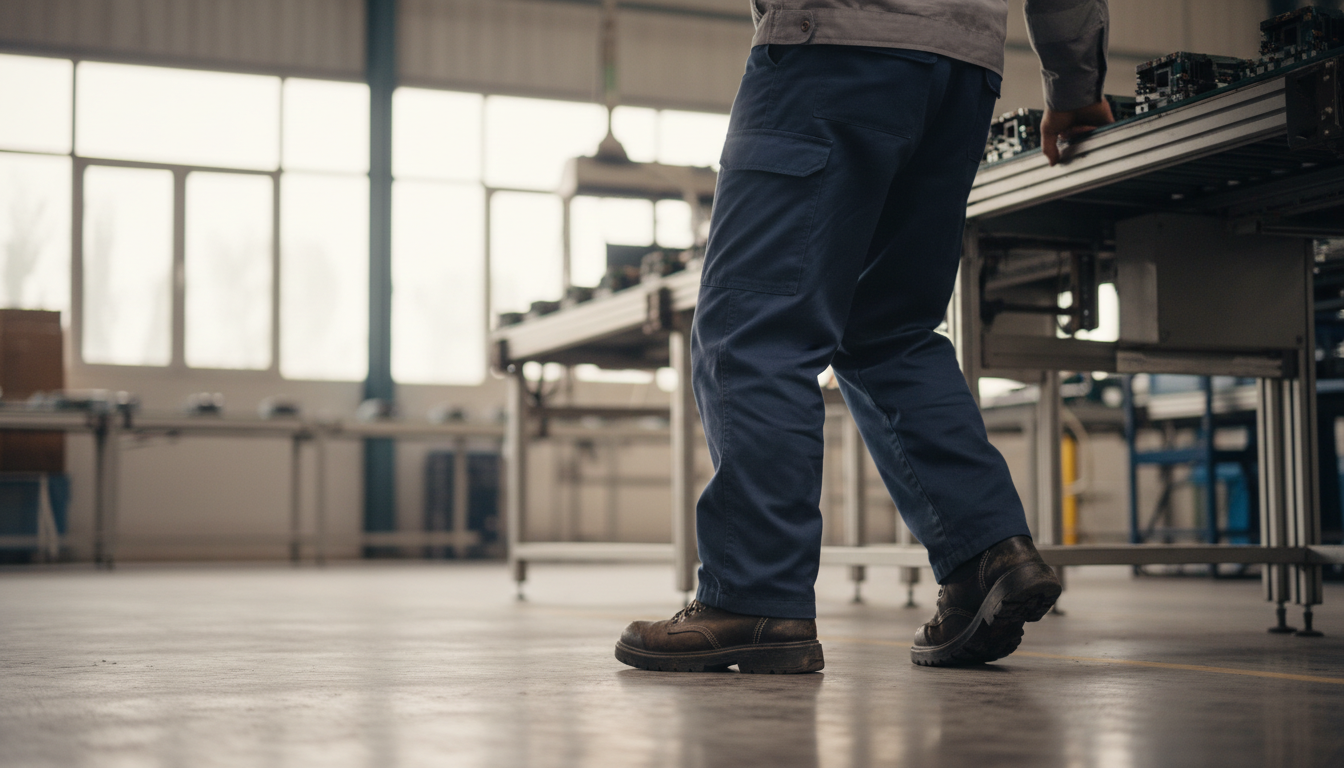
In today’s demanding work environment, millions of professionals spend hours performing repetitive tasks while standing or moving. Whether you’re working on an assembly line, staffing a retail counter, or performing surgical procedures, the position of your feet plays a crucial role in your overall health, comfort, and productivity. Yet, foot positioning remains one of the most overlooked aspects of workplace ergonomics, leading to chronic pain, reduced efficiency, and long-term musculoskeletal problems.
Understanding how proper foot placement affects your body can transform your work experience and protect you from debilitating conditions like plantar fasciitis, Morton’s neuroma, and heel spurs. This comprehensive guide explores the science behind foot positioning, the risks of improper stance, and practical solutions to optimize your comfort during repetitive work tasks.
The Biomechanics of Foot Position During Work
Your feet serve as the foundation for your entire body, supporting your weight and facilitating movement throughout the workday. When you maintain proper foot position, your body weight distributes evenly across the foot’s natural arch system, allowing the muscles, tendons, and ligaments to function as intended. This balanced distribution minimizes stress on any single structure and promotes efficient energy transfer during movement.
Poor foot positioning, however, creates a cascade of problems throughout your kinetic chain. When your feet roll inward (overpronation) or outward (supination), the misalignment travels upward through your ankles, knees, hips, and spine. During repetitive tasks, these misalignments compound with each movement, accelerating wear on joints and soft tissues. The repetitive nature of many work tasks means that even minor positioning errors can result in significant cumulative trauma over weeks and months.
The plantar fascia, a thick band of tissue running along the bottom of your foot, becomes particularly vulnerable during repetitive work. Improper foot positioning places excessive tension on this structure, leading to micro-tears and inflammation. This is why plantar fasciitis footwear and proper foot positioning go hand-in-hand for workers in standing occupations.
Common Foot Positioning Mistakes in Repetitive Work Environments
Understanding the most frequent errors can help you identify and correct your own positioning habits. Many workers unknowingly adopt harmful stances that feel comfortable in the short term but cause significant damage over time.
- Locked knees with weight on heels: This stance seems restful but places excessive pressure on the heel and reduces shock absorption, contributing to heel spur development and requiring heel pain support shoes for relief.
- Uneven weight distribution: Favoring one foot over the other creates muscular imbalances and accelerates degeneration in the overloaded structures.
- Toes pointing excessively inward or outward: This rotational misalignment stresses the ankles and knees while compromising balance and stability.
- Standing with feet too close together: This narrow base of support increases instability and forces constant micro-adjustments that fatigue muscles.
- Consistently pivoting on the same foot: Repetitive rotational forces concentrated on one foot can lead to conditions like Morton’s neuroma, making comfortable shoes for Morton’s neuroma essential for affected workers.
The Hidden Costs of Poor Foot Positioning
The consequences of improper foot placement extend far beyond immediate discomfort. Workers who ignore foot positioning often experience a progressive decline in their occupational health, leading to reduced productivity, increased absenteeism, and potential career-limiting injuries.
Plantar fasciitis represents one of the most common conditions resulting from poor foot mechanics during repetitive work. This painful inflammation of the plantar fascia typically manifests as sharp heel pain, especially during the first steps in the morning or after prolonged standing. Workers suffering from plantar fasciitis often require best shoes for plantar fasciitis and may benefit from supportive footwear for plantar fasciitis to continue working comfortably.
Morton’s neuroma, another frequent condition among workers in repetitive occupations, develops when nerves between the metatarsal bones become compressed and irritated. This condition causes burning pain, numbness, and the sensation of standing on a pebble. Proper foot positioning combined with wide shoes for Morton’s neuroma can prevent this nerve compression, while those already affected need best shoes for Morton’s neuroma to manage symptoms effectively.
Beyond these specific conditions, chronic poor positioning contributes to general foot fatigue, reduced balance and coordination, increased risk of workplace falls, and compensatory problems in the knees, hips, and lower back. The economic impact includes lost work time, medical expenses, and potential workers’ compensation claims.
Optimal Foot Positioning Strategies for Repetitive Work
Implementing proper foot positioning techniques requires conscious effort initially, but these practices become automatic with consistent practice. The following strategies provide a framework for protecting your feet during repetitive work tasks.
- Maintain a shoulder-width stance: Position your feet approximately shoulder-width apart to create a stable base of support. This spacing allows natural weight distribution and reduces the need for constant balance corrections.
- Keep knees slightly bent: Avoid locking your knees by maintaining a slight flex. This soft knee position activates supporting muscles and improves shock absorption throughout your legs.
- Distribute weight evenly: Consciously balance your weight across both feet and across the entire surface of each foot. Regularly check in with your body to ensure you haven’t shifted weight predominantly to one side.
- Align toes forward: Point your toes straight ahead or with a slight natural turnout (no more than 10-15 degrees). This alignment optimizes the mechanical advantage of your leg muscles and reduces joint stress.
- Engage your core: Maintain gentle abdominal muscle activation to support your spine and improve overall postural alignment from your feet upward.
- Shift positions regularly: Even with perfect positioning, static standing creates fatigue. Shift your weight between feet, take micro-breaks to walk a few steps, and use foot rails or stools when available.
- Use anti-fatigue mats: These specialized surfaces provide cushioning and encourage subtle foot movements that improve circulation and reduce fatigue during stationary tasks.
The Critical Role of Proper Footwear and Support
Even with perfect foot positioning technique, inadequate footwear undermines your efforts and accelerates injury development. Best walking shoes for plantar fasciitis and other supportive options provide the foundation your positioning strategy needs to succeed.
Quality work footwear should include several essential features: firm heel counters that prevent excessive motion, adequate arch support matching your foot type, cushioned midsoles for shock absorption, and sufficient toe box width to prevent compression. For workers with specific conditions, specialized options like shoes for Morton’s neuroma or heel spur support shoes address particular biomechanical needs.
Many workers find that standard footwear, even high-quality options, doesn’t provide adequate support for their unique foot structure. Custom orthotics offer personalized solutions that correct individual biomechanical issues. If you’re experiencing persistent foot pain despite proper positioning, searching for custom orthotics near me or orthotics near me can connect you with professionals who create precisely fitted supports for your feet.
For those seeking an accessible solution to improve foot positioning and comfort during repetitive work, quality insoles provide significant benefits. If you’re ready to experience the difference that proper support makes, explore these work orthotics insoles designed specifically for plantar fasciitis and workplace comfort. These insoles deliver targeted arch support and cushioning that complement proper foot positioning techniques.
Implementing a Comprehensive Foot Health Strategy at Work
Protecting your feet during repetitive work requires more than isolated interventions. A holistic approach combining positioning, footwear, and lifestyle factors delivers the best long-term results.
Start by conducting a personal ergonomic assessment of your workstation. Identify factors that force awkward foot positions, such as inappropriately positioned equipment, obstacles that limit stance width, or slippery flooring that compromises stability. Address these environmental issues while developing your personal positioning skills.
Incorporate foot and lower leg strengthening exercises into your routine. Strong intrinsic foot muscles better maintain proper arch position, while strong calves and tibialis muscles support optimal ankle alignment. Simple exercises like toe curls, heel raises, and ankle circles can be performed during breaks or at home.
Don’t ignore early warning signs of problems. Persistent discomfort, morning stiffness, or gradual changes in your gait indicate developing issues that require intervention. Early action prevents minor problems from becoming chronic conditions requiring extensive treatment. Consider consulting a podiatrist, physical therapist, or orthotic specialist if self-care measures don’t resolve symptoms within two weeks.
Conclusion: Your Feet Deserve Priority Attention
Foot position during repetitive work tasks represents a critical but often neglected aspect of occupational health. The biomechanical principles governing proper foot placement aren’t complicated, but their impact on your comfort, efficiency, and long-term wellbeing cannot be overstated. By understanding the connection between foot positioning and conditions like plantar fasciitis and Morton’s neuroma, you can take proactive steps to protect yourself.
Implementing the positioning strategies outlined in this guide requires initial mindfulness, but these techniques quickly become habitual. Combined with appropriate footwear—whether best slippers for plantar fasciitis for home recovery, specialized work shoes, or supportive insoles—proper foot positioning transforms your work experience from painful endurance to comfortable productivity.
Your feet carry you through thousands of repetitive movements each workday. They deserve the same attention and care you give to other aspects of workplace safety and ergonomics. Start today by evaluating your current foot positioning habits, investing in quality supportive footwear, and committing to the small adjustments that yield significant long-term benefits. Your feet, knees, hips, and back will thank you for decades to come.