
How Long Shifts Affect Your Feet Differently Than Exercise: Understanding Flat Feet Pain and the Need for Arch Support
June 21, 2026
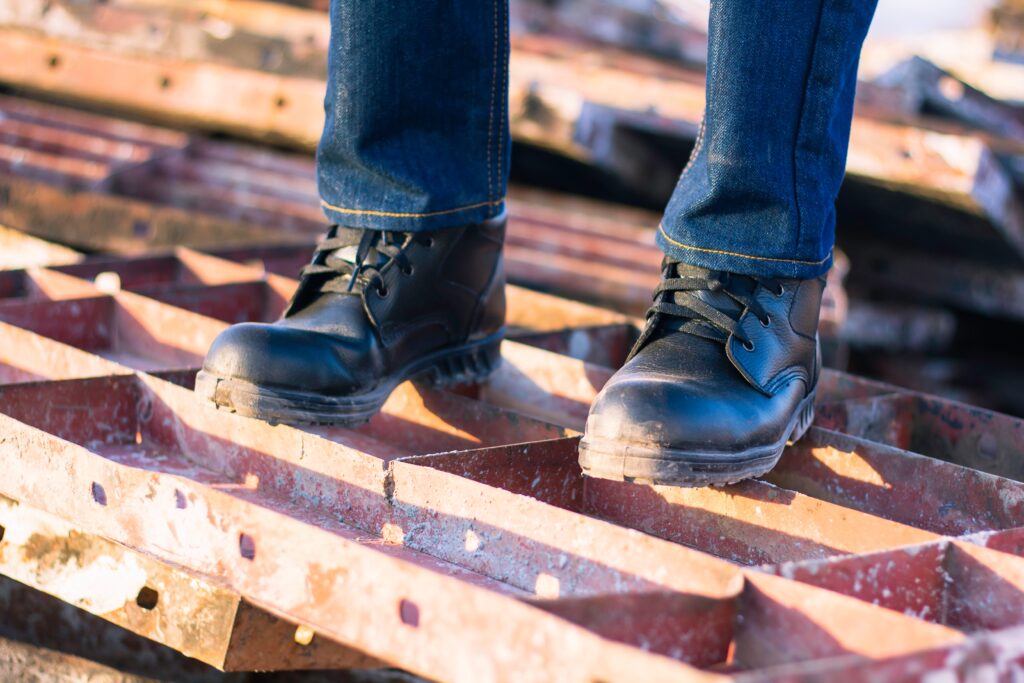
Anyone who has completed a double shift at work knows the deep, aching exhaustion that settles into your feet by the end of the day. Interestingly, this feeling is markedly different from the fatigue experienced after a long run or intense gym session. While both activities keep you on your feet for extended periods, the physiological impact on your body—particularly your feet—varies significantly. Understanding these differences is crucial for choosing the right footwear support, whether you need arch support slippers for women after a long day or specialized insoles to prevent injury during your shift.
This comprehensive guide explores why standing and walking during work shifts affects your feet differently than exercise does, and more importantly, why both scenarios demand proper foot support to maintain long-term health and comfort.
The Biomechanics of Standing: Why Work Shifts Take a Unique Toll
When you stand in place for hours during a work shift—whether you’re a nurse, retail worker, or chef—your feet experience sustained, static pressure. Unlike the dynamic movement of exercise, standing requires your muscles to maintain constant tension to keep you upright and balanced. This creates a different type of fatigue that targets specific muscle groups and pressure points on your feet.
The arch of your foot, in particular, bears tremendous load during prolonged standing. For those with flat feet, this pressure becomes even more pronounced, leading to flat feet pain that radiates through the ankles, knees, and even the lower back. Without adequate arch support, the plantar fascia—the thick band of tissue running along the bottom of your foot—becomes overstretched and inflamed.
Additionally, standing restricts blood circulation in your lower extremities. Without the pumping action that walking or running provides, blood pools in your feet and legs, leading to swelling, heaviness, and that characteristic end-of-shift ache. This circulatory challenge doesn’t occur to the same degree during exercise, where continuous movement helps maintain healthy blood flow.
Exercise-Related Foot Fatigue: The Runner’s Experience
In contrast, exercise like running involves repetitive, dynamic movements that create impact forces several times your body weight with each footstrike. A condition commonly known as runners foot encompasses various overuse injuries including plantar fasciitis, stress fractures, and metatarsalgia—all resulting from repetitive impact rather than static pressure.
During exercise, your feet move through their full range of motion. Your muscles contract and relax in coordinated patterns, your joints articulate fully, and your cardiovascular system works efficiently to deliver oxygen and nutrients while removing metabolic waste. This dynamic process, while demanding, allows for natural muscle recovery cycles even during the activity itself.
The type of fatigue experienced during and after exercise is often accompanied by a sense of accomplishment and endorphin release. The soreness that follows is typically related to muscle fiber breakdown and rebuilding—a constructive process that leads to strength gains. Work-related foot fatigue, however, offers no such physiological benefits and can lead to chronic pain conditions if not properly addressed.
Why Both Scenarios Require Specialized Foot Support
Despite their differences, both long work shifts and exercise sessions place significant demands on your feet that require proactive support strategies. The key is understanding that different activities require different types of support.
For work shifts, the priority is cushioning, arch support, and fatigue resistance over extended periods of standing or walking. For exercise, the focus shifts to shock absorption, stability during dynamic movements, and protection against repetitive impact. Many people make the mistake of using the same footwear or insoles for both purposes, leading to suboptimal support in one or both scenarios.
Key Differences Between Work Fatigue and Exercise Fatigue
To better understand why your feet need different types of care, consider these fundamental differences:
- Movement patterns: Work involves prolonged standing or slow walking, while exercise features dynamic, varied movements with higher intensity bursts.
- Impact forces: Standing creates sustained pressure on specific points, whereas running generates repetitive shock waves throughout the foot structure.
- Circulation dynamics: Static positions during work shifts impede blood flow, while exercise promotes healthy circulation through muscle pumping action.
- Muscle engagement: Work shifts cause isometric muscle fatigue from maintaining posture, while exercise creates concentric and eccentric muscle contractions.
- Recovery signaling: Exercise fatigue includes beneficial inflammation that promotes adaptation, while work fatigue often represents pure wear without productive recovery.
- Mental component: Exercise is typically voluntary and goal-directed, while work-related standing is obligatory and can increase perceived discomfort.
The Critical Role of Insoles for Different Foot Types
Whether you’re dealing with work shifts or exercise routines, proper insole selection can make a dramatic difference in comfort and injury prevention. For individuals with flat feet, flat feet insoles provide the crucial arch support that their foot structure lacks naturally. These insoles help redistribute pressure more evenly across the foot and maintain proper alignment of the ankle and knee joints.
The market offers numerous options, from hey dude insoles designed for casual comfort to performance insoles engineered for athletic activities. Selecting the right insole depends on your specific needs, foot structure, and the primary activity you’re supporting. Some people even benefit from having multiple pairs—one optimized for work shoes and another for athletic footwear.
For those dealing with shoes that fit slightly large, insoles for sneakers too big serve a dual purpose: they take up extra volume to improve fit while simultaneously providing cushioning and support. This is particularly important because poorly fitting shoes contribute significantly to foot fatigue regardless of whether you’re standing at work or running marathons.
Practical Solutions for Managing Both Types of Foot Fatigue
Addressing foot health requires a comprehensive approach that acknowledges the different demands placed on your feet throughout your day. Here are evidence-based strategies to protect your feet in both work and exercise contexts:
- Invest in activity-specific footwear: Your work shoes should prioritize cushioning and arch support, while athletic shoes should focus on the specific demands of your chosen sport or exercise.
- Use targeted insoles: Don’t rely on factory insoles—upgrade to specialized options that address your unique foot structure and the specific stresses you encounter. To experience professional-grade support designed specifically for long work shifts, explore these work comfort insoles engineered to reduce fatigue during those grueling hours on your feet.
- Implement compression strategies: Compression socks can significantly improve circulation during long shifts, reducing swelling and end-of-day fatigue.
- Practice foot exercises: Strengthen your intrinsic foot muscles with exercises like toe curls, arch lifts, and marble pickups to build natural support structures.
- Schedule recovery time: After both work shifts and exercise sessions, elevate your feet, apply ice to inflamed areas, and give yourself adequate rest before the next demanding period.
- Consider orthotics: For chronic pain or significant structural issues, custom orthotics prescribed by a podiatrist may provide the most effective long-term solution.
- Rotate your footwear: Don’t wear the same pair of shoes every day—rotation allows materials to decompress and maintains their supportive properties longer.
Recognizing When Your Feet Need More Support
Your feet communicate their needs through various signals that shouldn’t be ignored. Pain at the end of a work shift that doesn’t resolve with rest may indicate inadequate support in your work footwear. Similarly, persistent discomfort during or after exercise sessions suggests your athletic shoes or insoles aren’t meeting your needs.
Common warning signs include sharp heel pain when taking your first steps in the morning (a classic symptom of plantar fasciitis), burning sensations in the ball of your foot, numbness or tingling in your toes, or pain that radiates up into your ankles or knees. These symptoms indicate that the structures of your feet are being overstressed and require intervention before temporary discomfort becomes chronic injury.
For healthcare workers, teachers, retail employees, and others whose occupations demand extended standing, investing in proper foot support isn’t a luxury—it’s a necessity for career longevity. The same principle applies to regular exercisers and athletes who want to maintain their activity levels without developing overuse injuries.
Finding Comfort at the End of Every Day
After understanding how differently work shifts and exercise affect your feet, you can appreciate why recovery looks different for each scenario. Following a work shift, your feet crave relief from sustained pressure and restricted circulation. This is when arch support slippers for women and men become invaluable—they provide continued support while allowing your feet to relax in a less structured environment.
After exercise, your recovery protocol might include ice baths, massage, stretching, and gradually transitioning from athletic shoes to supportive casual footwear. The key is never transitioning directly to unsupportive footwear like flip-flops or completely flat slippers, which can undo the benefits of proper support during your activities.
Conclusion: Protecting Your Foundation with the Right Support
Your feet are the foundation of your body, supporting you through both obligatory work demands and voluntary exercise pursuits. Understanding that long shifts and exercise affect your feet differently empowers you to make informed decisions about footwear, insoles, and recovery strategies tailored to each situation.
Whether you’re combating flat feet pain during a hospital shift, managing runners foot during marathon training, or simply trying to make it through your retail workday without limping, the solution begins with acknowledging that your feet need specialized support for different activities. Don’t accept chronic foot pain as an inevitable consequence of your lifestyle—with the right combination of supportive footwear, quality insoles, and recovery practices, you can protect your feet and maintain comfort throughout all your daily activities.
Remember that investing in your foot health today prevents costly medical interventions tomorrow. Your feet carry you through life—give them the support they deserve, whether you’re standing through a double shift or crossing the finish line of your next race.