
The Hidden Fatigue of Standing Without Movement: Why Staying Still Hurts More Than Walking
June 12, 2026
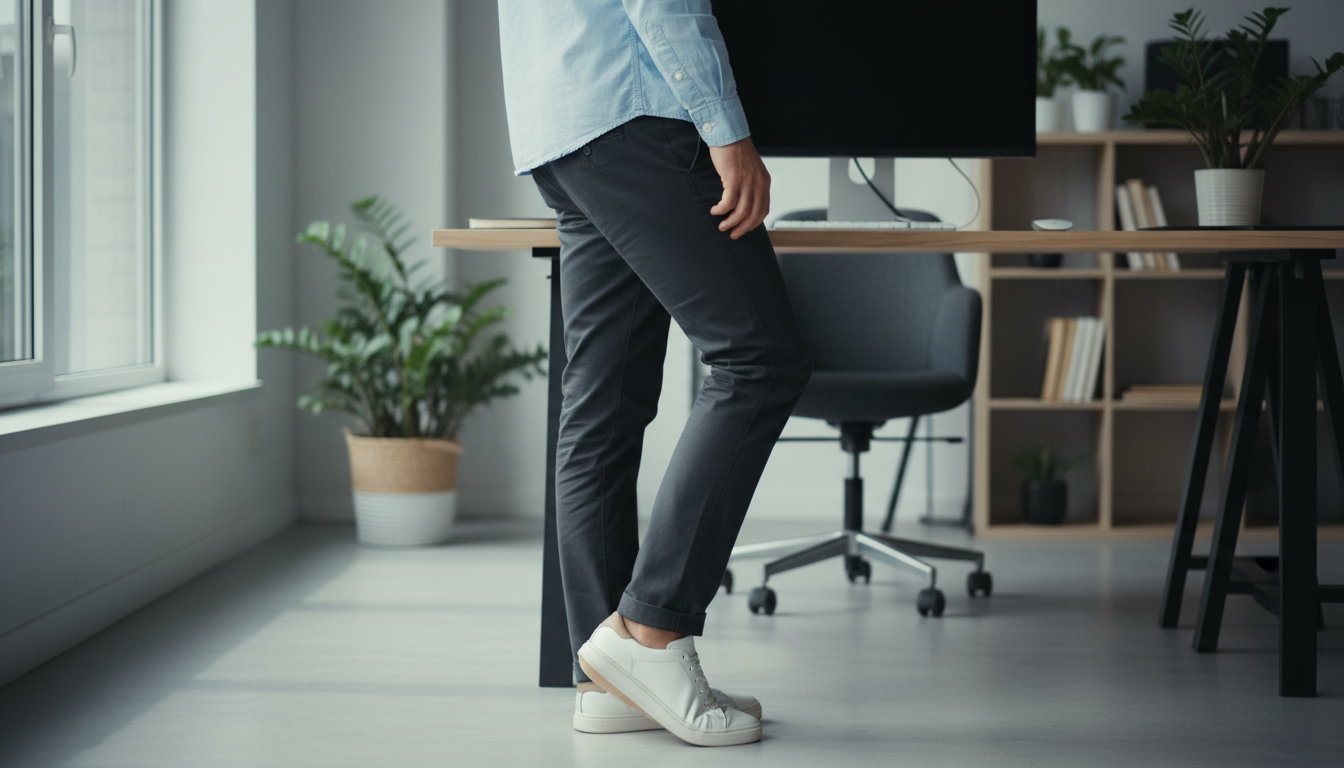
Have you ever noticed that standing in one place for an extended period feels far more exhausting than taking a long walk? Whether you’re waiting in line, working at a standing desk, or attending an event, the hidden fatigue of standing without movement can leave your legs aching, your back throbbing, and your entire body feeling drained. This phenomenon puzzles many people who assume that standing still should be less taxing than active movement. The reality, however, tells a completely different story.
Understanding why static standing creates such profound discomfort is essential for anyone who spends significant time on their feet. From retail workers to healthcare professionals, teachers to factory employees, millions of people experience this debilitating fatigue daily. This article reveals the physiological mechanisms behind standing fatigue, explores its connection to common foot problems like plantar fasciitis, ankle pain, and pain in ball of foot when walking, and offers practical solutions to combat this often-overlooked health concern.
The Physiology Behind Standing Fatigue
When you stand without moving, your body faces a unique cardiovascular challenge. Unlike walking, where muscle contractions in your legs act as pumps to push blood back toward your heart, static standing forces your circulatory system to work against gravity without assistance. This creates a pooling effect in the lower extremities, leading to reduced oxygen delivery to muscles and increased metabolic waste accumulation.
Your heart must work significantly harder to maintain proper circulation during prolonged static standing. The lack of muscle engagement means blood vessels in your legs don’t receive the rhythmic compression that normally assists venous return. As a result, fluid accumulates in the tissues, causing swelling, discomfort, and that characteristic heavy feeling in your legs and feet.
Additionally, maintaining an upright posture requires constant micro-adjustments from numerous muscle groups throughout your body. Your calves, thighs, core, and back muscles all fire continuously to keep you balanced and stable. Without the variation in muscle engagement that walking provides, these muscles experience sustained tension without relief, leading to premature fatigue and discomfort.
How Standing Still Affects Your Feet and Ankles
The impact of prolonged static standing on your feet cannot be overstated. When you remain motionless, your body weight concentrates on specific pressure points, particularly the forefoot and heel areas. This constant compression can aggravate existing conditions or create new problems, especially for those already dealing with ankle pain or foot discomfort.
Issues related to pronation and overpronation become more pronounced during extended standing periods. Without the dynamic movement patterns of walking that allow your feet to naturally distribute forces, overpronation can cause your arches to collapse under sustained pressure. This misalignment travels up the kinetic chain, potentially contributing to knee, hip, and best shoes for back pain concerns.
People who suffer from conditions like plantar fasciitis often find their symptoms intensify during prolonged standing. The plantar fascia, that thick band of tissue running along the bottom of your foot, experiences continuous stretching without the recovery intervals that walking provides. Finding the best plantar fasciitis shoes becomes crucial for anyone whose work or lifestyle demands extended periods on their feet.
Common Conditions Exacerbated by Static Standing
Several foot and leg conditions become significantly worse when you stand without movement. Understanding these connections helps explain why proper footwear and support systems are so critical:
- Plantar Fasciitis: The continuous tension on the plantar fascia without relief leads to inflammation and micro-tears in the tissue.
- Neuropathy: Reduced circulation and nerve compression intensify numbness, tingling, and burning sensations, making the best shoes for neuropathy essential for symptom management.
- Metatarsalgia: This condition causes sharp pain in the ball of the foot and worsens dramatically during prolonged standing as pressure concentrates on the metatarsal heads.
- Varicose Veins: Blood pooling in leg veins creates visible bulging and discomfort that compounds over time.
- Lower Back Pain: Poor posture compensation and muscle fatigue in the legs force the back to work harder, creating or worsening back problems.
The Walking Advantage: Why Movement Makes a Difference
Walking transforms the equation entirely. Even gentle movement engages your calf muscles rhythmically, creating what physiologists call the “muscle pump” or “second heart” effect. Each step compresses veins in your legs, pushing blood upward against gravity and preventing the pooling that occurs during static standing.
This dynamic movement also distributes pressure across different areas of your feet throughout the gait cycle. Your heel strikes, your arch engages, your forefoot pushes off—this variation prevents any single area from bearing concentrated pressure for extended periods. This is why activities like a what is a turkey trot event or recovery trekking can actually feel less taxing than standing in place for the same duration.
Walking provides natural breaks for muscle groups, allowing different fibers to activate and rest in rotation. This variation prevents the sustained tension that leads to premature fatigue during static standing. The body was designed for movement, and even modest activity levels significantly reduce discomfort compared to remaining motionless.
Footwear Solutions and Support Systems
Choosing appropriate footwear becomes paramount when you must stand for extended periods. The right shoes can dramatically reduce fatigue and prevent the development of chronic pain conditions. Key features to look for include:
- Arch Support: Proper arch support prevents collapse and maintains natural foot alignment, reducing strain on the plantar fascia and other structures.
- Cushioning: Adequate padding in the heel and forefoot distributes pressure more evenly and absorbs shock that would otherwise stress joints and tissues.
- Stability Features: Shoes that control excessive pronation help maintain proper alignment throughout the entire lower body.
- Roomy Toe Box: Space for toes to spread naturally prevents compression and allows proper circulation.
- Appropriate Fit: Understanding factors like how tight should trail shoes be applies to all footwear—too tight restricts circulation while too loose causes friction and instability.
Beyond shoes themselves, orthotic insoles provide customizable support that addresses individual biomechanical needs. Quality inserts can transform inadequate footwear into supportive solutions for standing fatigue. If you’re experiencing foot pain, back discomfort, or leg fatigue from prolonged standing, consider investing in specialized comfort orthotics designed specifically for work and extended standing to provide the support your feet desperately need.
Practical Strategies to Combat Standing Fatigue
While proper footwear forms the foundation of comfort during prolonged standing, several complementary strategies can further reduce fatigue and discomfort. Implementing these techniques creates a comprehensive approach to managing the challenges of static standing:
Weight Shifting: Consciously transfer your weight from one leg to the other every few minutes. This simple adjustment reduces sustained pressure on any single area and provides brief recovery periods for muscles and tissues.
Foot Exercises: Perform periodic calf raises, toe curls, and ankle circles to activate the muscle pump and maintain circulation. These micro-movements can be done subtly without drawing attention in professional environments.
Anti-Fatigue Mats: Standing on cushioned surfaces that encourage subtle movements reduces pressure points and maintains better circulation compared to hard flooring.
Posture Awareness: Maintain proper alignment with shoulders back, core engaged, and weight distributed evenly across both feet. Poor posture compounds fatigue by forcing muscles to compensate inefficiently.
Scheduled Movement Breaks: Whenever possible, incorporate brief walking periods into your routine. Even a one-minute walk every 30 minutes significantly reduces cumulative fatigue.
The Connection to Active Recovery and Sustainability
The principles that make walking less fatiguing than standing still apply broadly to concepts like hiking sustainability and active recovery. Your body thrives on varied, moderate-intensity movement rather than extreme exertion or complete stillness. This understanding informs everything from workplace ergonomics to athletic training protocols.
When planning physical activities, whether professional obligations or recreational pursuits, building in movement variation protects against the specific fatigue patterns that static positions create. This approach to recovery trekking and similar activities emphasizes gentle, consistent movement that supports circulation and prevents the muscle tension associated with prolonged immobility.
Understanding your body’s biomechanical needs extends to recognizing when pain in ball of foot when walking signals improper footwear, when ankle discomfort indicates alignment issues, and when overall fatigue suggests you need better support systems. Addressing these signals proactively prevents minor discomfort from developing into chronic conditions.
Conclusion: Moving Forward with Better Understanding
The hidden fatigue of standing without movement represents a significant but often overlooked health concern affecting millions of people daily. The physiological reality is clear: static standing creates unique cardiovascular challenges, concentrates pressure on vulnerable foot structures, and generates sustained muscle tension that leads to profound exhaustion. This explains why standing still feels more draining than walking the same duration.
By understanding the mechanisms behind this phenomenon, you can take proactive steps to protect your health and comfort. Proper footwear providing adequate support and cushioning forms the essential foundation. Complementary strategies like weight shifting, regular movement breaks, and conscious posture management further reduce fatigue and prevent injury.
Whether you work in retail, healthcare, education, or any field requiring prolonged standing, recognizing and addressing this hidden fatigue improves your quality of life both during and after work hours. Your feet carry you through life—investing in their health and comfort through appropriate footwear, orthotic support, and smart movement strategies pays dividends in reduced pain, increased energy, and better long-term outcomes.
The next time you face a situation requiring extended standing, remember that your body craves movement. Take those small steps, shift your weight, and give your circulation the assistance it needs. Combined with proper footwear and support, these simple adjustments transform standing from an exhausting ordeal into a manageable part of your day.