
How Foot Stability Supports Faster Reaction Time in Sports: The Foundation of Athletic Performance
June 11, 2026
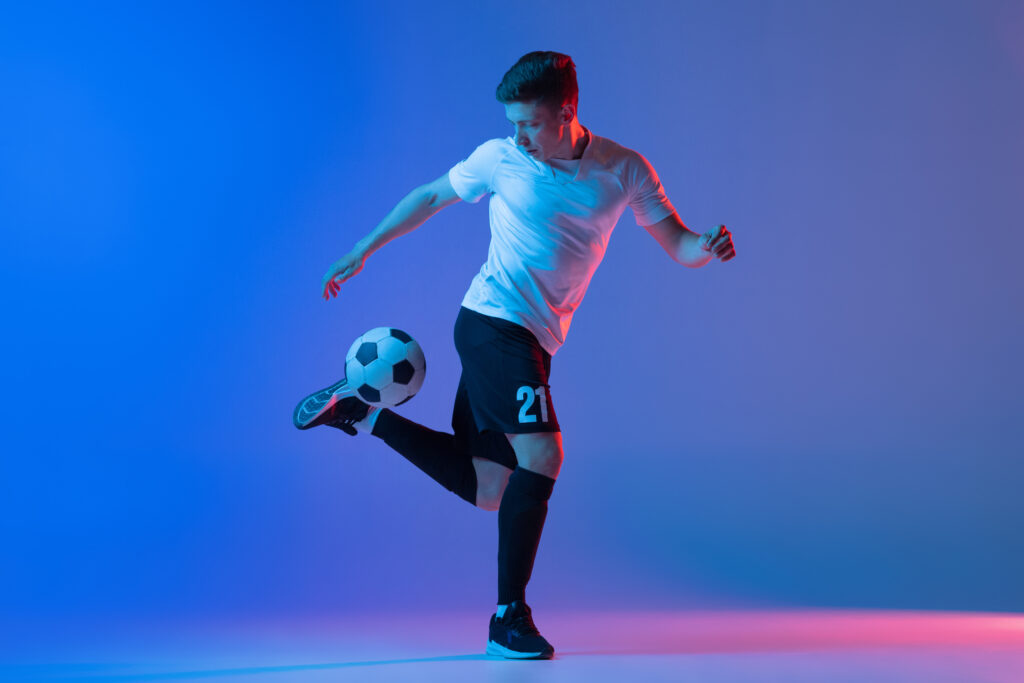
In the world of competitive sports, milliseconds can mean the difference between victory and defeat. Whether you’re pivoting on a basketball court, changing direction during a soccer match, or responding to a serve in pickleball, your reaction time is fundamentally connected to one often-overlooked factor: foot stability. The foundation upon which every athletic movement is built begins with how securely and efficiently your feet connect with the ground.
Athletes who experience foot pain, plantar fasciitis, or neuropathy often find their performance suffering not just from discomfort, but from compromised reaction times. Understanding the critical relationship between foot stability and athletic responsiveness can transform your game and protect you from common soccer injuries and other sports-related problems. This comprehensive guide explores how controlled foot placement improves quick reactions and coordination, and what you can do to optimize your foundation for peak performance.
The Biomechanical Connection Between Foot Stability and Reaction Time
Your feet contain 26 bones, 33 joints, and more than 100 muscles, tendons, and ligaments working in concert to provide stability, balance, and propulsion. When this complex system functions optimally, it creates a stable platform that allows your nervous system to respond instantly to visual and environmental cues. However, when foot stability is compromised, your body must compensate, creating delays in your reaction chain.
The process of athletic reaction begins with sensory input from proprioceptors in your feet—specialized nerve endings that communicate position, movement, and pressure information to your brain. Stable foot positioning enhances proprioceptive feedback, allowing your central nervous system to make faster, more accurate decisions about movement adjustments. Athletes wearing proper shoes for plantar fasciitis or supportive shoes for foot pain can maintain this critical sensory connection even during intense activity.
When foot instability exists due to conditions like plantar fasciitis or neuropathy, the proprioceptive signals become distorted or delayed. Your brain receives unclear information about foot position, forcing it to slow down movement decisions to avoid injury. This protective mechanism, while keeping you safe, directly impacts your competitive edge in time-sensitive sports situations.
How Plantar Fasciitis and Foot Pain Compromise Athletic Performance
Plantar fasciitis affects millions of athletes each year, causing inflammation of the thick band of tissue running across the bottom of the foot. For competitive athletes, this condition creates a cascade of performance problems beyond simple pain. The discomfort forces altered gait patterns, reduces push-off power, and most significantly, slows reaction time by creating hesitation in movement initiation.
Athletes suffering from plantar fasciitis often unconsciously shift weight distribution to avoid painful pressure points. This compensation pattern disrupts the natural kinetic chain, requiring additional time for the brain to calculate safe movement pathways. Finding the best shoe for plantar fasciitis or investing in quality sneakers for plantar fasciitis becomes essential not just for comfort, but for maintaining competitive reaction speeds.
Men experiencing this condition should specifically look for plantar fasciitis shoes for men or shoes for plantar fasciitis men that offer targeted arch support and heel cushioning. The best arch support shoes for plantar fasciitis provide the structural integrity needed to maintain proper foot alignment during rapid direction changes, directly supporting faster neural response times.
The Role of Proper Footwear in Supporting Quick Reactions
Footwear serves as the critical interface between your foot’s biomechanics and the playing surface. The right athletic shoes function as an extension of your body’s stability system, enhancing rather than hindering your natural reaction capabilities. Several key features contribute to this performance enhancement:
- Arch support systems that maintain proper foot alignment during lateral movements
- Heel cushioning that absorbs impact while maintaining ground contact awareness
- Forefoot flexibility that allows natural toe-off mechanics during explosive movements
- Ankle stabilization that prevents excessive pronation or supination
- Responsive midsoles that provide energy return without sacrificing court feel
- Traction patterns designed for multi-directional grip and quick pivoting
Athletes dealing with neuropathy require specialized shoes for neuropathy that provide enhanced sensory feedback through structured support. Those experiencing discomfort in the forefoot should seek comfortable shoes for toe pain that prevent cramping and numbness during extended competition periods. Every element of footwear design either contributes to or detracts from your body’s ability to react instantly to game situations.
Common Soccer Injuries Related to Foot Instability
Soccer provides an excellent case study for understanding how foot stability impacts injury rates and reaction performance. Soccer sports injuries frequently stem from inadequate foot support during the sport’s characteristic rapid direction changes, sudden stops, and explosive accelerations. The most common soccer injuries connected to foot instability include:
- Ankle sprains resulting from inadequate lateral support during cutting movements
- Plantar fasciitis developing from repetitive impact without proper cushioning
- Achilles tendonitis caused by compensatory biomechanics due to foot pain
- Metatarsal stress fractures from improper weight distribution during ball strikes
- Knee ligament injuries stemming from altered movement patterns to protect unstable feet
These injuries don’t just cause pain—they fundamentally alter an athlete’s ability to react quickly to game situations. A soccer player hesitating even fractionally before a direction change may miss an interception opportunity or fail to evade an opponent’s tackle. Prevention through proper foot stability support becomes a performance enhancement strategy, not merely an injury avoidance tactic.
Enhancing Foot Stability for Improved Reaction Times
Beyond footwear selection, athletes can take several proactive steps to enhance foot stability and, consequently, reaction performance. Incorporating targeted foot strengthening exercises builds the intrinsic musculature that provides natural stability independent of external support. Simple exercises like towel scrunches, marble pickups, and single-leg balance drills strengthen the small muscles responsible for fine motor control.
Proprioceptive training specifically targets the sensory feedback systems critical for rapid reactions. Balance board exercises, eyes-closed single-leg stands, and unstable surface training all enhance the foot-brain communication pathway that determines reaction speed. Athletes who dedicate even 10-15 minutes daily to these exercises typically notice measurable improvements in their responsiveness within 4-6 weeks.
For athletes already experiencing foot pain or stability issues, quality insoles can provide immediate performance benefits. To maximize your foot stability and reaction time during training and competition, explore these sport shock-absorbing insoles with advanced cushioning technology designed specifically for athletic performance enhancement. These specialized insoles provide the arch support and impact absorption necessary to maintain stable foot positioning during the most demanding athletic movements.
Sport-Specific Considerations for Foot Stability
Different sports place unique demands on foot stability, requiring tailored approaches to optimization. In pickleball, where a rally ends when one team faults in pickleball, quick lateral movements and sudden stops are constant. Players need footwear that provides excellent medial and lateral support without restricting the quick pivots necessary for court coverage.
Basketball players require maximum ankle support combined with responsive cushioning for vertical movements. Tennis athletes need durability in high-wear zones while maintaining flexibility for serve mechanics. Distance runners prioritize cushioning and forward propulsion, while sprinters need rigid plates for explosive energy transfer. Understanding your sport’s specific stability requirements allows you to select supportive shoes for foot pain that enhance rather than compromise performance characteristics.
Court sports like volleyball and racquetball demand shoes with gum rubber outsoles for superior grip during emergency stops. Field sports like soccer and lacrosse require cleat configurations that provide traction without restricting natural foot movement. Combat sports and martial arts often perform best with minimal footwear that maximizes proprioceptive feedback while providing basic protection.
Recovery and Maintenance for Long-Term Stability
Maintaining foot stability throughout a competitive season requires attention to recovery protocols. Post-training foot care should include ice therapy for inflammation management, gentle stretching to maintain flexibility, and massage techniques to release fascial restrictions. Athletes who neglect foot recovery often develop chronic stability issues that progressively degrade reaction performance.
Rotation of athletic footwear prevents the breakdown of support structures that occurs with continuous use. Most performance shoes maintain optimal support characteristics for approximately 300-500 miles of activity, after which the midsole compression and structural degradation begin compromising stability features. Monitoring shoe condition and replacing them proactively prevents the gradual reaction time decline that accompanies worn footwear.
For athletes managing chronic conditions like plantar fasciitis or neuropathy, consistency in using prescribed orthotics and supportive footwear becomes essential. Intermittent use of proper support allows symptoms to persist and prevents the neuromuscular adaptations necessary for optimal reaction performance. Commitment to comprehensive foot health strategies yields cumulative benefits that compound over time.
Conclusion: Building Your Athletic Foundation From the Ground Up
The connection between foot stability and reaction time represents one of the most underappreciated factors in athletic performance. While athletes invest countless hours developing strength, endurance, and sport-specific skills, the foundation supporting all these capabilities often receives minimal attention. Yet this foundation determines how quickly and efficiently you can translate neural commands into explosive, coordinated movement.
Whether you’re managing plantar fasciitis, neuropathy, or simply seeking to optimize your competitive edge, prioritizing foot stability creates measurable improvements in reaction time. Selecting appropriate footwear—from the best shoe for plantar fasciitis to sport-specific options with targeted support features—provides the platform for enhanced proprioceptive feedback and confident movement initiation.
The investment in proper foot support pays dividends not just in comfort, but in competitive performance and injury prevention. By understanding how controlled foot placement improves quick reactions and coordination, you can make informed decisions about footwear, training protocols, and recovery strategies that keep you performing at your peak. Remember that in sports where milliseconds determine outcomes, the stability of your foundation might be the competitive advantage you’ve been overlooking.